
 rifanmuazin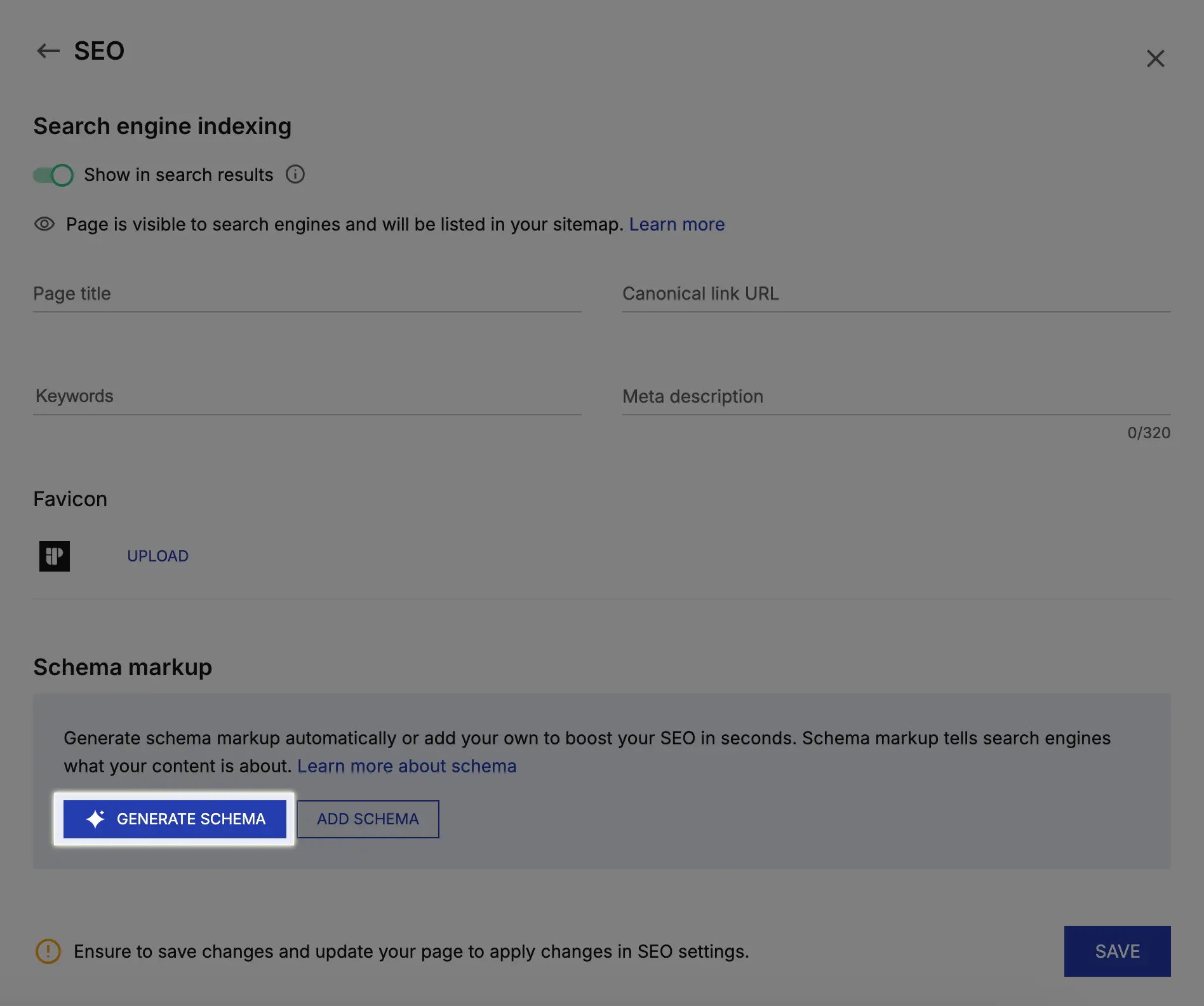
The digital marketing landscape is currently undergoing a transformative shift as brands navigate the dual pressures of tightening advertising budgets and the rapid ascent of artificial intelligence in search ecosystems. In response to these evolving market dynamics, Instapage, a leading platform in landing page transparency and post-click automation, has announced the launch of a new AI-powered Schema Markup feature. This tool is designed to bridge the technical gap between high-performance landing pages and the sophisticated algorithms used by modern search engines and AI assistants. By automating the creation of structured data, the feature aims to ensure that brands of all sizes can achieve premium visibility in organic search results and AI-generated answers without the traditional reliance on extensive development resources.
The Strategic Importance of Structured Data in the AI Era
As organic search evolves from a list of blue links into a sophisticated landscape of "answer engines," the technical architecture of a webpage has become as important as its visual design. Search engines like Google and AI-driven platforms such as Perplexity and OpenAI’s SearchGPT rely on structured signals to interpret the context of a page. This metadata, known as schema markup, provides a standardized language that tells search crawlers exactly what a page represents—be it a product, a local business, an event, or a frequently asked question.
Without these signals, even the most aesthetically pleasing and fast-loading landing pages risk remaining "invisible" to the systems that curate top-tier search placements and rich snippets. The challenge for many marketing teams has historically been the technical barrier to entry. Implementing schema markup typically requires a deep understanding of JSON-LD (JavaScript Object Notation for Linked Data) and direct access to a website’s backend code. Instapage’s new integration seeks to democratize this process, allowing marketers to generate and validate these signals directly within their page settings.
Technical Specifications and the Role of Artificial Intelligence
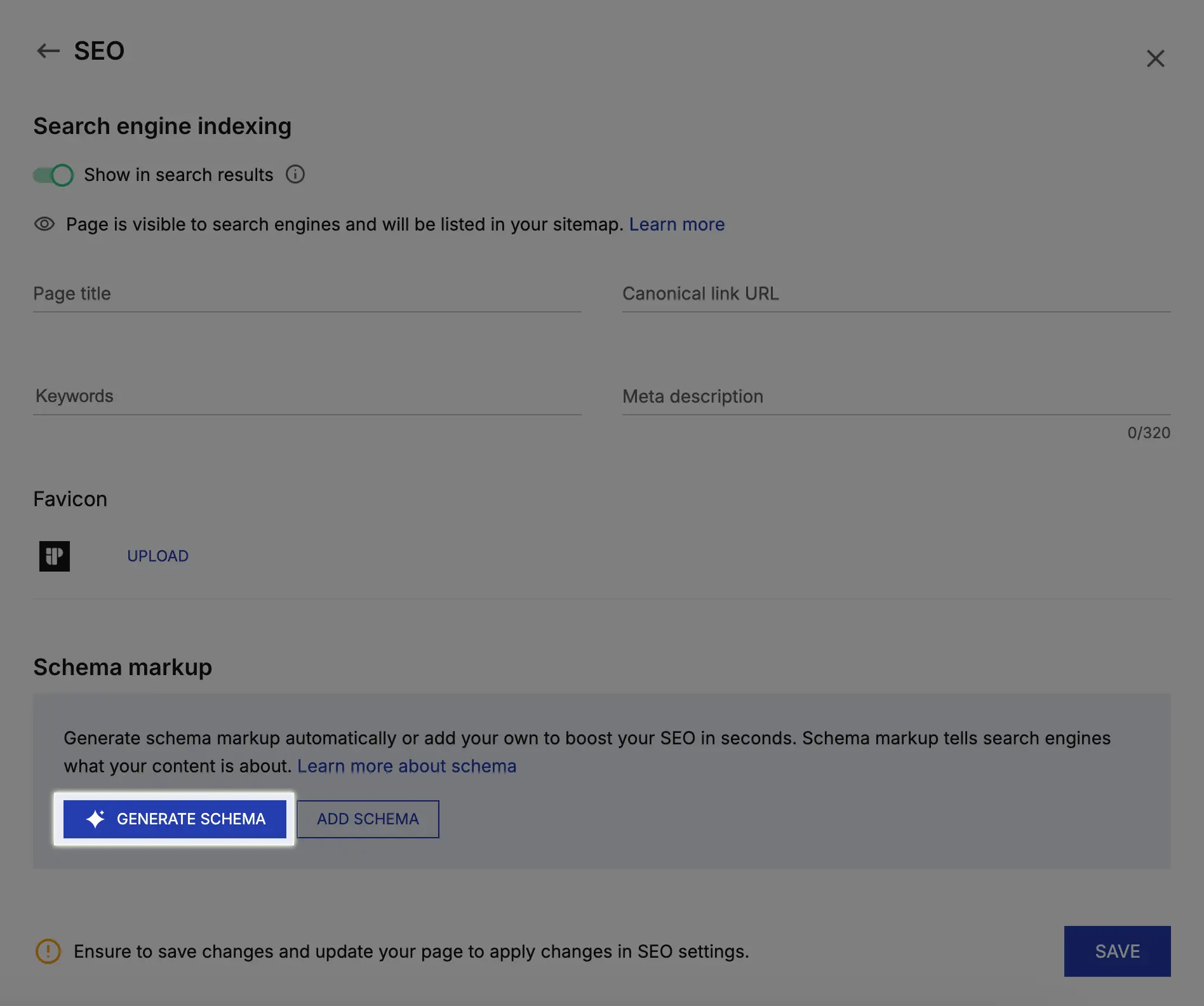
The core of the new Instapage feature is its AI-driven generator, which simplifies the production of JSON-LD markup. Marketers can now access a dedicated SEO settings panel where they are presented with two primary paths for implementation: automated detection or manual selection.
The "Auto-detect" option represents a significant advancement in landing page technology. By utilizing machine learning algorithms to analyze the content, headers, and metadata of a page, the system can autonomously determine the most appropriate schema types. For instance, if a page features a registration form for a webinar and a list of speakers, the AI can automatically suggest "Event" and "Person" schema types.
For users who require more granular control, the platform supports the most common schema types used in modern commerce and lead generation, including:
- Organization and Person: Establishing brand authority and individual expertise.
- Product: Providing search engines with price, availability, and review data to power "Product snippets."
- LocalBusiness: Enhancing visibility for physical locations in "Map Packs" and local queries.
- FAQPage: Securing expanded real estate in search results by displaying collapsible questions and answers directly on the Search Engine Results Page (SERP).
- Event: Highlighting dates, locations, and ticketing information for live or virtual gatherings.
A Chronology of SEO Evolution and the Path to Automation
The release of this feature follows a decade of evolution in how the web is indexed. To understand the impact of Instapage’s move, one must look at the timeline of structured data:

- 2011: The launch of Schema.org, a collaborative effort by Google, Bing, Yahoo!, and Yandex to create a universal standard for structured data.
- 2015-2018: The shift toward mobile-first indexing, where Google began prioritizing pages that provided clear, structured information that could be easily parsed by mobile devices.
- 2020-2022: The rise of "Zero-Click Searches," where users find their answers directly on the SERP via rich snippets, making schema markup essential for brand exposure even when a user doesn’t click through.
- 2023-Present: The explosion of Generative AI and Search Generative Experiences (SGE). AI models use structured data to verify facts and cite sources, making schema the "API" through which brands talk to AI.
Instapage’s integration arrives at a critical juncture in this timeline, as the manual coding of schema has become a bottleneck for agile marketing teams who need to launch dozens of localized or product-specific landing pages simultaneously.
Supporting Data: The ROI of Enhanced Search Visibility
The decision to integrate AI-powered schema tools is backed by significant industry data regarding search behavior and conversion rates. According to recent SEO benchmarks, pages with properly implemented schema markup can see a click-through rate (CTR) increase of up to 30% compared to those without. This is largely attributed to "Rich Results"—the enhanced listings that include star ratings, images, and prices.
Furthermore, data from Milestone Research indicates that while rich results only account for a fraction of total search results, they capture a disproportionate share of user engagement. In many sectors, rich results receive 58% of all clicks, whereas non-rich results receive only 41%. For brands operating on tightened budgets, this increased efficiency in organic traffic represents a vital alternative to the rising Costs Per Click (CPC) in paid search channels.
Industry Implications and Inferred Market Reactions
While official statements from the broader SEO community are pending, industry analysts suggest that this move by Instapage signals a broader trend toward "No-Code SEO." By removing the developer from the loop, marketing teams can reduce the time-to-market for their campaigns.
"The barrier to technical SEO has always been the hand-off between marketing and engineering," notes a hypothetical industry consultant. "Tools that allow a marketer to validate JSON-LD in real-time within their design environment effectively eliminate a major point of friction. It transforms SEO from a reactive maintenance task into a proactive design element."
For competitors in the landing page and CMS space, the pressure is mounting to provide similar AI-assisted technical optimizations. As search engines become more reliant on structured data to feed AI models, the ability to provide "clean" data to crawlers will likely become a standard requirement for any enterprise-grade marketing platform.
Impact Analysis: Who Benefits Most?
The implications of this rollout vary across different business sectors:
E-commerce and Direct-to-Consumer (DTC) Brands:
For businesses selling physical goods, the "Product" schema is a game-changer. By feeding accurate data to Google’s Merchant Center and organic listings, these brands can display real-time stock levels and pricing, which are proven to increase the quality of incoming traffic.
Professional Services and B2B Lead Generation:
B2B companies often struggle with being perceived as authoritative sources. By using "Person" and "Organization" schema, these firms can link their landing pages to the professional profiles of their executives, building the "Experience, Expertise, Authoritativeness, and Trustworthiness" (E-E-A-T) that Google’s quality raters look for.
Local Service Providers:
For law firms, medical practices, and home service providers, the "LocalBusiness" schema ensures that they appear in the "Near Me" searches that dominate mobile search behavior. This tool allows them to communicate service areas and opening hours directly to the search engine’s core database.
Implementation Workflow for Marketing Teams
Instapage has streamlined the technical implementation into a five-minute workflow, reflecting a commitment to user experience. The process involves:
- Accessing SEO Settings: Users navigate to the existing SEO panel within the Instapage builder.
- Selection or Detection: The user chooses to either manually select a schema type or allow the AI to scan the page.
- Data Population: The AI generates the JSON-LD code based on the page’s content.
- Validation: The tool includes a built-in validation step, ensuring the code meets the rigorous standards of Schema.org before it goes live. This prevents the "broken code" errors that can lead to search engine penalties.
- Deployment: Once saved, the markup is automatically injected into the page’s header upon the next publish cycle.
For power users, the platform maintains a manual override option, allowing for custom JSON-LD scripts to be pasted directly into the settings, ensuring that the platform remains flexible for complex, bespoke SEO strategies.
Future Outlook: The Convergence of Landing Pages and AI
As Instapage rolls out this feature to all users, the broader narrative is clear: the future of the web is structured. The "invisible" signals that once only mattered to specialized technical SEOs are now a frontline concern for every digital marketer. As AI assistants become the primary interface through which consumers discover products and services, the brands that provide the most "readable" data will be the ones that survive the transition from the era of search to the era of answers.
The launch of the AI Schema Markup tool is currently available across all Instapage plans. The company is offering a 14-day trial for new users to test the impact of structured data on their conversion rates and search visibility. As the digital advertising market continues to face volatility, such tools represent a strategic pivot toward sustainable, organic growth driven by technical excellence and artificial intelligence.








