rifanmuazin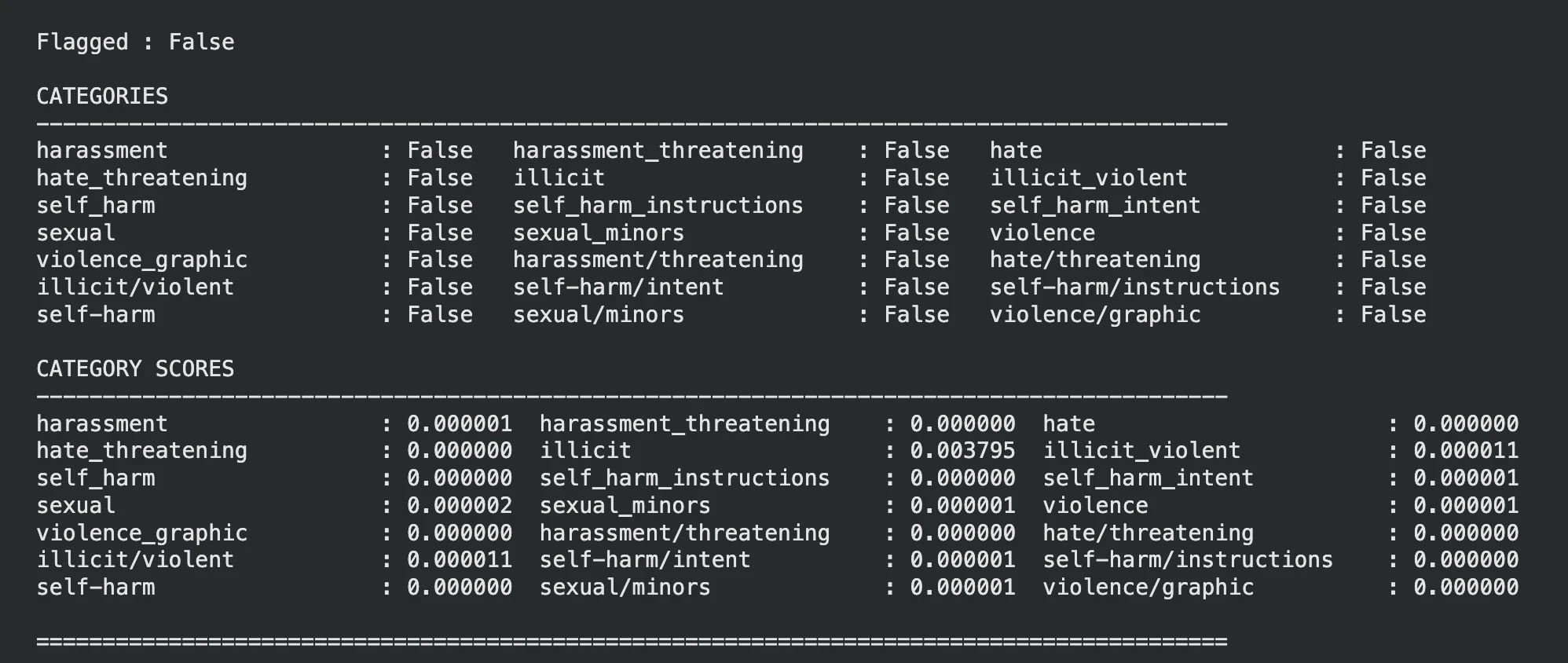
OpenAI has officially released its most advanced content oversight tool to date, the omni-moderation-latest model, marking a significant milestone in the democratization of artificial intelligence safety. This new model, built upon the sophisticated GPT-4o architecture, offers developers a robust, multimodal solution for identifying and filtering harmful content across both text and image inputs. By offering this service free of charge, OpenAI aims to lower the barrier for startups and independent developers to implement enterprise-grade safety guardrails in their AI-driven applications, ranging from customer service chatbots to complex visual analysis systems.
The introduction of the omni-moderation-latest model addresses a growing concern within the technology sector regarding the “jailbreaking” of large language models (LLMs) and the proliferation of harmful user-generated content. As AI systems become more integrated into daily life, the need for real-time, accurate, and cost-effective moderation has transitioned from a luxury to a fundamental requirement for digital safety and regulatory compliance.
The Evolution of AI Content Moderation
To understand the significance of the omni-moderation-latest release, it is necessary to examine the chronology of OpenAI’s safety efforts. For several years, the organization provided the text-moderation-latest endpoint, a legacy system designed primarily to scan strings of text for violations of usage policies. While effective for its time, the legacy model was limited by its unimodal nature—it could not “see” or interpret images.
The timeline of OpenAI’s moderation development reflects the broader trajectory of the AI industry:
- Early Safety Filters (2020-2021): Initial efforts focused on hard-coded filters and basic keyword blacklisting to prevent the most egregious abuses of early GPT models.
- Introduction of the Moderation API (2022): OpenAI launched a dedicated API that allowed developers to send text queries to a specialized model trained to detect categories such as hate speech and self-harm.
- The Multimodal Shift (Mid-2024): With the debut of GPT-4o, OpenAI’s first natively multimodal model, the capability to process text, audio, and vision simultaneously became possible.
- Omni-Moderation Launch (Late 2024): Leveraging the power of GPT-4o, OpenAI refined its moderation tools to create the “omni” version, capable of analyzing images with the same rigor previously applied only to text.
By transitioning from a legacy text-only system to an omni-platform, OpenAI has effectively closed a significant loophole where users could potentially bypass text filters by uploading harmful content in visual formats.
Technical Capabilities and Categorization
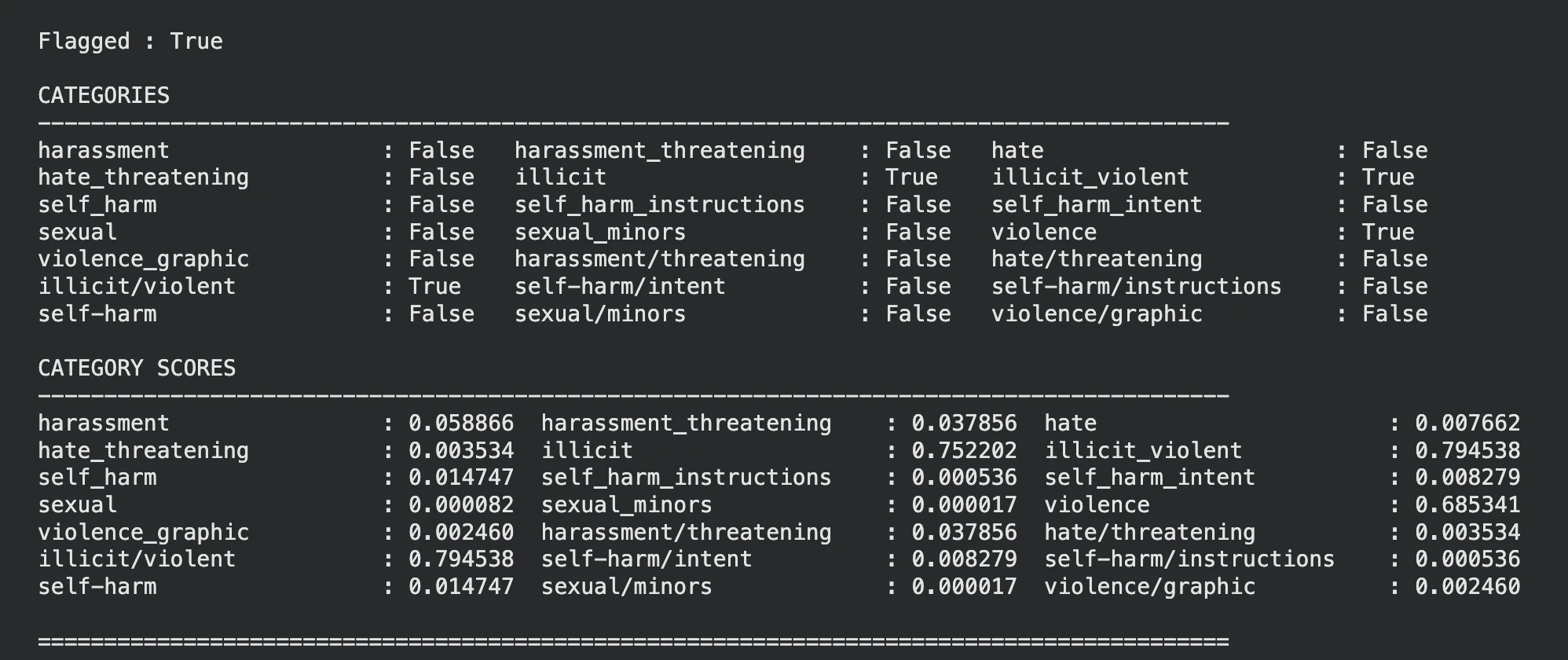
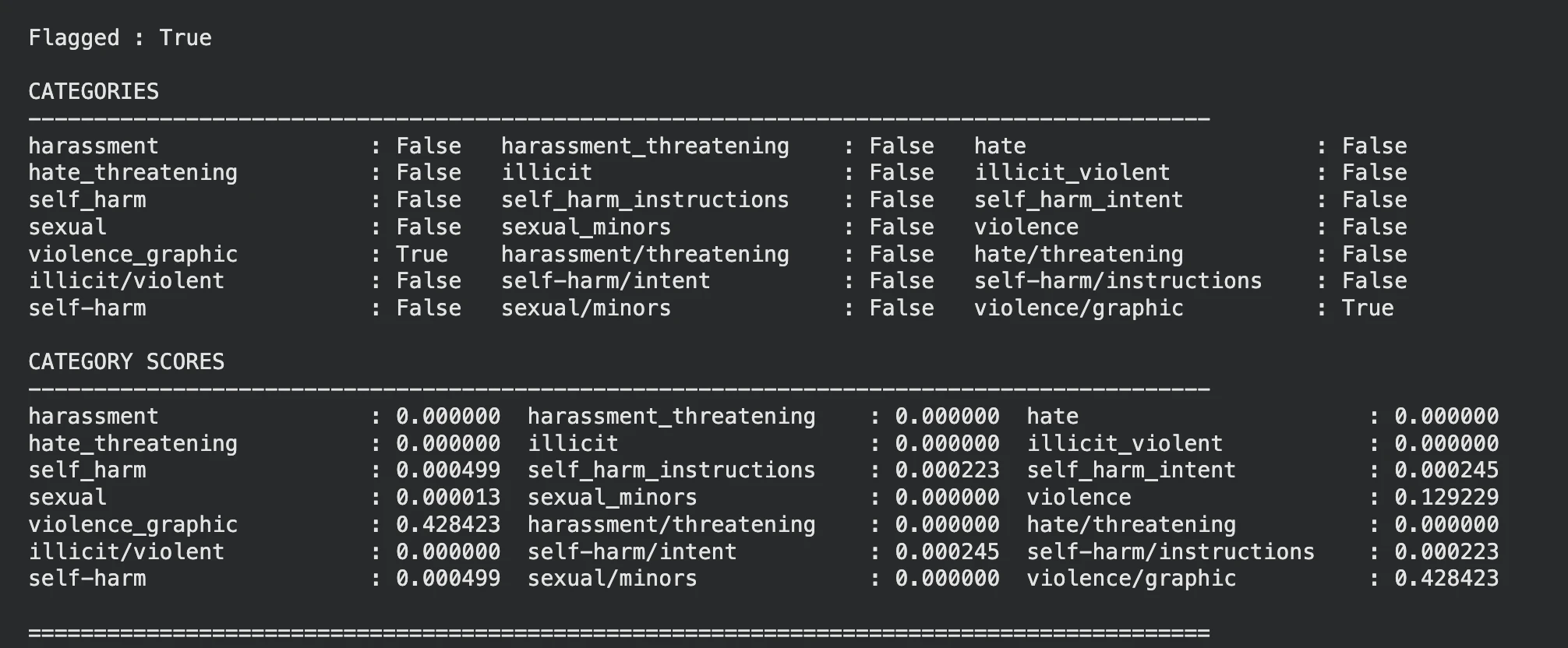
The omni-moderation-latest model functions by scoring and classifying inputs against a comprehensive set of safety categories. When a developer submits an input—whether it is a snippet of dialogue or a URL to an image—the API returns a detailed report. This report includes a “flagged” boolean (True or False) and a granular breakdown of scores for specific categories.
The model monitors several critical areas, including:
- Violence and Physical Harm: Detection of content that depicts, promotes, or provides instructions for physical violence.
- Self-Harm: Identification of content that encourages or provides instructions for self-injury or suicide.
- Sexual Content: Filtering of explicit material, including non-consensual sexual content and the sexual exploitation of minors.
- Hate Speech: Scanning for language that promotes violence, incites hatred, or demeans individuals based on protected characteristics such as race, religion, or sexual orientation.
- Harassment: Detecting persistent or targeted attacks intended to intimidate or silence individuals.
A key technical advantage of the new omni model is its use of “category scores.” Rather than a simple “yes/no” output, the model provides a decimal value representing the confidence level of the detection. This allows developers to customize their moderation thresholds. For instance, a platform designed for children might set a very low threshold for flagging (making the moderation strict), while a forum for adult political discourse might set a higher threshold to allow for more robust debate.
Practical Implementation for Developers
The integration of the omni-moderation-latest model is designed to be seamless for those already familiar with the OpenAI ecosystem. Despite being a free service, it requires a valid OpenAI API key, ensuring that the usage can be monitored for potential abuse.
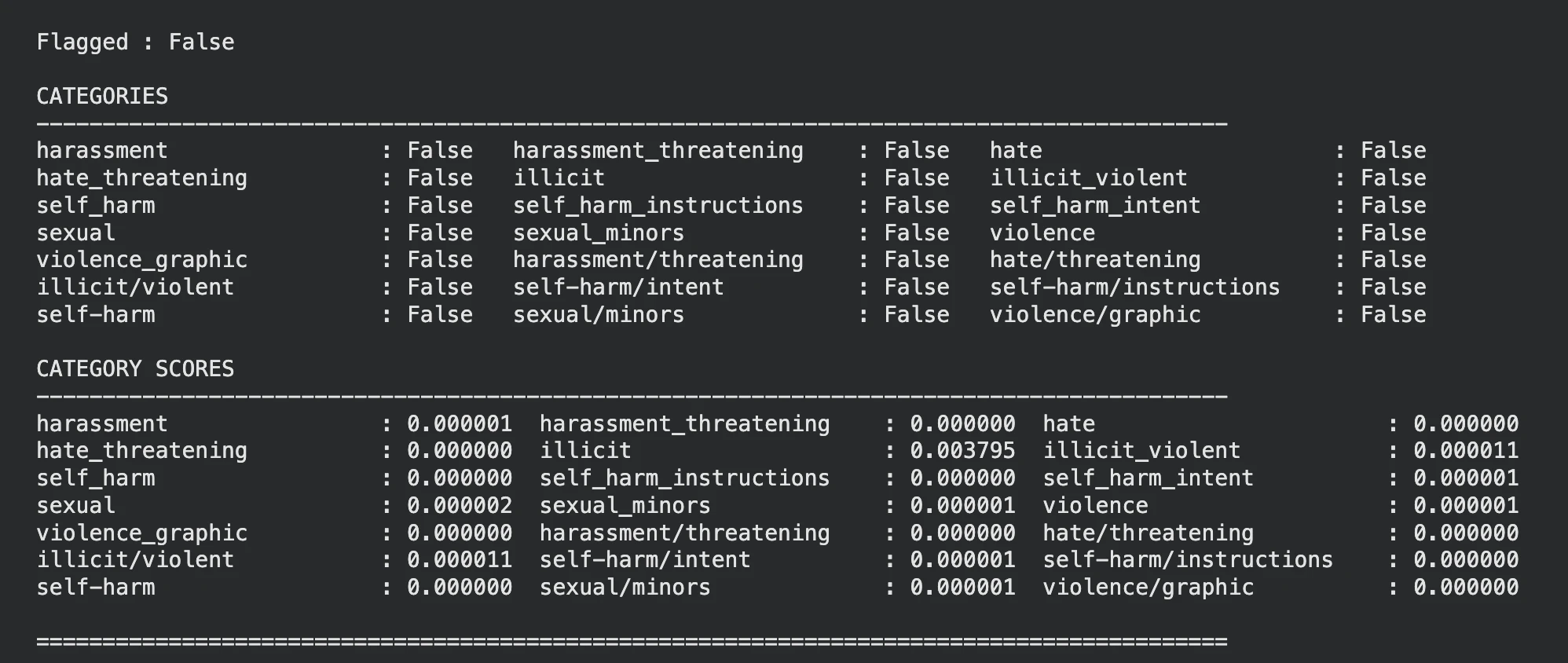
The implementation process typically follows a three-step workflow: initialization, request, and interpretation. Developers utilize Python-based clients to send data to the client.moderations.create endpoint. For text moderation, the process is straightforward: the model scans the string and returns a classification. For image moderation, developers must specify the input type as image_url, allowing the model to “inspect” the visual data.
Industry experts suggest that the “omni” aspect of the model is particularly valuable for platforms that allow users to upload profile pictures or share media in chat windows. By using a single model for both formats, developers can reduce the complexity of their back-end infrastructure while maintaining a consistent safety policy across all media types.
Industry Context and Competitive Landscape
The release of a free, high-performance moderation tool is a strategic move in an increasingly competitive AI safety market. Major cloud providers and AI research labs have been racing to provide “Safety-as-a-Service” (SaaS) to enterprises.
OpenAI’s primary competitors in this space include:
- Azure AI Content Safety: Microsoft’s enterprise-grade solution, which offers deep integration with the Azure cloud ecosystem and allows for highly customizable safety thresholds.
- Google Perspective API: A long-standing tool used by major publishers to identify “toxic” comments and promote healthy online conversations.
- Amazon Rekognition: An AWS service focused heavily on image and video analysis, often used for detecting inappropriate content in large-scale media libraries.
By making the omni-moderation-latest model free, OpenAI is positioning itself as the default choice for the developer community. This “safety-first” branding is crucial as the company faces ongoing scrutiny from global regulators regarding the potential risks of generative AI.
Broader Implications for Digital Safety
The implications of accessible, multimodal moderation extend far beyond simple technical implementation. From a sociological perspective, the automation of content moderation addresses the “human cost” of safety. Traditionally, content moderation has relied on thousands of human workers who are often exposed to traumatic and violent imagery for hours each day. While AI is not yet capable of replacing human judgment in complex, nuanced cases, it can act as a “first responder,” filtering out the most egregious content before it ever reaches a human eye.
Furthermore, the multimodal capability of the omni model is a direct response to the rise of “adversarial attacks.” In the past, users might attempt to bypass text filters by spelling out harmful words within an image or using memes to convey prohibited messages. The GPT-4o-based moderation model is significantly more adept at understanding the context and intent behind these visual-textual hybrids.
However, the shift to AI-driven moderation is not without its critics. Concerns regarding “false positives”—where legitimate speech is accidentally silenced—remain a topic of debate. Academic researchers have noted that AI moderation models can sometimes struggle with cultural nuances, sarcasm, or regional dialects, leading to the over-censorship of marginalized voices. OpenAI’s inclusion of category scores is a partial solution to this, as it gives developers the data needed to implement a “human-in-the-loop” system for borderline cases.
Conclusion and Future Outlook
The launch of OpenAI’s omni-moderation-latest model represents a pivotal step in making the internet a safer space for AI interaction. By combining the power of multimodal analysis with a zero-cost entry point, OpenAI is encouraging developers to prioritize safety from the earliest stages of application development.
As AI continues to evolve toward more agentic systems—where models can take actions on behalf of users—the role of moderation will only become more critical. Future iterations of these models are expected to include even more modalities, such as real-time audio and video moderation, further closing the gaps in digital oversight.
For the developer community, the message is clear: there is no longer a financial or technical excuse for leaving an AI system unprotected. With tools like omni-moderation-latest, the industry is moving toward a standard where safety is not an add-on, but a core component of the technological architecture. As this model becomes more widely adopted, the focus will likely shift from basic detection to the more complex challenge of aligning AI behavior with diverse global values and legal frameworks.