rifanmuazin
For many independent creators, Ko-fi has served as an accessible entry point into monetizing their work. Its straightforward approach to collecting tips, selling digital downloads, and offering memberships has made it a popular choice for artists, writers, and small businesses seeking to engage with their audience without the complexities of a full-fledged e-commerce platform. However, as these creative endeavors mature and expand, creators often find themselves at a crossroads, seeking more robust tools and greater control over their online presence and revenue streams. This growing need has fueled the development and adoption of a diverse landscape of platforms designed to cater to the evolving demands of the creator economy.
The digital landscape for creators is no longer a monolithic entity. What began as simple donation platforms has blossomed into a sophisticated ecosystem of tools, each offering unique functionalities for different types of creative output and business models. From merchandise fulfillment to in-depth community building and specialized digital product sales, the options available to creators have diversified significantly, reflecting a maturing market and a more discerning audience. This article delves into the top-rated alternatives to Ko-fi, examining their strengths, features, and suitability for creators looking to scale their operations, enhance customization, or tailor their offerings to specific audience needs.
The transition from a basic tipping model to a more structured business approach is a common trajectory for successful creators. This often involves a desire for greater brand control, deeper audience engagement, and a more predictable revenue model. While Ko-fi excels at its core function of low-pressure monetization, it can present limitations for those aiming to build comprehensive online stores, manage complex membership tiers, or offer a wider array of products and services. The following platforms represent the vanguard of creator-focused monetization tools, offering solutions that extend far beyond the simple “buy me a coffee” gesture.
A Comparative Overview of Creator Monetization Platforms
To navigate this evolving market, understanding the core strengths of each platform is crucial. The following comparison table highlights key features and pricing structures, offering a snapshot of what each alternative brings to the table.
| Platform | Best For | Starting Price | Platform Fee | Standout Feature |
|---|---|---|---|---|
| Patreon | Membership content, community building | Free | 10% | Robust built-in community and communication tools |
| Buy Me a Coffee | Simple donations, one-time tips | Free | 5% | Intuitive interface, quick setup for donations |
| Fourthwall | Merchandise and digital product sales | Free | 5% (digital) | Integrated merchandise fulfillment |
| Gumroad | Digital product sales, simple checkout | Free | 10% + $0.50 | Streamlined digital product delivery |
| Payhip | Scalable digital storefronts, flexible pricing | Free | 5% (on Free plan) | Adaptable pricing tiers for growth |
| Substack | Writing, newsletters, serialized content | Free | 10% | Integrated email delivery and subscriber management |
| Memberful | Memberships on your own website | Custom | 4.9% | Seamless integration with existing websites |
| Podia | All-in-one for courses, digital products, email | $33/month | 5% (lower plan) | Comprehensive suite of creator business tools |
| Liberapay | Recurring donations, zero platform fees | Free | None | Commitment to no platform fees for donations |
Fourthwall: The Merchandising Powerhouse
For creators whose audience engagement often translates into a desire for physical goods, Fourthwall emerges as a standout alternative. Unlike many platforms that treat merchandise as an add-on, Fourthwall is purpose-built for creators looking to sell physical products alongside digital downloads and memberships. Its integrated approach to merchandise fulfillment simplifies the often-complex logistics of production, inventory, and shipping.
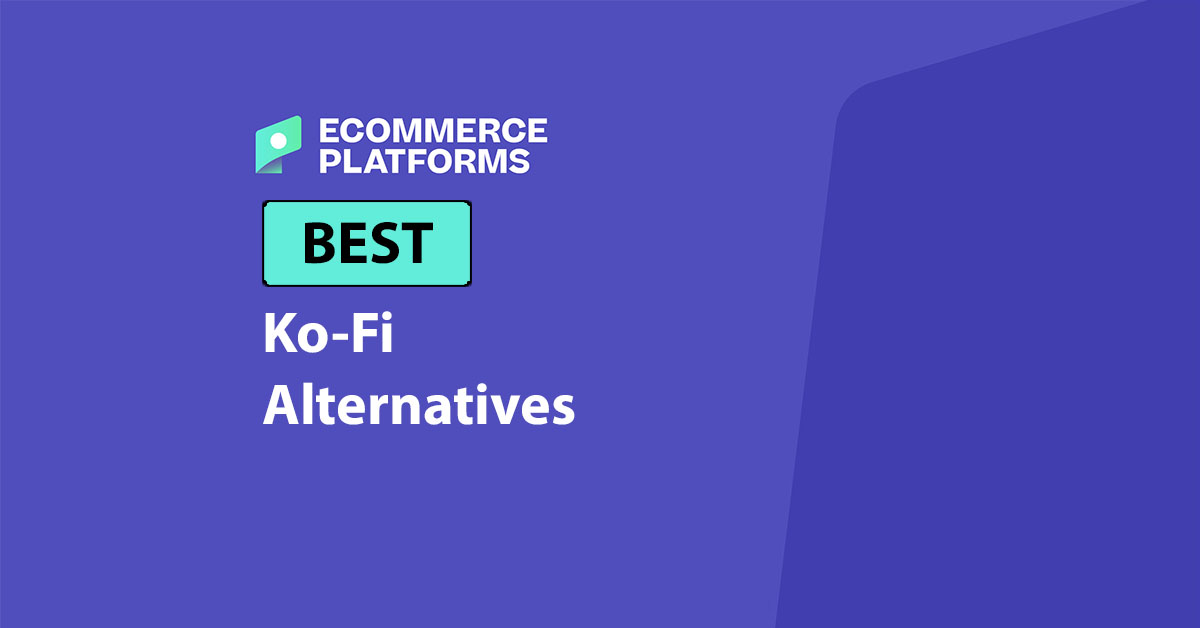
During testing, the ease of setting up a storefront and uploading designs for apparel, accessories, and other merchandise was particularly impressive. Fourthwall offers both on-demand printing and fulfillment services, allowing creators to leverage their designs without the upfront investment in inventory. This flexibility is a significant advantage for artists, musicians, and influencers who want to offer branded merchandise to their fan base. The platform seamlessly blends e-commerce capabilities with creator monetization, enabling a dual approach of direct sales and recurring support, which many find to be a more comprehensive solution than disparate tools.
Key Features of Fourthwall:
- Integrated Merch Fulfillment: Options for on-demand printing or self-fulfillment.
- Digital Product Sales: Support for selling ebooks, art files, and other digital assets.
- Membership Tiers: Ability to offer exclusive content and perks to subscribers.
- Customizable Storefronts: Tools to create a branded online presence.
Fourthwall’s Pricing Structure:
- Starting Price: Free to use.
- Platform Fee: 5% on digital and membership sales. Merchandise sales have separate processing fees, which vary based on the product and fulfillment method.
Why Fourthwall in 2026?
Fourthwall is an ideal solution for creators whose primary monetization strategy involves physical merchandise. Its integrated approach reduces the friction associated with managing inventory and shipping, allowing creators to focus on their craft and audience engagement. It offers a compelling balance of functionality and affordability, especially for those looking to build a tangible brand presence.
Patreon: The Reigning Champion of Membership and Community
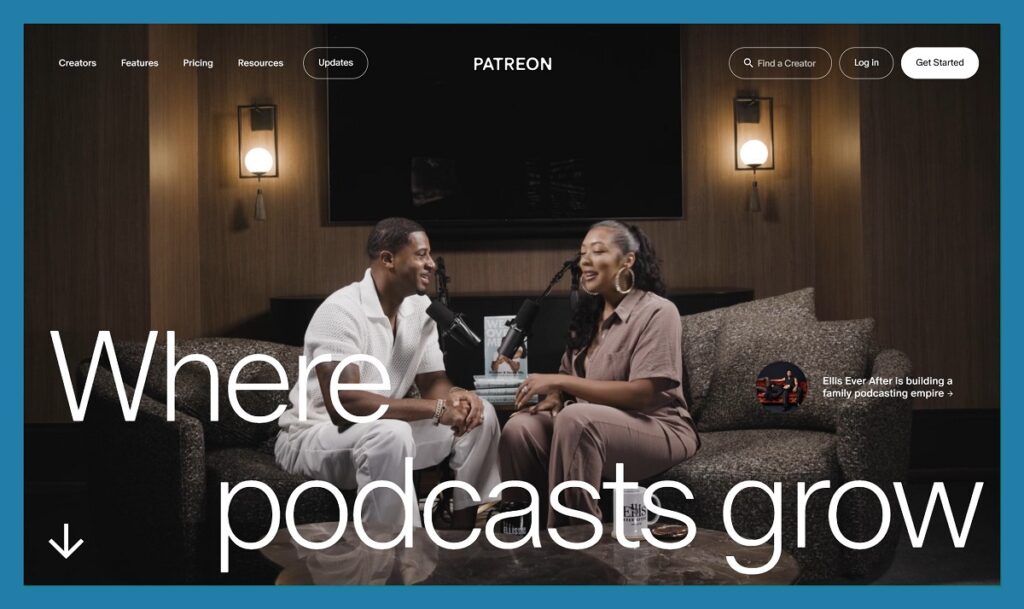
When it comes to recurring revenue through memberships and fostering dedicated fan communities, Patreon remains the industry benchmark. Its platform is designed to facilitate ongoing content delivery and build a loyal subscriber base, making it a go-to for podcasters, artists, writers, educators, and any creator whose work lends itself to serialized or exclusive content.
Patreon’s strength lies in its comprehensive suite of tools for managing membership tiers, gating content, and direct communication with fans. Creators can offer various subscription levels, each with unique benefits such as early access, behind-the-scenes content, Q&A sessions, or exclusive downloads. The platform’s native video hosting and direct messaging features further enhance the sense of community and exclusivity. The widespread familiarity and trust associated with Patreon among consumers also contribute to its effectiveness, reducing the barrier to entry for new supporters.
Despite some recent adjustments to Apple’s subscription policies that have presented challenges for certain creators, Patreon’s robust infrastructure and established user base continue to make it a dominant force in the membership economy. Its focus on fostering long-term relationships between creators and their fans provides a stable and predictable income stream.
Key Features of Patreon:
- Tiered Membership Levels: Customizable options for different supporter engagement.
- Gated Content: Ability to restrict access to posts, videos, and audio.
- Direct Messaging: Facilitates one-on-one communication with patrons.
- Native Video Hosting: Integrated solution for sharing video content.
Patreon’s Pricing Structure:
- Starting Price: Free to sign up.
- Platform Fee: 10% on earnings, in addition to payment processing fees.
Why Patreon in 2026?
For creators prioritizing consistent, recurring revenue and deep audience engagement through exclusive content, Patreon remains the most effective platform. Its established ecosystem and user-friendly interface for both creators and patrons simplify the process of building a sustainable membership model, particularly for those whose content is episodic or requires ongoing development.
Buy Me a Coffee: Simplicity for Spontaneous Support
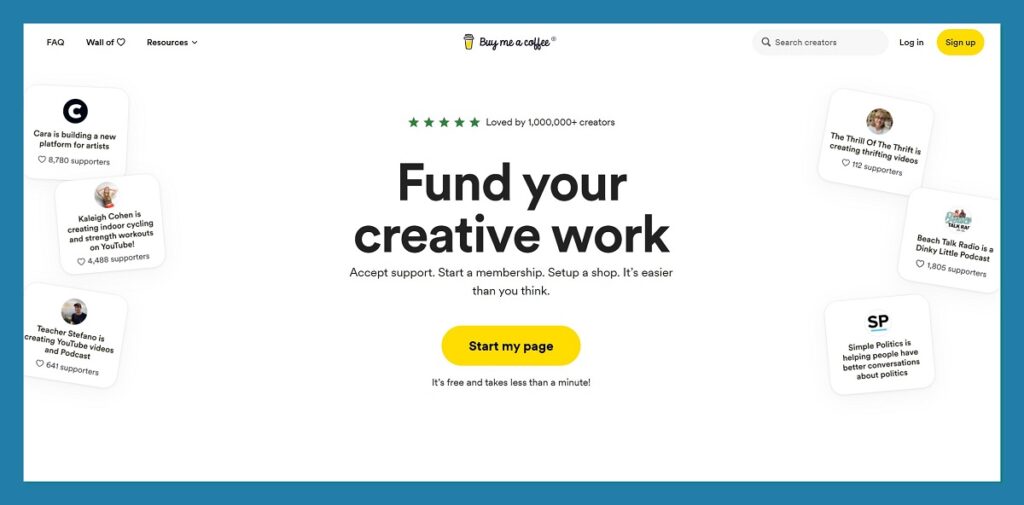
Buy Me a Coffee positions itself as a direct and user-friendly alternative to Ko-fi, emphasizing a casual and accessible approach to monetization. It’s particularly well-suited for creators who want to accept one-time tips, small donations, or offer simple recurring memberships without the overhead of a complex e-commerce setup.
The platform’s clean and minimalist interface makes it incredibly easy to navigate, ideal for creators who utilize link-in-bio strategies or operate across multiple social media channels. The absence of intricate branding requirements and a steep learning curve allows for rapid deployment. Creators can connect their payment processors (Stripe or PayPal) and begin accepting support within minutes. This speed and simplicity are its primary selling points, offering a no-pressure avenue for fans to show appreciation for creators’ work.
During user testing, setting up a page and enabling support functions took less than ten minutes. The process for selling digital files was equally streamlined. While it may not possess the extensive features of a full-fledged e-commerce solution, Buy Me a Coffee excels in its core mission: providing an effortless way for audiences to offer financial support.
Key Features of Buy Me a Coffee:
- One-Time Tips: Simple button for spontaneous donations.
- Recurring Memberships: Basic tier options for ongoing support.
- Digital Product Sales: Lightweight functionality for selling downloadable goods.
- Mobile Optimization: Fully functional and responsive on all devices.
Buy Me a Coffee’s Pricing Structure:
- Starting Price: Free to use.
- Platform Fee: 5% per transaction, plus standard payment processing fees.
Why Buy Me a Coffee in 2026?
This platform is the optimal choice for creators seeking a straightforward and uncomplicated way to receive supporter donations or sell simple digital products. It appeals to those who value a clean, low-friction method of earning from their audience without the need for an elaborate storefront or extensive feature set.
Gumroad: The Digital Product Sales Accelerator
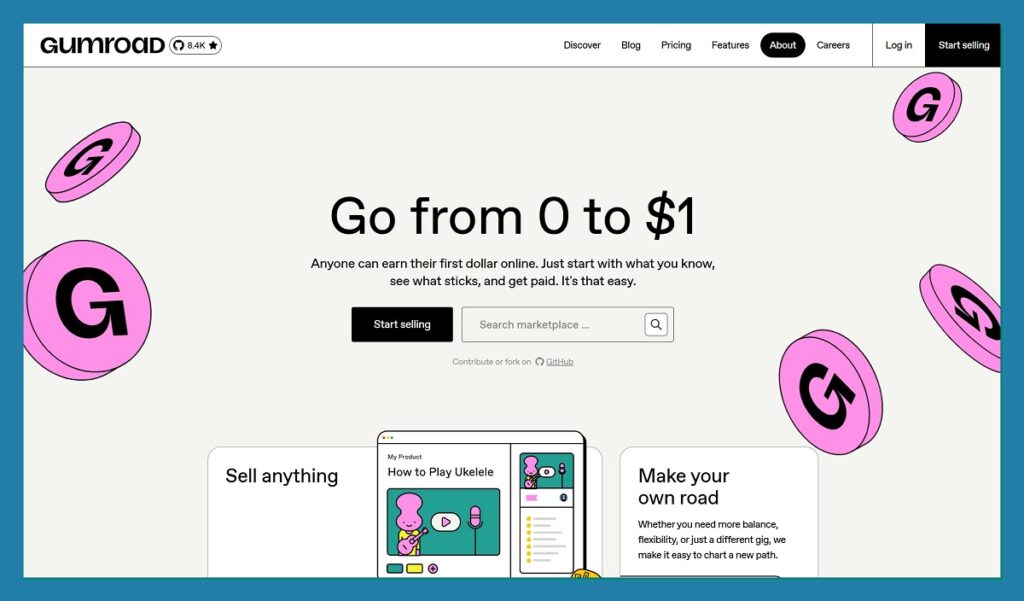
For creators focused on selling digital goods, Gumroad has established itself as a dominant and highly efficient platform. Its core strength lies in its simplicity and speed, making it an excellent choice for individuals offering ebooks, music, software, design templates, online courses, and other downloadable content. Gumroad prioritizes a streamlined e-commerce experience, focusing on swift product delivery and payment processing.
The platform’s ease of use is a significant draw. Within minutes of signing up, creators can set up a product page, upload their digital files, and generate a checkout link. This rapid deployment capability allows for quick product launches and easy integration into existing websites or email marketing campaigns. While Gumroad offers limited customization options for storefront design, its reliability and efficiency in handling digital transactions are paramount. The platform also includes a discoverability feature through its marketplace, which can expose products to new audiences, although sales made through this channel may incur slightly higher fees.
Key Features of Gumroad:
- Digital Download Delivery: Automated and secure delivery of purchased files.
- Pre-orders and Subscriptions: Support for selling products before release or via recurring payments.
- Affiliate Program: Tools to enable partners to promote products.
- Embedded Checkout: Option to integrate Gumroad checkout directly into other websites.
Gumroad’s Pricing Structure:
- Starting Price: Free.
- Fees: 10% platform fee plus a $0.50 transaction fee for each sale.
Why Gumroad in 2026?
Gumroad remains the preferred platform for creators who prioritize speed and simplicity in selling digital products. Its robust infrastructure and user-friendly interface make it an ideal solution for artists, developers, writers, and educators looking for a dependable way to distribute and monetize their digital creations.
Payhip: Scalable Storefronts for Growing Creators
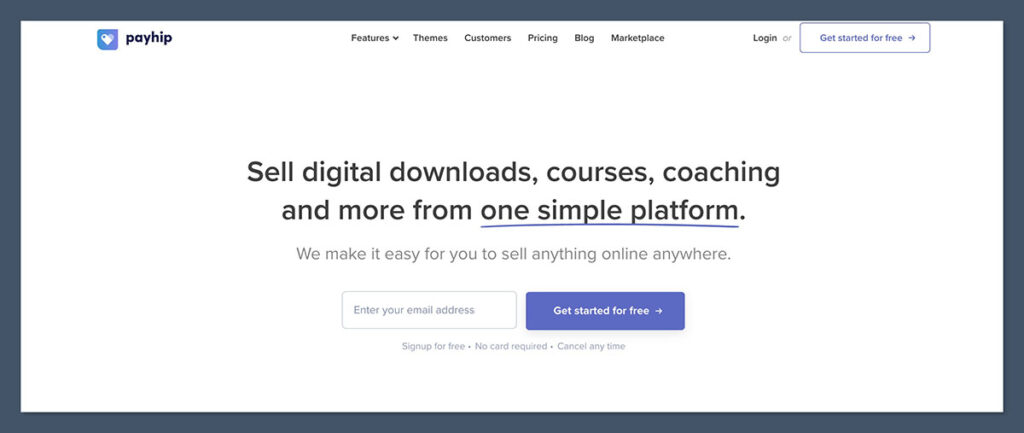
Payhip offers creators a powerful yet accessible solution for building professional online storefronts, catering to a wide range of digital and physical products. It supports digital downloads, coaching services, physical merchandise, and membership subscriptions, positioning it as a versatile all-in-one platform. A key differentiator for Payhip is its flexible pricing model, allowing creators to choose between a percentage-based fee structure or flat monthly rates as their business scales.
During testing, the backend dashboard proved intuitive, providing comprehensive sales analytics, automatic EU VAT calculation for digital products, and a user-friendly drag-and-drop page editor. While not as socially integrated as platforms like Ko-fi or Patreon, Payhip excels in enabling creators to establish a distinct brand identity and scale their operations effectively over time. Its tiered pricing ensures that creators can find a plan that aligns with their current revenue and growth trajectory, making it a strategic choice for long-term business development.
Key Features of Payhip:
- Diverse Product Support: Sell digital downloads, physical goods, coaching, and memberships.
- Customizable Storefront: Build a branded online presence.
- Flexible Pricing: Choose between per-sale fees or monthly subscription plans.
- Marketing Tools: Features like coupons, bundles, and social media integration.
Payhip’s Pricing Structure:
- Free Plan: $0 monthly fee, 5% per sale.
- Plus Plan: $29/month, 2% per sale.
- Pro Plan: $99/month, 0% per sale (excluding payment processor fees).
Why Payhip in 2026?
Payhip provides creators with a high degree of control, scalability, and professional tools without imposing exorbitant fees. It is particularly advantageous for creators selling multiple product types or those who envision significant growth in their product-based business. The platform’s adaptability allows creators to adjust their cost structure as their business matures.
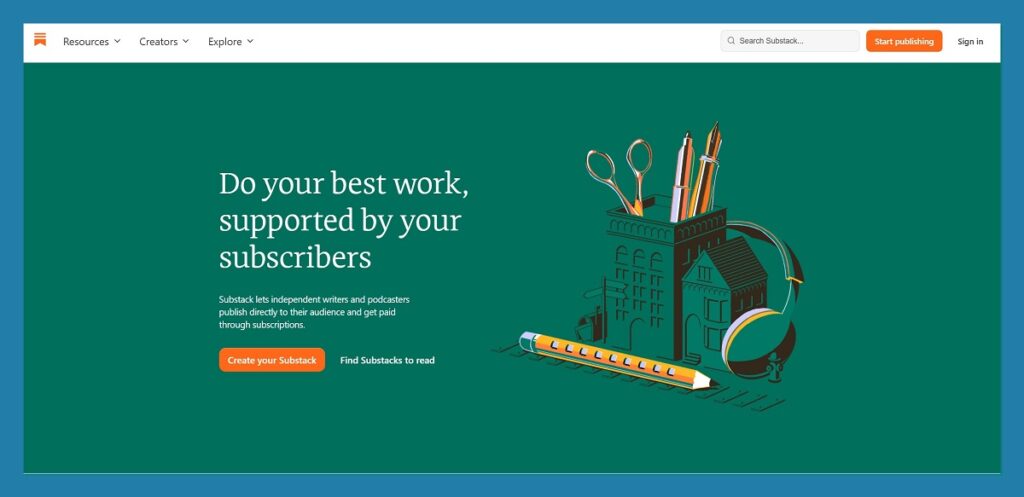
Substack: The Premier Platform for Writers and Newsletters
For writers, journalists, and anyone looking to build a paid readership through email newsletters, Substack stands out as the preeminent platform. It simplifies the process of creating a publication that can be delivered directly to subscribers’ inboxes or accessed via a web interface. Substack prioritizes written content, offering an integrated ecosystem for publishing, monetization, and subscriber management.
From the outset, Substack guides users through setting up their publication, defining free and paid subscription tiers, and publishing their first posts. The interface seamlessly blends blogging and email marketing functionalities, ensuring that content is automatically distributed to the intended audience. A significant advantage of Substack is its all-inclusive nature; it eliminates the need for separate email marketing tools or website plugins, consolidating all necessary features within a single platform. However, this convenience comes at the cost of limited design customization and branding control, which may be a consideration for creators seeking a highly personalized aesthetic.
Key Features of Substack:
- Integrated Email Delivery: Automatic distribution of posts to subscribers.
- Paid Subscriptions: Ability to monetize content with recurring fees.
- Recommendation Network: Cross-promotional opportunities with other Substack writers.
- Free and Paid Tiers: Flexibility in offering different levels of access.
Substack’s Pricing Structure:
- Starting Price: Free to publish.
- Revenue Model: 10% fee on paid subscriptions, plus standard payment processing fees.
Why Substack in 2026?
Substack remains the most direct and efficient platform for writers aiming to monetize their work through newsletters. Its integrated approach to content creation and distribution is particularly effective for building a reader base from scratch, leveraging its built-in recommendation network to foster organic growth.
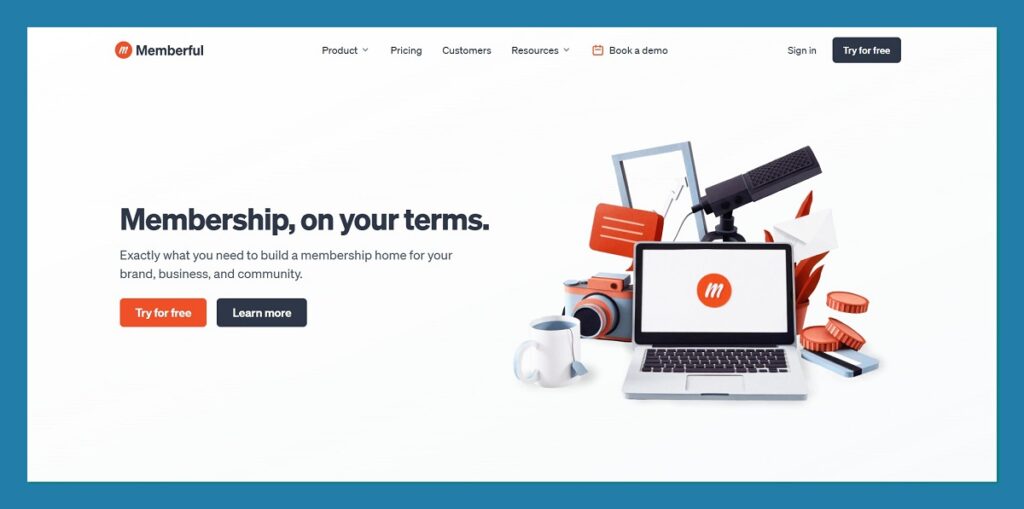
Memberful: Empowering Memberships on Your Own Turf
Memberful offers a distinct advantage for creators who already possess their own website and wish to integrate robust membership functionalities without relinquishing control over their brand or user experience. It is meticulously designed for creators and publishers who aim to offer gated content, exclusive downloads, or members-only newsletters, all hosted directly on their own domain.
Unlike platforms that aim to be standalone communities, Memberful operates as an integration layer, enabling creators to run membership programs seamlessly behind the scenes. This approach is particularly beneficial for those building a long-term brand or seeking greater ownership of their audience data and content. The integration process, while potentially more involved than other platforms, yields a high degree of customization over the checkout experience, content access controls, and automated communication flows.
Key Features of Memberful:
- Website Integration: Seamless embedding into existing websites, especially WordPress.
- Gated Content Access: Control which users can access specific content.
- Customizable Checkout: Tailor the payment and sign-up process.
- Email Integrations: Connect with popular email marketing services.
Memberful’s Pricing Structure:
- Starting Price: Custom pricing, based on features and transaction volume.
- Platform Fee: 4.9% per transaction, in addition to payment processor fees.
Why Memberful in 2026?
Memberful is the ideal choice for creators who maintain their own digital real estate and want to add sophisticated membership features while retaining full brand ownership. It provides the tools to build and manage a community on one’s own terms, offering unparalleled control over the creator-audience relationship.
Podia: The All-in-One Creator Business Hub
Podia distinguishes itself as a comprehensive platform designed for creators looking to manage multiple facets of their digital business under a single roof. It excels in selling online courses, digital products, coaching services, and handling email marketing, offering a robust alternative for those who find Ko-fi’s feature set insufficient for their growing needs.
Podia’s user-friendly interface guides creators through setting up a storefront, creating products, and customizing their page designs with ease. The platform integrates a wide array of essential business tools, including email campaign management, landing page creation, automated product delivery, and customer communication, all accessible from a centralized dashboard. This all-in-one approach significantly reduces the complexity of managing multiple subscriptions and integrations. Podia supports a broad spectrum of offerings, from free products and coupon codes to sophisticated bundles, upsells, and affiliate programs, making it a powerful, business-oriented solution without the overwhelming complexity of a full-scale e-commerce builder.
Key Features of Podia:
- Online Course Creation: Tools for building and selling structured courses.
- Digital Product Sales: Support for ebooks, templates, presets, and more.
- Coaching Services: Facilitate booking and delivery of one-on-one sessions.
- Email Marketing: Built-in tools for sending campaigns and automations.
Podia’s Pricing Structure:
- Mover Plan: $33/month, with a 5% per sale platform fee.
- Shaker Plan: $75/month, with 0% per sale platform fee (excluding payment processor fees).
Why Podia in 2026?
Podia is an excellent choice for creators aiming to build and scale a cohesive digital business. Its integrated suite of tools streamlines the process of selling courses, digital products, and coaching, enabling creators to expand their revenue streams without juggling multiple platforms.
Liberapay: The Zero-Fee Donation Advocate
For creators prioritizing an ethical and cost-effective donation model, Liberapay offers a unique proposition: zero platform fees. This open-source platform is dedicated to facilitating recurring donations without retaining any percentage of the contributions, beyond standard payment processing costs. Liberapay is not designed as a storefront or a membership platform; instead, it serves as a direct channel for audiences to financially support creators’ work through consistent, recurring payments.
The platform is particularly popular among developers, open-source projects, and creators working in public interest spheres who value transparency and minimal overhead. Its minimalist design and straightforward functionality mean there are no marketing tools or complex features, focusing solely on enabling financial support. The setup is basic but effective, allowing creators to share their page and receive contributions without unnecessary distractions.
Key Features of Liberapay:
- Zero Platform Fees: No percentage taken from donations.
- Recurring Donations: Supports weekly, monthly, or yearly contributions.
- Open-Source Platform: Transparency and community-driven development.
- Minimalist Interface: Focuses solely on donation collection.
Liberapay’s Pricing Structure:
- Starting Price: Free.
- Platform Fee: None; only standard payment processing fees apply.
Why Liberapay in 2026?
Liberapay is an ideal option for creators whose audience is deeply committed to their work and who wish to maximize the amount of support received by avoiding platform fees. Its principled approach makes it a compelling choice for those who value ethical monetization models.
Final Considerations: Charting Your Creator Monetization Path
Ko-fi continues to be a valuable tool for creators seeking a simple, low-commitment entry into monetizing their audience. However, for those who have outgrown its capabilities or are ready to professionalize their creative ventures, the alternatives presented offer a spectrum of solutions designed for growth, customization, and diversified income streams.
The choice of platform hinges on a creator’s specific needs, audience engagement style, and long-term business objectives. Whether the goal is to build a paid newsletter with Substack, launch a comprehensive e-commerce store with Payhip or Fourthwall, foster a dedicated community with Patreon, or simply offer digital products efficiently with Gumroad, a suitable option exists.

It is also worth noting that many successful creators employ a multi-platform strategy, utilizing a combination of tools to diversify their revenue and mitigate reliance on a single source. For instance, a creator might use Patreon for exclusive content and Payhip for selling digital products, thereby building a more resilient and robust income stream.
Ultimately, the key is to select a platform that aligns with your creative vision and business strategy, enabling you to scale your operations effectively without compromising your brand or your connection with your audience. By understanding the unique strengths of each alternative, creators can make informed decisions that empower them to thrive in the dynamic creator economy of 2026 and beyond.

 Ammar Sabilarrohman
 Nila Kartika Wati