rifanmuazin
New Services for Merchants Empowering E-commerce Through AI, Expanded Integrations, and Enhanced Logistics
The e-commerce landscape is experiencing a rapid evolution, driven by advancements in artificial intelligence, the increasing demand for seamless customer experiences, and the ongoing optimization of logistical operations. This week, a wave of new services and platform updates have been announced, aimed at equipping merchants with powerful tools to navigate this dynamic market. From AI-driven analytics and conversational commerce assistants to expanded advertising integrations and sophisticated last-mile delivery solutions, businesses are being offered a comprehensive suite of innovations designed to boost efficiency, personalize customer interactions, and ultimately, drive revenue growth.
Intuit Mailchimp Unveils Conversational AI for Marketing Insights
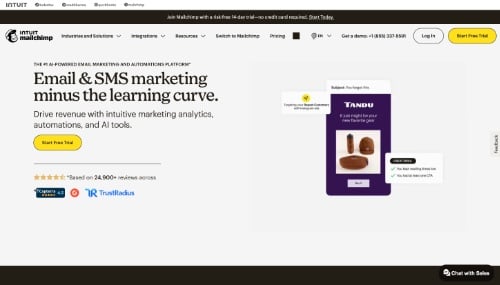
Intuit Mailchimp has taken a significant leap forward in empowering marketers with the launch of its Analytics AI. This innovative conversational agent is designed to provide actionable intelligence by analyzing email and SMS marketing performance across campaigns, audiences, and revenue streams. Marketers can now query their data using plain language, receiving insights not only on performance metrics but also on the underlying causes of changes and recommended next steps. This move signifies a broader industry trend towards making complex data analysis accessible and intuitive, democratizing insights previously requiring specialized expertise.
The integration of Analytics AI is part of a larger strategy by Intuit Mailchimp to deepen its data capabilities and foster more connected customer journeys. Alongside the AI announcement, the platform has expanded its data integrations, now offering seamless connections with Claude, Wix, and WooCommerce. These integrations are crucial for businesses operating across multiple platforms, enabling a unified view of customer data and marketing efforts. For instance, a Wix store owner can now leverage Mailchimp’s enhanced analytics, informed by their e-commerce sales data from WooCommerce, to refine their email marketing campaigns with greater precision. This expansion aims to create a more cohesive ecosystem for small and medium-sized businesses, allowing them to manage their digital presence and customer communications more effectively. The company anticipates that by simplifying data interpretation and fostering cross-platform synergy, businesses will be better equipped to respond to market shifts and optimize their marketing spend.
Reddit Broadens Shopify Integration for Global E-commerce Advertisers
In a move to further solidify its position as a growing advertising platform for e-commerce, Reddit has expanded its integration with Shopify to encompass all global advertisers. This development allows Shopify merchants, regardless of their geographical location, to seamlessly deploy Reddit Dynamic Product Ads. The streamlined process involves quick authorization, a simplified workflow for linking Reddit Ads accounts to Shopify storefronts, the implementation of a Reddit pixel for tracking, and automated catalog syncing.
The core benefit of this integration lies in its efficiency and accuracy. Once a merchant’s Shopify catalog is connected, product details such as images, pricing, descriptions, and inventory levels are automatically updated on Reddit. This ensures that advertisements remain current and reflective of the merchant’s stock, minimizing the risk of promoting out-of-stock items and enhancing the user experience for potential customers. For Shopify merchants, this opens up a powerful new channel to reach Reddit’s engaged user base, tapping into communities and discussions relevant to their products. The platform’s ability to dynamically serve personalized product ads based on user interests and browsing behavior is a key driver for this expansion. Industry analysts suggest that such integrations are vital for social media platforms aiming to capture a larger share of the e-commerce advertising market, providing advertisers with direct access to sales-driving tools.
DHL and USPS Forge Extended Partnership for Last-Mile Delivery Dominance
DHL eCommerce has announced a significant multi-year contract renewal with the United States Postal Service (USPS), reinforcing their strategic alliance for last-mile parcel delivery services across the U.S. This extended partnership underscores the critical role of robust and expansive delivery networks in the burgeoning e-commerce sector. Under the agreement, DHL eCommerce will continue to manage nationwide parcel pickup, sortation across its extensive network of 19 hubs, and transportation via its air and ground operations. The crucial final leg of delivery will then be undertaken by the USPS, leveraging its unparalleled reach.

The USPS’s established infrastructure, which serves 41,550 ZIP codes and reaches 170 million delivery points six days a week, makes it an indispensable partner for any large-scale logistics operation in the United States. This collaboration allows DHL eCommerce to offer a comprehensive delivery solution that combines its operational efficiency with the USPS’s last-mile penetration. For e-commerce businesses, this translates to more reliable and potentially faster delivery times, even to remote areas. The financial scale of this agreement, estimated to be in the billions, signals a strong commitment from both entities to the future of parcel delivery. Experts view this as a strategic move to ensure competitive pricing and service quality in a market increasingly defined by delivery speed and customer expectations. The ongoing reliance on USPS by major logistics players highlights its enduring importance in the American retail ecosystem, despite ongoing discussions about its financial sustainability.
Affirm and Stripe Unite to Enhance Flexible Payment Options in the UK
In a significant move to bolster e-commerce capabilities for British businesses, Stripe and Affirm have announced an expanded partnership that will bring Affirm’s buy-now, pay-later (BNPL) services to Stripe merchants across the United Kingdom. Beginning in July, UK-based businesses utilizing Stripe for their online transactions will have the option to integrate Affirm directly into their checkout process. This collaboration aims to provide consumers with greater payment flexibility, potentially increasing conversion rates and average order values for merchants.
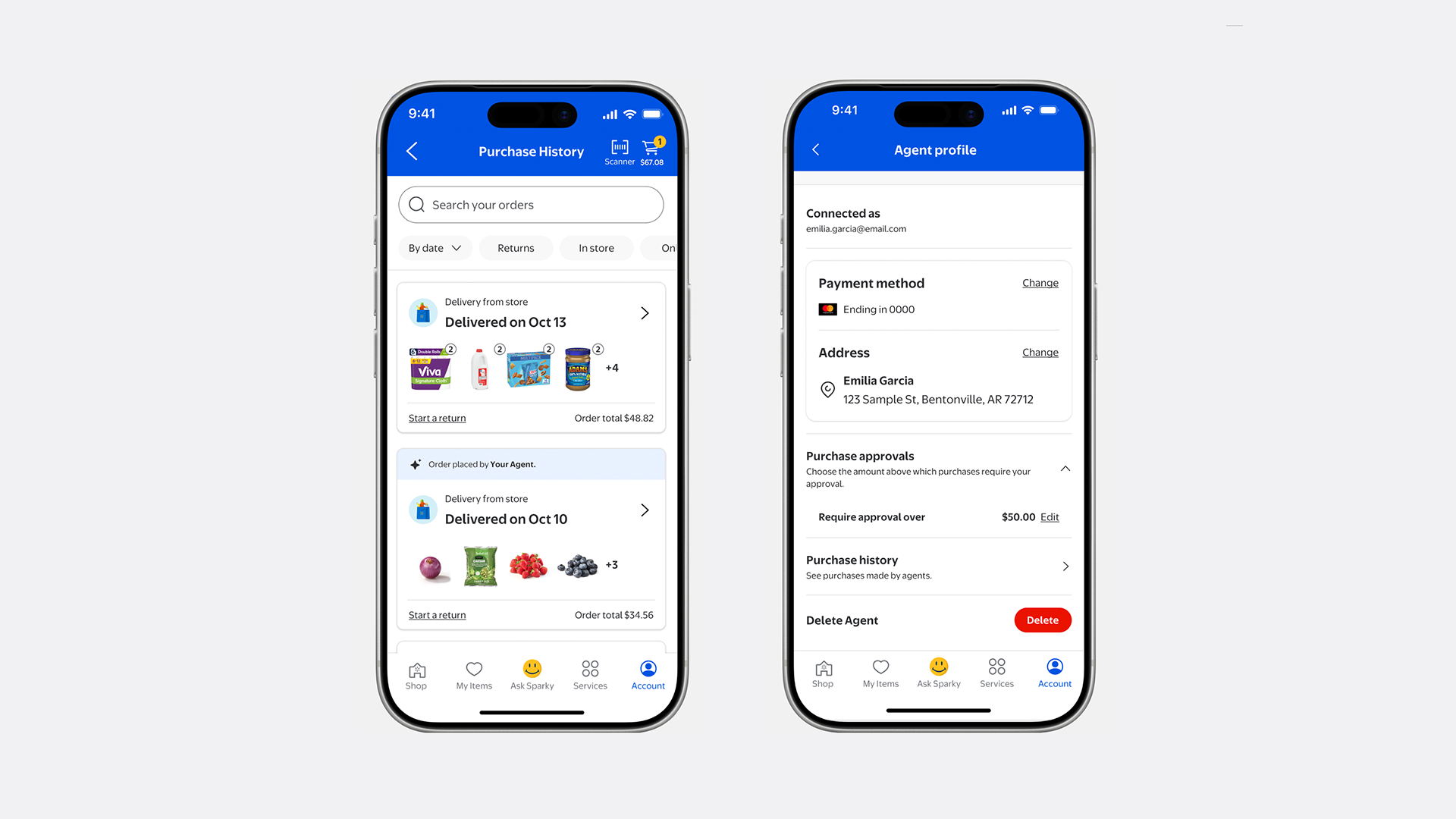
Beyond immediate payment solutions, Affirm and Stripe are also exploring the future of commerce through a joint focus on AI-powered payments. Their collaboration aims to make transactions more seamless and transparent, particularly as “agentic experiences” – where AI agents independently perform tasks on behalf of users – become more prevalent. This forward-looking approach suggests a shared vision for how AI will reshape the payment landscape, making it more intuitive and customer-centric. For UK merchants, this partnership offers a dual benefit: immediate access to a popular payment method and a glimpse into the future of AI-driven commerce. The integration of BNPL services is a well-established strategy for reducing cart abandonment, and its expansion into the UK market via a trusted payment processor like Stripe is expected to be well-received by both businesses and consumers. Analysts anticipate that this move will further normalize BNPL options and potentially spur further innovation in payment technologies.
Global-e Acquires Passport to Bolster Cross-Border Logistics Capabilities
Global-e Online, a prominent direct-to-consumer (DTC) e-commerce platform, has announced its agreement to acquire Passport Global, a U.S.-based company specializing in cross-border logistics. This strategic acquisition is poised to significantly enhance Global-e’s logistics infrastructure, particularly its ability to manage complex international shipments. The integration of Passport’s expertise and network is expected to strengthen Global-e’s offering by incorporating advanced standard shipping solutions powered by a multi-carrier network that spans cross-border, domestic, and last-mile deliveries.
The acquisition aligns with the growing demand for streamlined international shipping, a critical component for DTC brands seeking to expand their global reach. By bolstering its logistics capabilities, Global-e aims to provide its merchant clients with more efficient, cost-effective, and reliable shipping options for their international customers. This move is particularly significant in an era where supply chain resilience and transparency are paramount. The addition of Passport’s capabilities is projected to improve delivery times, reduce shipping costs, and offer greater visibility throughout the shipping process, thereby enhancing the overall customer experience for cross-border shoppers. Industry observers note that such consolidation in the logistics sector is a natural progression as e-commerce continues its global expansion, with companies seeking to gain economies of scale and comprehensive service offerings.
AWS Launches Agentic Shopping Assistant Platform for Retailers
Amazon Web Services (AWS) has unveiled a new AI retail platform designed to empower retailers to build sophisticated, AI-powered shopping experiences. This platform leverages the extensive learnings and expertise gained from developing Amazon’s own AI shopping assistant, Alexa for Shopping. Packaged as an “agentic shopping assistant on AWS,” the new offering provides a robust technical foundation, complete with architecture guidance, starter code, and dedicated support from AWS experts and system integrator partners. The goal is to enable merchants to launch their own conversational shopping experiences that are tailored to their specific brand identity and domain expertise.
This initiative represents a significant step in democratizing advanced AI capabilities for the retail sector. By making the underlying technology and architectural blueprints available, AWS is lowering the barrier to entry for businesses looking to implement conversational commerce. Each deployment is intended to be highly customizable, allowing retailers to infuse their unique brand voice and product knowledge into the AI assistant. This ensures that the customer experience remains authentic and aligned with the brand’s identity, rather than a generic, one-size-fits-all solution. The implication is a future where shoppers can interact with online stores through natural language, receiving personalized recommendations, instant answers to queries, and a more intuitive purchasing journey, much like interacting with a knowledgeable sales associate. This move by AWS could accelerate the adoption of agentic commerce, transforming how consumers engage with online retail.
Shopopop Eyes U.K. Expansion with Crowdshipping Model
Shopopop, a France-based crowdshipping platform, has set its sights on the United Kingdom, announcing plans to launch its innovative delivery model in the U.K. market. The company’s unique approach connects retailers with local individuals, dubbed “crowdshippers,” who undertake the delivery of groceries and other goods within their own communities. This peer-to-peer delivery system aims to offer a flexible, localized, and potentially faster alternative to traditional delivery services.
Shopopop is actively pursuing partnerships with major U.K. retailers, with a stated goal of securing at least one significant retail collaboration by the end of 2026. The company has reportedly engaged in discussions with prominent names such as Asda, Co-op, Kingfisher, Morrisons, and Tesco. This ambitious expansion strategy highlights a growing interest in the crowdshipping model as a means to optimize last-mile logistics, particularly in urban and suburban areas. By utilizing a network of local individuals, Shopopop can potentially reduce delivery times and costs, while also creating flexible earning opportunities for crowdshippers. The success of this venture will depend on its ability to integrate seamlessly with the operational demands of large retailers and to build a reliable network of crowdshippers. The U.K. market, with its dense population and established retail infrastructure, presents a fertile ground for such an innovative delivery solution.
Taggbox Enhances Social Media Widgets for Conversion Optimization
Taggbox, a platform specializing in social media aggregation and user-generated content (UGC), has introduced significant enhancements to its social media widget. The updated widget is designed to empower businesses to more effectively leverage social proof and customer engagement to drive website conversions. According to Taggbox, the widget allows businesses to seamlessly display social media feeds on their websites, showcase UGC, highlight positive customer experiences, and more.
The core functionality of the enhanced widget includes robust content aggregation from a wide array of leading social media platforms. Furthermore, Taggbox emphasizes its advanced customization capabilities, enabling businesses to align their social feeds with their website’s branding, layouts, and overall design aesthetic. This ensures a cohesive and professional online presence, where social content feels like an integrated part of the website experience rather than an add-on. For e-commerce businesses, integrating social proof directly onto product pages or the homepage can significantly influence purchasing decisions, build trust, and create a sense of community around the brand. The ability to curate and display authentic customer content is a powerful marketing tool, and Taggbox’s updated widget aims to make this process more efficient and impactful. The platform’s focus on conversion optimization suggests a clear understanding of how social media can be strategically employed to achieve tangible business outcomes.
Attentive Rolls Out Next-Generation Agentic AI Marketing Platform
Attentive, a recognized player in the omnichannel marketing space, has announced the release of its next-generation agentic AI. This advanced platform is engineered to empower brands in identifying shoppers, personalizing customer experiences across various channels, and boosting marketing performance. Attentive’s capabilities now extend across SMS, email, RCS, and push notifications, offering a unified approach to customer engagement. The latest update introduces several key features, including Brand Voice 2.0, which allows for more nuanced and brand-aligned AI-generated content; a Reporting Agent designed to provide automated performance summaries; Predictive Analytics for proactive campaign optimization; and AI Campaigns, which streamline the creation and deployment of AI-driven marketing initiatives.
The introduction of Brand Voice 2.0 is particularly noteworthy, as it addresses a critical challenge in AI marketing: maintaining brand consistency and authenticity. By enabling AI to adopt specific brand tones and styles, Attentive is enhancing the personalization of customer interactions. The Reporting Agent and Predictive Analytics features signify a move towards more automated and data-driven marketing strategies, allowing businesses to gain insights and make adjustments more rapidly. AI Campaigns further simplify the execution of these strategies, making sophisticated AI-powered marketing more accessible. The overall impact of these advancements is expected to be a significant improvement in customer engagement and marketing ROI, as brands can deliver more relevant and timely messages to their audiences through a variety of channels. This evolution in agentic AI marketing underscores the industry’s increasing reliance on intelligent automation to drive personalized customer journeys.
Selltonomy Launches AI Buyability Platform for E-commerce Audits
Selltonomy has introduced its AI Buyability platform, a novel solution designed to help e-commerce merchants assess and ensure their storefronts are ready for purchases made by AI agents. As AI-driven commerce continues to emerge, the ability for these agents to seamlessly complete transactions on a merchant’s website becomes crucial. Selltonomy’s platform conducts comprehensive audits of storefront infrastructure, identifying and rectifying hidden technical glitches that could impede AI-assisted purchases.
The platform’s audits focus on critical areas such as structured data inconsistencies, conflicting pricing signals, ambiguous inventory states, and checkout friction points. By systematically addressing these issues, Selltonomy aims to prevent lost sales and improve the overall experience for both AI agents and human shoppers. Notably, the Selltonomy platform is designed to be platform-agnostic, offering support for a wide range of popular e-commerce solutions including Shopify, WooCommerce, BigCommerce, Magento, Wix, Squarespace, and custom-built stacks. This broad compatibility makes it a versatile tool for businesses of all sizes and technological infrastructures. The advent of AI agents as consumers necessitates a new level of technical readiness for online stores, and Selltonomy’s AI Buyability platform directly addresses this emerging need, ensuring that merchants can capitalize on the growing trend of agentic commerce.
PixExact Unveils AI Design Platform for Marketing Asset Creation
PixExact, an AI-powered design platform, has expanded its suite of tools with the introduction of its AI Flyer Generator and enhanced e-commerce visual workflow. This development offers businesses, marketers, and creators a significantly faster method for producing precisely sized marketing assets for their campaigns. The platform is designed to eliminate the need for traditional, time-consuming design software, enabling users to generate a variety of visual content efficiently.
The AI platform assists users in creating a wide range of marketing materials, including flyers, e-commerce banners, product campaign visuals, social media graphics, and promotional images. Users can define their specific requirements, such as the purpose of the asset, desired style, layout direction, key messaging, and exact dimensions. The AI then generates these assets based on the provided parameters. This capability is particularly valuable for businesses that require a high volume of visually appealing marketing collateral across various channels. By streamlining the design process, PixExact empowers merchants to respond more quickly to market trends, launch new campaigns with greater agility, and maintain a consistent visual identity across all their promotional efforts. The platform’s focus on exact sizing is critical for ensuring that assets are optimized for their intended platforms, whether it be a specific social media ad size or a banner for an e-commerce homepage.
Nayax Integrates AI for Enhanced Product Discovery in Retail
Nayax, a comprehensive payments platform, has launched new AI-powered product discovery and personalization capabilities. These features are designed to enable retailers to leverage real-time data and intelligent recommendations to enhance the customer shopping experience. By analyzing shopper data across various touchpoints – including point-of-sale (POS) systems, e-commerce platforms, and marketing engagement systems – Nayax’s AI can drive more effective visual and text search functionalities, deliver personalized product recommendations, and offer cross-platform solutions integrated into Nayax’s retail platform.

The integration of AI into product discovery is a critical step in modern retail, moving beyond basic search to offer a more curated and personalized shopping journey. For retailers, this means the potential to increase sales by presenting customers with products they are more likely to be interested in, thereby improving conversion rates and customer satisfaction. The ability to aggregate data from disparate sources and apply AI to derive actionable insights is a key advantage of Nayax’s approach. This holistic view of the customer allows for a deeper understanding of their preferences and behaviors, leading to more impactful recommendations. In an increasingly competitive retail environment, personalized product discovery is becoming a key differentiator, and Nayax’s offering positions retailers to take advantage of this trend.
SumUp Launches Online Booking Service for U.S. Small Businesses
SumUp, a global financial technology company, has introduced SumUp Bookings, an all-in-one online scheduling and appointment booking tool specifically for U.S. service-based businesses. This new service aims to help small businesses efficiently manage their calendars, secure appointments, and protect their revenue streams. Integrated directly within the existing SumUp ecosystem, SumUp Bookings allows merchants to manage appointments, automate confirmation and reminder notifications, and accept payments, all from a single, unified platform.
The launch of SumUp Bookings addresses a critical need for service-based businesses, such as salons, spas, consultants, and tradespeople, who rely on scheduled appointments to generate income. By offering a streamlined online booking system, SumUp empowers these businesses to reduce the administrative burden of manual scheduling, minimize no-shows through automated reminders, and provide a convenient booking experience for their clients. The integration with SumUp’s existing payment solutions, including its Terminal, POS Lite, Card Readers, and Invoicing services, creates a comprehensive business management toolkit. This synergy allows small business owners to manage both their service delivery and their financial transactions seamlessly, freeing up time to focus on their core operations and customer service. The move signifies SumUp’s commitment to expanding its offerings beyond payment processing to provide a more holistic suite of tools for small business success.
Goflow Launches eBay Listing Publisher for Multichannel Sellers
Goflow, a multichannel e-commerce operating system, has released its eBay Listing Publisher, a new feature within its Catalog Publishing suite. This tool is designed to assist sellers who operate across multiple channels by enabling them to create eBay listings directly from product data stored within their Goflow catalog. The introduction of this feature marks an expansion of Goflow’s catalog publishing capabilities for eBay, adding to its existing framework that supports listings on major platforms such as Amazon, Shopify, Target, Walmart, Shein, and Nocnoc.
For multichannel sellers, managing product listings across numerous platforms can be a complex and time-consuming task. Goflow’s eBay Listing Publisher aims to simplify this process by centralizing product information and allowing for efficient creation and management of eBay listings. By leveraging existing product data, sellers can ensure consistency in their product information across all channels and reduce the potential for errors. This streamlined approach to listing management is crucial for optimizing sales performance and maintaining brand integrity across the e-commerce landscape. The platform’s support for a diverse range of marketplaces highlights its commitment to providing a comprehensive solution for businesses seeking to scale their operations across multiple online sales channels.
SourceHound Launches AI-Powered Sourcing Platform for Resellers
SourceHound has launched a new AI-powered sourcing platform aimed at assisting merchants, resellers, and collectors in identifying profitable inventory opportunities. The platform integrates live marketplace monitoring, resale intelligence, and margin analysis into a unified workflow, designed to streamline the process of finding valuable items for resale. SourceHound’s technology focuses on surfacing inventory opportunities across a wide range of categories, including vintage media, luxury goods, collectibles, and high-demand pre-owned items.

The platform’s core functionality lies in its ability to analyze vast amounts of data to identify potential profit margins and market demand. Users can define specific criteria for their sourcing needs, and the AI will then identify inventory opportunities based on historical resale trends, estimated margins, and current marketplace demand signals. This data-driven approach empowers resellers to make more informed purchasing decisions, reducing the risk associated with acquiring inventory and increasing the likelihood of profitable sales. In the competitive resale market, having access to intelligent sourcing tools can provide a significant advantage, enabling businesses to stay ahead of trends and identify niche opportunities. SourceHound’s platform represents a modern approach to inventory acquisition, leveraging AI to optimize the sourcing process for increased efficiency and profitability.
Sellyze.ai Introduces Marketplace-Agnostic Product Intelligence
Sellyze.ai has launched its research tool, positioning itself as the first marketplace-agnostic AI product intelligence platform. The platform is designed to transform competitor reviews into actionable “product blueprints,” effectively eliminating guesswork in the product development process. By reading, classifying, and interpreting thousands of data points from customer reviews, Sellyze.ai aims to provide sellers with clear guidance on what products to build and how to source them.
Users can initiate the process by pasting a product link into the Sellyze.ai platform. The AI engine then extracts and analyzes up to 5,000 recent and historical customer reviews. This detailed analysis reveals insights into customer pain points, desired features, and overall product satisfaction, which can then be used to inform product design, feature development, and marketing strategies. The marketplace-agnostic nature of Sellyze.ai means it can be used by sellers across various e-commerce platforms, providing a universal tool for product research and development. In a market where product differentiation is key, tools that offer deep consumer insights derived from authentic feedback are invaluable for businesses looking to create successful products that resonate with their target audience.
Alibaba International’s Pic Copilot Partners with Google Ads
Pic Copilot, an AI-powered creative platform developed by Alibaba International, has announced an integration with Google Ads. This partnership aims to empower e-commerce operators to more effectively create and launch display ads on the Google network. Pic Copilot provides one-click AI applications designed to drive e-commerce growth, including the generation of video content for social media and a product page design generator for creating compelling storefront visuals.
The integration with Google Ads allows businesses to leverage Pic Copilot’s AI capabilities to produce targeted advertising campaigns directly within the Google Ads ecosystem. This synergy is expected to enhance the efficiency and effectiveness of online advertising efforts, particularly for businesses operating on Alibaba International’s platform. Pic Copilot leverages Alibaba International’s extensive ecosystem to train its AI on real-world scenarios, ensuring that its creative outputs are relevant and effective in driving e-commerce sales. For merchants looking to expand their reach and optimize their advertising ROI, this partnership offers a powerful combination of AI-driven creative generation and a leading advertising platform. The ability to quickly produce high-quality ad creatives that are optimized for Google Ads can significantly impact a business’s ability to capture customer attention and drive traffic to their online stores.

 Raul Delapena Setiawan
 Ammar Sabilarrohman