

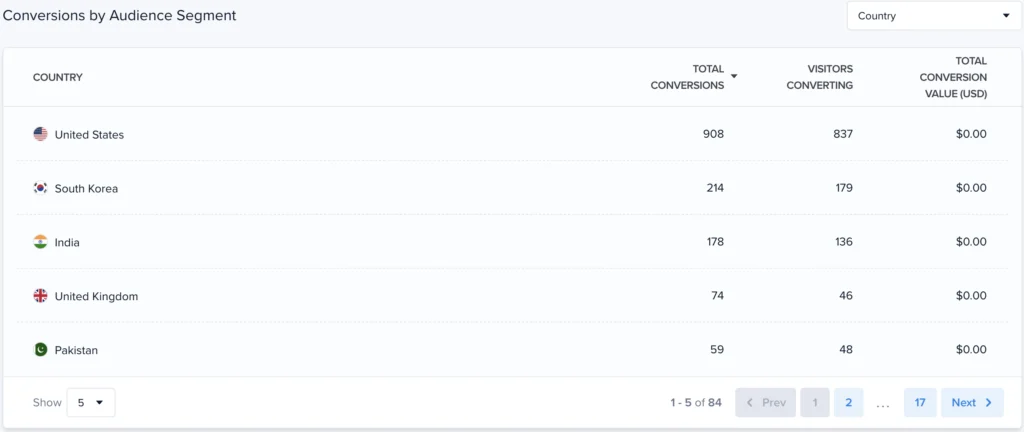
Crazy Egg, a pioneer in the field of heatmapping and conversion rate optimization (CRO), has announced a significant update to its analytics platform, introducing the ability for users to analyze conversion performance through the lens of specific Audience Segments. This update allows digital marketers, UX designers, and business owners to dissect their conversion data with unprecedented granularity, identifying exactly which subsets of visitors are performing best and where optimization efforts should be prioritized. By integrating these segments directly into the Conversions report, the platform provides a more nuanced understanding of user behavior without requiring any additional tracking implementation or code modifications.
The rollout of Audience Segments for Conversions marks a pivotal shift in how Crazy Egg users can interpret the efficacy of their digital funnels. Historically, conversion tracking provided a macro-level view of success—tracking whether a user completed a desired action, such as a purchase, a newsletter sign-up, or a form submission. With this latest enhancement, users can now break down these successes by categories such as device type, browser, operating system, and referral source. This level of detail is designed to help businesses move beyond “what” is happening on their site and delve deeper into “who” is driving those results and “why” certain groups may be lagging behind.
The Strategic Importance of Audience Segmentation in CRO
The digital landscape is increasingly fragmented, with users accessing websites through a vast array of devices, browsers, and network conditions. A website that performs flawlessly on a desktop running Chrome might experience friction on a mobile device using Safari. Without segmented data, these discrepancies are often hidden within average conversion rates, leading to “data blindness” where high-performing segments mask the failures of underperforming ones.
By surfacing Audience Segment data, Crazy Egg is addressing a core challenge in the conversion rate optimization industry. For instance, if a business notices that its overall conversion rate is 3%, but the Audience Segment data reveals that mobile users are converting at 0.5% while desktop users are at 7%, the path to improvement becomes immediately clear. This allows marketing teams to reallocate ad spend toward high-converting segments or task development teams with fixing mobile-specific UI/UX issues.
Furthermore, the update highlights the importance of referral data. Understanding which traffic sources—be it organic search, social media, or specific paid campaigns—yield the highest quality conversions allows for more efficient budget management. It shifts the focus from vanity metrics, such as total traffic volume, to high-value metrics like Cost Per Acquisition (CPA) and Return on Ad Spend (ROAS).
Technical Implementation and Retroactive Data Availability
One of the most notable features of this update is its seamless integration into the existing Crazy Egg ecosystem. The company has confirmed that Audience Segment data is viewable for any conversions previously tracked within the platform. This retroactive capability is a significant advantage for data analysts, as it eliminates the “waiting period” typically associated with new tracking features. Users do not need to wait for new data to accumulate; they can immediately apply these filters to historical data to identify trends over time.
The technical overhead for this update is non-existent for current users. Because Crazy Egg’s tracking script already captures various metadata points—such as the user’s browser, device, and referral source—the platform is simply surfacing this existing data within the Conversions dashboard. This “no-code” approach aligns with the broader industry trend of making complex data science accessible to non-technical stakeholders.
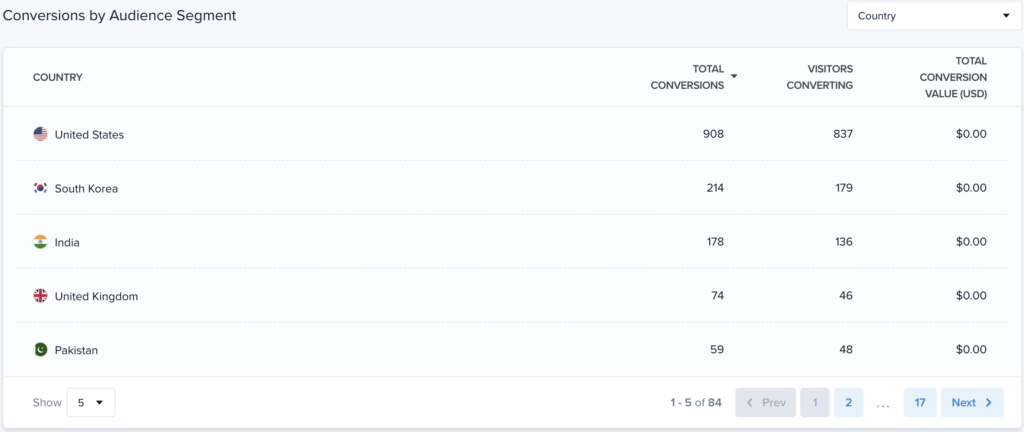
To access these insights, users are directed to navigate to the “Conversions” section of their Crazy Egg dashboard. By selecting a specific “Conversion Name,” the platform generates a detailed report. Scrolling to the bottom of this report reveals the “Conversions by Audience Segment” table, which provides a comparative view of conversion rates, total conversions, and visitor counts across different segments.
Chronology of Innovation at Crazy Egg
Founded in 2005 by Hiten Shah and Neil Patel, Crazy Egg was one of the first tools to popularize heatmapping technology, which visualizes where users click and how they scroll. Over the nearly two decades since its inception, the company has consistently evolved its product roadmap to stay ahead of the changing needs of the digital economy.
- 2005–2010: The Early Years focused on visual click-tracking and scroll maps, providing a qualitative look at user engagement.
- 2011–2018: The platform expanded into A/B testing and snapshots, allowing users to not only see behavior but also test changes to improve it.
- 2019–2022: Crazy Egg introduced more robust conversion tracking and session recordings, moving toward a comprehensive “all-in-one” CRO suite.
- 2023–Present: The focus has shifted toward data integration and granular reporting. The introduction of Audience Segments for Conversions represents the latest step in this evolution, bridging the gap between qualitative heatmaps and quantitative analytics.
This chronology reflects a broader shift in the martech (marketing technology) industry. Where once it was enough to see where people clicked, modern businesses now require integrated data that connects behavior to the bottom line.
Market Context and Competitive Landscape
The introduction of granular segmentation puts Crazy Egg in a stronger position relative to competitors like Hotjar, Mouseflow, and even Google Analytics 4 (GA4). While GA4 offers extensive segmentation, it is often criticized for its steep learning curve and complex interface. Crazy Egg’s strategy appears to be providing “GA4-level” insights within a more user-friendly, visual-centric environment.
Recent industry reports suggest that the global Conversion Rate Optimization software market is expected to grow significantly through 2030. This growth is driven by the rising costs of digital advertising; as it becomes more expensive to acquire traffic, businesses are forced to become more efficient at converting the traffic they already have. Tools that offer clear, actionable insights into audience behavior are becoming essential components of the modern marketing stack.
According to data from Econsultancy, only about 22% of businesses are satisfied with their conversion rates. The primary barrier cited is often a lack of understanding of user friction points. By providing a breakdown of conversions by audience segment, Crazy Egg is directly targeting this dissatisfaction, offering a diagnostic tool to pinpoint exactly where friction occurs for specific user groups.
Analysis of Implications for Digital Strategy
The implications of this update extend beyond simple reporting. For digital strategists, this data serves as a roadmap for several key areas of business growth:
1. Optimization of Ad Spend:
By identifying which referral sources lead to the highest conversion rates, marketers can move away from broad-spectrum advertising and focus on high-yield channels. If “Referrer A” brings in 10,000 visitors with a 0.1% conversion rate, and “Referrer B” brings in 1,000 visitors with a 5% conversion rate, the choice of where to invest is clear.
2. Personalization and User Experience:
Audience segments can reveal preferences that vary by device or location. If mobile users are converting at a high rate on a specific landing page but desktop users are not, it may suggest that the desktop version of the page is too cluttered or fails to communicate the value proposition effectively for a larger screen.
3. Technical Troubleshooting:
A sudden drop in conversion rates for a specific browser segment (e.g., Firefox users) is a classic red flag for a technical bug. Previously, such a drop might have been diluted in the overall conversion data, making it harder to spot. Now, it becomes immediately apparent in the Audience Segment report.
4. Stakeholder Communication:
For agencies and in-house teams, these reports provide clear, visual evidence to justify budget requests or design changes. Being able to show a CEO that “Chrome users on Android have a 40% higher bounce rate” provides a data-backed rationale for a mobile-first redesign.
Expected Industry Response and Future Outlook
Industry analysts expect a positive reception to this update, particularly among small to medium-sized enterprises (SMEs) that require sophisticated data without the need for a full-time data scientist. The ability to see “who to work on converting better” aligns with the move toward customer-centric marketing.
Looking forward, the logical next step for Crazy Egg and its peers is likely the integration of artificial intelligence to automate these insights. While the current update requires the user to look at the data and draw conclusions, the future of the platform may involve AI-driven alerts that notify users when a specific audience segment’s performance deviates from the norm.
In conclusion, the addition of Audience Segments to Crazy Egg’s Conversion reports is more than a minor feature update; it is a strategic enhancement that empowers users to make more informed, data-driven decisions. By providing a clearer picture of the relationship between audience characteristics and conversion outcomes, Crazy Egg continues to solidify its role as a vital tool for businesses looking to maximize their online performance. As the digital marketplace continues to evolve, the ability to parse complex visitor data into actionable segments will remain a cornerstone of successful digital strategy.







