

Adalysis, the award-winning Pay-Per-Click (PPC) management software provider, has unveiled an extensive and highly read series of articles focused on PPC Key Performance Indicator (KPI) monitoring. This initiative, developed over several months, aims to provide advertisers with deep insights and actionable strategies for effectively tracking and analyzing their PPC campaign performance. The series, published on the Adalysis blog, has garnered significant attention and is being highlighted on the bgTheory blog as an essential resource for anyone involved in digital advertising.
The comprehensive series delves into the critical aspects of PPC KPI monitoring, offering a detailed exploration of how to measure, understand, and optimize campaign results. The articles are designed to cater to a wide audience, from novice advertisers seeking foundational knowledge to seasoned professionals looking for advanced techniques and data-driven insights. By addressing common challenges and providing practical solutions, Adalysis seeks to equip its audience with the tools necessary to navigate the complexities of the digital advertising landscape and achieve superior return on investment (ROI).
The core of this educational initiative revolves around demystifying the intricate world of PPC metrics. In the realm of digital marketing, PPC advertising represents a significant investment for businesses aiming to reach target audiences and drive conversions. The success of these campaigns hinges on meticulous monitoring of various KPIs, which act as thermometers for campaign health and effectiveness. Without a robust understanding of these indicators, advertisers risk misallocating budgets, missing out on valuable opportunities, and ultimately failing to achieve their marketing objectives. Adalysis’s commitment to providing this in-depth educational content underscores its dedication to fostering a more informed and data-driven advertising ecosystem.
The Pillars of PPC KPI Monitoring: A Deep Dive
The Adalysis PPC KPI Monitoring series is structured to systematically guide readers through the essential components of effective performance analysis. While the full scope of the series is extensive, key themes explored include:

- Understanding Core PPC Metrics: The series likely begins by defining and explaining fundamental PPC metrics such as Click-Through Rate (CTR), Cost Per Click (CPC), Conversion Rate, Cost Per Acquisition (CPA), Return on Ad Spend (ROAS), and Impression Share. Each metric is crucial for different aspects of campaign evaluation, and understanding their interplay is vital for comprehensive analysis. For instance, a high CTR might indicate compelling ad copy, but if the conversion rate is low, it suggests a disconnect between the ad’s promise and the landing page experience.
- Setting Relevant KPIs: Beyond understanding metrics, the series emphasizes the importance of selecting KPIs that align with specific business goals. A campaign focused on brand awareness will have different primary KPIs than one aimed at direct sales. Adalysis likely guides readers on how to define SMART (Specific, Measurable, Achievable, Relevant, Time-bound) KPIs for their unique objectives.
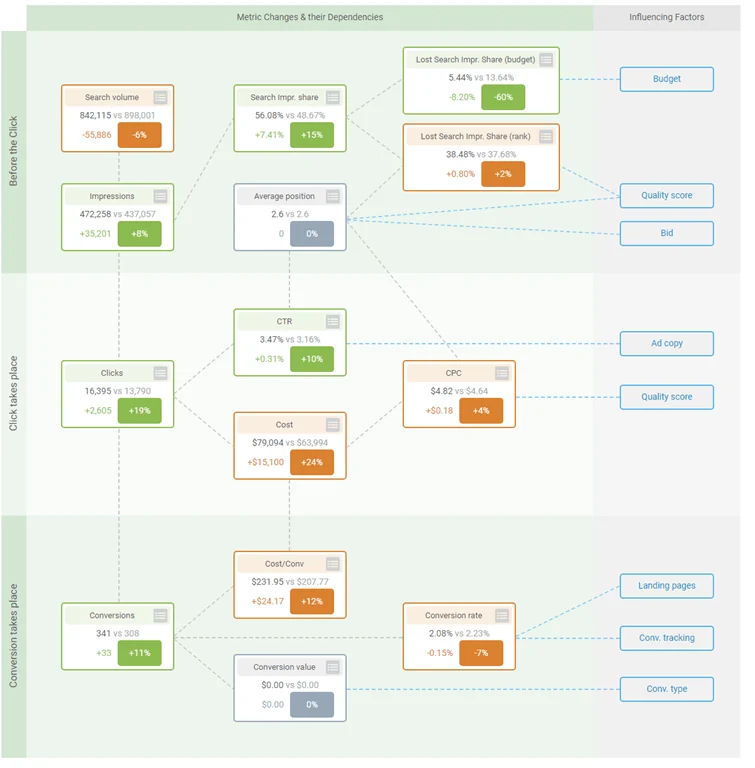
- Data Visualization and Reporting: Effective communication of performance data is paramount. The series likely covers best practices for creating clear and actionable reports, utilizing dashboards, and leveraging data visualization tools to identify trends, anomalies, and areas for improvement. The inclusion of sample images within the announcement suggests a focus on visual aids that can simplify complex data.
- Diagnostic Tools and Techniques: A significant portion of the series is dedicated to the "how" and "why" behind performance fluctuations. This includes not only identifying what is happening but also diagnosing why it is happening. The upcoming article, "KPI Monitoring & Diagnosis: Why Does the Number of Clicks You Receive Change Over Time?", exemplifies this diagnostic approach, promising to unravel the factors influencing one of the most fundamental PPC metrics.
- Optimization Strategies: Ultimately, KPI monitoring is a means to an end: optimization. The series undoubtedly provides actionable strategies for improving campaign performance based on the insights gained from monitoring. This could include A/B testing ad copy, refining targeting parameters, optimizing landing pages, adjusting bidding strategies, and reallocating budgets.
The Chronology of Campaign Performance: A Continuous Evolution
The announcement highlights that the PPC KPI Monitoring series has been in development for "the last few months," indicating a phased release of content designed to build a narrative and provide a progressive learning experience. While specific dates for each article within the series are not provided, the mention of a "story so far" implies a structured progression of topics.
The upcoming article, "KPI Monitoring & Diagnosis: Why Does the Number of Clicks You Receive Change Over Time?", serves as a focal point, suggesting that the series is moving into deeper analytical territory. This particular topic addresses a common point of concern for advertisers: the inherent volatility of PPC campaign performance. Clicks, a primary driver of traffic, can fluctuate due to a multitude of factors, including seasonality, competitor activity, changes in platform algorithms, economic conditions, and even shifts in consumer behavior.
Understanding these dynamics requires a sophisticated approach to data analysis. The ability to not only observe a change in clicks but also to diagnose the underlying causes is crucial for timely and effective intervention. For example, a sudden drop in clicks might be attributed to an increase in competitor bids, a change in search query popularity, or a technical issue with ad serving. Conversely, an unexpected surge could be due to a successful promotional campaign, a trending topic, or an optimization tweak that has yielded positive results.
Supporting Data and Expert Insights: The Foundation of Adalysis’s Approach
The inclusion of visual aids in the announcement—sample images showcasing what appear to be data dashboards and analytical interfaces—reinforces the data-driven methodology underpinning Adalysis’s educational content. These visuals likely represent the types of insights advertisers can gain through diligent KPI monitoring. For instance, charts illustrating trends in impression share, conversion rates by device, or CPA by keyword can quickly reveal performance patterns that might be missed in raw data tables.
While specific data points from the series are not detailed in the announcement, the context of Adalysis, an award-winning PPC management software, suggests that the content is informed by real-world data and best practices derived from its platform’s capabilities. The software itself likely leverages sophisticated algorithms and analytics to help users monitor and optimize their campaigns. Therefore, the articles are expected to translate these technical capabilities into understandable and actionable advice for users.

The emphasis on "award-winning" status further implies a level of expertise and recognition within the industry, lending credibility to the insights shared in the series. Such recognition often stems from delivering tangible results for clients and innovating within the PPC management space.
Industry Reactions and Implications: Empowering the Advertising Community
The announcement of such a comprehensive series on PPC KPI monitoring by a recognized industry player like Adalysis is likely to be met with positive reception from advertisers, agencies, and digital marketing professionals.
- For Advertisers: This series offers a valuable opportunity to enhance their understanding of PPC performance. By equipping themselves with the knowledge to effectively monitor KPIs, businesses can make more informed decisions, optimize their ad spend, and ultimately achieve a higher return on their marketing investments. This is particularly critical in today’s competitive digital landscape where efficiency and effectiveness are paramount.
- For Agencies: Digital marketing agencies that manage PPC campaigns for clients can leverage this series to further refine their strategies and client reporting. The in-depth analysis and diagnostic approaches presented can help agencies provide more sophisticated insights and demonstrate greater value to their clients.
- For the Industry: By making such in-depth knowledge accessible, Adalysis contributes to the overall maturity of the PPC advertising industry. A better-informed advertiser base leads to more efficient markets, more effective campaigns, and ultimately, a more robust digital economy.
The availability of the entire series via a dedicated category page on the Adalysis blog (https://adalysis.com/blog/category/ppc-management/performance-analyzer/) and the option to subscribe to the Adalysis blog (https://adalysis.com/subscribe-to-adalysis-blog/) ensures that interested parties can easily access this wealth of information and stay updated on future content. This proactive approach to knowledge sharing positions Adalysis not just as a software provider but as a thought leader and educator within the PPC management domain.
The implications of Adalysis’s commitment to educating the market are far-reaching. In an era where data analytics is increasingly becoming the cornerstone of successful business operations, providing accessible and expert guidance on critical aspects like PPC KPI monitoring is invaluable. As the digital advertising landscape continues to evolve with new platforms, algorithms, and consumer behaviors, the need for continuous learning and adaptation has never been greater. Adalysis’s series addresses this need head-on, offering a structured and informative path for advertisers to not only keep pace with changes but to proactively leverage them for success. The focus on diagnosis, as highlighted by the upcoming article on click fluctuations, signifies a move beyond superficial metric tracking towards a deeper, more strategic understanding of campaign dynamics, empowering advertisers to navigate the complexities of PPC with greater confidence and efficacy.









