
 rifanmuazin
In an increasingly competitive digital arena, email marketing remains a cornerstone for businesses aiming to cultivate direct customer relationships and drive revenue. Recent insights from industry leaders underscore that the efficacy of email campaigns in 2026 hinges not merely on sending messages, but on a strategic, disciplined approach that prioritizes engagement, accessibility, and technological integration. The habits formed early in a business’s email marketing journey are pivotal, determining whether a subscriber list transforms into a reliable revenue stream or a dormant collection of unengaged contacts. This report delves into the 15 essential practices that distinguish successful email marketers from those struggling to achieve tangible results, providing a comprehensive overview for businesses looking to optimize their digital outreach.
Contextual Background: The Evolving Digital Landscape
The digital marketing ecosystem has witnessed significant shifts, marked by escalating inbox clutter and heightened user expectations. As social media algorithms become more unpredictable and advertising costs rise, email has reasserted itself as a vital, direct, and cost-effective communication channel. However, its effectiveness is no longer guaranteed by mere presence; it demands sophistication, relevance, and a deep understanding of subscriber behavior. Industry analysts point to a sustained high return on investment (ROI) for email marketing, often cited as high as $36 for every $1 spent, but this is contingent upon adopting best practices that foster genuine connection and trust. The imperative for businesses, especially small and medium-sized enterprises (SMEs), is to move beyond basic email blasts and embrace a more refined, data-driven methodology that respects subscriber attention and preferences.
The Foundational Principles: Building a Robust Email Strategy
1. Cultivating Scannable and Readable Content:
In an era of dwindling attention spans—reportedly as low as eight seconds for adults—emails must be designed for rapid comprehension. Overwhelming blocks of text are instant deterrents, often leading to immediate deletion. Successful email campaigns prioritize brevity, clear headings, bullet points, and concise paragraphs, allowing busy subscribers to quickly grasp key information and calls to action. This approach not only respects the reader’s time but also significantly increases the likelihood of engagement, clicks, and conversions. Data consistently shows that emails with clear visual hierarchy and ample white space outperform dense content in terms of readability and click-through rates.
2. Prioritizing Email Accessibility for Universal Reach:
Ensuring email accessibility is no longer merely a best practice; it is an ethical imperative and, in many regions, a legal requirement. Designing emails to be usable by individuals with disabilities—including visual impairments, cognitive challenges, and motor difficulties—reflects a commitment to inclusivity and broadens a brand’s potential audience. Adherence to standards like the Web Content Accessibility Guidelines (WCAG) ensures compatibility with screen readers, assistive technologies, and varying display settings. Beyond compliance, accessible emails foster a positive brand image, improve user experience for all recipients, and can lead to enhanced overall engagement and effectiveness of marketing efforts. For instance, using descriptive alt text for images, sufficient color contrast, and logical content structure are fundamental steps towards achieving universal accessibility.
Leveraging Automation and Personalization for Enhanced Engagement
3. Proactive Implementation of Automation Sequences:
The adage "strike while the iron is hot" profoundly applies to email marketing automation. A new subscriber’s attention and interest peak immediately upon opting in, a fleeting window that, once missed, is difficult to reclaim. Consequently, setting up automated sequences, particularly a welcome series, before the first subscriber arrives, is a strategic imperative. Studies consistently demonstrate the immense value of welcome emails, which can generate over 320% more revenue per email and boast open rates four times higher and click-through rates five times higher than standard promotional emails. Beyond the initial welcome, sophisticated automation extends to lead nurture sequences, guiding prospects through the sales funnel; re-engagement campaigns for inactive subscribers; and behavioral triggers that respond to specific user actions, such as abandoned carts or post-purchase follow-ups. These automated workflows operate continuously, delivering timely and relevant messages without requiring constant manual intervention, thereby maximizing efficiency and conversion potential. Platforms like AWeber offer visual workflow builders that allow businesses to construct complex automation sequences without coding expertise.

4. Strategic Segmentation for Targeted Outreach:
Sending generic emails to an entire list is increasingly ineffective in a world that craves personalization. Segmentation, the practice of dividing subscribers into smaller groups based on shared characteristics or behaviors, is paramount for delivering highly relevant content. Even basic segmentation significantly outperforms a "one-size-fits-all" approach. By understanding what subscribers have purchased, their engagement levels, their downloaded lead magnets, or their stated preferences, businesses can tailor messages that resonate deeply. Behavioral segments, based on actions, indicate actual intent and are highly actionable. Preference-based segments, often gathered through simple questions in a welcome email, empower subscribers to define their interests. Engagement segments are crucial for deliverability, as focusing on active subscribers signals to Internet Service Providers (ISPs) that a sender is reputable, thus improving inbox placement. The impact of segmentation on conversion rates is well-documented, with campaigns seeing up to 760% increase in revenue from segmented campaigns, according to Mailchimp.
5. The Indispensable Role of Personalization:
Moving beyond merely addressing a subscriber by their first name, effective email personalization involves tailoring subject lines, content, and offers to individual situations and past interactions. A message that references a recipient’s city, a previous purchase, or addresses a specific challenge they face will invariably elicit a stronger response than a generalized communication. This level of personalization fosters a sense of being understood and valued, significantly enhancing engagement and conversion rates. Even small businesses can achieve meaningful personalization by leveraging tags added at signup or integrating with CRM systems, allowing for the delivery of highly targeted messages from day one. The growing sophistication of AI and data analytics tools further enables hyper-personalization, moving beyond basic demographic data to predict and cater to individual needs and preferences.
Technical Acumen and Design for Optimal Delivery and Experience
6. The Mobile-First Design Imperative:
With the vast majority of emails now opened on mobile devices—estimates often exceed 60% globally—designing for the phone first is no longer optional; it is critical. An email that renders flawlessly on a desktop but breaks or is difficult to navigate on a smartphone risks immediate deletion and permanent loss of subscriber attention. Mobile-responsive design ensures that content adapts seamlessly to various screen sizes, maintaining readability and functionality. Key design considerations include single-column layouts, larger font sizes, concise text, appropriately sized images, and prominent calls to action placed high in the email. Rigorous testing on actual mobile devices before deployment is essential, as desktop previews often fail to reveal mobile-specific rendering issues.
7. Maintaining Email List Health and Deliverability:
The most meticulously crafted email is worthless if it fails to reach the inbox. Deliverability, the intricate process by which emails successfully land in a subscriber’s primary inbox, is paramount. Internet Service Providers (ISPs) like Gmail, Outlook, and Yahoo meticulously monitor sender reputation, which is heavily influenced by subscriber engagement. High open rates, click-throughs, and replies signal positive engagement, improving inbox placement. Conversely, low engagement, spam complaints, and high bounce rates severely damage sender reputation, leading to emails being routed to spam folders or blocked entirely. Proactive list hygiene—regularly removing bounced addresses, identifying and re-engaging inactive subscribers, and ultimately removing those who remain unresponsive—is crucial. Authenticating the sending domain via SPF, DKIM, and DMARC records further signals legitimacy to ISPs, a process often simplified by reputable email marketing platforms.
8. The Non-Negotiable Practice of Confirmed Opt-In:
Implementing a confirmed opt-in process, also known as double opt-in, where subscribers verify their email address after signing up, is a critical step for list quality and deliverability. This practice ensures that only genuinely interested individuals are added to the list, significantly reducing the likelihood of spam complaints, typos, and invalid addresses. While it might result in a slightly slower list growth rate, the quality of engagement from confirmed subscribers is substantially higher, leading to improved open rates, click-through rates, and overall campaign performance. Furthermore, confirmed opt-in provides a clear audit trail of consent, which is increasingly vital for compliance with global privacy regulations such as GDPR and CAN-SPAM.
9. The Perilous Pitfalls of Purchasing Email Lists:
A cardinal rule in ethical and effective email marketing is never to purchase email lists. Sending unsolicited emails to individuals who have not explicitly granted permission is universally considered spam, is often illegal, and fundamentally undermines trust. Purchased lists are invariably riddled with invalid addresses, spam traps, and recipients who have no prior relationship with the sender. This practice inevitably leads to high bounce rates, elevated spam complaints, and severe damage to sender reputation, resulting in emails being blocked by ISPs. Reputable email marketing platforms, including AWeber, strictly prohibit the importation of purchased lists precisely because of the catastrophic impact they have on deliverability and the integrity of the email ecosystem.
10. Professional Identity and Two-Way Communication:
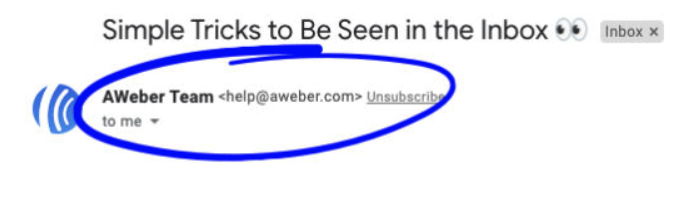
The sender’s email address is an integral part of brand identity and trust. An email originating from "[email protected]" conveys professionalism, legitimacy, and a commitment to brand consistency, in stark contrast to a generic address like "[email protected]." A professional email address, ideally matching the website domain, enhances credibility and signals to recipients and ISPs alike that the communication comes from a legitimate entity.
Equally critical is the avoidance of "no-reply" email addresses. Sending from a "no-reply" address communicates a disinterest in dialogue, frustrating subscribers who may have questions or feedback. This practice also negatively impacts deliverability, as ISPs favor senders who facilitate two-way communication, viewing it as a sign of a legitimate and engaged sender. Instead, using an address like "[email protected]" or "[email protected]" encourages interaction and provides valuable insights, even if an auto-responder is initially used to manage high volumes of replies.
Crafting Compelling Content and Driving Action
11. Strategic Content Engagement: The 80/20 Rule:
The primary objective of email content is to engage subscribers sufficiently to earn their continued attention. A widely adopted and successful content strategy adheres to an approximate 80/20 rule: 80% of emails should deliver genuine value without an explicit sales pitch, focusing on information, insights, useful tips, or compelling stories. The remaining 20% can then be dedicated to promotional content. This approach builds trust and positions the sender as a valuable resource, ensuring that when a sales message does arrive, it is received by an audience that is receptive and trusting. Consistent value delivery cultivates loyalty, making subscribers more inclined to purchase when they are ready.
12. The Role of Artificial Intelligence in Content Generation:
The biggest bottleneck for many small businesses in email marketing is not a lack of strategy but a lack of time for consistent content creation. Artificial intelligence (AI) writing tools have emerged as powerful allies in addressing this content gap. AI can rapidly generate initial drafts for various email types, craft compelling subject line suggestions, assist in repurposing existing content, overcome writer’s block, and even help in brainstorming campaign ideas. It’s crucial, however, to view AI as a starting point, not a complete solution. The unique brand voice, specific details, nuanced judgment, and understanding of audience desires still necessitate human oversight and refinement. Tools like AWeber’s Newsletter Assistant integrate AI capabilities directly into the workflow, streamlining the content creation process.
13. Focused Calls to Action (CTAs): One Goal Per Email:
Every email should be designed with a single, clear primary call to action (CTA). Presenting multiple, competing CTAs divides subscriber attention and invariably reduces conversion rates. The psychology of choice dictates that too many options lead to inaction. A singular, well-defined goal for each email—whether it’s to read a blog post, visit a product page, or register for an event—directs the subscriber’s focus effectively. Research, including AWeber’s own findings, indicates that button CTAs achieve significantly higher click-through rates (often 6% or higher in 58% of cases) compared to text-only links. Effective CTAs are concise, action-oriented, visually prominent, and strategically placed, ideally high in the email, especially for mobile users.
Ensuring Quality: The Indispensable Role of Pre-Send Testing
14. Comprehensive Pre-Send Email Testing:
Sending an email campaign with a broken link, a formatting error, or an incorrect image to thousands of subscribers can irreparably damage trust and waste valuable marketing effort. A meticulous pre-send testing protocol is an indispensable safeguard. This involves a multi-faceted approach covering technical checks (link functionality, image loading, merge tags), content checks (proofreading for grammar, spelling, clarity, and tone), and experience checks (rendering across various email clients and devices, particularly mobile). Automated pre-send checklist features offered by email marketing platforms can flag common issues like broken links or missing alt text, providing a crucial last line of defense before a campaign goes live. This systematic quality assurance process ensures that every email delivers a professional, error-free experience, upholding brand integrity and maximizing campaign effectiveness.
Implications for Small Businesses and the Future Outlook
The journey to email marketing mastery does not demand simultaneous implementation of all 15 practices. Industry experts recommend a phased approach, starting with one or two high-impact strategies and building incrementally. For businesses just beginning their email marketing efforts, establishing a robust welcome series is often the highest-return automation, operating continuously to engage new subscribers. For those already sending emails but struggling with results, prioritizing list health and deliverability provides a solid foundation for all subsequent efforts.
The landscape of email marketing is continuously evolving, with advancements in AI, predictive analytics, and hyper-personalization promising even greater sophistication. However, the core principles of delivering value, respecting subscriber attention, ensuring accessibility, and maintaining technical hygiene remain timeless. Businesses that embrace these strategic practices, supported by user-friendly platforms like AWeber, are poised to transform their email lists into powerful engines of growth, fostering enduring customer relationships and consistently driving revenue in the digital future.









