rifanmuazin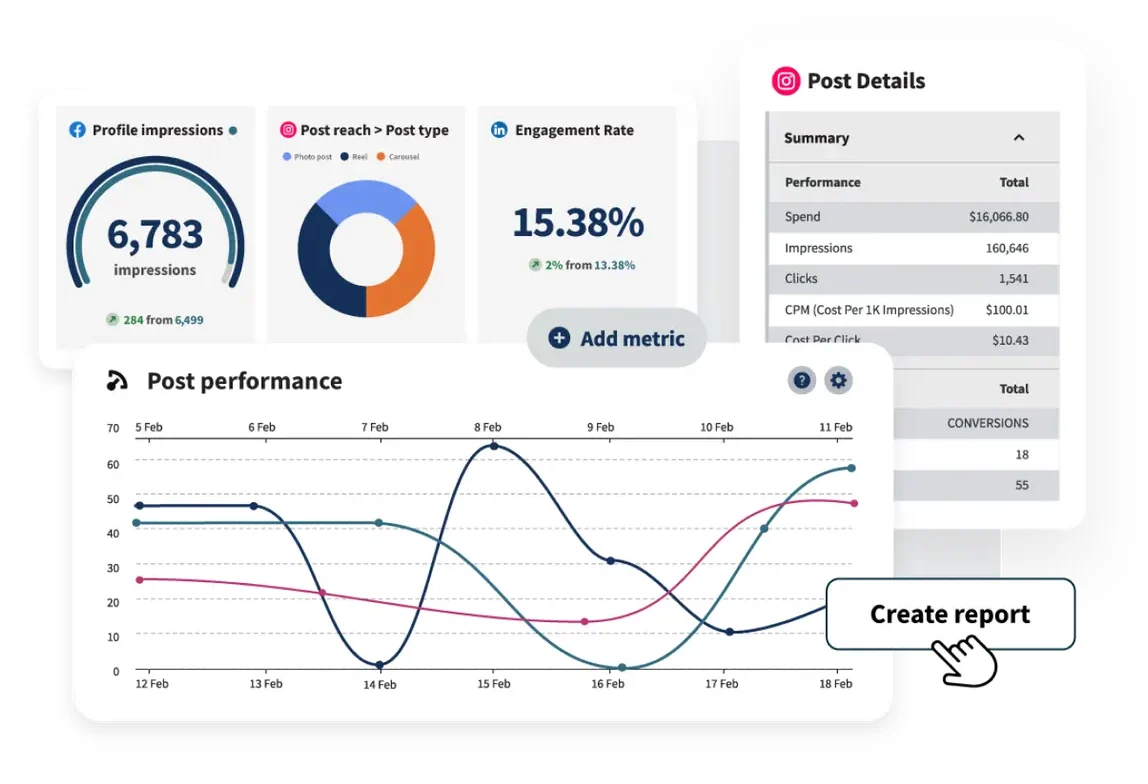
Social media APIs, often operating invisibly in the background, are the fundamental infrastructure powering many of the marketing tools and applications that professionals and everyday users rely on. These crucial pieces of code enable disparate software systems to communicate, exchange data, and extend the functionalities of social media platforms far beyond their native interfaces. For anyone engaged in digital marketing, understanding the mechanics, implications, and evolving trends surrounding social media APIs is essential for navigating the complex online ecosystem.
An API, or Application Programming Interface, functions as a sophisticated communication channel. It is a set of defined rules and protocols that allows different software applications to “talk” to each other, requesting and exchanging data in real time. In the context of social media, APIs are the conduits through which third-party applications can access specific functionalities and data from platforms like Facebook, Instagram, X (formerly Twitter), LinkedIn, and others. This interoperability creates a multifaceted benefit: social platforms gain extended functionality without the burden of developing every conceivable feature internally; developers are empowered to build innovative and often profitable tools; and users benefit from a richer, more integrated experience with features that would otherwise be unavailable. These external tools range from sophisticated social media management dashboards, which allow centralized scheduling, publishing, and analytics across multiple platforms, to specialized applications for customer service, sentiment analysis, and influencer marketing.

The Mechanics of API Integration and Data Exchange
At its core, a social media API works by connecting a social platform to an external application, granting the developer access to specific data types and functionalities required for the third-party tool to operate. Each major social network provides its own unique API, tailored to its specific architecture and data models. For instance, Hootsuite, a prominent social media management platform, leverages APIs from virtually every major social network, including emerging platforms like Bluesky, to consolidate diverse social media activities into a single, unified dashboard. This integration is what enables features such as cross-platform content scheduling, comprehensive analytics aggregation, and centralized inbox management, streamlining workflows for marketers and businesses.
However, this access is not unfettered. A critical aspect of how social media APIs function is that each platform dictates the terms and scope of data sharing. These rules, often outlined in extensive developer documentation and terms of service, define what information can be accessed, how frequently, and for what purposes. Consequently, third-party tools must adhere strictly to these platform-specific regulations. This regulatory framework often explains why certain features in a social media management tool might appear limited or clunky; the tool is likely navigating the constraints imposed by the platform’s API. Before granting initial access, platforms typically require explicit user consent to share data, a process commonly encountered when connecting a new tool to a social account. Users generally retain the ability to review and adjust these permissions at any time through their platform’s privacy settings.

Evolution of API Access: A Recent Chronology
Historically, many social media platforms offered relatively open and free API access, fostering a vibrant ecosystem of third-party developers. This era, however, is largely drawing to a close, marked by significant policy shifts in recent years.
In 2023, X (formerly Twitter) made headlines by discontinuing its long-standing free API access, introducing a tiered pricing model that saw costs for full data access escalate into thousands of dollars monthly, with basic access starting around $200 per month. This move profoundly impacted the developer community and many third-party tools, leading some to scale back their X analytics capabilities or even drop support for the platform entirely. Just two months later, Reddit followed suit, ending free API access that had been available since 2008. These decisions were largely driven by economic pressures, a desire for greater control over platform data, and the increasing recognition of data’s value, particularly in the burgeoning field of artificial intelligence.

The implications of these policy changes are far-reaching. For marketers, the tools they rely on may now have considerably less access to platform data than they did just a few years ago. This trend underscores a shift in how social platforms view their data – no longer a free resource to foster innovation, but a valuable asset to be monetized.
Categorizing Social Media APIs
Social media APIs can generally be categorized into three main types, each serving distinct purposes and operating under different access parameters:

- Open APIs (Public APIs): As the name suggests, these APIs are publicly available for any developer to use, often with a simple registration or authentication process (e.g., an API key or OAuth). They typically grant access to data that is already public or helps developers perform useful actions with existing public information. A classic example outside social media is the Google Maps JavaScript API, which allows websites to embed customized maps with specific location markers. While generally free, usage might be capped, and authentication ensures accountability. These APIs are foundational for many basic integrations and data visualizations.
- Partner APIs: These APIs are exclusively available to approved business partners. Developers must apply for access, and once approved, operate under specific licensing or rights agreements. Partner APIs often unlock data not publicly available and are typically designed for specialized, often high-volume, tasks. Access tokens are a common authentication method for partner APIs, ensuring that only authorized applications can access sensitive or proprietary information. Social media management platforms like Hootsuite often leverage partner APIs to provide advanced features such as direct publishing to Instagram or comprehensive analytics dashboards.
- Internal APIs (Private APIs): These APIs are designed for internal use within a single company. They facilitate communication and data exchange between different systems and services within a social network’s infrastructure. Internal APIs are not accessible to external developers and are crucial for the efficient operation and integration of a platform’s various features and backend services. They represent the unseen connective tissue that makes the platform itself function seamlessly.
Security, Data Privacy, and the AI Frontier
The security of social media APIs is a paramount concern, given the vast amounts of user data they handle. APIs are generally built with robust security protocols, acting as intermediaries that ensure applications only access the specific information needed for a particular task, and nothing more. Most APIs also incorporate user consent mechanisms, allowing individuals to control what data is shared with third-party tools.
However, APIs are not without vulnerabilities. Each integration point represents a potential entry for malicious actors. A notable incident occurred in 2023 when a flaw in X’s API reportedly led to the exposure of email addresses for over 200 million users. Such breaches highlight the continuous need for platforms to upgrade their API security and for users to exercise caution when granting permissions to third-party applications. Sticking to reputable tools with strong security track records is a prudent measure.

A newer and increasingly significant concern revolves around the use of social media data for AI training. The vast archives of human conversation, images, and interactions on social platforms are an invaluable resource for training large language models (LLMs) and other AI systems. Many platforms now address this in their terms of service, but the rules are still evolving and vary significantly. In 2024, Reddit notably signed multi-million dollar content-licensing deals with Google (estimated $60 million/year) and OpenAI (estimated $70 million/year) specifically to allow these tech giants to feed Reddit’s data into their AI models. This trend suggests that platforms are increasingly reserving their most valuable data for AI companies willing to pay substantial enterprise-scale fees, raising questions about data ownership, user privacy, and the ethical implications of using public data for commercial AI development. Users are increasingly advised to check their privacy settings on each platform to understand what data is being shared and if opt-out options are available.
Key Trends Shaping the Social Media API Landscape
The social media API landscape is dynamic, constantly evolving in response to technological advancements, economic pressures, and user demands. Several key trends are particularly noteworthy:

- The New Economics of API Access: The shift from free to paid API access, exemplified by X and Reddit, marks a fundamental change in how social platforms monetize their data. This trend forces third-party tool developers to absorb new costs, which can be passed on to users, or to innovate with more limited data sets. It also creates a barrier to entry for smaller developers or startups who cannot afford high-tier access.
- The Rise of Open-API Platforms: Countering the trend of tightening API access, some newer platforms are embracing an open-API philosophy. Bluesky, a rapidly growing alternative to X, allows anyone to access its public data for free, without an application, API key, or fee. Mastodon operates similarly. These platforms are betting that openness will foster innovation and accelerate user adoption, presenting an alternative model for the future of social networking. For marketers, these platforms represent new frontiers where data access might be more transparent and less costly, potentially enabling new types of tools and insights.
- AI Training: The New Data Gold Rush: Social media APIs have become a major conduit for providing the immense datasets required to train advanced AI models. The lucrative licensing deals between platforms and AI companies underscore the significant value now placed on conversational and behavioral data. This trend has profound implications for data governance, intellectual property, and user privacy, as public interactions increasingly fuel the development of intelligent systems.
- Interoperability and Integrated Solutions: Developers are increasingly leveraging APIs from multiple social platforms concurrently to build comprehensive, cross-platform tools. This multi-API approach is a game-changer for businesses managing diverse social media presences. Tools that pull analytics from Instagram, Facebook, LinkedIn, and X into a single dashboard eliminate the need to switch between native platform interfaces, offering unified insights and significantly improving efficiency for enterprise teams.
- Continuous API Development: As social platforms introduce new features, they must simultaneously develop new APIs or update existing ones to support external integrations. A prime example is Meta’s Threads. After its launch, Meta progressively opened the Threads API to developers, enabling functionalities like publishing, content retrieval, and reply management. Similarly, when Instagram launched Reels, third-party tools had to await the release of new API endpoints that allowed for the scheduling, publishing, and analysis of Reels content. This continuous development cycle means that the capabilities of third-party tools are always closely tied to the API development roadmap of the underlying platforms.
- LinkedIn’s API-First Approach: LinkedIn has notably adopted an “API-first” strategy. Beginning in 2022, they started versioning their Marketing APIs, committing to launching new features on their partner API either simultaneously with or even before their release on the LinkedIn user interface. This approach signals a strong recognition of the value generated by third-party developers and partners, indicating a strategic commitment to fostering a robust ecosystem of integrated tools.
- APIs Powering Interactive Chatbots: APIs are the critical connective tissue that enables personalized, interactive, and AI-powered chatbots to function on social media platforms. The seamless conversations users have with chatbots on platforms like Facebook Messenger are made possible by the Facebook Messenger API, which facilitates real-time data exchange and command execution between the bot’s logic and the platform’s messaging infrastructure. This allows businesses to automate customer service, lead generation, and personalized marketing interactions at scale.
Implications for Marketers and Businesses
For social media users and professionals, a nuanced understanding of APIs is no longer merely a technical curiosity but a strategic imperative. The shift towards paid API access and the increasing value of data for AI training mean that marketers must be more discerning about the tools they use and the data they share. The reliance on robust, secure, and compliant third-party management tools, like Hootsuite, becomes even more critical as they navigate the complexities of evolving API policies, diverse platform ecosystems, and stringent data privacy regulations.
The future of social media marketing will undoubtedly continue to be shaped by these invisible engines. Staying informed about API developments, understanding the associated security and privacy implications, and adapting strategies to leverage the evolving capabilities of integrated tools will be crucial for maintaining an effective and efficient online presence. The API landscape is a testament to the dynamic nature of digital communication, where behind every seamless user experience lies a complex, interconnected web of code and data exchange.

 Pevita Pearce