rifanmuazin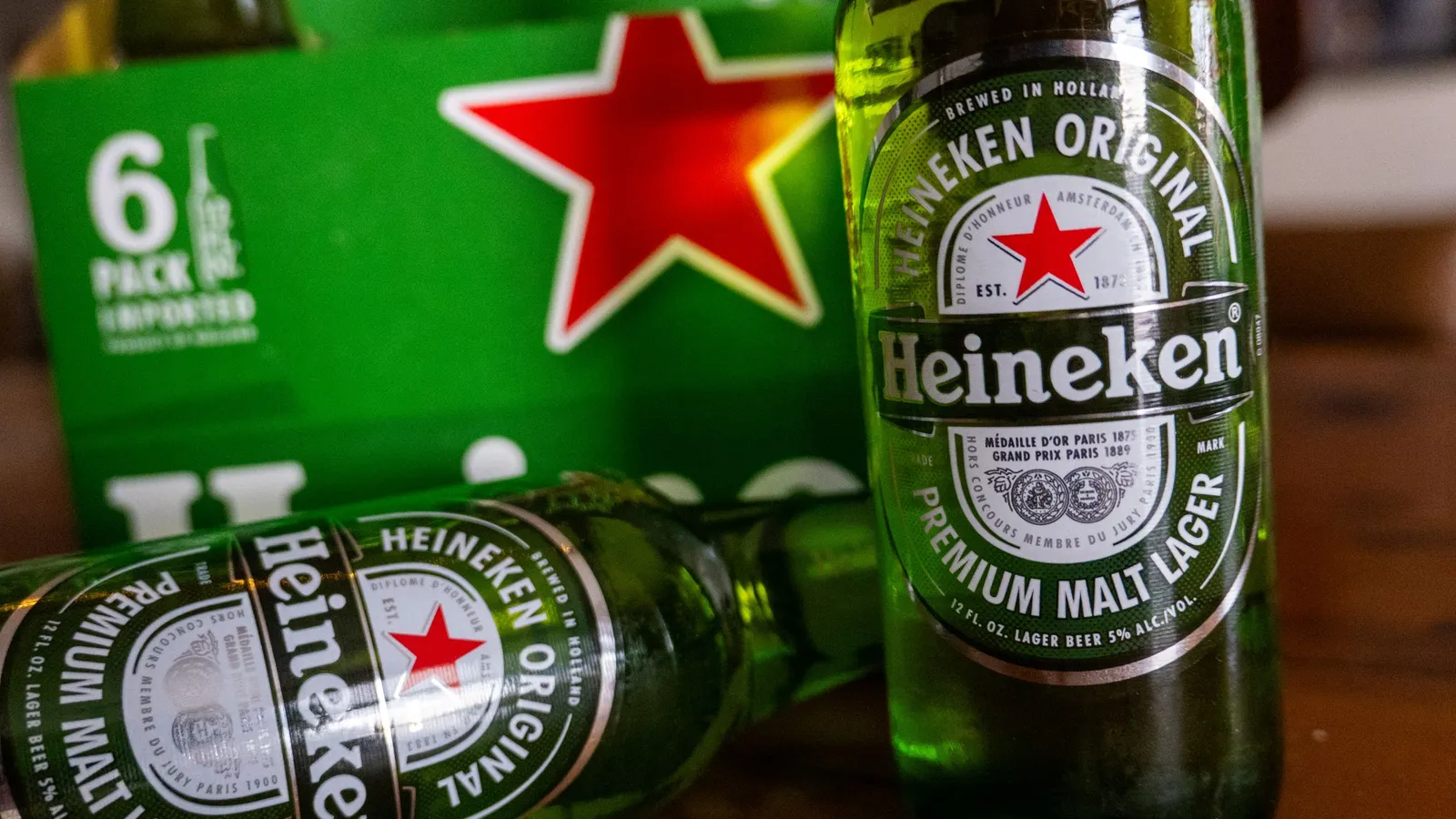
Heineken has announced a significant overhaul of its global agency partnerships, a strategic move designed to align with its ambitious EverGreen 2030 growth strategy and navigate the increasingly competitive beer market. In a decision that reshapes its brand communication efforts, the brewing giant has opted to consolidate its creative advertising responsibilities among a select group of prominent agencies: Publicis, WPP, and Stagwell. This restructuring marks a notable shift from previous arrangements, aiming to foster deeper collaboration and a more unified brand voice across its extensive portfolio of over 170 brands.
Concurrently, Heineken has reaffirmed its long-standing relationship with Dentsu, entrusting the Japanese advertising powerhouse with its global media duties. This decision extends a decade-long partnership, signaling confidence in Dentsu’s ability to manage Heineken’s complex media landscape. The move comes at a critical juncture for both the beer industry, which faces evolving consumer preferences and economic pressures, and for Dentsu, which has been implementing internal changes to address international growth challenges.
The comprehensive review of Heineken’s agency roster, which concluded in early May 2026, was initiated to create a more agile and future-ready agency model. This new structure is intended to directly support Heineken’s commercial artificial intelligence transformation program, branded as Freddy AI. Bram Westenbrink, Heineken’s Chief Commercial Officer, highlighted the strategic imperative behind this consolidation, stating in a press release that the company is "creating the conditions for deeper collaboration, sharper strategic focus and more impactful creativity" by partnering with a reduced number of "world-class agencies."
Jorn Socquet, Heineken’s Senior Director of Global Brand Impact and Growth Transformation, further elaborated on the benefits of this streamlined approach. He emphasized that the new model will enable the company to "operate with greater speed and efficiency, ensuring we can deliver high-quality work consistently across our global and local brand portfolio." This focus on efficiency and consistent delivery is crucial for a company with a vast array of brands, each requiring tailored marketing strategies while maintaining a cohesive overarching brand identity.
Strategic Consolidation in Creative Services
The decision to consolidate creative responsibilities among Publicis, WPP, and Stagwell signifies a deliberate move towards greater synergy and impact. While the specific allocation of brands and projects among these three groups has not been fully detailed, the selection indicates a preference for agencies with proven track records in innovation, data-driven insights, and the ability to execute integrated campaigns across diverse markets.
Publicis, for instance, will continue its strong relationship with the flagship Heineken brand. This includes the creative work managed by its specialized agency, LePub. In recent years, Heineken’s marketing has strategically tapped into a growing consumer sentiment favoring unplugging and embracing authentic, in-person social connections. Campaigns and activations that embody this ethos have often been spearheaded by LePub. A prime example of this strategy in action was the brand’s activation at the Coachella music festival in April 2026. There, Heineken distributed "digital bands," wearable devices that could be attached to beer cans. These "Clinker" devices utilized music-streaming data to help attendees identify others at the festival who shared similar musical tastes, fostering organic connections and reinforcing the brand’s association with shared experiences. This initiative exemplifies Heineken’s commitment to innovative, technology-infused marketing that aligns with evolving consumer desires for meaningful engagement.
WPP, a global advertising behemoth with a vast network of agencies, is expected to bring its comprehensive suite of creative and strategic capabilities to bear on select Heineken brands. Its deep expertise in brand building, digital transformation, and consumer insights makes it a natural fit for a company seeking to elevate its brand presence in a crowded marketplace. Similarly, Stagwell, a challenger network known for its agile approach and focus on performance marketing and digital innovation, is poised to contribute fresh perspectives and cutting-edge creative solutions to Heineken’s portfolio. The inclusion of Stagwell suggests a desire to inject a more entrepreneurial and digitally-native approach into Heineken’s marketing efforts, particularly relevant for engaging younger demographics.
Dentsu Retains Global Media Mandate Amidst Industry Shifts
In the realm of media planning and buying, Dentsu has successfully retained Heineken’s substantial global media account. This extension of a decade-long relationship is a significant endorsement of Dentsu’s capabilities and its understanding of Heineken’s global media objectives. The decision comes at a pivotal time for Dentsu, which has been undertaking a significant organizational restructuring aimed at revitalizing its international growth.
The Japanese advertising conglomerate has faced headwinds from weaker international growth and has recently implemented a new global management structure in March 2026 to address these challenges. This internal realignment is designed to create a more integrated and efficient operational framework. However, Dentsu recently experienced a notable setback when it lost Microsoft’s massive global media duties, which it had held for over a decade, to Publicis in April 2026. This loss underscored the competitive intensity of the global media landscape and the ongoing shifts in major client accounts. Therefore, securing the continued partnership with Heineken represents a crucial win for Dentsu, providing a stable and significant revenue stream and reinforcing its position as a key player in global media services.

Heineken’s continued reliance on Dentsu for media underscores the importance of consistent execution and long-term strategic partnerships in managing complex global media buys. The beer giant’s vast portfolio, encompassing over 170 brands, necessitates a sophisticated and integrated media strategy that can adapt to diverse market conditions and consumer behaviors worldwide. Dentsu’s proven ability to navigate these complexities over the past decade likely played a significant role in their retention.
Broader Context: EverGreen 2030 and Industry Pressures
The agency review and subsequent restructuring are intrinsically linked to Heineken’s broader corporate strategy, particularly the EverGreen 2030 growth plan. This initiative aims to secure sustainable growth and long-term value creation in an evolving global landscape. The beer category, while historically robust, is experiencing shifts driven by changing consumer lifestyles, a growing demand for healthier or alternative beverage options, and increased competition from both established players and emerging craft brands.
Heineken’s Q1 2026 trading update, released in April, indicated a resilient performance despite an uncertain global environment. The company reported a 1.2% increase in organic volumes and a 2.8% rise in net revenue compared to the previous year. These results suggest that Heineken’s strategic initiatives, including its marketing evolution, are beginning to yield positive outcomes. The focus on "future-fit agency models" and AI integration, as exemplified by Freddy AI, reflects a forward-looking approach to marketing that prioritizes data-driven decision-making and personalized consumer engagement.
Furthermore, the beer industry is witnessing significant leadership transitions. In a separate development, Heineken’s CEO, Dolf van den Brink, is set to step down at the end of May 2026, concluding nearly six years at the helm. While this leadership change is distinct from the agency review, it occurs within a period of strategic reassessment and adaptation for the company. The new leadership will inherit a refined agency structure and a clear strategic direction, providing a foundation for continued innovation and growth.
Implications and Future Outlook
The consolidation of Heineken’s creative agencies into a smaller, more focused group of partners suggests a desire for greater accountability, seamless integration, and a more unified brand narrative. By reducing the number of agencies involved, Heineken aims to eliminate redundancies, foster deeper strategic alignment, and accelerate the development and deployment of impactful creative campaigns. This approach is particularly relevant in the current media environment, where agility and speed are paramount for capturing consumer attention and driving brand preference.

The emphasis on AI, through the Freddy AI program, indicates a commitment to leveraging advanced technology to enhance marketing effectiveness. This includes utilizing AI for data analysis, consumer segmentation, predictive modeling, and personalized content creation. The chosen agency partners will need to demonstrate strong capabilities in AI integration and a willingness to collaborate on developing and implementing AI-driven marketing strategies.
For Dentsu, retaining the global media mandate is a significant vote of confidence and a vital component of its recovery and growth strategy. The partnership with Heineken provides a substantial foundation upon which Dentsu can build, particularly as it navigates the competitive media landscape and seeks to solidify its position in key markets. The ongoing success of this relationship will depend on Dentsu’s continued ability to deliver innovative media solutions and demonstrate measurable impact on Heineken’s business objectives.
In conclusion, Heineken’s strategic restructuring of its agency relationships represents a bold step towards modernizing its brand communication efforts. By consolidating creative power and reinforcing its media partnership, the brewing giant is positioning itself to navigate the complexities of the global market, drive innovation through AI, and achieve its ambitious growth targets under the EverGreen 2030 strategy. The success of this new agency model will be closely watched as a bellwether for evolving client-agency dynamics in the broader advertising and marketing industry.