
 rifanmuazin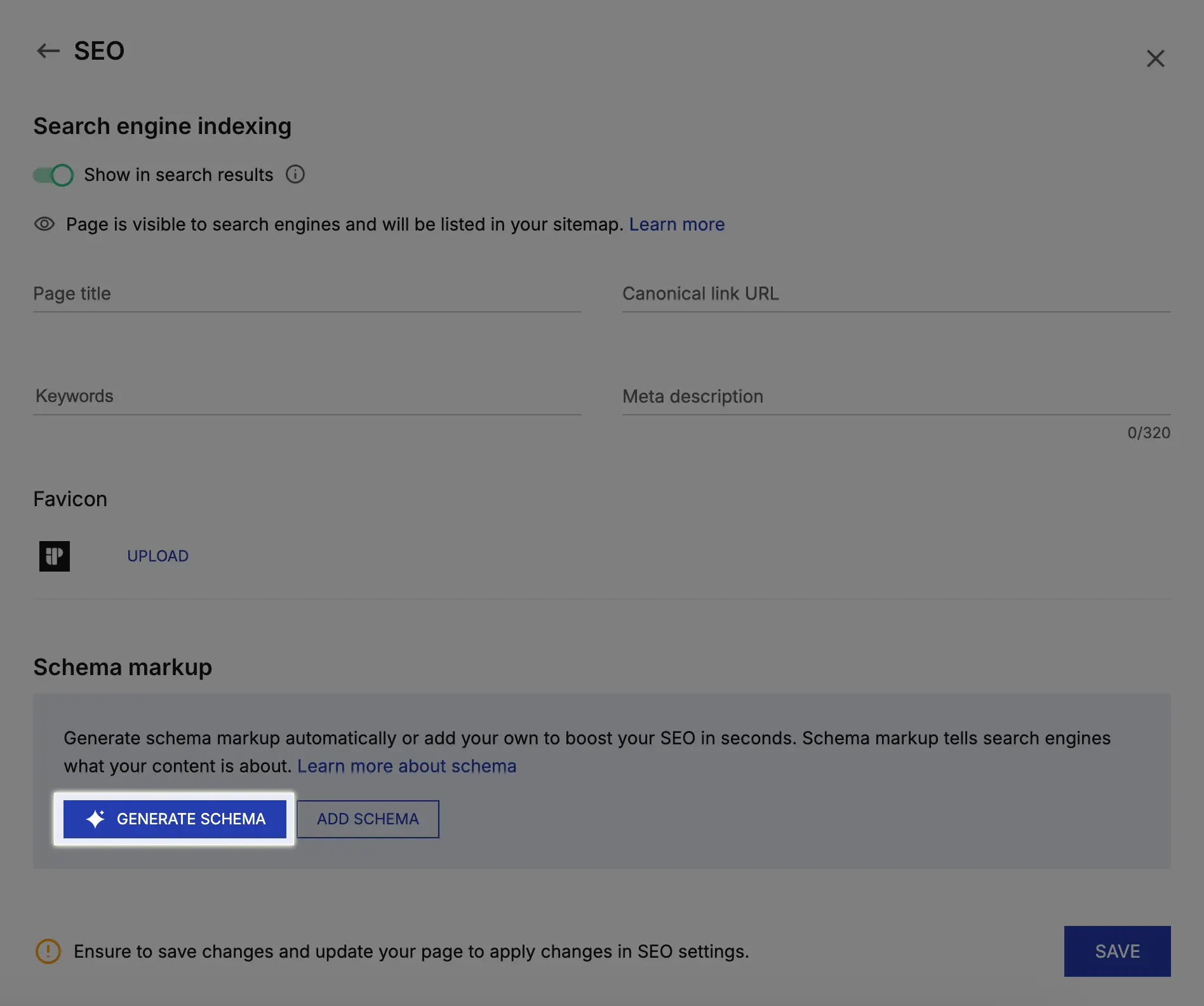
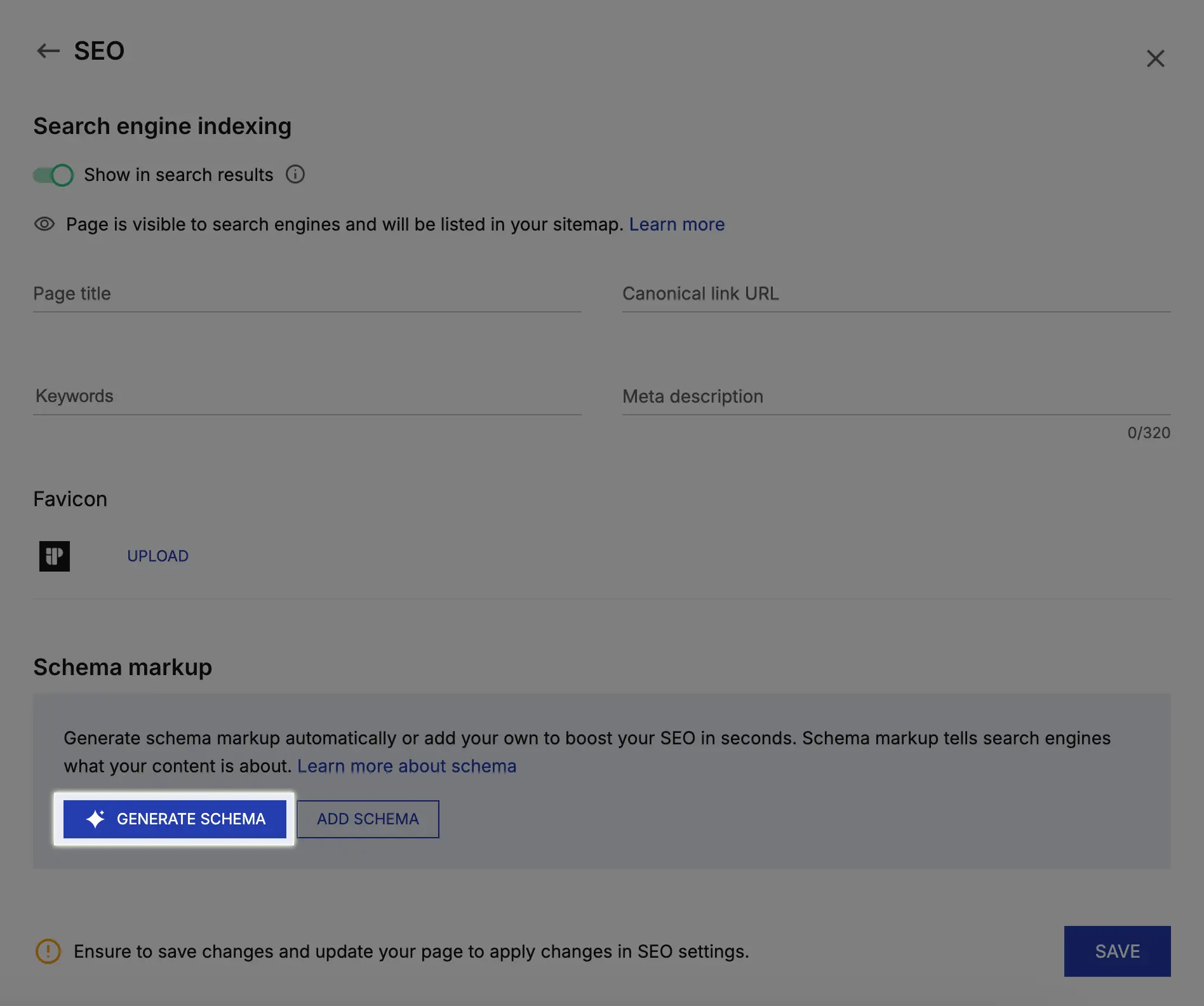
In a strategic move to address the shifting landscape of digital discovery, Instapage has announced the release of a new integrated Schema Markup feature designed to streamline how search engines and artificial intelligence systems interpret landing page content. The update allows marketers to generate, validate, and deploy structured data directly within the platform’s SEO settings, eliminating the traditional requirement for manual coding or third-party developer intervention. As global marketing budgets face increased scrutiny and the cost of customer acquisition through paid channels continues to fluctuate, this development signals a broader industry transition toward prioritizing organic discoverability and "machine-readability" as core components of conversion rate optimization.
The implementation of schema markup—a standardized vocabulary of tags added to HTML—serves as a critical bridge between human-centric design and machine-centric indexing. While a well-designed landing page may effectively convert a human visitor, search engines like Google and AI-driven assistants such as Perplexity or OpenAI’s SearchGPT require structured signals to categorize the specific nature of an offer. The new Instapage tool utilizes artificial intelligence to bridge this gap, allowing users to select from various schema types, including Organization, Product, LocalBusiness, and FAQPage, while providing an "Auto-detect" function that analyzes page content to suggest the most relevant markup automatically.
The Technical Evolution of Search and Discovery
To understand the significance of this launch, it is necessary to examine the evolution of structured data within the broader context of the World Wide Web. Schema.org was founded in 2011 as a collaborative effort between Google, Bing, Yahoo!, and Yandex to create a common set of schemas for structured data markup on web pages. For over a decade, this technology remained largely the province of technical SEO specialists and web developers. However, the recent proliferation of Large Language Models (LLMs) and Generative AI has transformed schema from a "best practice" for search engine results pages (SERPs) into a fundamental requirement for visibility in AI-generated answers.
Search engines are increasingly moving away from simply providing a list of links toward providing direct answers. In this "zero-click" environment, the systems deciding which information to highlight prioritize pages that offer clear, structured signals. By integrating an AI-powered generator for JSON-LD (JavaScript Object Notation for Linked Data), Instapage is positioning its users to maintain visibility in these emerging AI summaries. JSON-LD is the preferred format for Google and other major platforms because it is easy for machines to parse and does not interfere with the visual rendering of the page.
Chronology of Product Development and Industry Shifts
The introduction of the Schema Markup tool follows a series of updates by Instapage aimed at automating the more technical aspects of landing page creation.

- Late 2022 – Mid 2023: The industry witnessed a surge in AI adoption. During this period, Instapage began integrating AI writing assistants and design tools to speed up the page-building process.
- Early 2024: Market data indicated that organic search traffic was becoming more volatile due to Google’s Search Generative Experience (SGE) experiments. Marketers began reporting a need for better "entity-based" SEO.
- Q3 2024: Instapage identified a significant friction point: while marketers understood the value of schema, the "back-and-forth" with development teams often delayed the deployment of structured data, sometimes by weeks.
- Current Launch: The Schema Markup feature is released globally across all Instapage plans, providing a self-service model for technical SEO that functions in real-time.
Supporting Data: The Impact of Structured Data on Performance
The decision to prioritize schema markup is backed by substantial industry data regarding search performance and user behavior. According to various SEO benchmarks, pages utilizing structured data can see a significant improvement in click-through rates (CTR) compared to those without.
- Rich Snippets: When schema is correctly applied, search engines can display "rich snippets," such as star ratings, product prices, and event dates, directly in the search results. Studies from organizations like Search Engine Journal and Milestone Research suggest that rich results can improve CTR by as much as 20% to 30%.
- AI Training and Crawl Efficiency: Structured data reduces the computational resources required for search engines to "understand" a page. For high-volume advertisers running hundreds of landing pages, this efficiency ensures that new offers are indexed and updated faster.
- Conversion and Trust: In a 2023 consumer trust report, it was found that users are 15% more likely to click on a result that displays verified information like reviews or FAQ dropdowns in the SERP, as these elements provide immediate social proof and utility.
Functional Overview of the AI Schema Generator
The new feature within the Instapage ecosystem is designed for both ease of use and technical accuracy. The workflow begins within the SEO settings of any landing page. Users are presented with a selection of schema types that correspond to their business objectives:
- Product Schema: Essential for e-commerce and SaaS, providing machines with data on pricing, availability, and features.
- FAQPage Schema: Allows common questions and answers to appear directly in search results, capturing more "real estate" on the screen.
- LocalBusiness and Organization: Establishes the identity and physical presence of the entity behind the page, which is a key factor in Google’s E-E-A-T (Experience, Expertise, Authoritativeness, and Trustworthiness) guidelines.
- Event Schema: Provides structured dates, locations, and ticketing information for webinars, conferences, or local gatherings.
The AI-driven "Auto-detect" option represents a significant leap in automation. By scanning the text and layout of a page, the AI can distinguish between a personal brand page (suggesting "Person" schema) and a corporate lead-generation page (suggesting "Organization" or "Service" schema). Once the markup is generated, the tool includes a validation step, ensuring the code is error-free before it is published to the live web.
Industry Responses and Strategic Implications
While Instapage has not released specific names of early adopters, the marketing community has historically signaled a high demand for such integrations. Industry analysts suggest that the democratization of technical SEO tools is a response to the "efficiency gap" currently facing mid-sized marketing teams.
"The bottleneck in digital marketing has shifted from content creation to content discoverability," notes one industry analysis on the rise of AI-driven SEO. "Tools that allow a single marketer to handle the work of a designer, a copywriter, and a technical SEO specialist are no longer luxuries; they are necessities for maintaining competitive margins."
The implication for the broader market is clear: as landing page builders become more sophisticated, the barrier to entry for high-level technical optimization is lowering. This creates a more level playing field where the quality of the offer and the clarity of the data—rather than the size of the development budget—determine visibility.
Analysis of the "Zero-Click" and AI Search Reality
The release of this tool comes at a time when the search industry is facing its most significant disruption since the invention of the mobile web. AI search engines do not just index keywords; they attempt to understand the relationship between "entities." For example, if a user asks an AI assistant, "What is the best project management software for small creative agencies?", the AI looks for pages that have explicitly defined themselves as "SoftwareApplication" with a "targetAudience" of "SmallBusiness."
Without schema markup, a landing page is essentially a flat image to an AI; the system has to guess what the content means. With schema, the page becomes a structured database. By enabling JSON-LD generation, Instapage is ensuring that its users’ pages are not just "seen" but "understood" by the algorithms that now act as the gatekeepers to the internet.
Furthermore, this update addresses the "tightening marketing budgets" mentioned in the initial announcement. By increasing the effectiveness of organic search and AI discovery, brands can potentially reduce their reliance on expensive Pay-Per-Click (PPC) campaigns. If a landing page can rank effectively for a high-intent query through a rich snippet or an AI-generated answer, the cost-per-acquisition (CPA) drops significantly over the long term.
Conclusion and Future Outlook
Instapage’s integration of AI-powered Schema Markup is a proactive response to a fundamental shift in how information is consumed and retrieved online. By making complex structured data accessible to non-technical users, the platform is addressing the dual needs of modern marketing: the requirement for high-speed execution and the necessity for deep technical optimization.
As search engines continue to evolve into "answer engines," the importance of machine-readable data will only grow. This feature launch sets a new standard for landing page platforms, suggesting that the future of web design is not just about how a page looks to a human, but how clearly it speaks to the artificial intelligence systems that now navigate the web on our behalf. For businesses looking to maintain their edge in a crowded digital marketplace, the ability to quickly and accurately define their identity to the world’s most powerful algorithms is no longer an optional strategy—it is a foundational requirement.








