The strategic integration of social proof within email marketing campaigns is emerging as a critical differentiator for businesses aiming to enhance engagement, drive conversions, and build enduring customer trust. As highlighted by Kelsey Johnson in an analysis published on June 12, 2026, the principle of social proof, rooted in fundamental human psychology, offers a powerful mechanism to amplify the effectiveness of email communications at every stage of the customer journey. From initial signup forms to welcome sequences and subsequent promotional messages, evidence of existing customer satisfaction can significantly sway prospect decisions, leading to increased clicks, signups, and ultimately, sales.
The Psychological Underpinnings of Social Proof
At its core, social proof is a psychological phenomenon where people assume the actions of others reflect the correct behavior for a given situation. This concept, popularized by psychologist Robert Cialdini in his seminal work "Influence: The Psychology of Persuasion," posits that individuals are more likely to adopt a belief or engage in an action if they see others doing so. This inclination is particularly potent in situations of uncertainty, where individuals lack sufficient information to make a decision independently.
The phenomenon is closely linked to the "fear of missing out" (FOMO), a pervasive anxiety that individuals experience when they perceive that others are having rewarding experiences from which they are absent. In the context of purchasing decisions or subscribing to a service, FOMO translates into a desire to partake in what others are enjoying, validating the perceived value of an offering. When a potential customer encounters an email campaign, they are often in a state of decision-making, weighing the benefits against the perceived costs or risks. In this scenario, external validation from peers or experts serves as a powerful shortcut, reducing perceived risk and accelerating the decision-making process.
For instance, when contemplating a new dentist, an individual might solicit recommendations from friends. However, for digital products, online courses, or newsletters, direct personal recommendations are often unavailable. Consequently, individuals turn to aggregated evidence from strangers: online reviews, social media comments, or numerical indicators like "trusted by 300,000 creators." This collective endorsement bypasses the need for the brand to overtly "claim" its product’s superiority; instead, it demonstrates that others already affirm its value. The crucial takeaway for marketers is that prospects are inherently seeking this validation; the strategic challenge lies in ensuring this proof is readily available and compelling within their email communications, rather than forcing them to seek it elsewhere, potentially encountering competitors or less favorable information.
The Strategic Imperative: Why Social Proof in Email Marketing?
In an increasingly saturated digital landscape, email inboxes are battlegrounds for attention. Marketers contend with sophisticated spam filters, dwindling attention spans, and an ever-growing volume of incoming messages. Simply sending emails is no longer sufficient; they must be designed to cut through the noise, build immediate credibility, and foster sustained engagement. This is where social proof becomes an indispensable tool.
Email marketing consistently delivers a high return on investment (ROI), often cited at figures as high as $36 for every $1 spent. However, maximizing this potential requires more than just sending well-designed emails; it demands content that resonates deeply and instills confidence. A study by BrightLocal revealed that 79% of consumers trust online reviews as much as personal recommendations, highlighting the profound impact of third-party endorsements. Furthermore, research indicates that displaying customer testimonials can increase conversion rates by 34%. These statistics underscore that neglecting social proof in email marketing is akin to leaving significant conversion potential untapped.
The integration of social proof transforms email messages from mere promotional tools into credible sources of information, leveraging the inherent human tendency to follow the crowd. It serves to:
- Build Instant Trust: New subscribers or hesitant prospects immediately gain confidence when they see others endorsing the brand.
- Validate Claims: Instead of self-praising, the brand allows its satisfied customers to speak on its behalf, which is inherently more convincing.
- Reduce Perceived Risk: Testimonials and reviews address potential doubts or hesitations, making the purchase decision feel safer.
- Enhance Engagement: Content featuring authentic customer stories or reviews can be more engaging and relatable than purely promotional copy.
Diverse Manifestations of Social Proof in Email
The spectrum of social proof available to marketers is broad, offering numerous avenues for integration into email campaigns. Johnson’s analysis identifies eight primary categories, each with distinct applications and benefits:
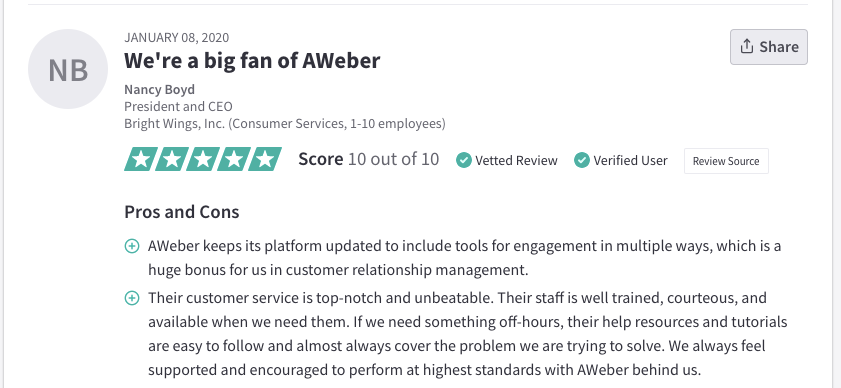
- Customer Reviews: Sourced from platforms like Trustpilot, Google Reviews, Yelp, Amazon, or Facebook, these are often unsolicited and provide genuine, unfiltered feedback. Their authenticity makes them highly influential. Marketers can feature snippets of high-scoring reviews or link directly to review pages in their emails.
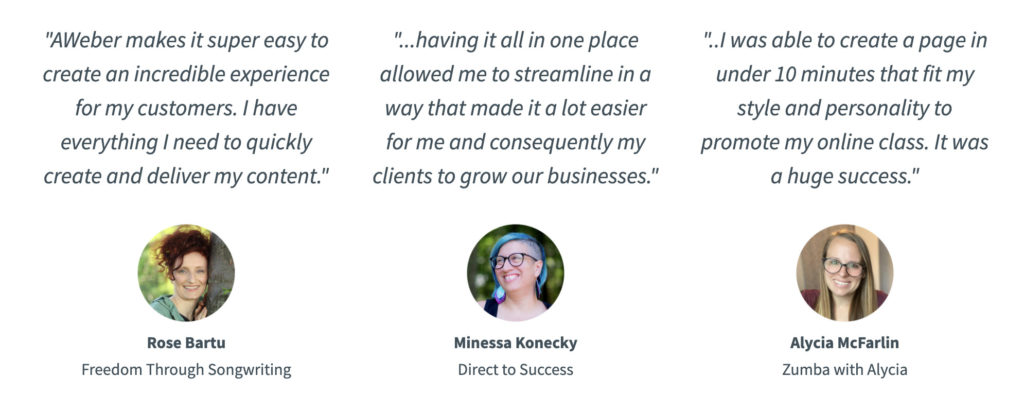
- Testimonials: These are direct quotes collected from satisfied customers, ideally accompanied by their name, photo, and professional title or relevant credential. Testimonials allow for more curated and specific endorsements, often highlighting particular features or benefits. For example, AWeber effectively uses testimonials that detail specific successes customers have achieved with their platform, providing concrete value propositions.
- Case Studies: More in-depth than testimonials, case studies present a full "before-and-after" narrative of a customer’s journey, detailing a problem they faced, how the product or service provided a solution, and the measurable results achieved. These are particularly powerful for complex products or services where a detailed explanation of value is necessary.
- Customer Data: Quantitative proof, such as "join 25,000 subscribers" or "4.8/5 stars from 2,000 reviews," provides clear, measurable evidence of popularity and satisfaction. These numbers offer immediate credibility and tap into the "herd mentality."
- Social Media Feedback: Screenshots of positive posts, comments, or shoutouts from real users on platforms like X (formerly Twitter), Instagram, or LinkedIn. This type of proof feels organic and demonstrates active community engagement, often appealing to a younger demographic.
- Expert and Influencer Endorsements: Recommendations from recognized authorities or influential figures within a specific industry. The credibility of the expert transfers to the product or service, significantly boosting trust among their followers.
- Award and Trust Badges: Industry awards, certifications (e.g., ISO 27001), security badges (e.g., SSL certificates), or inclusion in "best of" lists. These visual cues signal authority, reliability, and adherence to high standards, reassuring prospects of the brand’s legitimacy and quality.
- User-Generated Content (UGC): Photos and videos posted by customers showcasing themselves using the product. UGC is highly authentic and relatable, demonstrating real-world application and fostering a sense of community around the brand.
For nascent businesses lacking extensive reviews, initiating with customer data ("join 500 subscribers") or proactively seeking concise, one-line testimonials from early happy customers can establish initial credibility. The objective is not necessarily volume, but rather the presence of a credible voice.
Implementing Social Proof Across the Email Marketing Funnel
Strategic placement of social proof throughout the subscriber journey maximizes its impact. Johnson outlines five critical junctures where social proof can significantly influence outcomes:
-
Next to Your Signup Form (Pre-Subscription): Before a visitor commits their email address, they silently evaluate: "Is this worth my inbox?" A strategically placed testimonial directly above or beside the signup form on a blog, landing page, or website addresses this concern upfront. The most effective testimonials at this stage specifically articulate the value of the emails or newsletter. Including a picture, name, and relevant title (e.g., "Sarah M., founder of a 6-figure Etsy shop") enhances credibility significantly. Platforms like AWeber’s AI Signup Form Builder can facilitate the quick integration of such testimonials.
-
In Your Welcome Email (Post-Subscription): The welcome email is paramount for solidifying the new subscriber’s decision and setting the tone for future engagement. It’s an opportunity to reinforce trust and encourage continued interaction. Inserting a distinct review or testimonial (different from the signup form) within the welcome sequence can serve as a powerful third-party endorsement, validating the subscriber’s choice and motivating them to move the email out of the promotions tab. This initial validation is crucial for long-term subscriber retention.
-
Paired with Every Sales Pitch (Promotional Emails): Promotional emails, particularly those pitching products or services, achieve higher conversion rates when accompanied by compelling evidence. If an email promotes a financial stability course, beyond detailing the curriculum and benefits, it should feature a review from a former student highlighting a specific, measurable outcome (e.g., "I paid off my student loans eight months after finishing this course"). For even greater impact, entire emails can be structured as case studies, narrating a customer’s problem, how the product solved it, and the resulting success, allowing the customer’s voice to drive the narrative.
-
Using Trust Badges to Drive Referrals (Engagement & Growth): Referrals, the purest form of social proof, leverage personal recommendations. By including a brief section in emails encouraging subscribers to forward valuable content to friends or colleagues, and buttressing this request with authoritative trust badges (industry awards, certifications), brands can significantly boost sharing. Subscribers are more inclined to share content when doing so enhances their own credibility. An example would be AWeber’s "Penguin badge" system, which gamifies subscriber milestones and encourages sharing of achievements.
-
Rescuing Abandoned Carts with Proof and Humor (Conversion Recovery): Abandoned cart emails are designed to re-engage prospects who initiated a purchase but did not complete it. These emails are most effective when they are concise and include a compelling piece of social proof that reminds the prospect of the product’s value. A humorous social media post or a lighthearted testimonial can effectively catch attention, alleviate pressure, and gently nudge the prospect back to complete their purchase, reminding them that others genuinely love the product they almost bought.
Measuring Impact and Maintaining Authenticity
The effectiveness of social proof in email marketing can be quantified through various key performance indicators (KPIs). Marketers should monitor:
- Email Open Rates: Social proof in subject lines or preheaders can increase curiosity and trust.
- Click-Through Rates (CTR): Testimonials and reviews within the email content can drive higher engagement with calls to action.
- Conversion Rates: The ultimate measure of success, tracking how many subscribers complete a desired action (signup, purchase) after exposure to social proof.
- Subscriber Growth and Retention: Social proof on signup forms and in welcome emails directly impacts acquisition and reduces churn.
- Referral Rates: Measuring the increase in new subscribers or customers generated through referral programs bolstered by trust badges.
Crucially, the power of social proof hinges entirely on its authenticity. Fabricated reviews or misleading testimonials can severely damage brand credibility and erode trust, leading to long-term negative consequences. Ethical marketing dictates that all social proof must be genuine, verifiable, and representative of actual customer experiences. Transparency in sourcing testimonials and displaying true customer data is paramount.
Broader Implications for Brand Building
Beyond immediate conversion uplifts, the consistent deployment of social proof in email marketing contributes significantly to long-term brand building. It cultivates a perception of reliability, trustworthiness, and widespread acceptance, which are invaluable assets in a competitive market. By showcasing real people benefiting from a product or service, brands foster a sense of community and relatability that transcends mere transactional relationships. This, in turn, can lead to:
- Enhanced Brand Loyalty: Customers who perceive a brand as trusted by many are more likely to remain loyal.
- Reduced Customer Acquisition Costs: When social proof is effectively leveraged, it can lower the cost of converting new customers as prospects require less convincing.
- Stronger Brand Advocacy: Satisfied customers, whose voices are amplified through social proof, are more likely to become advocates, generating organic word-of-mouth marketing.
Conclusion
In the dynamic realm of digital marketing, the insights from experts like Kelsey Johnson underscore the enduring power of fundamental psychological principles. Integrating social proof into email marketing is not merely a best practice; it is a strategic imperative for businesses seeking to maximize engagement, build trust, and drive conversions in an increasingly competitive environment. By systematically incorporating customer reviews, testimonials, case studies, and other forms of social validation across the entire email journey—from signup to post-purchase recovery—brands can create more compelling, credible, and ultimately, more effective communication strategies. The effort, often as minimal as a 20-minute task to place a single, impactful review, yields compounding returns, making it an indispensable component of any robust email marketing framework. Platforms like AWeber, with their integrated tools for signup forms, landing pages, and email templates featuring built-in testimonial blocks, exemplify how technology can facilitate the seamless implementation of these powerful strategies, enabling businesses to put their happiest customers to work in driving growth.