

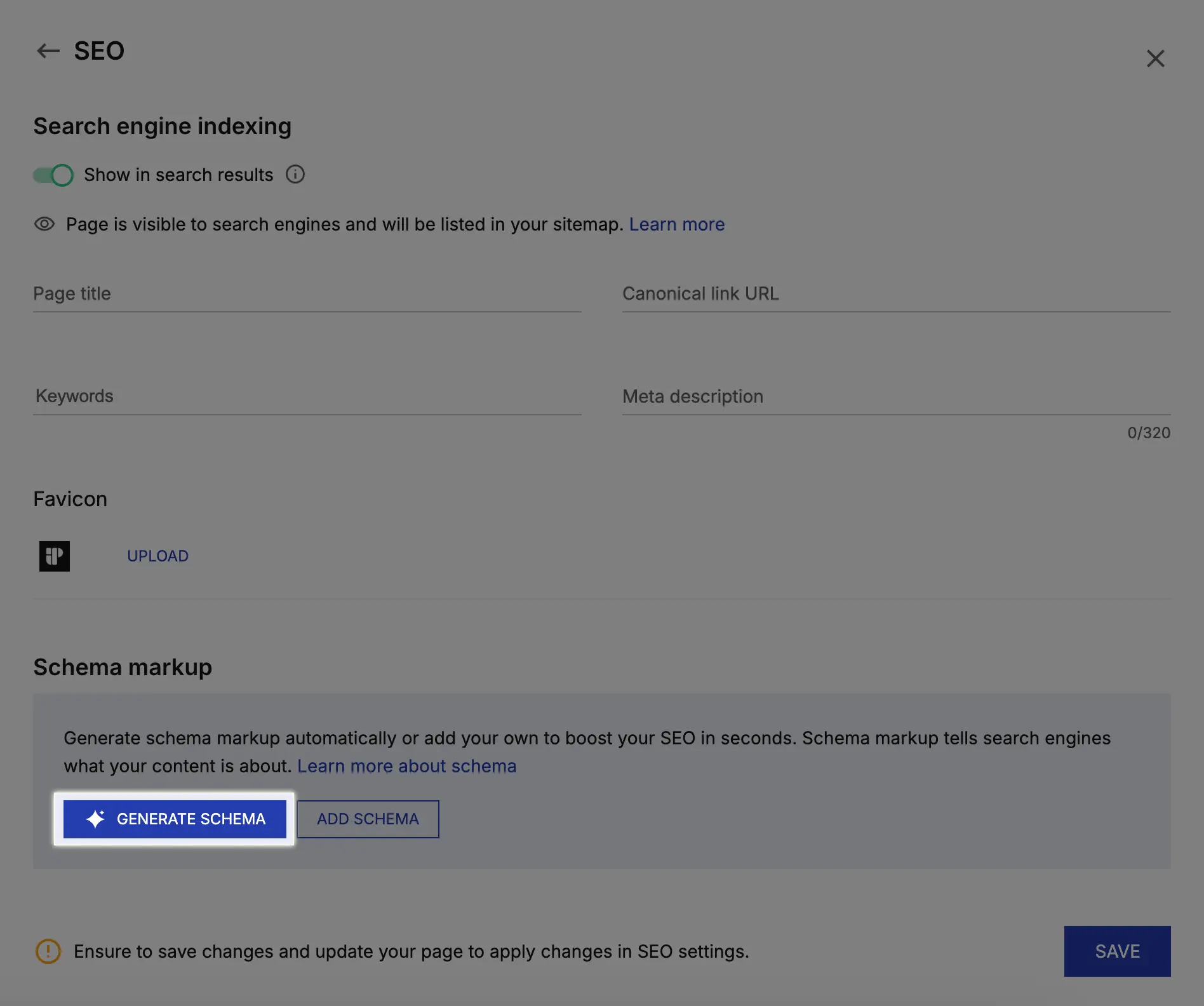
The digital marketing landscape is currently navigating a period of profound transformation as traditional search engine optimization (SEO) converges with the rapid ascent of generative artificial intelligence. In response to these shifting dynamics, Instapage, a leading landing page platform, has announced the launch of its new Schema Markup feature. This tool is designed to bridge the technical gap between high-performance landing pages and the sophisticated algorithms used by search engines and AI assistants to categorize and rank web content. As marketing budgets face increased scrutiny and the cost of customer acquisition rises, the ability to secure organic visibility through structured data has moved from a technical luxury to a strategic necessity.
The Strategic Shift Toward Structured Data
For years, digital marketers focused primarily on keyword density, backlink profiles, and page load speeds to secure top rankings on search engine results pages (SERPs). However, the emergence of AI-driven "answer engines" and Google’s AI Overviews has fundamentally altered how information is retrieved. Modern search systems no longer just look for keywords; they seek to understand the "entities" and relationships within a webpage. Schema markup—a standardized vocabulary of tags added to HTML—serves as the primary language for this communication.
The challenge for most marketing teams has historically been the technical barrier to entry. Implementing schema often requires a deep understanding of JSON-LD (JavaScript Object Notation for Linked Data) and direct access to a website’s backend code. This frequently results in a bottleneck, where marketing campaigns are delayed while waiting for developer resources. The Instapage Schema Markup feature aims to democratize this process by integrating an AI-powered generator directly into the landing page creation workflow, allowing non-technical users to publish structured data in minutes.
Technical Overview: How the AI-Driven Schema Generator Operates
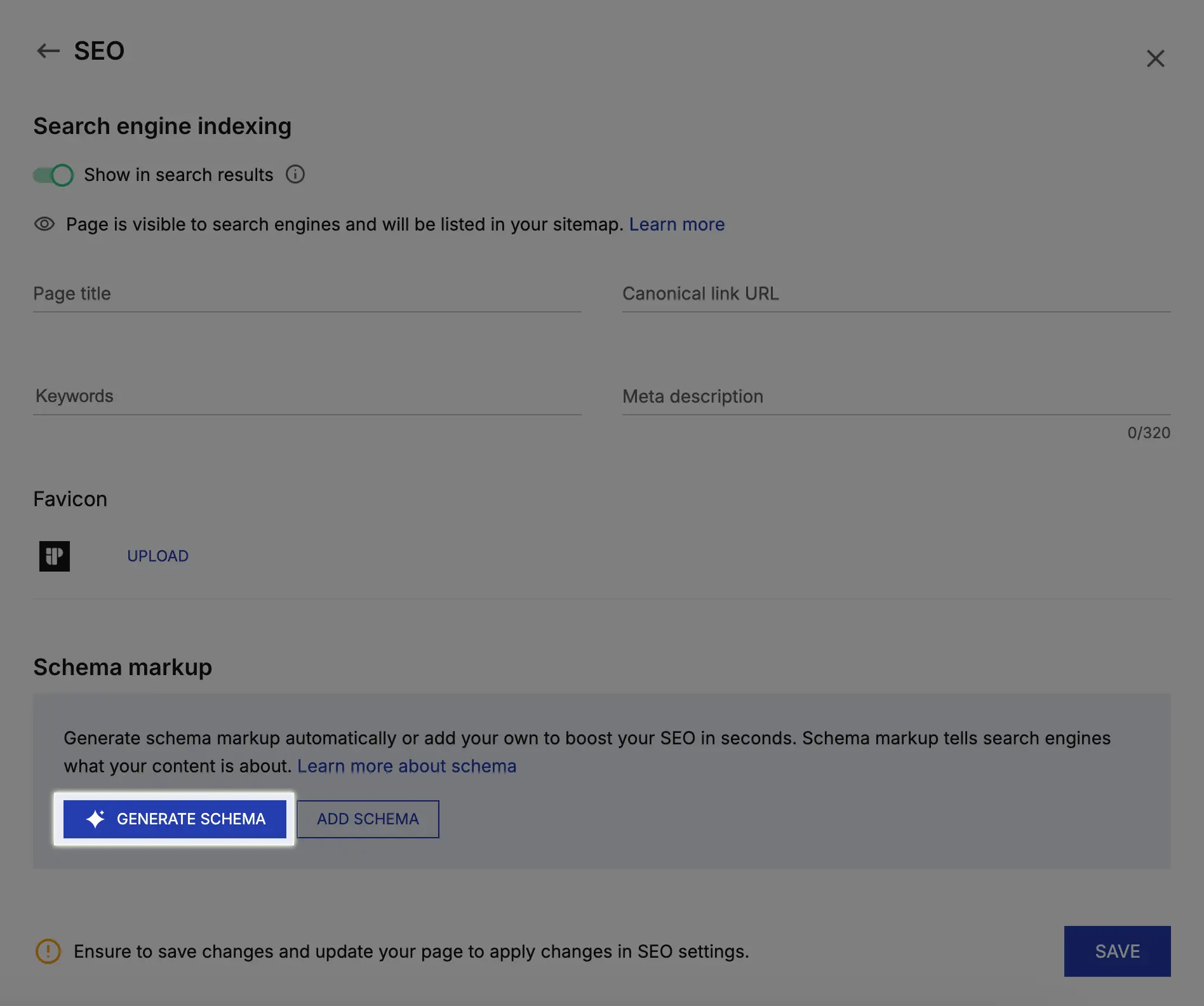
The new functionality within the Instapage ecosystem allows users to generate, validate, and publish structured data directly from the SEO settings panel of any landing page. The process is built around three core pillars: automation, accuracy, and accessibility.
At the heart of the feature is an AI engine capable of analyzing page content to suggest the most appropriate schema types. When a user selects the "Auto-detect" option, the system scans the headlines, body copy, and metadata to determine if the page represents a product, a local business, an event, or a professional profile. Once the type is identified, the AI generates the corresponding JSON-LD code.
Beyond automated detection, the tool offers a manual selection suite for the most common schema types used in conversion-centric marketing:
- Organization and Person: Establishes brand authority and connects individuals to their professional entities.
- Product: Feeds critical data like price, availability, and review ratings directly to search engines for "rich snippets."
- LocalBusiness: Crucial for brick-and-mortar operations or regional services to appear in "map packs" and local searches.
- FAQPage: Allows questions and answers to appear directly in search results, increasing the "real estate" a brand occupies on the screen.
- Event: Provides structured dates, locations, and ticketing information for webinars or live gatherings.
A critical component of this release is the built-in validation tool. Incorrectly formatted schema can lead to search engine penalties or simply be ignored. By providing an integrated validation step, Instapage ensures that the code meets the rigorous standards set by Schema.org before the page goes live.

Chronology of Development and Market Context
The development of the Schema Markup feature follows a multi-year trajectory in which Instapage has pivoted from a simple drag-and-drop builder to a comprehensive conversion intelligence platform.
In 2022, as Google began experimenting more heavily with its Search Generative Experience (SGE), industry data indicated that pages with properly implemented structured data saw a 20% to 30% higher click-through rate (CTR) compared to those without. Recognizing this trend, Instapage began a series of updates to its SEO suite, including enhanced server-side rendering and mobile-first optimization tools.
By mid-2023, the rise of Large Language Models (LLMs) like GPT-4 and Claude introduced a new variable: these models often use web-scraped data to provide answers. Structured data makes it significantly easier for these models to cite sources accurately and present brand information correctly. The internal roadmap at Instapage shifted in late 2023 to prioritize AI-assisted SEO, leading to the beta testing of the Schema Markup tool in early 2024 and its subsequent full-scale rollout this month.
Supporting Data: The Impact of Schema on Performance
The data supporting the adoption of schema markup is compelling for performance marketers. According to recent industry benchmarks, rich snippets—which are powered by schema—can improve organic traffic by up to 40%. For e-commerce and lead-generation landing pages, the impact is even more pronounced.
Research from various SEO analytics firms suggests that:
- Visibility in AI Overviews: Pages with structured data are 3.5 times more likely to be used as a primary source for AI-generated answers in search results.
- Reduction in Bounce Rates: By providing more information in the search results (such as price or FAQ answers), users who click through to the page are more likely to be qualified leads, potentially reducing bounce rates by 15%.
- Ad Efficiency: While schema is an organic SEO tool, the clarity it provides search engines about a page’s content can indirectly influence "Quality Scores" in paid search environments like Google Ads, leading to lower costs per click (CPC).
For a typical B2B enterprise running dozens of landing pages for different segments, the manual implementation of schema would traditionally cost thousands of dollars in developer hours. By automating this, Instapage estimates that marketing teams can reduce their time-to-market for SEO-optimized pages by approximately 90%.
Industry Reactions and Expert Analysis
The introduction of "no-code" schema generation has been met with positive feedback from the digital marketing community. Marketing analysts suggest that this move is a direct response to the "commoditization" of landing page design. As aesthetic design becomes easier to replicate, the competitive advantage shifts toward technical optimization and "discoverability."
"We are entering an era where it is not enough for a page to look good to a human; it must be legible to a machine," says Marcus Thorne, a senior digital strategist at a leading New York-based agency. "Instapage’s integration of AI-generated schema reflects a broader industry trend where the ‘back-end’ of marketing is being simplified so that creative teams can focus on messaging rather than syntax."
From a broader perspective, this update highlights the growing reliance on AI to manage AI. As search engines use AI to rank content, marketers are increasingly forced to use AI to optimize for those very rankings. This "AI arms race" in the SEO space is leading to a more structured and standardized internet, where information is more easily parsed and verified.
Broader Implications for the Future of Marketing
The launch of the Schema Markup feature has implications that extend beyond simple search rankings. It signals a shift in how brand identity is managed in a decentralized digital environment. When a brand’s information is clearly defined via schema, it becomes part of the "Knowledge Graph"—a database used by Google and other tech giants to provide instant factual information.
For small businesses, this technology levels the playing field. Historically, only large corporations with dedicated SEO departments could maintain complex schema architectures across hundreds of pages. Now, a local business or a niche startup can achieve the same level of technical sophistication with a few clicks.
Furthermore, as voice search via devices like Alexa and Siri continues to grow, structured data remains the primary way these assistants pull information from the web. A landing page that uses schema to define an "Event" or a "Product" is significantly more likely to be the "spoken" answer provided by a voice assistant.
Implementation and Accessibility
Instapage has confirmed that the Schema Markup feature is now available to all users across its various subscription tiers. The company has also released a series of educational resources to help users understand which schema types are most beneficial for their specific business goals.
For users who require more granular control, the platform still allows for manual JSON-LD editing. This hybrid approach ensures that while the AI handles the heavy lifting, technical SEO specialists can still fine-tune the code to meet specific, non-standard requirements.
As the digital ecosystem continues to evolve toward a more structured, AI-interfaced future, the ability to communicate clearly with algorithms will remain a cornerstone of successful digital strategy. The move by Instapage to integrate these capabilities directly into the landing page creation process marks a significant step in the evolution of marketing technology, turning a complex technical requirement into a standard part of the creative workflow.
The feature is currently live and can be accessed through the SEO settings panel in the Instapage builder. New users are being offered a 14-day trial to explore the impact of structured data on their organic performance, signaling Instapage’s confidence that the data-driven results will speak for themselves in an increasingly competitive search environment.







