

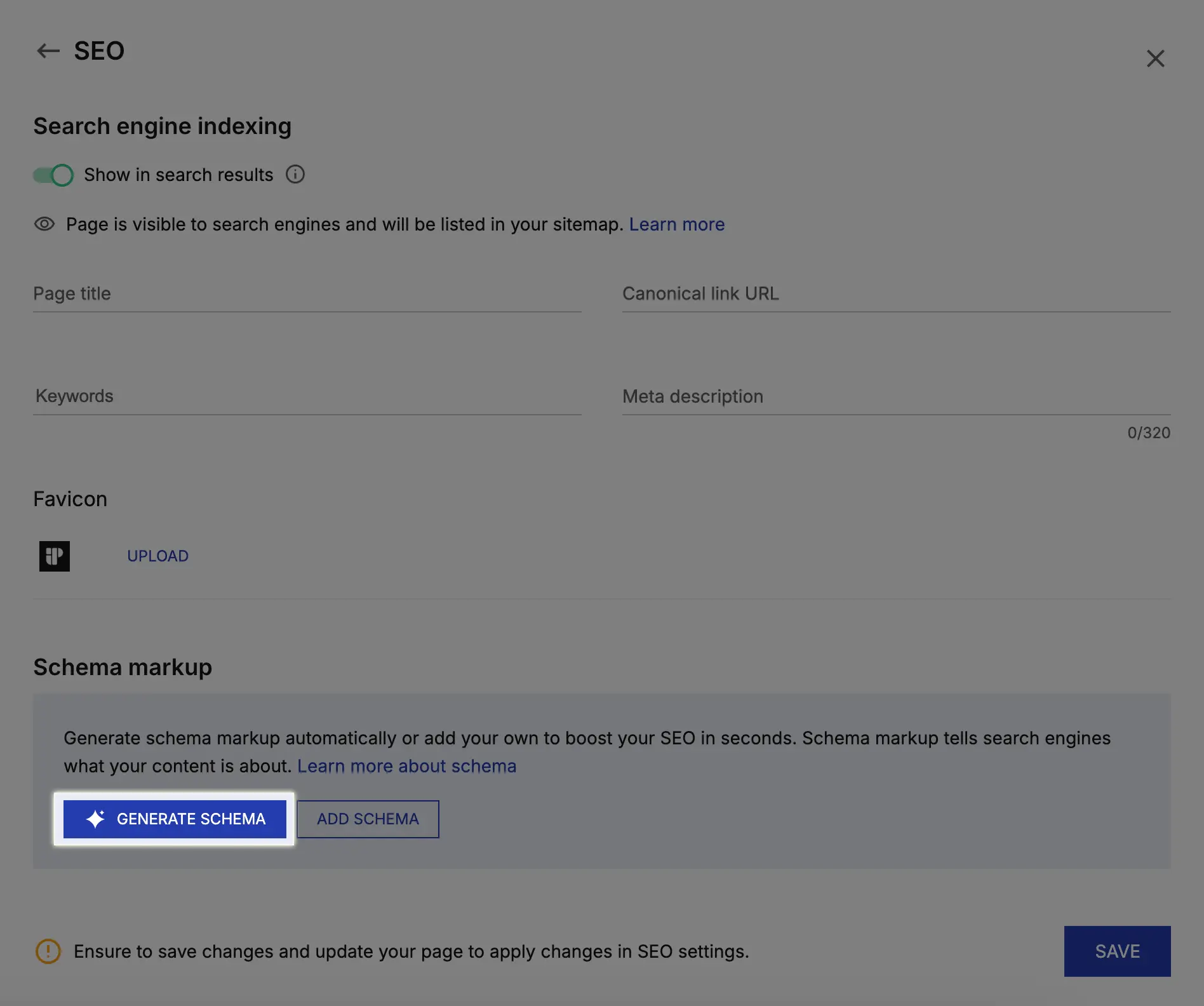
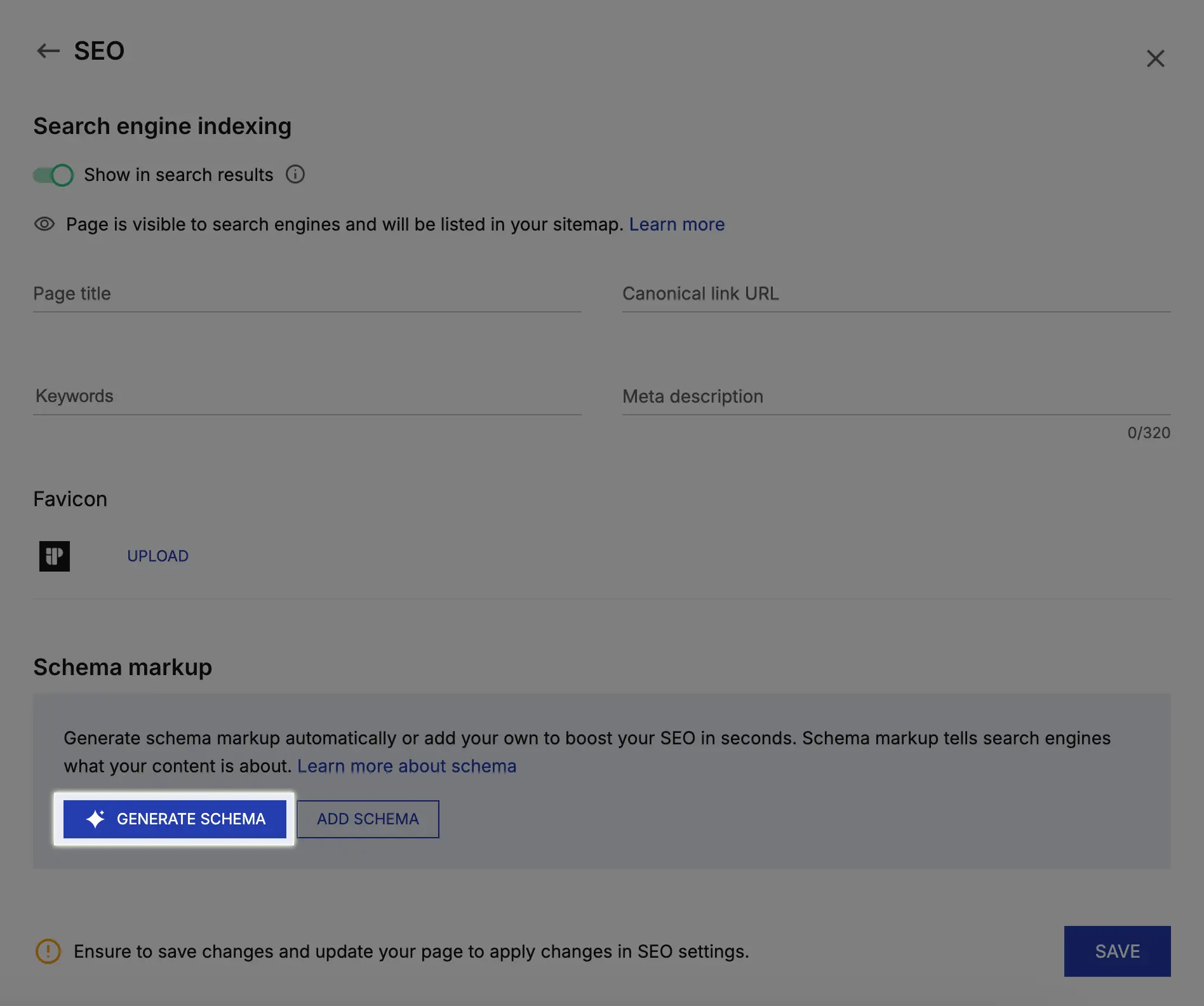
Instapage, a leading platform in the post-click automation and landing page software industry, has officially announced the integration of an AI-powered Schema Markup tool into its core page-building ecosystem. The new feature is designed to allow marketers to generate, validate, and deploy structured data directly within their landing page settings, eliminating the historical requirement for manual coding or developer intervention. This development comes at a critical juncture in the digital marketing landscape, as the industry grapples with the dual challenges of tightening advertising budgets and the rapid ascent of AI-generated search results. By simplifying the implementation of schema, Instapage aims to ensure that its users’ content remains visible not only to traditional search engines like Google and Bing but also to the emerging class of AI-driven answer engines such as OpenAI’s SearchGPT and Google’s Search Generative Experience (SGE).
The introduction of this tool addresses a long-standing technical hurdle for performance marketers. While landing pages are often optimized for conversion and aesthetic appeal, they frequently lack the underlying structured data—known as schema markup—that allows search algorithms to parse the specific context of the content. Without these signals, even high-performing pages may fail to appear in rich snippets, knowledge panels, or the direct answers provided by modern AI assistants. Instapage’s new solution utilizes artificial intelligence to analyze page content and automatically generate the appropriate JSON-LD (JavaScript Object Notation for Linked Data) code, which is the industry-standard format for structured data recommended by major search engines.
The Evolution of Search and the Necessity of Structured Data
To understand the significance of Instapage’s latest update, it is necessary to examine the evolution of Search Engine Optimization (SEO) over the past decade. Traditionally, SEO focused heavily on keywords, backlinks, and page load speeds. However, the founding of Schema.org in 2011—a collaborative effort by Google, Bing, Yahoo, and Yandex—marked a shift toward the "semantic web." This movement sought to create a shared vocabulary that webmasters could use to help search engines understand the meaning behind the data on a page.
In the current era of Generative AI, this vocabulary has become more vital than ever. Large Language Models (LLMs) and AI search agents do not merely "index" pages; they "interpret" them. Structured data acts as a roadmap for these systems, clearly defining attributes such as product prices, event dates, organizational hierarchies, and frequently asked questions. According to industry data from various SEO research firms, pages that utilize schema markup to earn "rich results" can see a click-through rate (CTR) improvement of up to 30% compared to standard blue-link results. Furthermore, as "zero-click searches"—where the user finds the answer directly on the search results page—continue to rise, being the source of that structured data is the only way for brands to maintain authority and brand presence.
Technical Capabilities of the Instapage Schema Tool
The new feature set within Instapage is built around three core pillars: generation, validation, and publication. The workflow is integrated into the existing SEO settings panel of the Instapage builder, maintaining the platform’s "no-code" philosophy.
One of the most notable technical components is the "Auto-detect" functionality. When a user is uncertain which schema type applies to their landing page, the AI-driven system scans the text, images, and offers on the page to suggest the most relevant schema category. This reduces the risk of "schema mismatch," a common error where incorrect structured data is applied, potentially leading to search engine penalties.
The tool supports a wide array of schema types tailored for diverse business objectives:

- Organization and Person: Essential for brand authority and personal branding, helping to populate Knowledge Graph panels.
- Product: Allows for the inclusion of price, availability, and review ratings directly in search results, which is critical for e-commerce conversion.
- LocalBusiness: Enhances visibility for physical locations in "near me" searches and map results.
- Event: Enables dates, locations, and ticket links to appear in specialized search modules.
- FAQPage: One of the most effective types for capturing "real estate" on a search results page by listing questions and answers directly under the main link.
Following the generation of the JSON-LD code, the tool includes a built-in validation step. This ensures that the code is free of syntax errors before it is pushed live. Once validated, the schema is automatically injected into the page’s header upon the next publication cycle.
Strategic Context: Tightening Budgets and the Shift to Organic Growth
The release of this feature coincides with a significant shift in global marketing strategy. As the cost-per-click (CPC) on major advertising platforms continues to rise and privacy regulations like GDPR and CCPA limit tracking capabilities, many organizations are reallocating resources toward organic growth and "owned" media.
Market analysts observe that in a high-interest-rate environment, marketing departments are being pressured to demonstrate higher Return on Ad Spend (ROAS). Diversifying traffic sources is a primary tactic in this climate. By improving organic search visibility through schema markup, brands can reduce their total reliance on paid search and social ads. Instapage’s move to automate this process suggests a broader trend in the MarTech (Marketing Technology) industry: the democratization of high-level technical SEO. What once required a dedicated SEO specialist and a front-end developer can now be accomplished by a generalist marketer in under five minutes.
Timeline of Implementation and Accessibility
Instapage has confirmed that the Schema Markup feature is now available across all its service tiers. The rollout follows a period of beta testing during which early adopters reported a more streamlined workflow for their SEO audits.
The chronology of this development reflects Instapage’s broader roadmap toward AI integration. Over the last 18 months, the company has introduced several AI-centric features, including an AI content generator for headlines and ad copy. The addition of AI-generated schema represents the next logical step in this progression, moving from content creation to content "discoverability."
For existing users, the transition does not require any account migrations. The feature has been added as a native update to the SEO settings within the page editor. For those who prefer manual control, the platform has retained the ability to input custom JSON-LD code, providing a hybrid environment for both novice users and advanced technical SEOs.
Industry Reactions and Expert Analysis
While Instapage has not released formal statements from third-party partners, the reaction among digital marketing analysts has been largely positive. The consensus among SEO professionals is that the "barrier to entry" for technical SEO is the greatest obstacle for small to mid-sized businesses.
"The challenge with schema has always been the maintenance," notes one industry analyst specializing in search behavior. "Websites change, products go out of stock, and FAQ sections are updated. If your schema doesn’t update with your content, you lose that rich snippet. Integrating this into the landing page builder itself ensures that the structured data stays synchronized with the actual live content of the page."
Furthermore, the focus on AI-generated answers is seen as a forward-looking move. As Google continues to test its Search Generative Experience, the importance of "Entity-Based SEO"—which relies heavily on schema—is expected to surpass traditional keyword density. Instapage’s tool positions its users to be the primary data sources for these AI summaries.
Broader Implications for the MarTech Landscape
The launch of the Schema Markup tool by Instapage is indicative of a larger shift in the SaaS (Software as a Service) industry. We are seeing a "convergence of features" where platforms that were once specialized—such as landing page builders—are now incorporating deep SEO and AI capabilities to provide a more holistic "all-in-one" solution.
For competitors in the space, such as Unbounce or Leadpages, the pressure to provide similar AI-driven technical SEO tools is likely to increase. For the end-user, the implication is a significant reduction in the "Total Cost of Ownership" for a high-performing web presence. By removing the need for external SEO plugins or developer hours, Instapage is effectively lowering the cost of technical excellence.
In the long term, the widespread adoption of such tools may lead to a more structured and understandable internet. As more pages provide clear, machine-readable signals, the accuracy of search engines and AI assistants is likely to improve, creating a more efficient ecosystem for both businesses and consumers.
Conclusion and Future Outlook
As digital landscapes become increasingly crowded, the "visibility gap" between those who use structured data and those who do not is expected to widen. Instapage’s new feature provides a streamlined path for businesses to bridge this gap, ensuring their landing pages are optimized for the next generation of search.
By combining AI-driven generation with a user-friendly interface, the platform has addressed a critical pain point in modern digital marketing. As marketing budgets remain under scrutiny, the ability to drive "free" organic traffic through enhanced search visibility remains one of the most sustainable strategies for long-term growth. Instapage’s commitment to this feature suggests that the future of landing page optimization lies not just in how a page looks to a human, but in how clearly it speaks to the machines that guide human discovery.
The feature is currently live, and Instapage is offering a 14-day trial for new users to test the AI Schema generator along with its broader suite of conversion optimization tools. This rollout marks a significant milestone in the company’s history, reinforcing its position as a leader in the intersection of AI, SEO, and conversion rate optimization.







