

The digital optimization market has reached a significant turning point in 2026, as the full integration of Hotjar into the Contentsquare ecosystem has fundamentally reshaped how businesses approach user behavior analytics. While Hotjar historically served as the entry-point for freelancers and small-to-medium enterprises (SMEs) due to its accessible free tier and intuitive interface, the 2025 merger and subsequent pricing restructuring have prompted a mass migration toward alternative platforms. As organizations seek to balance sophisticated data collection with budgetary constraints, the landscape for Conversion Rate Optimization (CRO) tools has diversified, giving rise to specialized competitors that cater to specific niches ranging from enterprise-grade product adoption to completely free, unlimited tracking solutions.
The Chronology of a Market Shift: From Hotjar to Contentsquare
The transition of Hotjar from an independent startup to a core component of an enterprise suite began in 2021 when Contentsquare, a global leader in digital experience analytics, acquired the company. However, the most dramatic changes occurred in early 2025, when the platforms officially merged their infrastructure. This move effectively retired the classic Hotjar pricing model, replacing it with a modular system divided into Experience Analytics, Voice of Customer, and Product Analytics—the latter of which is now heavily powered by Heap, another Contentsquare acquisition.
By August 2026, the market has settled into a new reality. The median annual contract value for the integrated Contentsquare-Hotjar platform has climbed to approximately $20,000, according to procurement data from Vendr. While a basic free tier remains for Experience Analytics, many long-term users have found the new multi-product billing structure—where heatmaps, surveys, and product funnels are invoiced separately—to be a catalyst for exploring the broader market of alternatives.
Analyzing the Leading Alternatives for 2026
The current market offers eight primary alternatives, each designed to address the specific "friction points" that have emerged in the post-merger era. These tools are categorized by their primary utility, pricing transparency, and technical depth.
1. Crazy Egg: The Integrated Optimization Loop
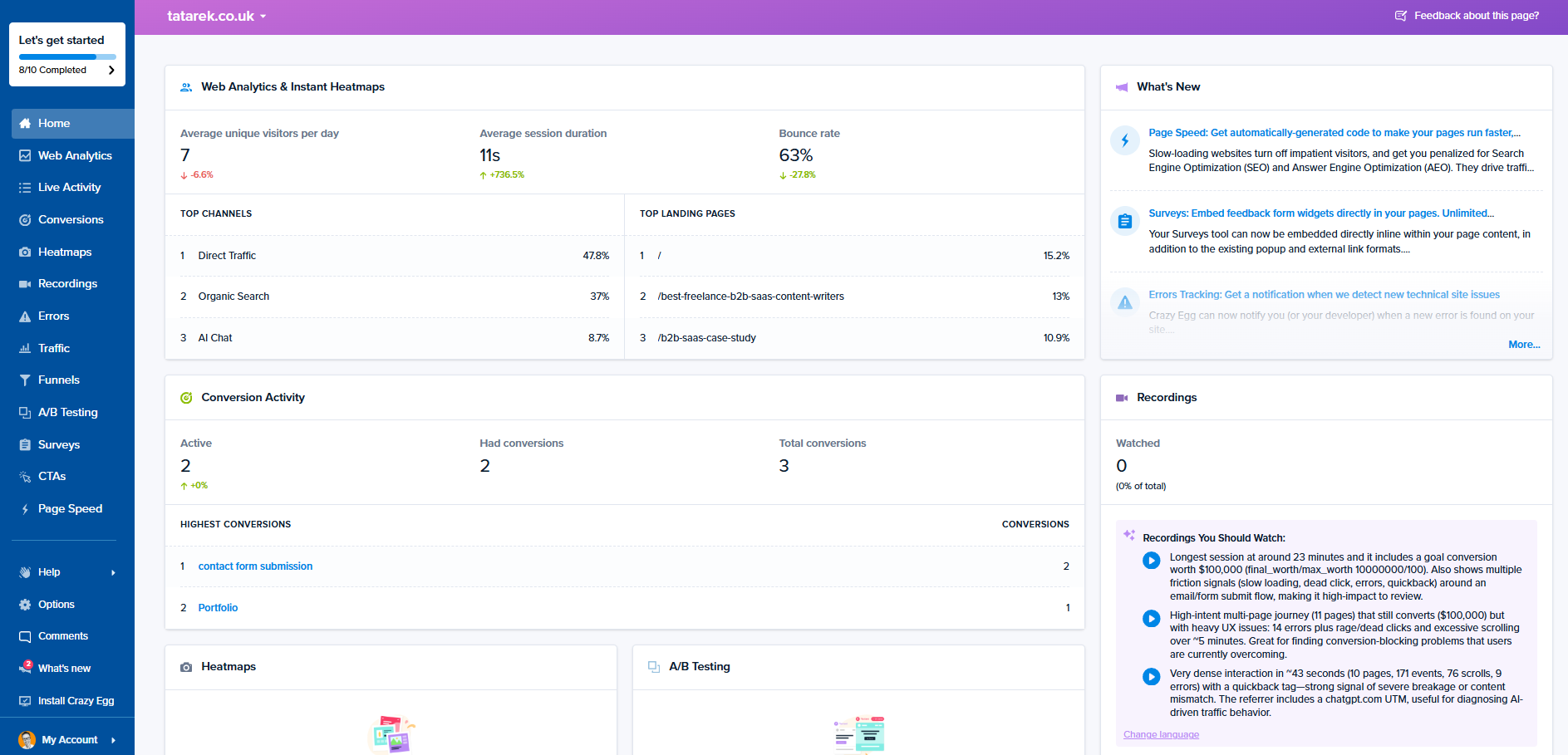
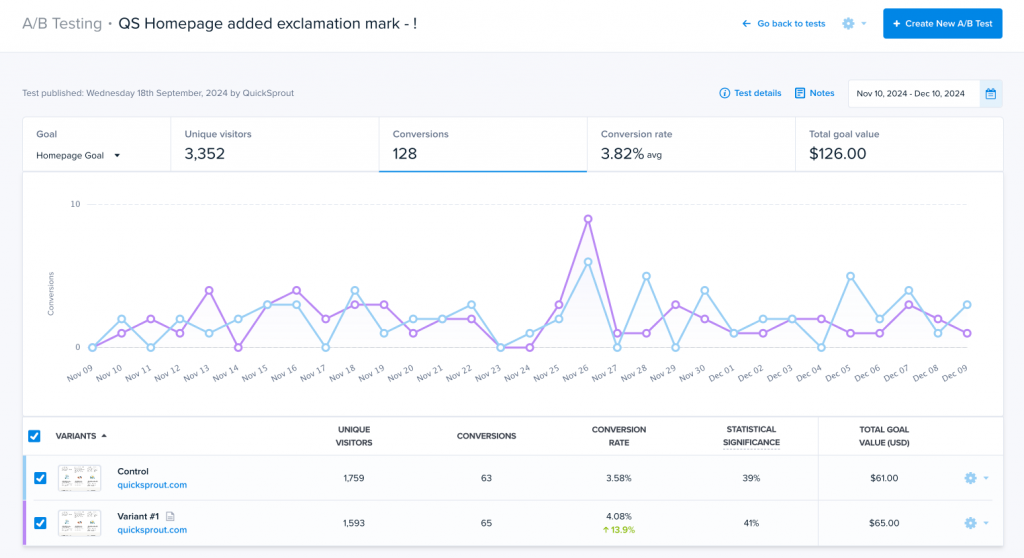
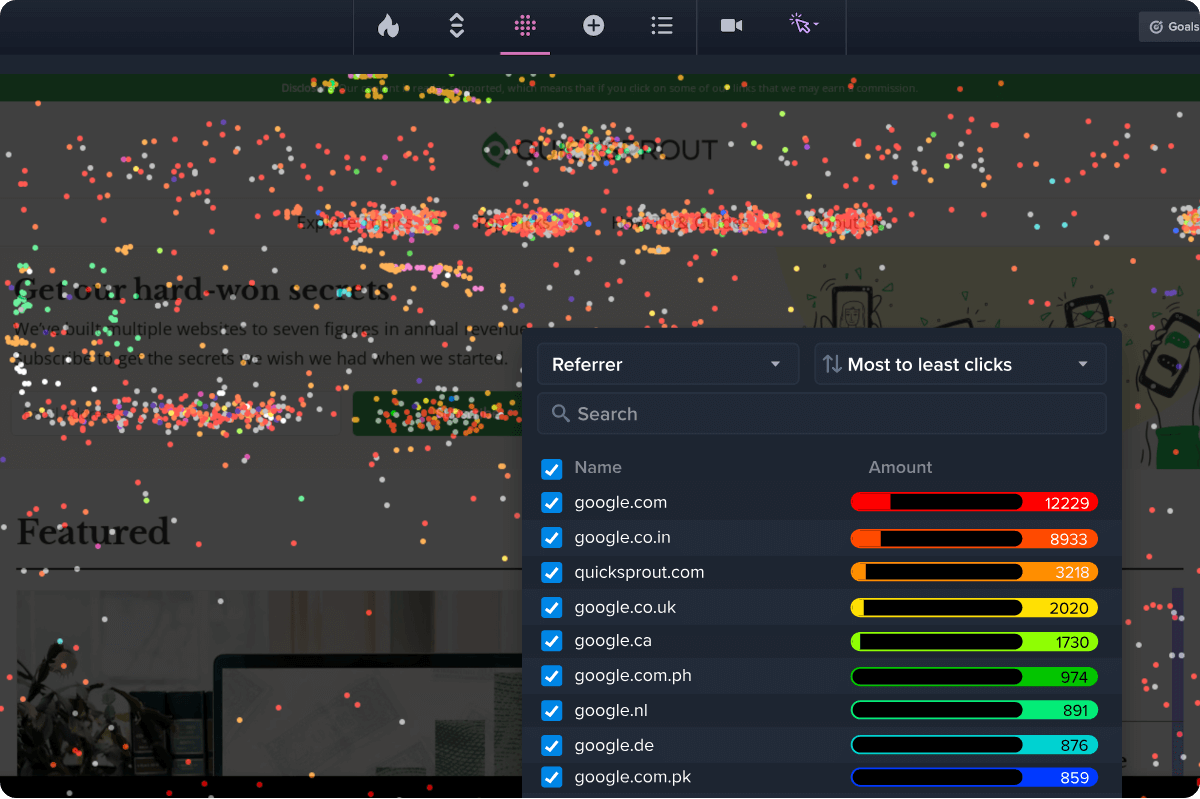
Crazy Egg has positioned itself as the premier choice for teams looking to consolidate the entire optimization lifecycle. Unlike tools that only provide diagnosis (heatmaps and recordings), Crazy Egg includes a native A/B testing and personalization engine. This allows marketing teams to identify a problem through heatmaps and immediately launch a corrective test without integrating third-party software.
Data suggests that the "all-in-one" approach of Crazy Egg reduces the "time-to-insight" for SMEs by eliminating the data silos often found between analytics tools and testing platforms. With pricing ranging from $29 to $599 per month, it remains significantly more accessible than the current enterprise-tier Hotjar plans.
2. Microsoft Clarity: The Zero-Cost Disruptor
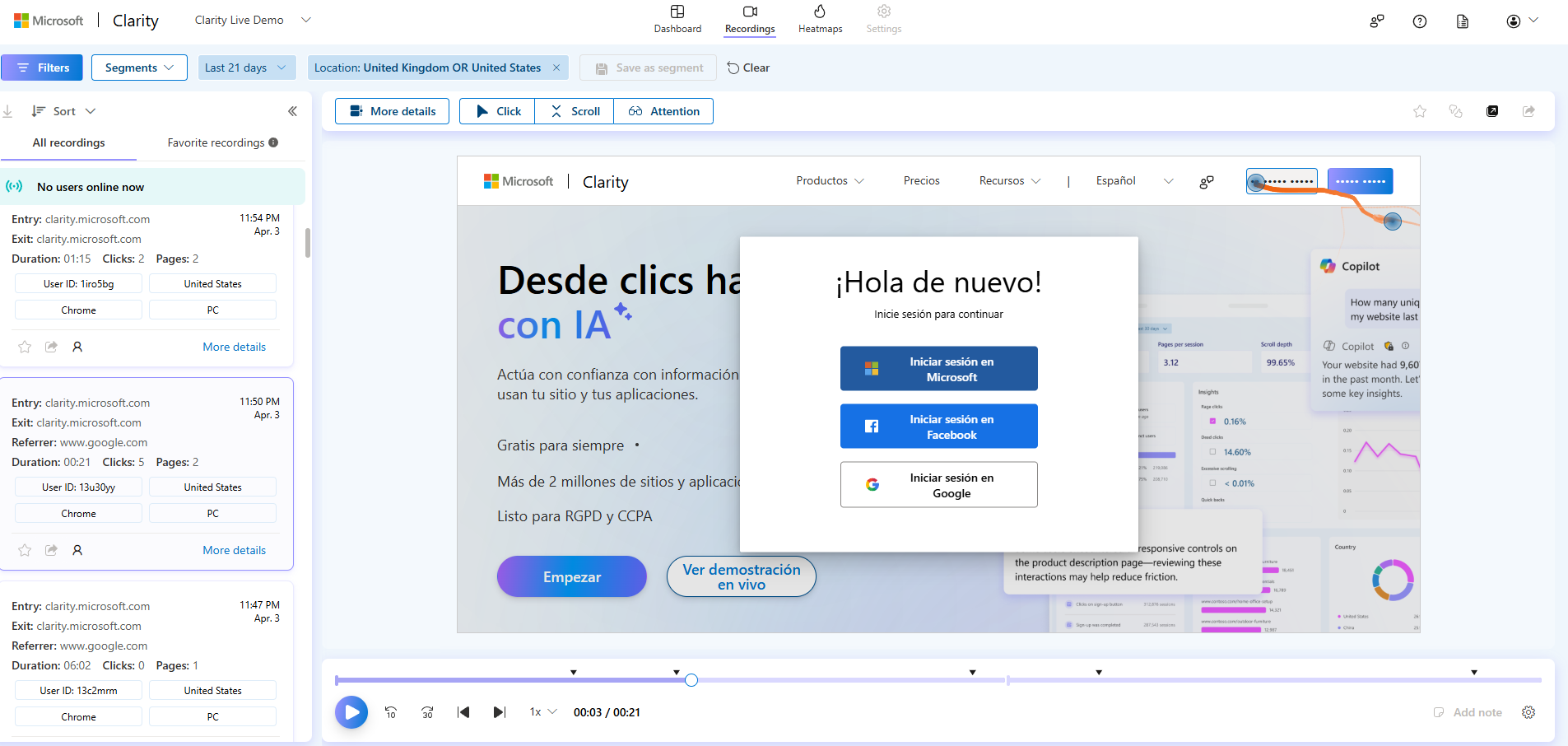
Microsoft Clarity continues to be the most significant disruptor in the behavior analytics space. By offering heatmaps, session recordings, and Google Analytics integration entirely for free with no traffic caps, it has become the default choice for budget-conscious organizations. In 2026, Clarity has enhanced its value proposition by integrating advanced AI session summaries and JavaScript error tracking, features that were previously reserved for paid platforms.
3. Mouseflow: Advanced Friction Analysis
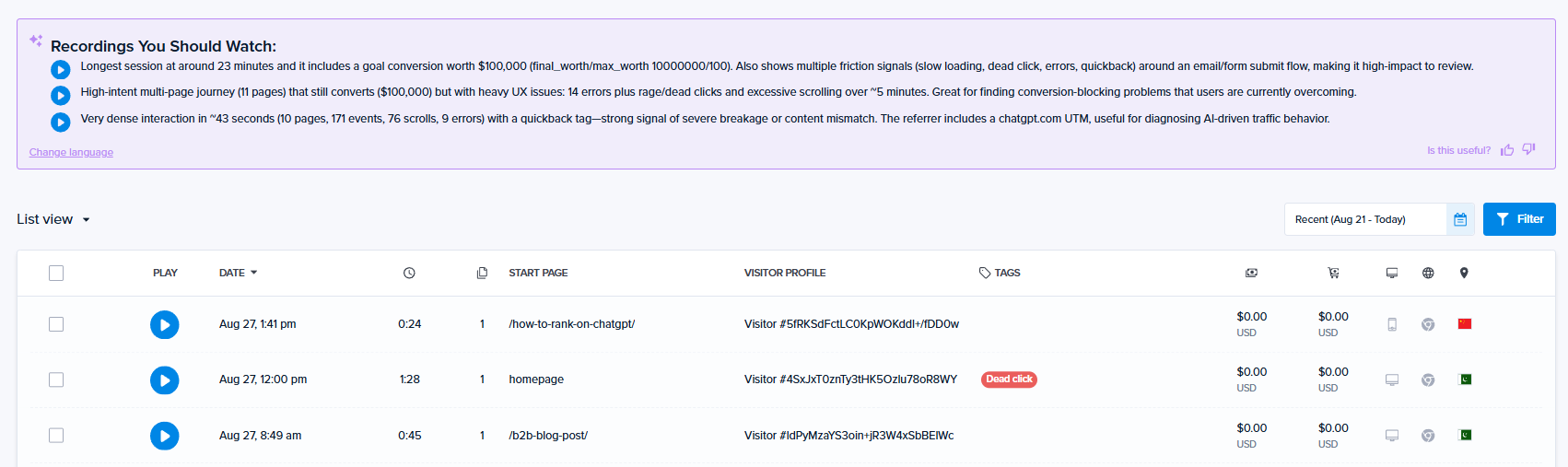
For marketing teams that require deeper technical insights than what a basic heatmap provides, Mouseflow offers a specialized "Friction Score." This metric automatically identifies sessions where users experience "rage clicks," "broken links," or "header frustration." Mouseflow serves as a like-for-like replacement for the mid-tier Hotjar experience but at a more competitive price point, typically ranging from $25 to $319 per month for standard business use.
4. Lucky Orange: E-commerce and Real-Time Support
Lucky Orange has carved out a dominant position among small-to-medium e-commerce teams. Its unique selling proposition is the inclusion of live chat and a "live visitor view," allowing store owners to see what a customer is doing in real-time and intervene via chat to prevent cart abandonment. This proactive approach to CRO is a departure from the purely reactive nature of traditional behavior analytics.
5. FullStory: Enterprise Digital Transformation
FullStory remains the high-water mark for organizations undergoing large-scale digital transformation. It is less of a "heatmap tool" and more of a "data engine" that indexes every digital interaction. While its entry point is high—often cited between $10,000 and $25,000 per year—it provides the level of data fidelity required by product managers to track complex user journeys and long-term retention.
6. PostHog: The Engineer-Centric Platform
PostHog represents the rise of "product-led growth" tools. It is uniquely designed for engineering and product teams, offering an open-source edition that can be self-hosted for maximum data privacy. Beyond session replays, PostHog includes feature flags and a managed data warehouse, making it a critical tool for technical teams that want to tie user behavior directly to specific code deployments.
7. VWO: The Experimentation Powerhouse
VWO (Visual Website Optimizer) is the primary choice for "experimentation-led" teams. While Hotjar focus has shifted toward general experience analytics, VWO has doubled down on the scientific method of CRO. It provides a robust testing framework supported by behavioral data, ensuring that every website change is backed by statistically significant results.
8. Survicate: Specialized Feedback Collection
For organizations that found Hotjar’s survey tools lacking in 2026, Survicate offers a specialized alternative. It focuses exclusively on the "Voice of the Customer," providing over 15 question types and advanced branching logic. It is particularly effective for in-product feedback, allowing SaaS companies to trigger surveys based on specific user actions within an application.
Supporting Data: The Economic Reality of Digital Analytics
The shift in the market is driven largely by the economic divergence between "best-of-breed" tools and "all-in-one" enterprise suites. According to industry analysis from SpendHound, small businesses in 2026 spend an average of $13,749 annually on analytics, while enterprise-level organizations spend upwards of $154,400.
| Tool | Primary Use Case | Starting Price (2026) |
|---|---|---|
| Crazy Egg | Full Optimization Loop | $29/mo |
| Microsoft Clarity | Free Analytics | $0 |
| Mouseflow | Friction Analysis | $25/mo |
| PostHog | Engineering/Product | Usage-based |
| FullStory | Digital Transformation | $10k+/yr |
This price gap has created a "missing middle" where businesses require professional-grade tools but cannot justify the six-figure commitments often required by the top-tier Contentsquare/Hotjar modules.
Industry Implications and Future Outlook
The current state of the market suggests several broader implications for the future of digital experience. First, the commoditization of basic heatmaps—led by Microsoft Clarity—has forced paid providers to innovate in the areas of AI and automation. In 2026, a tool is no longer valuable simply because it records a screen; it must now be able to tell the user why a specific behavior occurred and how to fix it.
Second, data sovereignty has become a primary concern. The rise of open-source alternatives like PostHog and Matomo reflects a growing demand for tools that allow companies to keep their data on their own infrastructure, particularly in highly regulated industries like healthcare and finance.
Finally, the integration of AI has moved from a "nice-to-have" feature to a core requirement. Most top-tier alternatives now offer AI-driven insights that can scan thousands of hours of session recordings to find the ten most impactful videos, a task that previously took human analysts dozens of hours.
As the 2026 fiscal year progresses, the decision to stick with the legacy Hotjar-Contentsquare ecosystem or migrate to an alternative will likely depend on an organization’s internal resources. For those with dedicated data science teams, the depth of the integrated Contentsquare suite may justify the cost. However, for marketing and product teams focused on agility and cost-efficiency, the specialized alternatives listed above offer a more targeted—and often more affordable—path to digital optimization.







