

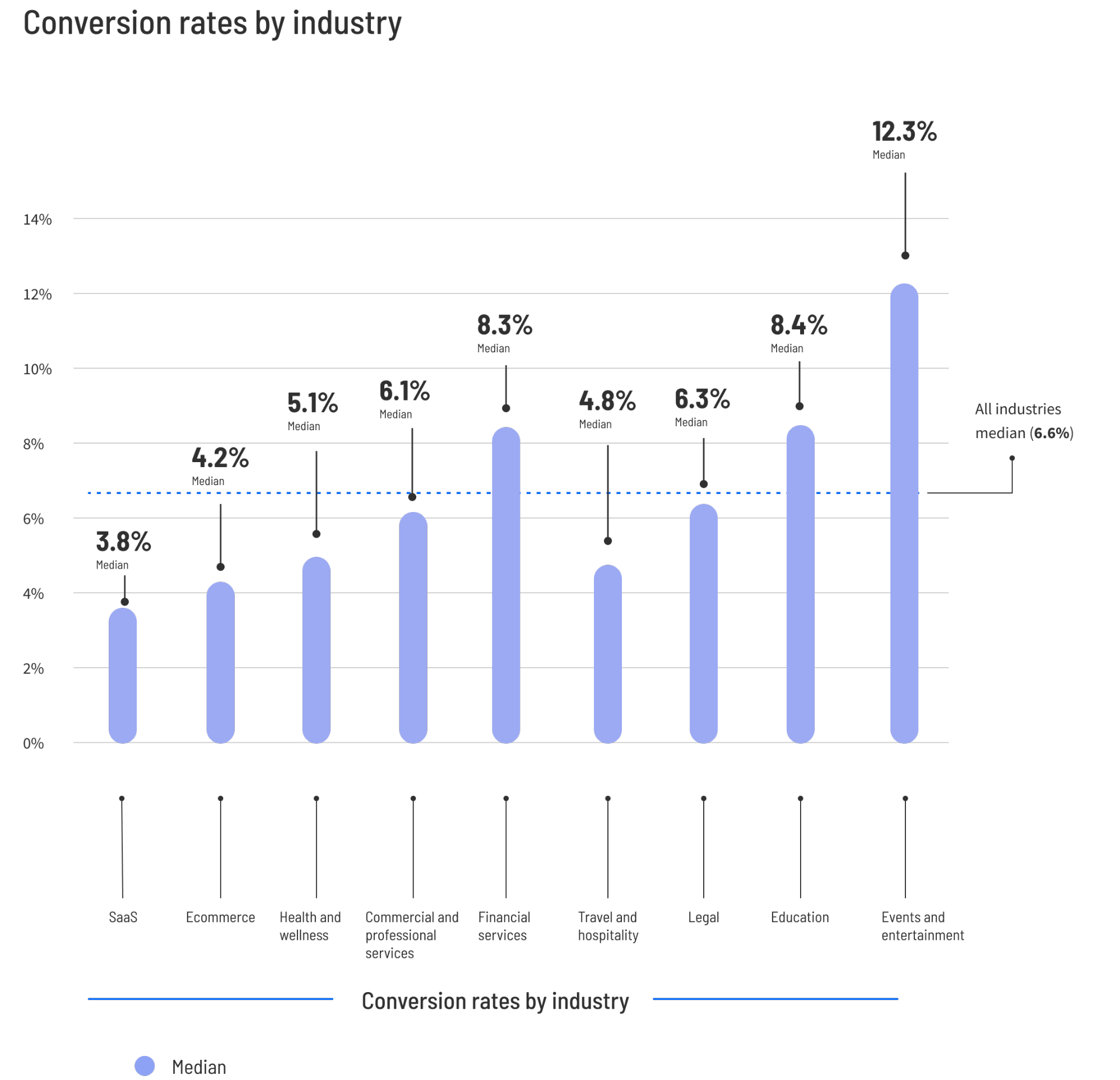
The digital marketing landscape in 2024 has reached a critical juncture, characterized by a stabilization of performance metrics across diverse sectors and a heightening of competition for consumer attention. According to a massive cross-industry analysis encompassing data from over 57 million conversions, 41,000 distinct landing pages, and 464 million individual pageviews, the global median conversion rate for landing pages has been established at 6.6%. While this figure serves as a vital baseline for digital strategists, the report highlights a significant disparity between average performers and those in the top quartile, where conversion rates can surge as high as 40.8%. This data suggests that while the "average" provides a directional compass, the true markers of success are deeply rooted in industry-specific context, user intent, and technical execution.

The Global State of Digital Conversions
In the current economic climate, where marketing budgets are under increased scrutiny, understanding the nuance of conversion rate optimization (CRO) has moved from a tactical necessity to a strategic imperative. The 2024 Conversion Benchmark Report clarifies that a "good" conversion rate is no longer a static number. Instead, top-tier performance is defined as hitting the 75th percentile within a specific niche. For many industries, this means moving beyond the 11.4% threshold to join the elite 25% of performers.
Data analysts emphasize the importance of using median values rather than arithmetic averages to assess performance. In a dataset of tens of thousands of pages, "unicorn" pages with 90% conversion rates or failing pages with near-zero activity can heavily skew the mean. By focusing on the median, the industry receives a more accurate representation of what a typical, healthy business is experiencing in the current market.

Historical Context and Evolution of the Landing Page
To understand the 2024 benchmarks, one must look at the trajectory of digital marketing over the last five years. Following the volatility of the pandemic era, which saw a massive influx of traditional businesses moving online, 2022 and 2023 were years of correction. Privacy changes, such as Apple’s iOS 14.5 update and the gradual phasing out of third-party cookies, forced marketers to shift their focus from broad-spectrum targeting to high-intent landing page experiences.
The 2024 data reflects a more mature digital ecosystem. Consumers are more discerning, and the "frictionless" experience is no longer a luxury but a baseline expectation. The chronology of this shift shows a clear move away from complex, multi-page funnels toward streamlined, single-purpose landing pages that prioritize speed and clarity.
Industry-Specific Performance Metrics
Ecommerce and the Retail Shift
The ecommerce sector continues to be one of the most competitive arenas. The median conversion rate for ecommerce landing pages currently stands at 4.2%. However, the gap between the median and the top performers is vast, with the top 25% of pages achieving 11.4% or higher.
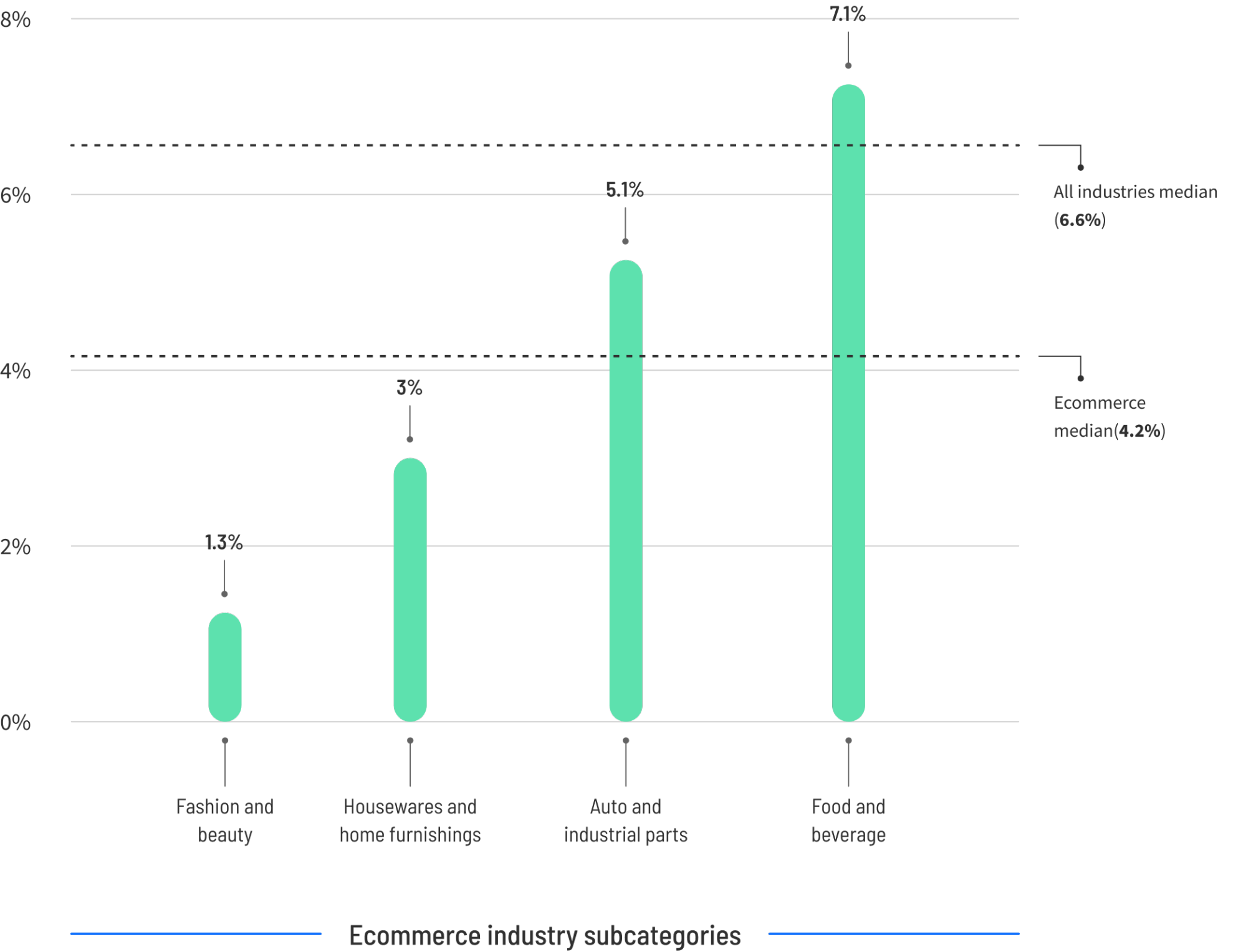
Analysts note that sub-categories within ecommerce play a major role in these figures. Food and beverage pages, which often deal with lower-priced, high-frequency purchases, enjoy a median rate of 7.1%. Conversely, fashion and beauty—sectors plagued by high return rates and intense comparison shopping—see a lower median of 1.3%. This suggests that the "impulse buy" factor remains a primary driver for high-converting retail pages.
The SaaS and Technology Challenge
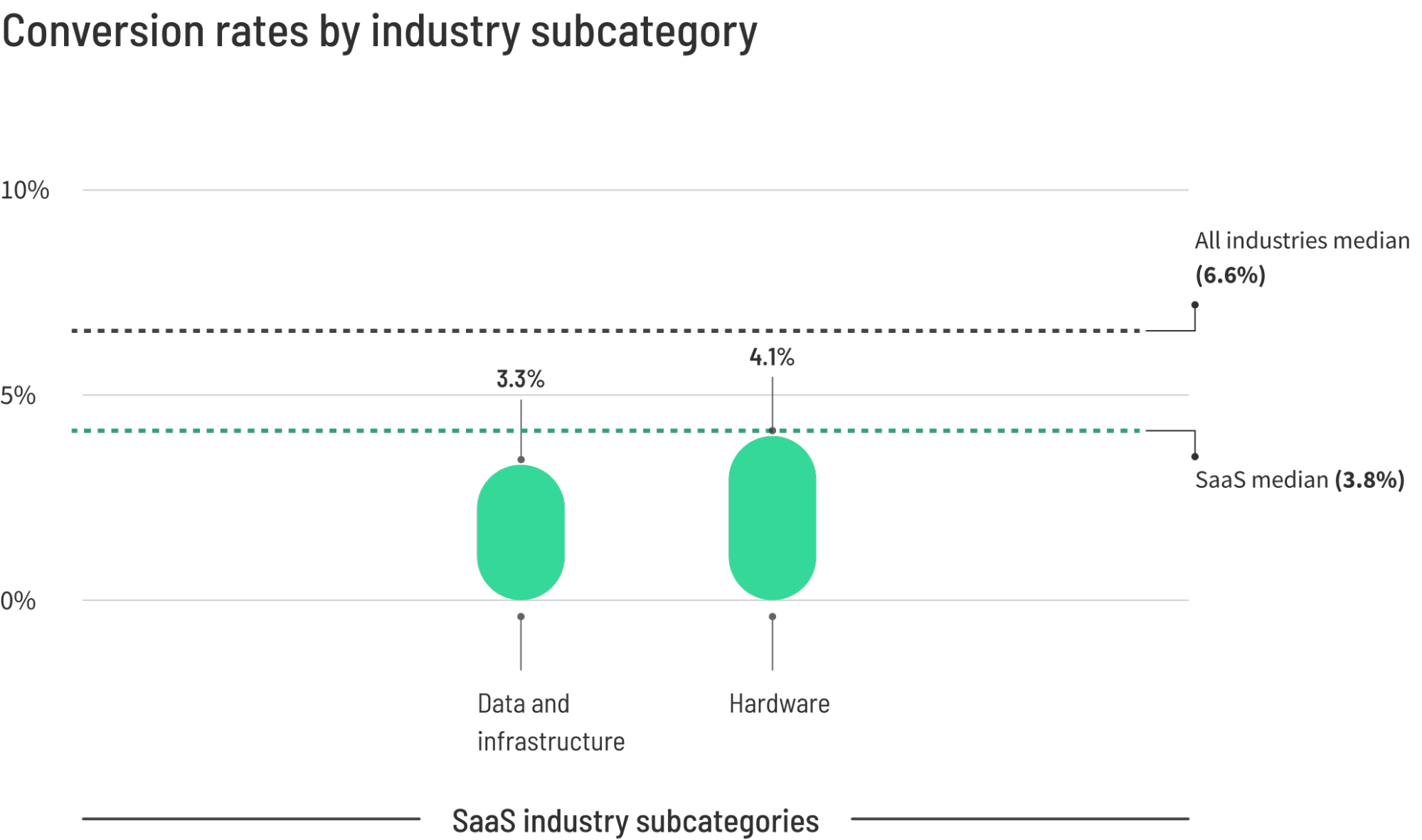
Software-as-a-Service (SaaS) companies face a unique set of hurdles, resulting in a median conversion rate of 3.8%. This lower-than-average figure is attributed to the complexity of the products and the length of the B2B sales cycle. SaaS landing pages are often tasked with educating the consumer while simultaneously attempting to capture a lead.
Within this sector, infrastructure and data solutions tend to convert at a lower rate (3.3%) compared to hardware-focused SaaS (4.1%). The report indicates that SaaS companies breaking into the 11.6% "top tier" are those that successfully utilize "freemium" models or no-credit-card-required trials to lower the barrier to entry.
High-Intent Sectors: Finance and Legal
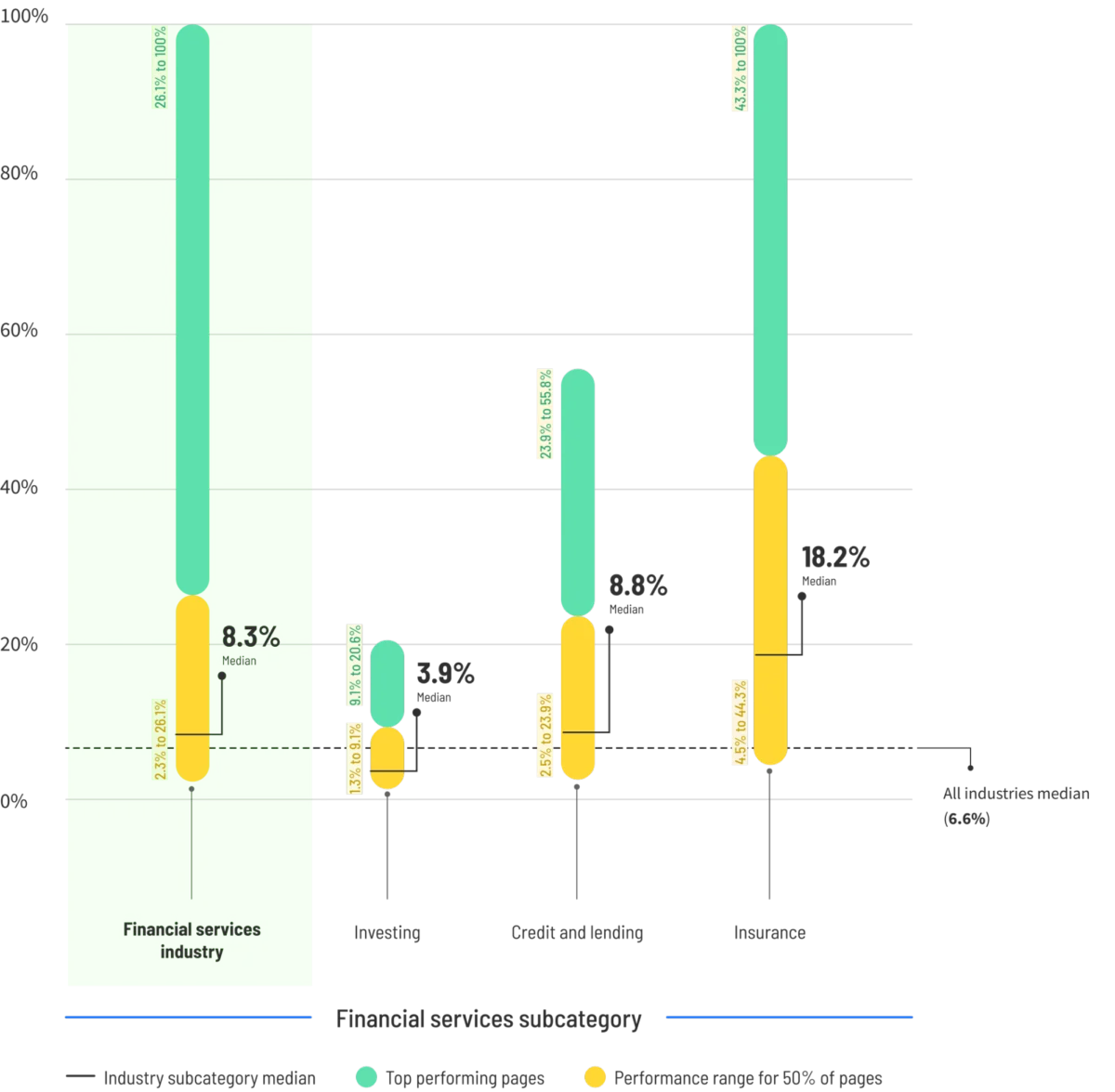
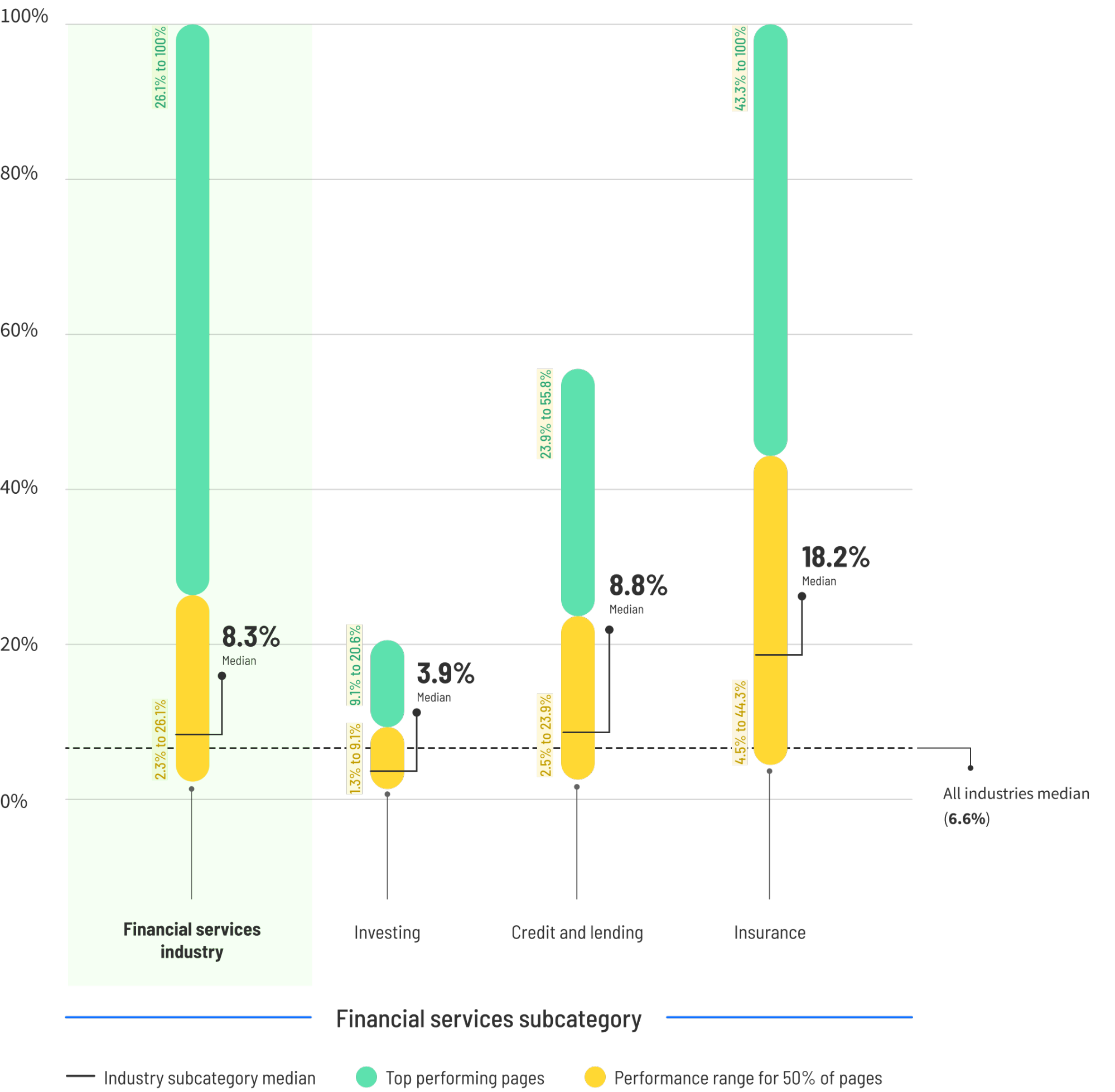
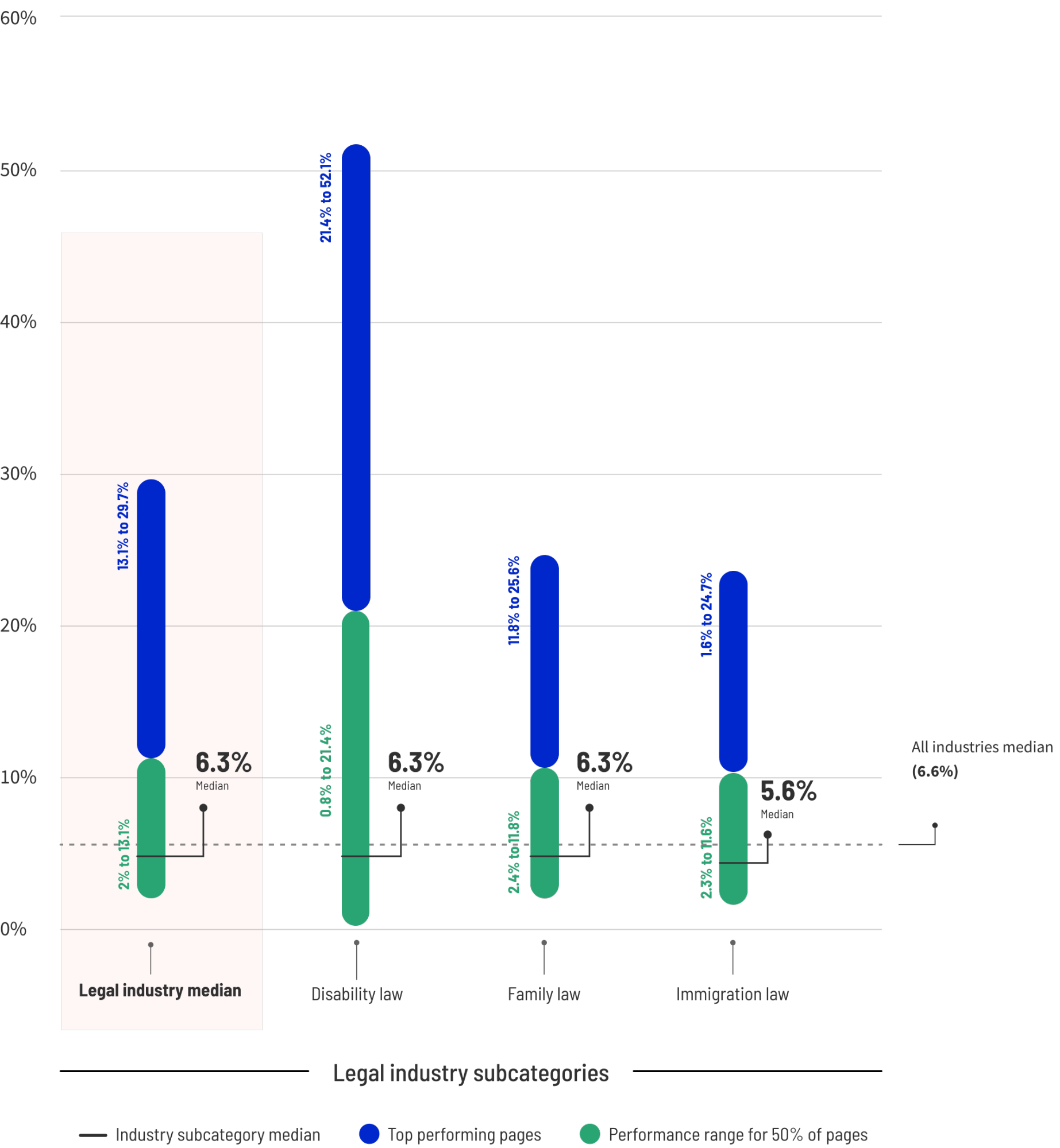
Financial services and legal practices consistently outperform the general median due to the high-stakes nature of the user’s search. Financial services boast a median rate of 8.3%, with insurance-specific pages reaching an impressive 18.2%.
Legal services show a median of 6.3%, but the data reveals a significant mobile-first trend. Legal landing pages convert at 21% on mobile compared to 15.9% on desktop. Expert analysis suggests this is due to "emergency intent"—users searching for legal representation immediately following an accident or urgent legal event. In these scenarios, the first credible page that loads quickly on a smartphone often wins the conversion.
The Psychology of the Conversion: Reading Ease and Copywriting
One of the most striking findings in the 2024 data is the correlation between reading levels and conversion success. Despite the tendency for professional services and SaaS companies to use sophisticated jargon, the data proves that simplicity is the most effective tool for conversion.
Pages written at a 5th-to-7th-grade reading level—characterized by short sentences and common vocabulary—achieve an average conversion rate of 11.1%. This is more than double the conversion rate of pages written at a university or "professional" level. This insight has led to a broader movement within the marketing community toward "de-jargonizing" content to reduce cognitive load on the visitor.
Technical Infrastructure and the Mobile Dominance
The 2024 data confirms that mobile devices now account for approximately 83% of all landing page visits. Despite this overwhelming majority in traffic, mobile conversion rates often lag behind desktop rates in many industries. This "mobile gap" is frequently cited as the single largest opportunity for growth in the coming year.
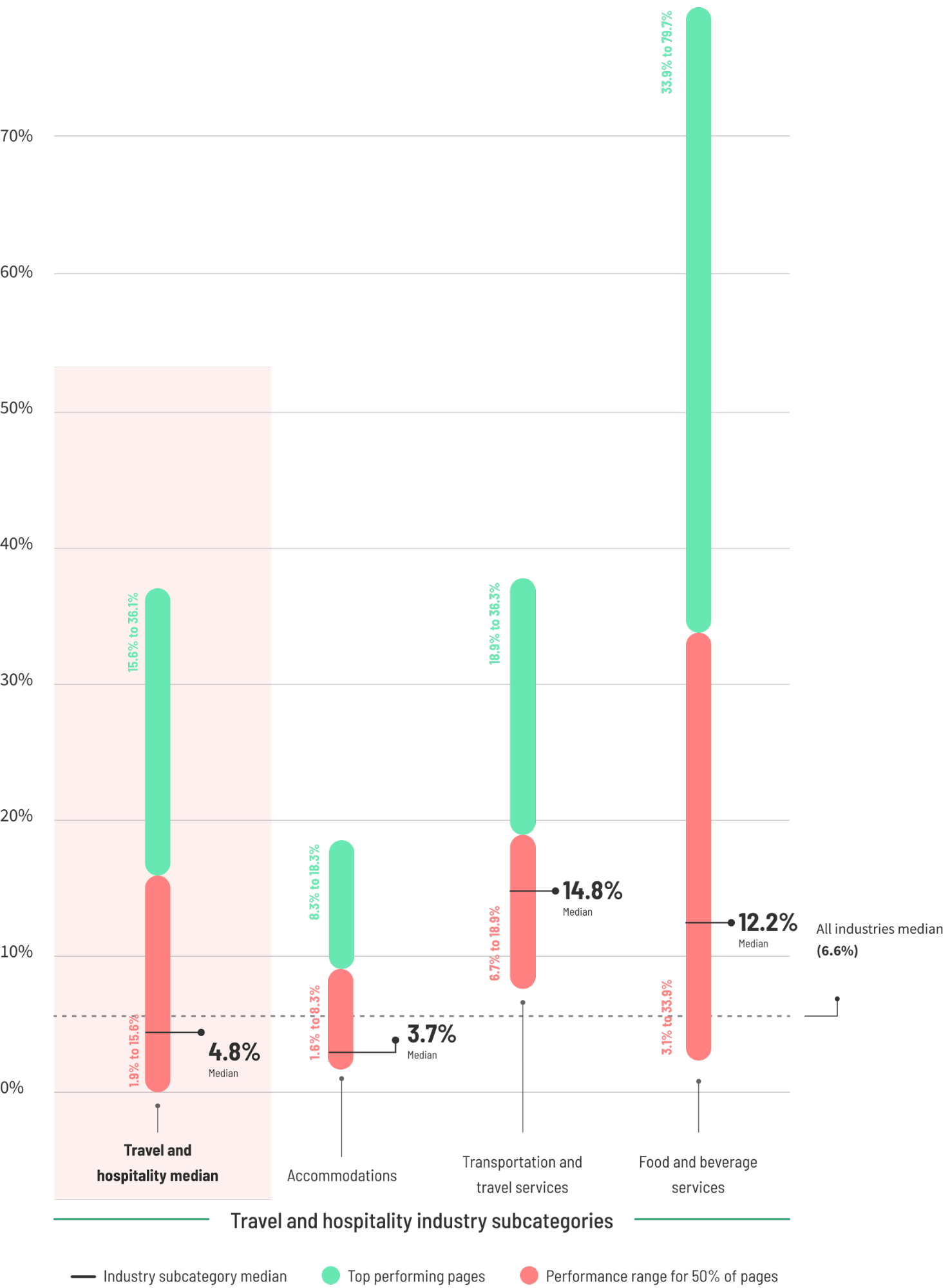
However, certain industries have already inverted this trend. In the Finance and Legal sectors, mobile is the primary conversion driver. For the Travel and Hospitality industry, however, a "cross-device" behavior is observed: users typically conduct initial research on mobile but return to a desktop to complete high-value bookings, leading to desktop conversion rates that are 10.4% higher than mobile.
Traffic Channels and the Hierarchy of Lead Quality
Not all traffic sources are created equal. The 2024 analysis provides a clear hierarchy of how different channels contribute to landing page success:
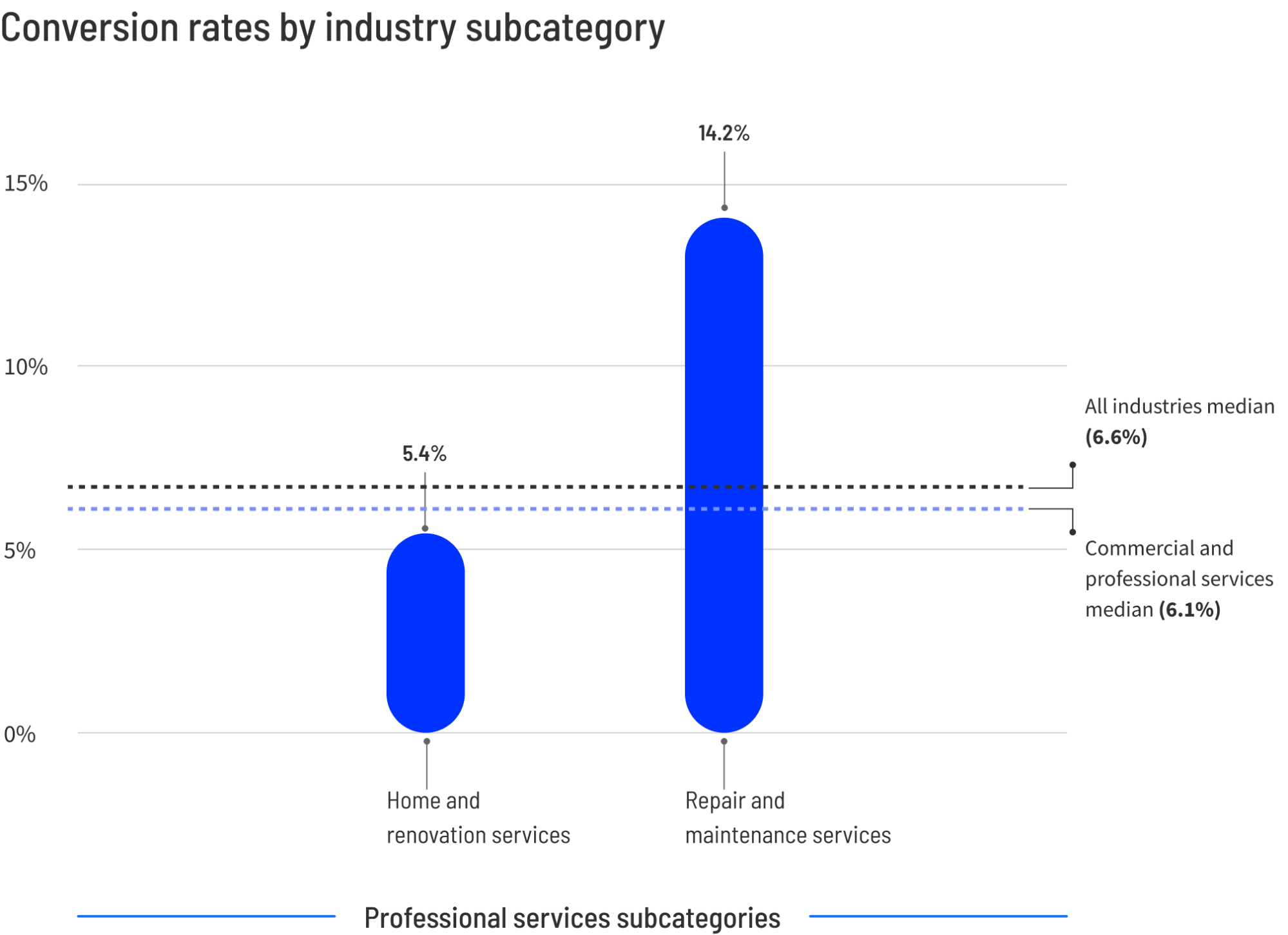
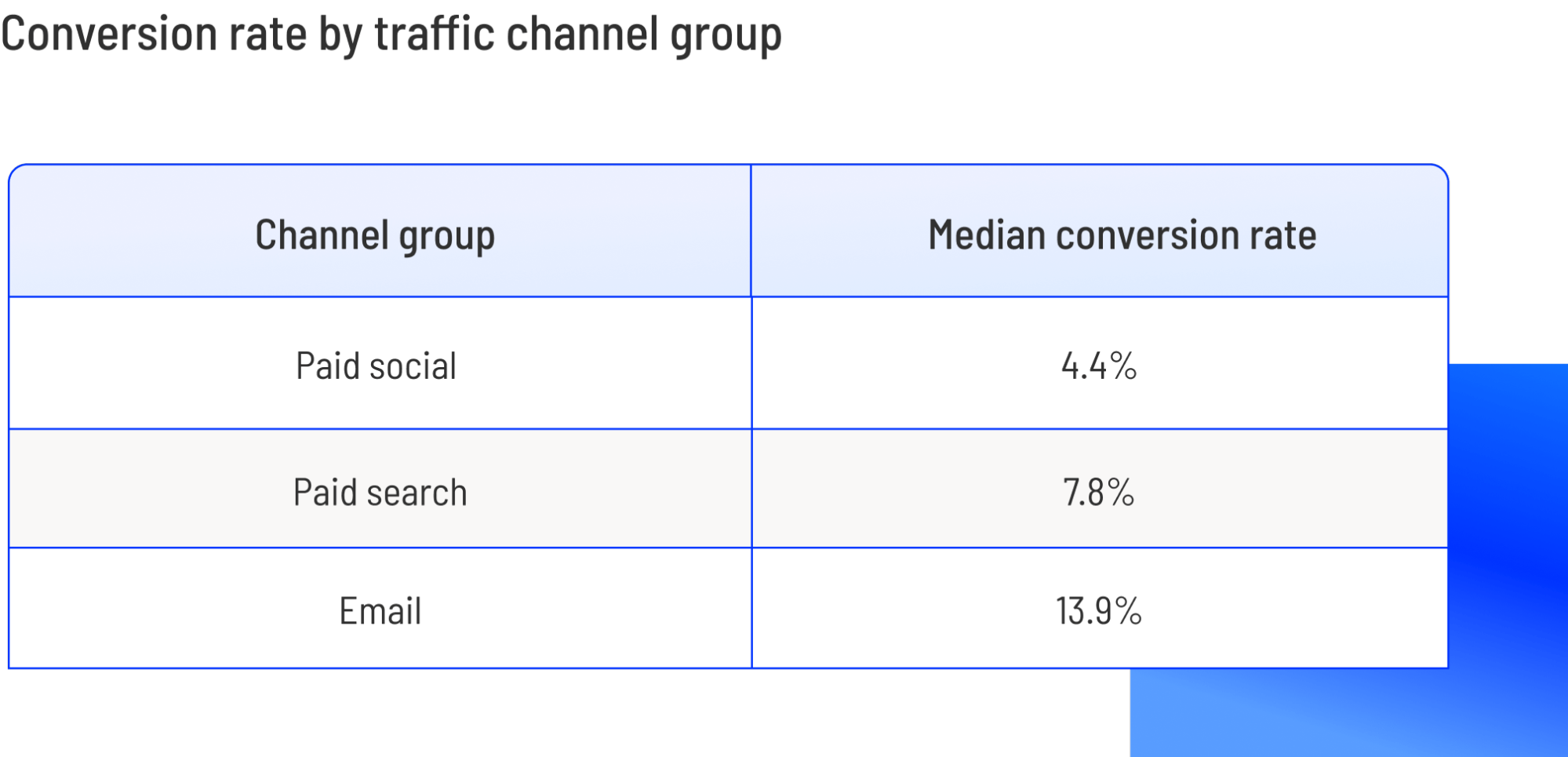
- Email Marketing: Consistently the highest-converting channel across almost all industries. In professional services, email traffic converts at nearly 14%, illustrating the power of nurtured leads versus "cold" traffic.
- Paid Search (PPC): Remains the dominant force for high-intent industries like Legal and Professional Services, where it converts nearly twice as well as paid social media.
- Paid Social: While effective for brand awareness and ecommerce "discovery," paid social often sees lower conversion rates in B2B and SaaS sectors due to the "passive" nature of the audience.
Professional Analysis: Implications for 2025
Marketing experts and growth consultants suggest that the 2024 benchmarks signal a shift toward "intelligent" optimization. Josh Gallant, founder of Backstage SEO and a contributor to the report, notes that the era of generic A/B testing is being replaced by AI-driven personalization.
"The data shows that the most successful marketers aren’t just changing button colors," Gallant stated. "They are using tools like Smart Traffic to automatically route visitors to the page variant that best matches their specific intent and device type. The gap between a 6% and a 15% conversion rate is often found in how well the page respects the user’s time and provides immediate, simple answers."
The broader implication for the industry is that as AI continues to lower the cost of content production, the value of high-converting, well-structured landing pages will only increase. With more noise in the digital space, the ability to convert a visitor into a lead or customer becomes the primary differentiator between profitable and unprofitable campaigns.
Conclusion and Future Outlook
The 2024 Conversion Benchmark Report serves as a reminder that digital marketing is a game of marginal gains. While a 6.6% median conversion rate is the current standard, the path to the top 25% requires a systematic approach to simplifying copy, optimizing for mobile urgency, and selecting the right traffic channels.
As we move toward 2025, the focus is expected to remain on reducing friction and increasing trust. With the rise of "fake" AI-generated content, authentic social proof—such as verified reviews and real-time client testimonials—is predicted to become the most influential element on any landing page. For businesses looking to outperform their peers, the strategy is clear: match the simplicity of the message to the urgency of the user’s need.







