

The value proposition stands as a foundational pillar of modern commercial strategy, serving as a definitive statement that articulates why a target consumer should choose a specific product or service over available alternatives. In an era characterized by market saturation and rapid digital disruption, the ability of a business to clearly communicate its unique utility, identify its primary audience, and demonstrate its superiority over competitors has become a critical determinant of long-term solvency. Market analysts define the value proposition not merely as a marketing slogan, but as a comprehensive alignment of a company’s internal operations with the external needs of its customer base.
To develop a robust value proposition, organizations must engage in a rigorous multi-stage process: defining the target demographic, mapping specific "jobs-to-be-done," converting technical features into tangible benefits, and identifying unique differentiation angles. This strategic framework is often refined through iterative drafting and empirical testing. Unlike a mission statement or a tagline, which serve aspirational or mnemonic purposes respectively, the value proposition is a functional promise of value delivery. This report examines the structural components of effective value propositions, the methodologies for their creation, and their measurable impact on business performance.
Definitional Boundaries: Distinguishing Value Propositions from Related Branding Assets
In the field of strategic communications, confusion frequently arises between a value proposition, a unique selling proposition (USP), a mission statement, and a tagline. However, each serves a distinct role within the corporate ecosystem. A value proposition is customer-centric, focusing on the specific problems solved and the gains realized by the user. While it encompasses uniqueness, its primary objective is the articulation of "value" in the customer’s context.
![Value Proposition: What It Is and How to Write One [+ Examples]](https://ceblog.s3.amazonaws.com/wp-content/uploads/2026/07/15113335/The-Value-Proposition-Canvas.png)
In contrast, the USP is a narrower concept that highlights the singular factor that differentiates a product from its rivals. For example, a freelance writer’s value proposition might promise high-converting blog content for B2B SaaS firms, while their USP might be the absence of long-term agency retainers or specialized technical expertise. When these elements are combined, they are frequently referred to as a Unique Value Proposition (UVP).
Furthermore, the mission statement represents the company’s internal "why"—its purpose and long-term aspirations. While the mission statement guides the organization’s direction, the value proposition provides the customer’s "why"—the reason for the transaction. Taglines and slogans, such as Nike’s "Just Do It," serve as memory devices. While these creative assets are informed by the value proposition, they are designed for brand recall and emotional resonance rather than detailed functional explanation.
The Structural Anatomy of the Value Proposition Canvas
The most widely recognized methodology for constructing these statements is the Value Proposition Canvas, a framework that bridges the gap between the customer profile and the company’s offering. This tool segments the customer’s experience into three categories: "jobs-to-be-done" (the tasks they are trying to complete), "pains" (the obstacles or negative outcomes they fear), and "gains" (the positive outcomes they desire).
The company then maps its "value map" against these segments. This involves identifying specific "pain relievers" that mitigate customer frustrations and "gain creators" that deliver the expected or desired benefits. A high-performing value proposition typically answers four fundamental questions:
![Value Proposition: What It Is and How to Write One [+ Examples]](https://ceblog.s3.amazonaws.com/wp-content/uploads/2026/07/15113247/Value-Proposition-Wise.png)
- Who is the specific target customer?
- What is the primary obstacle or problem they face?
- What is the specific benefit or outcome they will achieve?
- Why is this solution superior to the status quo or competing offerings?
A Six-Step Roadmap for Strategic Construction
The creation of a value proposition requires a transition from internal product knowledge to external market empathy. Industry experts recommend a six-step approach to ensure the final statement resonates with the intended audience.
1. Granular Audience and Competitor Analysis
The process begins with a detailed definition of the target customer, moving beyond broad demographics to specific roles and situations. For instance, instead of targeting "small businesses," an effective strategy might target "freelance content creators using manual spreadsheets for tax compliance." Concurrently, businesses must audit the competitive landscape, identifying not just direct competitors but also "passive" competitors, such as manual processes or in-house workarounds.
2. Identification of Customer "Jobs, Pains, and Gains"
Successful organizations utilize primary research—such as customer interviews and review mining—to capture the exact language used by their audience. Understanding the "job" a customer is trying to hire a product to do allows the company to align its messaging with the customer’s actual lived experience rather than internal assumptions.
3. The "So What?" Feature-Benefit Transformation
A common pitfall in corporate communication is the over-reliance on technical features. To circumvent this, strategists employ the "So What?" test. If a software feature allows for "automated bank feed synchronization," the first "so what" reveals that the user no longer needs to record expenses manually. The second "so what" identifies the ultimate value: the elimination of manual errors and the recovery of several hours of billable time per week.
![Value Proposition: What It Is and How to Write One [+ Examples]](https://ceblog.s3.amazonaws.com/wp-content/uploads/2026/07/15113317/Value-Proposition-Shoes.png)
4. Strategic Differentiation
Once the benefits are established, the organization must identify its "differentiation angle." If the core benefits are identical to those of competitors, the company must look to other levers, such as specialized niche focus, superior user experience, innovative pricing models, or exceptional customer support.
5. Formulaic Drafting
Using established templates—such as those developed by Geoff Moore or Steve Blank—teams should produce multiple iterations of the value proposition. These formulas generally follow a structure such as: "For [target customer] who [statement of need], our [product] is a [product category] that [statement of benefit]."
6. Empirical Validation and Testing
A value proposition is a hypothesis until it is tested in the marketplace. Methods for validation include A/B testing of website headlines, analyzing click-through rates on targeted advertisements, and using heatmaps to observe how users interact with value-based messaging on landing pages.
Case Studies in Effective Value Communication
Examining market leaders reveals how diverse industries utilize the value proposition to secure market share.
![Value Proposition: What It Is and How to Write One [+ Examples]](https://ceblog.s3.amazonaws.com/wp-content/uploads/2026/07/15113441/Value-Proposition-QuickFile.png)
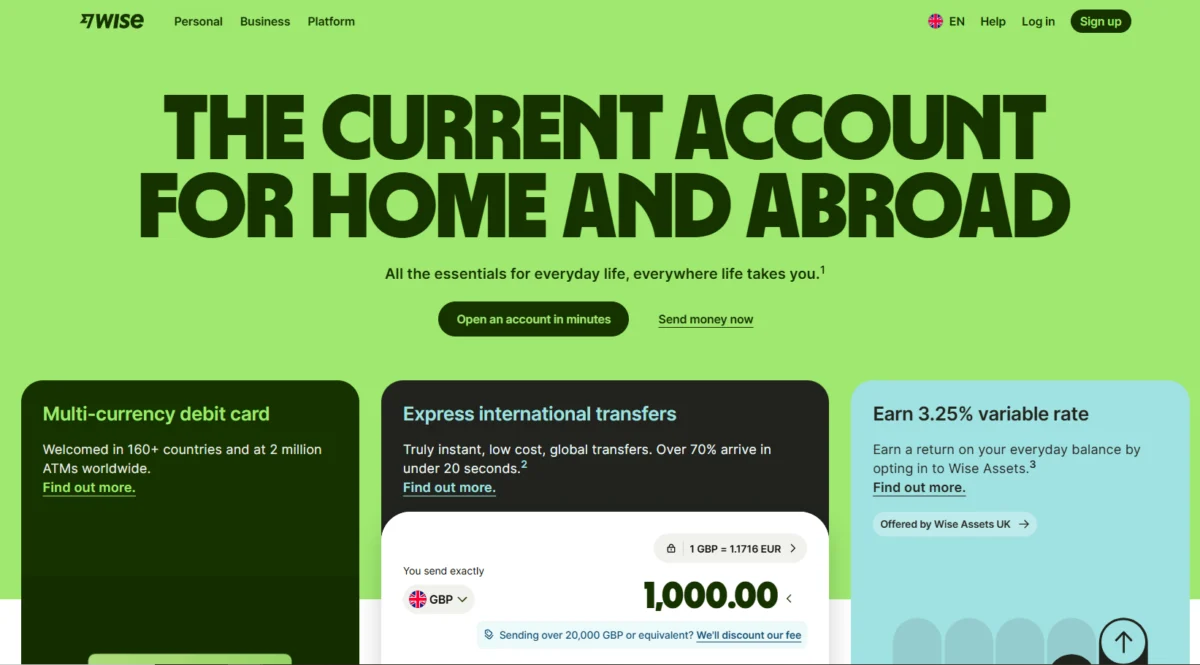
Wise (formerly TransferWise): Wise targets individuals and businesses operating across borders. Their value proposition centers on transparency and cost-efficiency, promising transfers that are "up to 75% less than banks charge." By naming the specific pain point (high bank fees) and the gain (savings and speed), they occupy a clear niche in the fintech sector.
DuckDuckGo: In a market dominated by Google, DuckDuckGo’s value proposition focuses entirely on a single differentiator: privacy. Their messaging—"Switch to DuckDuckGo. It’s private and free"—addresses the growing consumer anxiety regarding data tracking, positioning their service as the ethical alternative to the status quo.
Zapier: As an automation platform, Zapier’s value proposition emphasizes compatibility and empowerment. By using the phrase "Your tools. Your rules. Any AI," they speak to the "gain" of total control over a fragmented digital ecosystem, highlighting their 9,000+ integrations as a key pain reliever for workflow inefficiency.
The Economic and Operational Impact of Clear Messaging
Data suggests that the clarity of a value proposition has a direct correlation with conversion rates and customer acquisition costs (CAC). According to industry benchmarks, businesses that successfully communicate a clear value proposition see a significant reduction in bounce rates on digital platforms. Furthermore, a strong value proposition serves as an internal alignment tool, ensuring that product development, sales, and marketing teams are all working toward a unified goal of customer value delivery.
![Value Proposition: What It Is and How to Write One [+ Examples]](https://ceblog.s3.amazonaws.com/wp-content/uploads/2026/07/15113512/Value-Proposition-Gusto.png)
The concept also extends to human resources through the Employee Value Proposition (EVP). Much like the customer-facing version, an EVP articulates the unique benefits of working for a specific organization—encompassing compensation, culture, and professional growth—in exchange for the employee’s skills and engagement. In a competitive labor market, the EVP is a primary driver of talent retention and recruitment.
Future Implications: Evolution in the Age of AI and Personalization
As artificial intelligence continues to reshape consumer expectations, the nature of the value proposition is shifting toward hyper-personalization. Organizations are increasingly moving away from "one-size-fits-all" statements toward dynamic value propositions that adapt based on real-time user data and intent.
However, the core requirement remains unchanged: the statement must be credible, clear, and focused on the customer’s needs. Experts warn that the most frequent mistakes include defining the audience too broadly, making unverifiable claims, and failing to update the statement as market conditions evolve. A value proposition is not a static document but a living strategic asset that must be revisited whenever competitive pressures mount or customer expectations shift.
In conclusion, the development of a value proposition is a high-stakes exercise in strategic clarity. By answering the fundamental questions of who they serve and why they matter, businesses can cut through market noise, build customer loyalty, and establish a sustainable competitive advantage in an increasingly complex global economy. For organizations seeking to optimize their market position, the mandate is clear: define the value, prove the difference, and test the results.







