

The digital marketplace has reached a pivotal juncture where the traditional methods of Conversion Rate Optimization (CRO) are being fundamentally reshaped by the integration of Artificial Intelligence (AI). In the contemporary e-commerce landscape, the ability to anticipate user needs has transitioned from a competitive advantage to a baseline requirement for survival. Just as a seasoned librarian might suggest a patron’s next favorite book before they even ask, AI-driven platforms are now capable of predicting consumer behavior, tailoring interactions, and optimizing digital environments in real-time. This shift represents a move away from static, reactive strategies toward a dynamic, predictive model that prioritizes the user’s individual journey to drive revenue and brand loyalty.
AI conversion rate optimization, or AI CRO, involves the deployment of machine learning algorithms and advanced data processing to identify friction points in the sales funnel, prioritize experimental hypotheses, and deliver hyper-personalized experiences. While traditional CRO relied heavily on manual data analysis and sequential A/B testing—processes that are often labor-intensive and slow to yield actionable results—AI CRO leverages computational power to process vast datasets instantaneously. This does not render human strategists obsolete; rather, it empowers them to move away from the "what" of data collection and focus on the "why" of strategic execution.
The Chronological Shift: From Manual Testing to Autonomous Optimization
To understand the current state of AI in CRO, one must examine the evolution of web optimization over the last two decades. In the early 2000s, optimization was largely heuristic, based on "best practices" and gut feelings. By 2010, the industry moved into the era of manual A/B testing, where marketers would test a single variable—such as the color of a "Buy Now" button—over several weeks to determine a statistically significant winner.
By 2018, the introduction of basic machine learning allowed for more sophisticated recommendation engines, popularized by giants like Amazon and Netflix. However, the most significant leap occurred following the 2023 explosion of generative AI and Large Language Models (LLMs). Today, CRO is entering an era of autonomous optimization, where websites can alter their own layout, copy, and pricing structure in real-time based on the specific profile of the visitor.
Data-Driven Insights and Predictive Analytics
The primary engine behind AI CRO is predictive analytics. By analyzing historical user behavior, AI can identify patterns that are invisible to the human eye. For example, an AI model might notice that users from a specific geographic region who visit a site on a mobile device during lunch hours are 40% more likely to convert if they are shown a "limited time offer" banner immediately upon entry.
Predictive analytics allows businesses to move from descriptive statistics (what happened) to prescriptive actions (what should we do). Tools like HubSpot and Pendo utilize machine learning to forecast outcomes such as cart abandonment. If a user’s behavior—characterized by erratic scrolling or repeated visits to a shipping policy page—signals a high probability of abandonment, the AI can trigger a personalized intervention, such as a real-time chat invitation or a dynamic discount code, to secure the sale before the user exits the site.
The Role of Personalization Engines in the Customer Journey
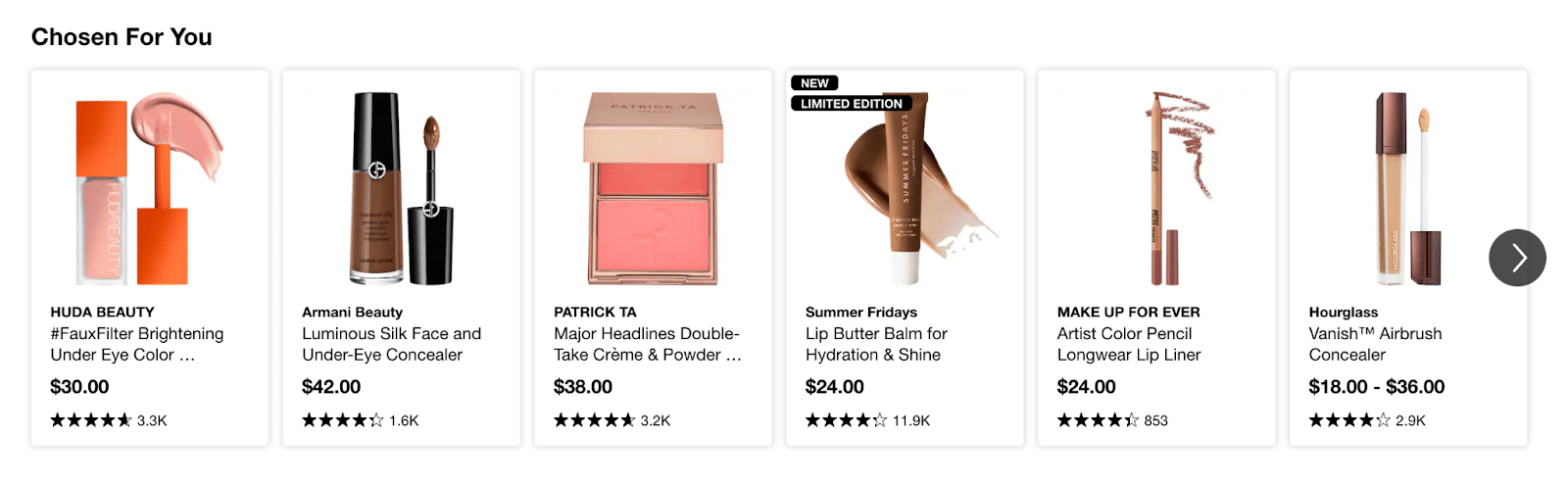
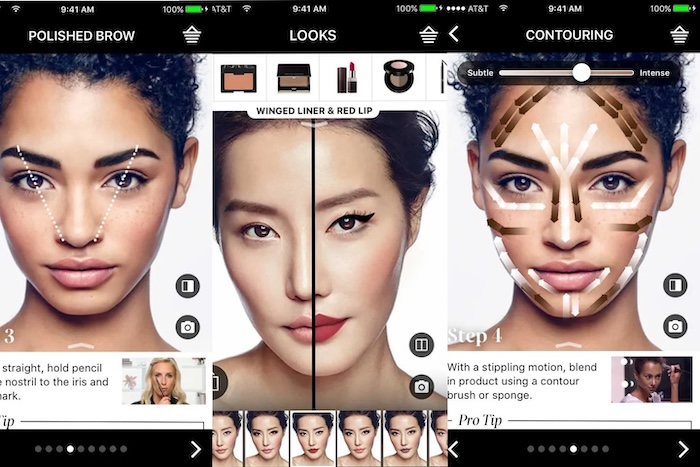
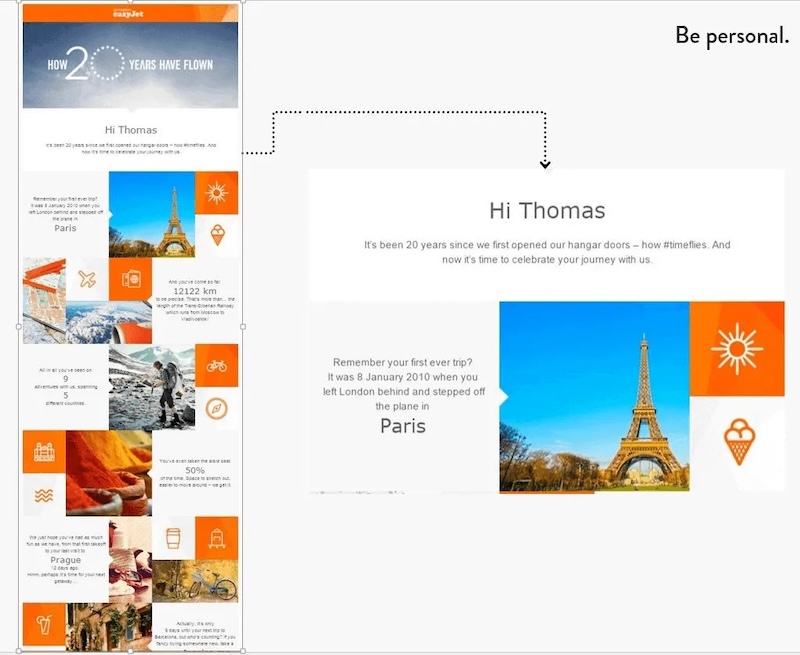
Personalization is no longer limited to addressing a customer by their first name in an email. Modern AI personalization engines create a "segment of one," where the entire website experience is unique to the individual. Sephora, a leader in this space, utilizes AI to recommend products based on a complex matrix of past purchases, browsing history, and even skin type data provided through their "Virtual Artist" tool. This tool allows users to "try on" makeup via augmented reality, significantly reducing the "purchase hesitation" that often plagues online cosmetic shopping.
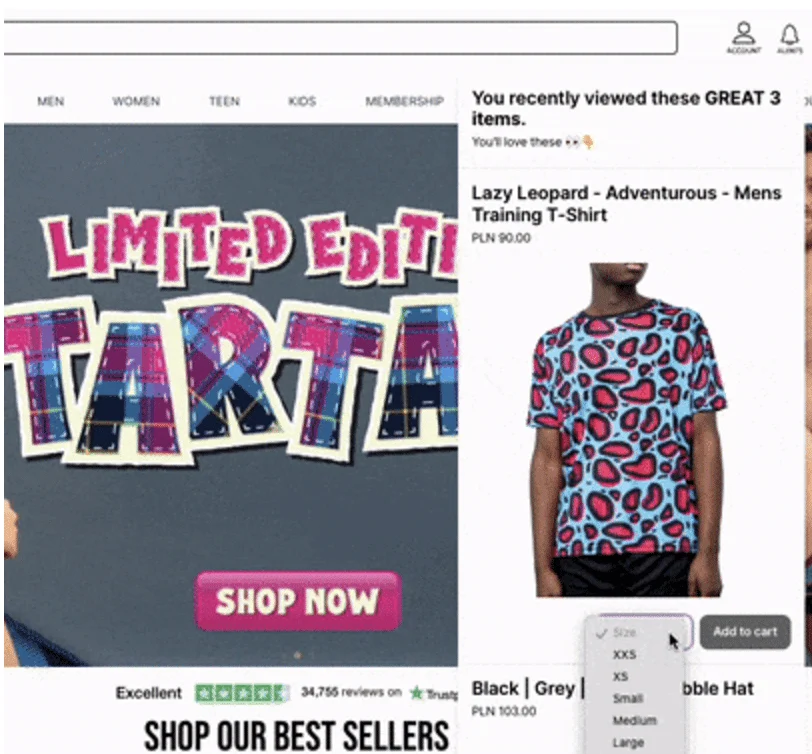
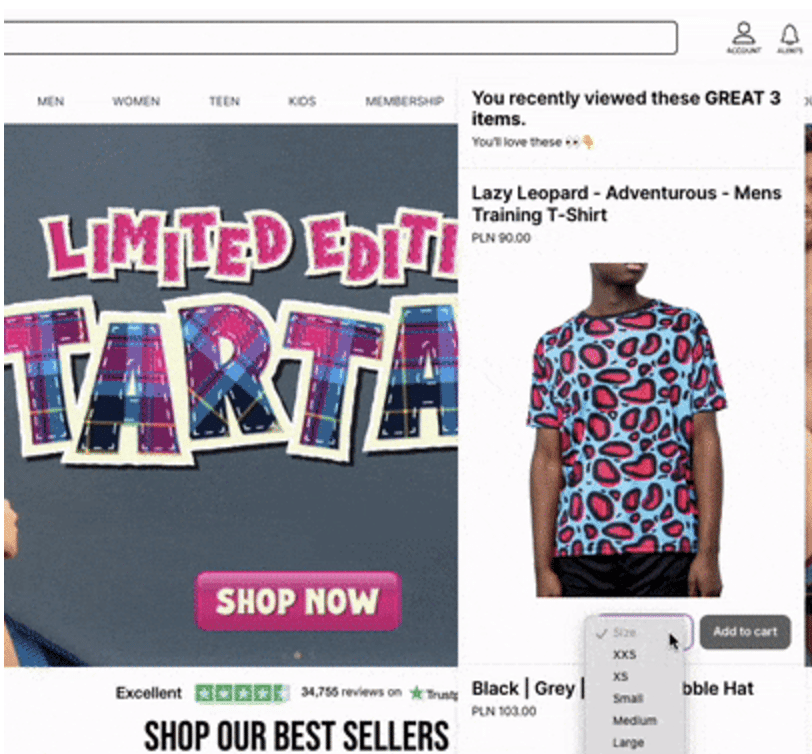
In the United Kingdom, the underwear brand OddBalls has implemented AI-based "Wishlist" notifications. By tracking when a visitor has viewed more than three products, the system generates targeted on-site notifications. These nudges are not generic; they are dynamically populated with items the user has already shown interest in, creating a sense of continuity and personal service that mimics a high-end boutique experience.
Enhancing User Experience Through AI-Powered Tools
The modern CRO toolkit has evolved to include several AI-specific instruments that provide deeper visibility into the user experience (UX).
1. AI-Driven Heatmaps and Interaction Analysis
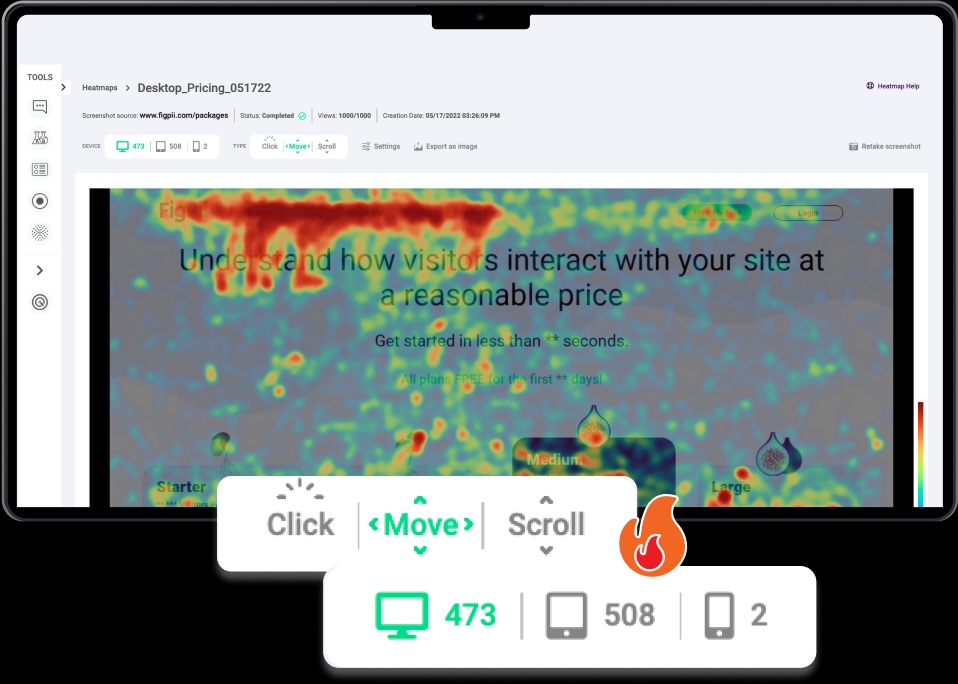
Traditional heatmaps show where users click, but AI-enhanced heatmaps, such as those provided by FigPii or Crazy Egg, analyze the intent behind those clicks. These tools can distinguish between a "rage click" (caused by a broken link) and an "interest click" (caused by an engaging image). AI algorithms can then automatically suggest layout changes to improve user flow, such as moving a call-to-action button higher on a page where user attention is demonstrably concentrated.
2. Conversational AI and Intelligent Chatbots
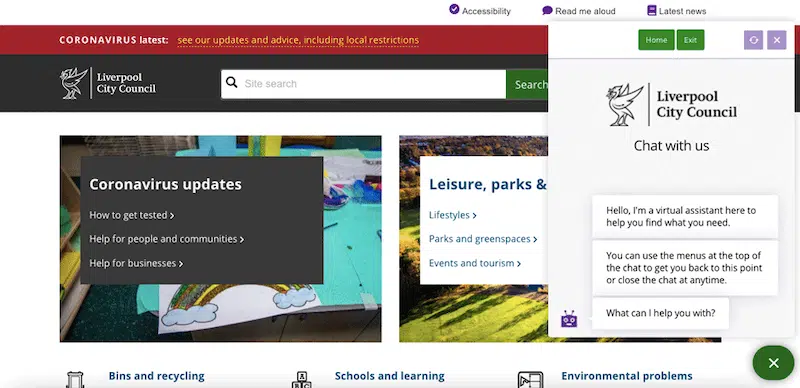
The transition from algorithm-driven chatbots to NLP-based (Natural Language Processing) assistants has revolutionized customer support. Platforms like Intercom and Drift now provide bots that can understand nuance and intent. For instance, the Liverpool City Council utilized a virtual assistant to handle complex queries regarding council tax and benefits. By resolving these issues in real-time without human intervention, the council not only improved citizen satisfaction but also cleared digital bottlenecks that previously led to user frustration and drop-offs.
3. Dynamic Content and Pricing Optimization
AI allows for the dynamic adjustment of content based on demographic data or referral sources. If a user arrives at a site via a luxury lifestyle blog, the AI might choose to display high-end product lines and use more formal copy. Conversely, a user arriving from a discount-focused social media ad might see value-oriented bundles and "flash sale" countdown timers. This level of environmental adaptation ensures that the messaging always aligns with the user’s current mindset.
Industry Reactions and the Shift in Corporate Culture
The adoption of AI CRO has prompted a significant reaction from the global marketing community. Chief Marketing Officers (CMOs) are increasingly shifting budgets away from broad-reach advertising toward "down-funnel" optimization. According to industry reports, companies that implement AI-driven personalization see an average revenue increase of 10% to 15%.
However, the transition is not without its challenges. Data privacy remains a primary concern. With the tightening of GDPR and CCPA regulations, businesses must balance the need for deep data collection with the requirement for user anonymity and consent. Experts suggest that the "Privacy-First" era of AI CRO will rely more on "first-party" data—information given willingly by the user—rather than intrusive third-party tracking.
Furthermore, the rise of AI has sparked a debate regarding the "human element" of design. While AI can optimize for conversions, critics argue it may struggle to maintain a consistent brand "voice" or emotional resonance. Consequently, the most successful organizations are those fostering a hybrid culture where AI handles the data-heavy testing while human creatives oversee brand integrity and emotional strategy.
Statistical Analysis of AI Impact on CRO
The impact of AI on conversion metrics is quantifiable across various sectors:
- E-commerce: AI-driven recommendation engines are credited with up to 35% of total revenue for major retailers like Amazon.
- SaaS (Software as a Service): Predictive models that identify "churn risk" allow companies to intervene with 70% higher accuracy than manual monitoring.
- A/B Testing Speed: AI-powered multi-armed bandit testing can identify a winning page variation up to five times faster than traditional sequential testing, as it shifts traffic to the "winning" version in real-time rather than waiting for the test period to conclude.
Future Implications: The Toward Autonomous Web Design
As AI technology continues to mature, the future of CRO likely lies in "Generative UI." This concept involves the AI generating entirely unique user interfaces on the fly. Rather than testing two versions of a landing page, a generative system could create a thousand variations, each optimized for the specific individual viewing it at that exact microsecond.
Moreover, the integration of AI with the "Internet of Things" (IoT) suggests that the conversion journey will soon extend beyond the screen. Smart appliances and wearable technology will provide even more data points, allowing AI to optimize the "customer journey" in the physical and digital worlds simultaneously.
In conclusion, the integration of Artificial Intelligence into Conversion Rate Optimization represents a fundamental shift in how businesses interact with their digital audiences. By moving beyond static analytics and embracing a culture of real-time, data-driven experimentation, brands can create seamless, intuitive experiences that do more than just sell—they build lasting relationships. The future of the digital economy is one where the website adapts to the user, rather than the user struggling to navigate the website. For businesses, the message is clear: the adoption of AI CRO tools is no longer an optional innovation but a strategic necessity in an increasingly automated world.







