
 rifanmuazin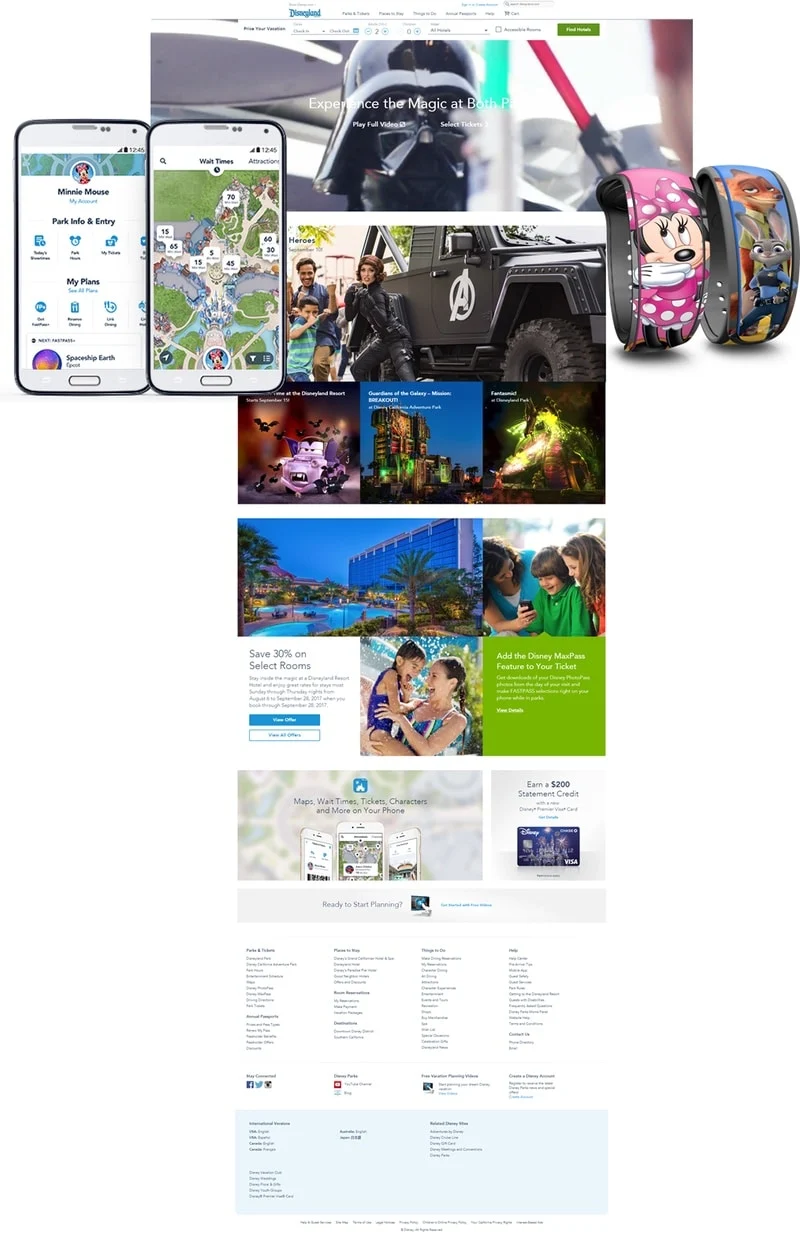
Future-Proofing E-commerce Growth Marketing Strategies for Sustainable Digital Expansion in a Shifting Global Economy is the fundamental challenge facing modern retailers as the digital marketplace transitions from a period of pandemic-induced hyper-growth into a more complex, saturated, and technologically demanding era. In the current economic landscape, traditional marketing efforts—often characterized by broad-reach advertising and one-off transactional goals—are proving insufficient to maintain market share. Instead, industry leaders are pivoting toward growth marketing, a data-centric methodology that focuses on the entire customer funnel, prioritizing long-term customer lifetime value (CLV) over immediate, isolated sales. To remain competitive, e-commerce enterprises must now integrate deep market analysis, cutting-edge infrastructure, and sophisticated consumer psychology into a cohesive, adaptable framework.
The Shift from Transactional to Relational Growth
The evolution of e-commerce marketing can be viewed through a chronological lens of technological capability. The early 2000s focused on basic search engine presence; the 2010s were defined by the rise of social media advertising; however, the 2020s are characterized by the necessity of “future-proofing.” This concept involves building a marketing infrastructure that does not rely on transient trends but is built to withstand shifts in privacy laws, algorithm changes, and economic volatility.
Industry analysts note that the cost of customer acquisition (CAC) has risen significantly across almost all digital channels over the last five years. As a result, the strategic focus has shifted toward retention and the optimization of the user experience. By focusing on growth marketing—a discipline that blends creative marketing with data analysis and technical product development—businesses are finding they can achieve more sustainable margins.
Data-Driven Market Analysis and Consumer Insights
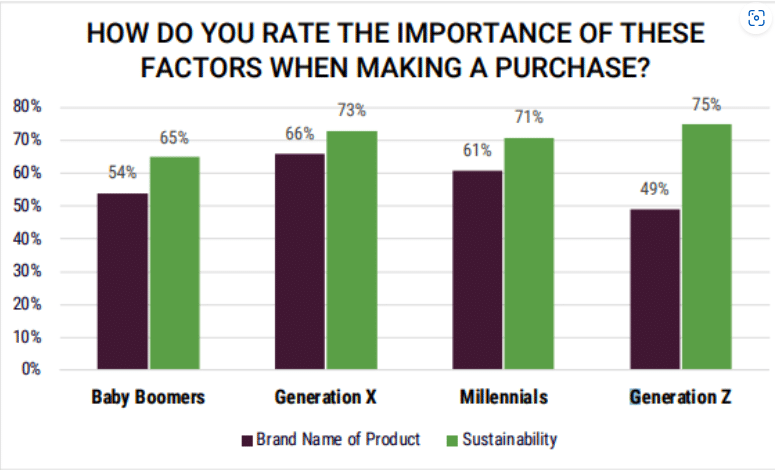
A future-proof strategy begins with a rigorous examination of the target audience. Modern consumer behavior is no longer a monolith; it is fragmented by generational values and technological literacy. For instance, data from the World Economic Forum indicates a massive shift in purchasing priorities among younger demographics. Approximately 75% of Generation Z consumers—those born between 1995 and 2010—report that they prioritize sustainability and ethical practices over brand names when making purchasing decisions.
To capture this market, growth marketers are moving beyond basic demographics like age and location. They are now utilizing psychographic profiling to understand the “why” behind a purchase. This involves:
- Behavioral Segmentation: Analyzing how users interact with a site, including click-through patterns and time spent on specific product categories.
- Voice of the Customer (VoC) Programs: Implementing feedback loops through surveys and reviews to identify pain points in real-time.
- Predictive Analytics: Using historical data to forecast future buying habits, allowing brands to be proactive rather than reactive.
Competitive Intelligence and the Gap Analysis Model
In a saturated market, differentiation is the primary driver of growth. Successful entities like Amazon have historically dominated not just by selling products, but by identifying and filling logistical gaps. The creation of Amazon Prime was a direct response to a market analysis that identified slow shipping as the primary barrier to online shopping growth.
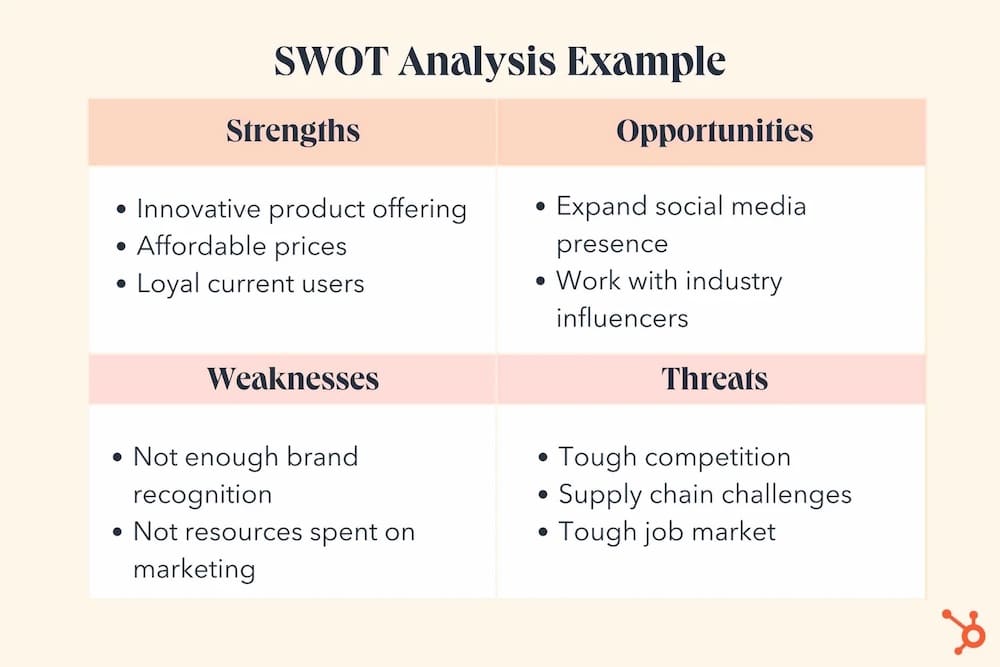
For mid-sized and emerging e-commerce brands, a SWOT analysis (Strengths, Weaknesses, Opportunities, Threats) remains a vital tool for benchmarking against industry giants. By identifying where competitors fail—whether in customer service, mobile optimization, or product variety—businesses can carve out a niche. Industry experts suggest that the most successful “disruptor” brands are those that identify a specific friction point in the customer journey and build their entire value proposition around solving it.
The Role of Technological Infrastructure and Scalability
Investing in the right technology stack is no longer an IT concern; it is a core marketing requirement. A future-proof growth strategy requires a platform that is both scalable and secure. Platforms such as Shopify and Magento have become industry standards because they allow for modular growth. Shopify currently supports millions of businesses in over 175 countries, providing a user-friendly entry point that can scale to enterprise-level requirements.
Beyond the storefront, the integration of Artificial Intelligence (AI) and Machine Learning (ML) has become a non-negotiable component of growth. Stitch Fix, an online personal styling service, serves as a primary case study for this transition. By using AI to analyze customer preferences, sizes, and styles, the company has transformed the shopping experience from a manual search into a personalized curation service. This level of automation not only improves the customer experience but also significantly reduces the operational costs associated with manual inventory management and styling.
The Mobile-First Imperative
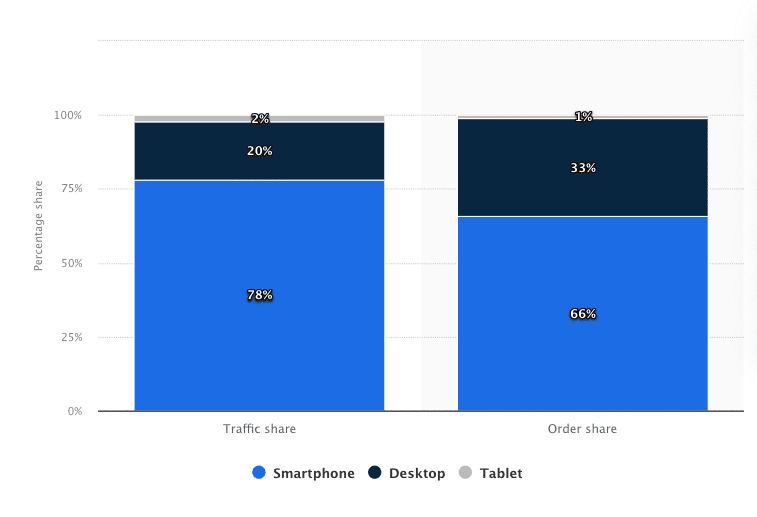
The shift toward mobile commerce (m-commerce) is perhaps the most significant trend of the current decade. According to Statista, smartphones accounted for approximately 78% of retail site traffic globally in the final quarter of 2023. Furthermore, mobile devices were responsible for generating two-thirds of all online shopping orders.
A future-proof strategy must treat mobile optimization not as a secondary task, but as the primary interface. This includes:
- Progressive Web Apps (PWAs): Providing an app-like experience within a mobile browser to increase speed and engagement.
- One-Tap Payments: Integrating digital wallets like Apple Pay and Google Pay to reduce checkout friction.
- Visual Search: Allowing users to search for products using images, a feature increasingly favored by younger, mobile-native consumers.
Omnichannel Integration and the Disney Model
As the number of digital touchpoints increases, consumers expect a seamless transition between platforms. Omnichannel marketing ensures that a customer’s experience on a mobile app is consistent with their experience on a desktop site or in a physical store. Research indicates that businesses with strong omnichannel engagement strategies retain an average of 89% of their customers, compared to a 33% retention rate for those with fragmented strategies.
The Walt Disney Company provides a benchmark for this approach. Through the “My Disney Experience” app, the company integrates ticket purchases, hotel bookings, restaurant reservations, and GPS-enabled park maps into a single ecosystem. This data is then synced with RFID-enabled “MagicBands,” creating a frictionless environment where the digital and physical worlds coexist. For e-commerce brands, this means ensuring that cart data, customer preferences, and loyalty rewards are accessible and consistent across every possible interaction point.
Evergreen Content and Brand Authority
In the realm of digital marketing, content remains a primary driver of organic growth. However, the focus has shifted from high-volume, topical content to high-quality, evergreen content. Evergreen content—material that remains relevant and valuable over long periods—acts as a long-term asset that continues to generate leads years after publication.
A prime example is wikiHow, which has built a massive audience by providing step-by-step guides on a vast array of topics. For e-commerce brands, creating comprehensive “how-to” guides, product care instructions, and industry whitepapers establishes brand authority. This strategy not only improves Search Engine Optimization (SEO) but also builds trust with the consumer, positioning the brand as an expert in its field rather than just a vendor.
Cultivating Loyalty in a Low-Retention Economy
Customer loyalty is the ultimate hedge against rising advertising costs. Data from Forbes suggests that 73% of consumers consider a positive experience as a key factor in their brand loyalty. In a market where competitors are only a click away, making a customer feel “special” is a strategic necessity.
Effective loyalty programs have evolved beyond simple points-based systems. Modern growth marketing utilizes:
- Tiered Rewards: Offering exclusive benefits to the most frequent shoppers to encourage “gamified” spending.
- Early Access: Providing loyal customers with first-look opportunities at new collections or sales.
- Personalized Communication: Using data to send birthday rewards or recommendations based on past purchases.
- Brand Advocacy: Encouraging satisfied customers to become influencers through referral programs, leveraging the power of word-of-mouth in a digital context.
Performance Analysis and the Optimization Loop
The final pillar of a future-proof strategy is a commitment to continuous optimization through data analysis. This requires the establishment of clear Key Performance Indicators (KPIs), such as Conversion Rate (CR), Average Order Value (AOV), and Customer Acquisition Cost (CAC).
Tools like Google Analytics provide the quantitative data necessary to see where users are dropping off in the sales funnel. Meanwhile, behavioral analysis platforms like FigPii offer qualitative insights through heatmaps and A/B testing. By visualizing how users interact with a site, marketers can make informed adjustments to the user interface (UI) and user experience (UX), ensuring that the platform evolves in lockstep with user expectations.
Implications for the Future of E-commerce
The transition toward future-proof growth marketing signifies a maturation of the e-commerce industry. As global markets become more interconnected and consumer expectations rise, the brands that survive will be those that view marketing as a holistic, data-driven discipline.
The broader impact of these strategies extends beyond individual company profits. The emphasis on sustainability and ethical practices, driven by consumer demand and highlighted by market research, is forcing a global shift in supply chain management. Furthermore, the rapid adoption of AI and automation in marketing is setting new standards for efficiency and personalization across all sectors of the economy. For the modern e-commerce professional, the path forward is clear: success in the future marketplace requires a relentless focus on the customer, a willingness to invest in scalable technology, and a commitment to data-driven agility.








