
 rifanmuazin
The transition from intuitive marketing to evidence-based optimization has redefined the digital landscape, as organizations increasingly prioritize Conversion Rate Optimization (CRO) as a core pillar of their growth strategy. In an era where data is abundant but actionable insights are often elusive, the methodology behind measuring conversion success has become the primary differentiator between market leaders and those struggling with stagnant growth. Industry experts suggest that the most effective CRO programs are characterized by a systematic approach that begins well before the first test is launched. This evolution reflects a broader shift in the digital economy, where rising customer acquisition costs (CAC) necessitate a more efficient extraction of value from existing traffic.
The Foundations of Conversion Measurement
The current state of digital marketing is defined by a paradox: while tools for tracking user behavior have never been more sophisticated, the ability to synthesize this data into a coherent strategy remains a significant challenge for many firms. Research indicates that the median conversion rate across all industries currently hovers around 6.6%. However, these benchmarks serve only as a baseline. The true measure of success lies in the alignment of optimization efforts with specific, outcome-focused business goals.
For modern enterprises, the objective of CRO has moved beyond the simplistic goal of “getting more leads.” Instead, successful organizations define success through measurable business outcomes, such as increasing qualified lead volume by specific percentages, reducing cost-per-acquisition (CPA) for high-intent keywords, or boosting the average order value (AOV) through strategic upsells. By anchoring CRO goals in the sales process—for instance, calculating the number of qualified leads required to hit a target of 50 new customers based on a 10% closing rate—marketers can ensure that every optimization effort contributes directly to the bottom line.
A Chronological Approach to the CRO Workflow
The implementation of a high-performing conversion framework follows a logical progression that integrates both quantitative data and qualitative insights. This process can be categorized into five distinct stages that transform raw analytics into a continuous growth engine.

Stage 1: Defining Macro and Micro Conversions
The initial phase of any robust CRO strategy involves the categorization of user actions. While macro conversions—such as completed purchases or signed contracts—are the ultimate goal, they often provide an incomplete picture of the user journey. To gain a granular understanding of visitor intent, organizations must track micro conversions. These represent smaller actions that signal interest, such as:
- Add-to-cart actions
- Product demo video views
- Ebook or whitepaper downloads
- Newsletter sign-ups
- Pricing page visits
- Extended time spent on high-value pages
By monitoring these early intent signals, businesses can identify where friction begins in the conversion funnel long before a major drop in sales occurs. This multi-layered tracking approach provides the visibility necessary to diagnose specific points of failure in complex B2B and ecommerce environments.
Stage 2: Funnel Analysis and Data Integrity
The second stage focuses on identifying “leaks” within the conversion path. Funnel reports serve as the primary diagnostic tool, illustrating the step-by-step conversion rates from initial landing to final action. A typical analysis might reveal that while 100% of visitors land on a page, only 60% view the pricing, and a mere 20% reach the checkout.
However, data integrity is a critical concern in this stage. Professional analysts emphasize the need to filter out “noisy” data that can lead to false conclusions. For example, a high bounce rate on a specific page does not always indicate failure; if the page was designed to provide a quick answer (such as a “Contact Us” or “Shipping Rates” page), a high bounce rate may actually indicate user satisfaction. To mitigate these risks, data must be segmented by:
- Traffic Source: Distinguishing between high-intent search traffic and low-intent social media referrals.
- Device Type: Analyzing mobile versus desktop performance separately.
- New vs. Returning Visitors: Understanding how familiarity affects conversion behavior.
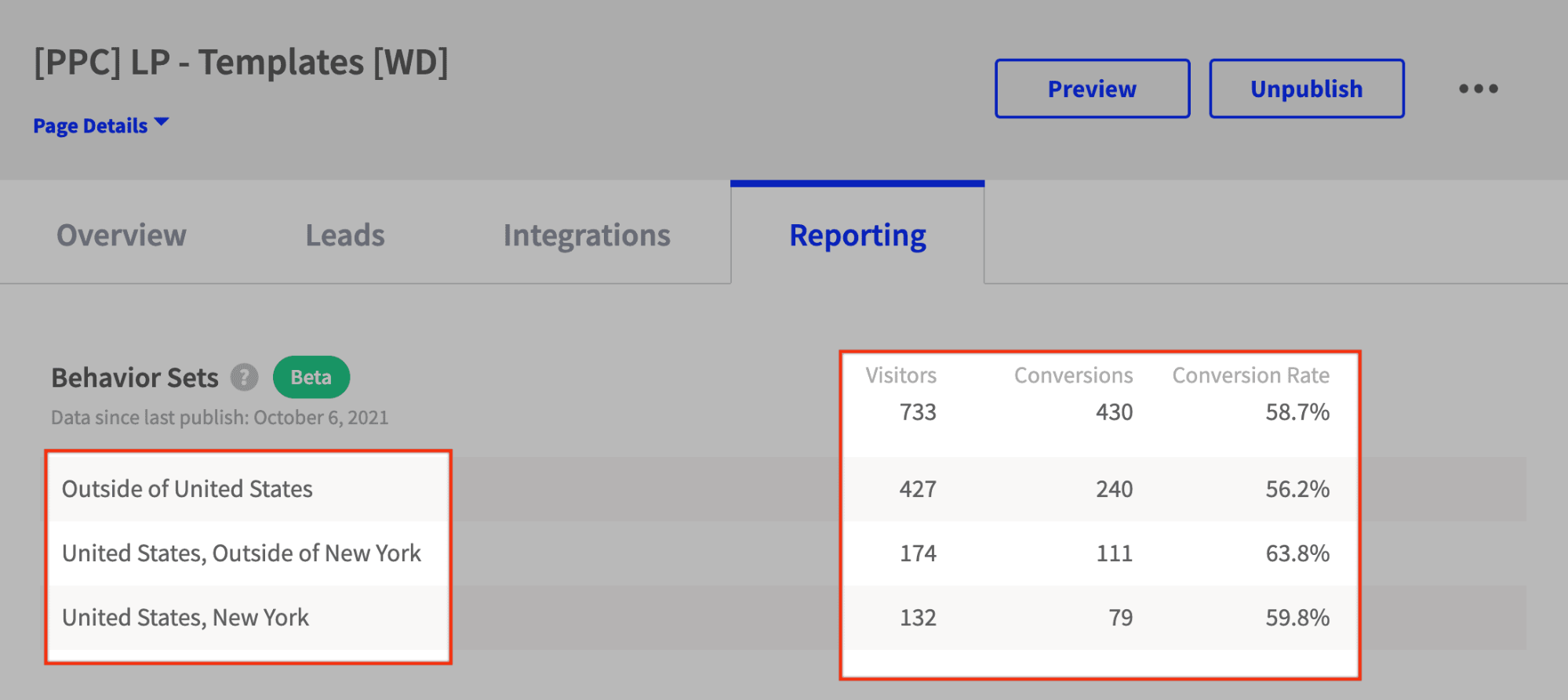
- Geographic Location: Identifying regional preferences or technical performance issues.
Stage 3: Integrating Qualitative Context
The third stage addresses the limitations of quantitative data. While numbers reveal what is happening, they rarely explain why. To bridge this gap, organizations utilize qualitative research tools such as heatmaps, session recordings, and user surveys.

Heatmaps provide a visual representation of user interaction, highlighting “dead zones” where users are ignoring calls-to-action or clicking on non-interactive elements. Session recordings allow marketers to observe “rage clicks” or moments of hesitation, providing a perspective that standard analytics cannot capture. Furthermore, voice-of-customer (VoC) surveys—deployed as exit-intent popups or post-purchase questionnaires—allow organizations to gather direct feedback on conversion barriers, such as pricing confusion or technical bugs.
Stage 4: Behavioral Hypothesis Development
With both quantitative and qualitative data in hand, the fourth stage involves the creation of rigorous testing hypotheses. A professional CRO hypothesis moves away from guesswork and follows a structured formula: “Because we observed [specific data/insight], if we [implement this change], then [this metric] will [increase/decrease].”
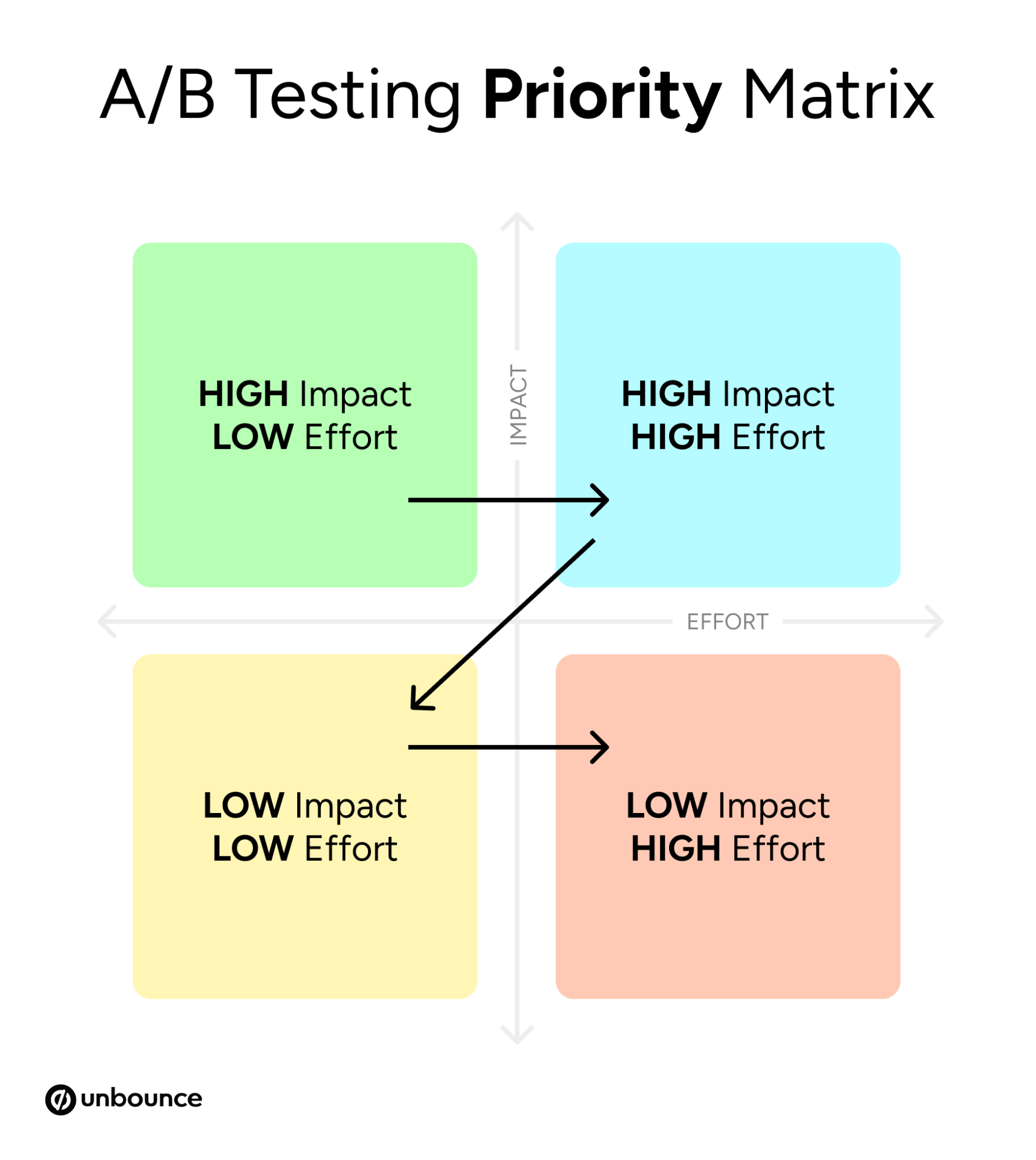
Prioritization is essential at this juncture. Most successful teams utilize a matrix to evaluate test ideas based on two variables: Potential Impact and Level of Effort. High-impact, low-effort changes (often referred to as “low-hanging fruit”) are prioritized to build momentum and secure quick wins.
Stage 5: Establishing the Flywheel of Continuous Improvement
The final stage is the institutionalization of the CRO process. Rather than treating optimization as a one-time project, leading organizations build a “culture of experimentation.” This involves a continuous cycle of research, hypothesis, testing, and analysis. When an experiment concludes, the findings—whether the test was a “win” or a “loss”—are documented and used to inform the next round of testing. This compounding effect allows for incremental gains that, over time, result in exponential growth.
Supporting Data and Industry Benchmarks
The necessity of a structured CRO framework is supported by recent industry findings. Data from the 2024 Conversion Benchmark Report highlights several critical trends that influence modern optimization strategies:
- Channel Performance: Email remains the highest-converting channel with an average rate of 19.3%, significantly outperforming paid social (12%) and paid search (10.9%).
- Device Disparity: While approximately 83% of landing page visits now occur on mobile devices, desktop conversion rates remain roughly 8% higher on average. This suggests a persistent “mobile friction” that represents a major optimization opportunity.
- Content Complexity: There is a documented -24.3% correlation between word complexity and conversion rates. This suggests that clear, simplified copy is a more effective driver of action than technical or jargon-heavy language.
- The Impact of Form Length: Reducing lead generation forms from seven fields to three has been shown to increase completion rates by 15% or more in various B2B case studies.
Analysis of Implications and Industry Reactions
The professionalization of CRO has significant implications for the broader marketing technology (MarTech) sector. As organizations move away from disparate tools, there is a growing demand for integrated platforms that combine landing page builders, A/B testing suites, and AI-driven analytics.
Industry analysts suggest that the rise of Artificial Intelligence will further accelerate the CRO cycle. AI-powered tools can now analyze vast datasets to suggest hypotheses or automatically route traffic to the best-performing page variant in real-time. However, experts caution that technology is not a substitute for strategy. “The tools are only as effective as the framework they support,” notes one senior growth consultant. “Without a clear understanding of the user journey and a rigorous approach to statistical significance, AI can simply lead you to the wrong conclusions faster.”
The shift toward “privacy-first” tracking also presents a hurdle. With the deprecation of third-party cookies and the rise of tracking protection in browsers like Safari and Chrome, marketers are being forced to rely more heavily on first-party data and qualitative insights. This reinforces the importance of the qualitative stage in the CRO workflow, as direct user feedback becomes more reliable than obscured behavioral tracking.
Broader Economic Impact
From a macro perspective, the widespread adoption of systematic CRO contributes to a more efficient digital economy. By improving the conversion efficiency of web properties, businesses can sustain higher customer acquisition costs, which in turn fuels the growth of the advertising platforms (Google, Meta, LinkedIn) and the broader SaaS ecosystem.
For individual companies, the impact of a 1% or 2% increase in conversion rate can be transformative. For an ecommerce brand doing $10 million in annual revenue, a 10% lift in conversion rate—achieved through the compounding of small, data-backed wins—translates to an additional $1 million in revenue with virtually no increase in advertising spend. This efficiency is what allows modern digital brands to scale profitably in increasingly crowded markets.
In conclusion, measuring Conversion Rate Optimization is no longer an optional “extra” for marketing teams; it is a fundamental requirement for business viability. By following a structured five-step workflow—defining success, selecting the right metrics, adding qualitative context, building data-backed hypotheses, and fostering a culture of continuous improvement—organizations can move beyond the “drowning in data” phase and begin driving meaningful, sustainable growth. The transition from guessing to knowing is the hallmark of the modern, data-driven enterprise.








