Amazon, a titan of e-commerce, continues to be a fertile ground for entrepreneurs looking to tap into its vast customer base. In 2026, with Amazon’s projected revenue nearing an astounding $742 billion, the platform presents an unparalleled opportunity for those with viable products and a strategic approach. Dropshipping, a business model where sellers fulfill orders from third-party suppliers without holding inventory, is a legal and potentially lucrative venture on Amazon, provided all platform policies are meticulously followed. However, success in this competitive arena is far from automatic; it demands careful supplier selection, proactive marketing, and diligent management of administrative tasks. This guide aims to provide a comprehensive roadmap for aspiring dropshippers to establish a thriving business on Amazon without jeopardizing their venture or their profit margins.
The foundational principle of successful Amazon dropshipping lies in adherence to Amazon’s stringent policies. Before embarking on any selling activities, a thorough review of the Amazon dropshipping policy specific to one’s region is paramount. Key requirements include acting as the seller of record, ensuring the supplier’s identity is concealed from the end customer, and personally managing all customer returns. Critically, Amazon prohibits the practice of purchasing products from other retailers or Amazon sellers and having them shipped directly to the customer. Instead, a legitimate dropshipping supplier must be engaged. Developing a concise business plan, even for a seemingly straightforward model like dropshipping, is a prudent early step. This process encourages essential research into product categories, potential profit margins, and overall market viability, setting a strong foundation for future operations.
Establishing Your Amazon Seller Account: The Gateway to E-commerce
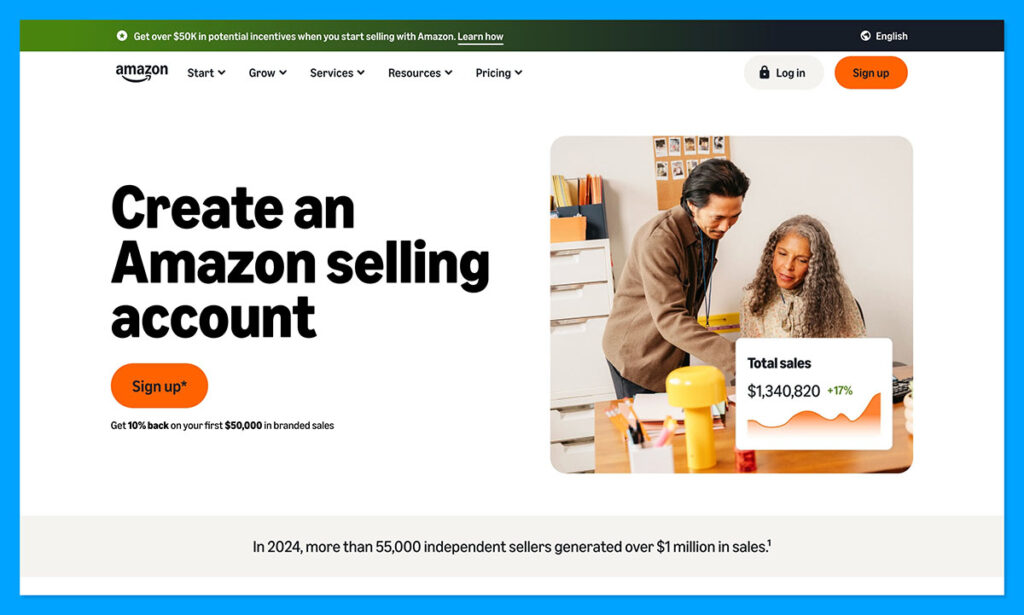
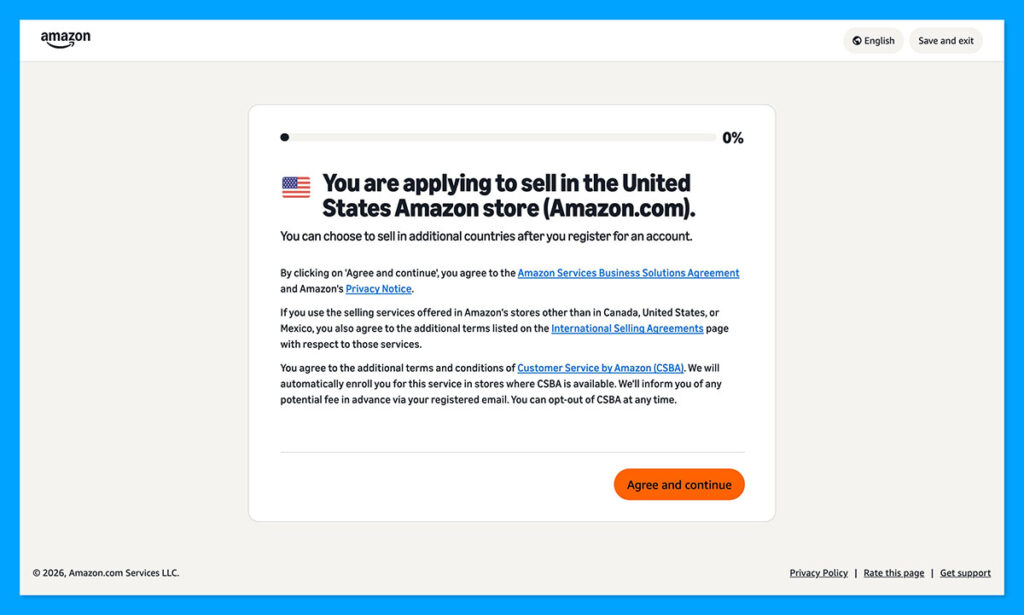
The first practical step in initiating an Amazon dropshipping business is to set up a dedicated Amazon Seller Account. This differs from a standard consumer account and offers two distinct plans:
- Individual Plan: This plan is free to set up but incurs a per-item fee of $0.99 for each sale, in addition to other applicable selling fees. It is an ideal entry point for beginners testing the waters of e-commerce, allowing them to gain experience without a significant upfront financial commitment.
- Professional Plan: This plan comes with a monthly subscription fee of $39.99. It eliminates the per-item selling fees and provides access to valuable tools and features such as bulk product uploads, advertising options, eligibility for the "Buy Box," and the ability to apply for selling in restricted product categories.
For newcomers, the Individual Plan is generally recommended to gauge market response and refine their business strategy before committing to the Professional Plan. The account creation process itself is straightforward, requiring business information, selling details, billing information, store and product specifics, and identity verification. Amazon may also request a photo of the applicant’s face or identification, or a brief call with a representative to complete the verification process. It is advisable to focus on providing the essential details and configuring shipping and returns settings initially, with ample time dedicated to familiarizing oneself with the Amazon Seller Central dashboard.
Identifying Your Niche and Product Category: Strategic Market Entry
A critical juncture in the dropshipping journey is the selection of a niche and specific product categories. While capitalizing on fleeting trends might seem appealing, it often proves unsustainable. A more robust approach involves choosing a category that aligns with personal interests or existing knowledge. Areas such as pet supplies, home organization, DIY tools, or arts and crafts can offer ample opportunities.
Amazon’s "Product Opportunity Explorer" is an invaluable resource for this stage. It provides data on search trends, customer reviews, pricing strategies, sales volumes, market saturation, and insights into desired product features within specific categories. Beyond Amazon’s proprietary tools, leveraging Google Trends, TikTok, and niche-specific Reddit communities can uncover emerging product ideas. The Amazon Best Seller list also serves as a direct indicator of popular items. The key is to avoid an overly broad product catalog from the outset. Instead, focus on a well-defined niche where there is demonstrable customer demand and sufficient market space for a new entrant. Subsequently, carefully select a few products that offer healthy profit margins after accounting for all associated costs.
Selecting Your Supplier: The Backbone of Your Dropshipping Operation
The choice of a dropshipping supplier is arguably the most crucial decision in this business model, demanding meticulous evaluation. Beyond stocking the desired products, a reliable supplier must meet several critical criteria to comply with Amazon’s policies and ensure operational efficiency. Foremost among these is the supplier’s willingness and ability to remove their company name and branding from invoices, packing slips, and shipping labels. This ensures that the customer perceives the order as originating directly from your Amazon store.
Key questions to pose to potential suppliers include:
- Product Quality and Reliability: Does the supplier consistently provide high-quality products that meet customer expectations?
- Inventory Management: How frequently is their inventory updated, and what mechanisms are in place to prevent stockouts?
- Shipping Speed and Costs: What are their typical shipping times, and how do their shipping costs compare to competitors? Are there expedited shipping options available?
- Return Policy and Process: What is their return policy, and how efficiently do they handle returns and exchanges?
- Communication and Support: How responsive and helpful is their customer support team?
- Branding Options: Can they accommodate requests for blind shipping or custom packaging (if applicable for future growth)?
Recommended Suppliers for Amazon Dropshipping
Several dropshipping suppliers are amenable to working with Amazon sellers. dropXL stands out as a highly recommended partner, offering access to over 90,000 vidaXL products spanning furniture, home and garden, sporting goods, office supplies, and pet accessories. A significant advantage of dropXL is its real-time product feed, which updates hourly with the latest information on products, pricing, and stock availability, minimizing the risk of inventory discrepancies.
While browsing dropXL’s extensive product library is free, partnering with them involves a flat monthly fee of €30, with no per-order commissions. Beyond their product catalog, dropXL provides comprehensive support for shipping and returns, seamless API integrations, access to educational resources through the dropXL Academy, and preferential product discounts.
Syncee presents another viable option, functioning as a dropshipping and wholesale marketplace that connects sellers with numerous suppliers. It facilitates automated payment management, order synchronization, shipment tracking, and provides rich product data. However, sellers may find they have less direct control over packaging standards, delivery timelines, and the return processes of individual suppliers within the Syncee network.
CJdropshipping is a noteworthy platform, particularly for sellers focused on product sourcing and custom branding. It offers custom packaging, print-on-demand services, and flexible fulfillment routes. This platform might be more suitable for entrepreneurs planning to develop a fully branded store and test unique product offerings, rather than for straightforward Amazon dropshipping where simplicity and a unified approach are often preferred. For Amazon dropshipping, consolidating with a single, reliable supplier and adhering to a consistent set of delivery protocols is generally more effective.
Listing Your Products on Amazon: Crafting Compelling Product Pages
With your niche, products, supplier, and Amazon Seller Account in place, the next step is to list your products. Within Seller Central, navigate to "Catalog" and then "Add Products." If your product already exists in Amazon’s catalog, you can match it by entering its GTIN or product ID provided by your supplier. If it’s a new listing, you will need to create one from scratch, which requires a more detailed approach.
This involves crafting a comprehensive product description that clearly outlines all essential information for potential buyers. Bullet points should highlight key features and benefits, supported by high-quality images. Offer details, fulfillment information, and any relevant compliance data must also be accurately provided.
A good supplier, such as dropXL, will offer a product feed containing images and descriptive information to serve as a starting point. However, it is crucial to avoid direct copy-pasting. Amazon titles and descriptions are often optimized for databases rather than for human shoppers. Rework titles to incorporate keywords that customers would typically use in their searches. In product descriptions, be specific and persuasive. While bulk uploads can be utilized for larger catalogs, allocate time to review and refine each listing before it goes live to ensure optimal performance.
Managing Orders and Inventory: The Operational Core
Many aspiring dropshippers underestimate the importance of order and inventory management, assuming that since they are not physically handling products, this aspect will be effortless. However, maintaining a seamless flow of information between Amazon, the customer, and the supplier is critical. Once a product is listed, it is your responsibility to ensure that stock levels and pricing are synchronized across all platforms. Prompt delivery of tracking details to the customer is also essential.
Operational efficiency directly impacts your Amazon seller metrics. The Order Defect Rate (ODR) must remain below 1% to avoid account restrictions, and a late shipment rate below 4% is strongly encouraged. Any shortcomings on your supplier’s part, such as delays or errors, can negatively reflect on your seller account.
Weekly checks are vital for maintaining operational health:
- Inventory Levels: Regularly verify that your supplier’s stock levels are accurately reflected on your Amazon listings to prevent overselling.
- Order Status: Monitor all incoming orders and ensure they are being processed and shipped promptly by your supplier.
- Tracking Information: Confirm that tracking numbers are being provided by your supplier and are being updated in Amazon Seller Central for customer visibility.
- Customer Inquiries: Respond to customer questions and concerns in a timely and professional manner.
- Return Requests: Process customer return requests in accordance with Amazon’s policies and your supplier’s procedures.
While suppliers like dropXL offer hourly feed updates to keep you informed, proactive communication with your supplier remains paramount. Be prepared to address any issues that arise, especially those that could compromise the customer experience.
Scaling Your Amazon Dropshipping Business: Strategic Growth and Promotion
Once your initial product listings are live and orders are being processed, it’s tempting to rapidly expand your product catalog. However, a measured approach is more sustainable. Before adding new products, re-evaluate their potential profit margins after factoring in Amazon fees and other associated costs. Review your supplier’s historical performance for any recent stock or shipping challenges. Ensure new products align logically with your existing offerings.
While staying abreast of trending products on Amazon is beneficial, avoid impulsively adding everything to your store. Instead, focus on strategic expansion.
Promotional activities are crucial for driving sales. Amazon’s internal advertising platform can be effective, but its bid-based mechanism may not be ideal for products with high competition. Exploring alternative promotional strategies is recommended:
- Social Media Marketing: Utilize platforms like Instagram, Facebook, and TikTok to showcase your products and share positive customer reviews.
- Own E-commerce Website: Consider launching your own website to implement SEO strategies, drive organic traffic, and build an email list for targeted marketing campaigns.
- Listing Optimization: Continuously test and refine your product titles, bullet points, descriptions, and images. Amazon’s Seller Central provides tools for performance analysis, enabling you to identify which tweaks lead to increased revenue.
Additional Growth Strategies:
- Customer Service Excellence: Prioritize exceptional customer service to foster loyalty and positive reviews.
- Data Analysis: Regularly analyze sales data and customer feedback to identify opportunities for improvement and expansion.
- Supplier Relationship Management: Maintain strong communication with your supplier to address potential issues proactively.
- Competitor Analysis: Keep an eye on competitor strategies and pricing to remain competitive.
The Future of Amazon Dropshipping: Strategic Planning for Sustained Success
In 2026, Amazon dropshipping remains a viable and potentially lucrative business model, but success hinges on a well-defined strategy. Amazon provides unparalleled reach and visibility, but this access does not equate to complete control. Without a robust strategy, challenges such as stockouts or incorrect supplier documentation can lead to financial losses and customer dissatisfaction.
Therefore, commencing with a focused approach is highly advisable: start small, select a niche you understand, partner with a trustworthy supplier, and plan for gradual, strategic scaling. For entrepreneurs targeting high-traffic niches like home and garden, furniture, pet supplies, or outdoor and storage products, dropXL is a recommended partner. Their extensive product catalog, combined with real-time data insights, dedicated return handling support, and efficient shipping processes, provides a significant advantage in the highly competitive Amazon marketplace. Exploring dropXL’s offerings can be a crucial step for those aiming to build a sustainable and profitable dropshipping business on Amazon.