

The holiday shopping season, anchored by the critical Black Friday and Cyber Monday weekend, represents a pivotal period for businesses across the retail spectrum. While these high-stakes days command significant attention, the consumer buying spree extends well into the final week of December, transforming the entire quarter into a battleground for customer engagement. In this intensely competitive landscape, the humble email subject line emerges as the undisputed gatekeeper, determining whether a meticulously crafted message lives or dies in the digital inbox. It is the first, and often only, impression a brand makes, directly impacting open rates, website traffic, and ultimately, sales revenue. Understanding the intricate psychology behind what compels recipients to click, coupled with robust strategic execution and vigilant attention to deliverability, is paramount for success during this make-or-break period.
The Evolving Landscape of Holiday Retail and Email Communication
The genesis of modern holiday shopping is deeply rooted in the post-Thanksgiving retail rush, traditionally spearheaded by Black Friday, a term popularized in the mid-20th century to describe the day when retailers traditionally moved "into the black" financially. The advent of e-commerce in the late 1990s and early 2000s gave rise to Cyber Monday, extending the frenzy online and democratizing access to deals. Over the past two decades, this period has continuously expanded, encompassing "Cyber Week," "Green Monday," and a sustained push from early November through Christmas Eve. This elongation of the shopping calendar has fundamentally altered consumer behavior, leading to earlier purchasing decisions and a heightened expectation for consistent engagement from brands.
Email has solidified its position as a primary conduit for direct-to-consumer communication, offering unparalleled reach and cost-effectiveness. However, its ubiquity also presents a formidable challenge: inbox saturation. During the holiday season, an average consumer can receive hundreds, if not thousands, of promotional emails. This sheer volume means that marketers are not just competing with direct rivals but with every other brand vying for a sliver of attention. In this environment, the subject line transcends its functional role; it becomes a micro-advertisement, a brand statement, and a crucial filter that decides the fate of the entire email campaign. Without a compelling subject line, even the most attractive offer or beautifully designed email remains unseen, languishing in the unopened abyss.
Decoding the Psychology of the Open: More Than Just Words
To truly craft effective subject lines, marketers must delve into the cognitive processes that drive a recipient’s decision to click. It’s not merely about catchy phrasing but about understanding the holistic inbox experience and the underlying motivations of the holiday shopper.
Beyond the Subject Line: The Inbox Ecosystem
While the subject line is critical, its effectiveness is intrinsically linked to the entire "inbox envelope." The sender name and preview text work in concert to build trust and convey immediate value. Research consistently shows that subscribers prioritize sender recognition, often scanning sender names first. A clear, recognizable brand name – devoid of extraneous keywords or generic personal names – fosters immediate trust. Furthermore, Brand Indicators for Message Identification (BIMI) has emerged as a significant deliverability and brand-building tool. Verifying an email program with BIMI allows a brand’s verified logo to appear alongside the subject line in supported inboxes, providing an instant visual cue of authenticity and professionalism, which is invaluable in a crowded seasonal inbox. The preview text, the snippet of text displayed after the subject line, acts as a secondary headline, offering an additional opportunity to pique interest or clarify the email’s core message. Neglecting this element is a missed opportunity to expand on the subject line’s promise.
The Nuance of Urgency vs. Delight: Crafting Emotional Connections
The holiday season traditionally sees an onslaught of urgency-driven subject lines, often leveraging Fear Of Missing Out (FOMO) with phrases like "LAST CHANCE!" or "Deal Ends Soon!" While scarcity can be a powerful motivator, its overuse, especially during Black Friday and Cyber Monday, has led to consumer desensitization. Savvy shoppers recognize that another deal is often just around the corner, undermining the genuine impact of heavy-handed tactics. Marketing strategists increasingly advocate for a balanced approach. While genuine, time-sensitive offers still warrant clear urgency, an over-reliance on fear can erode long-term brand connection. Instead, incorporating elements of whimsy, joy, or unique brand personality can foster a more positive emotional association, making an email stand out through delight rather than distress. This approach builds rapport, encouraging sustained engagement beyond the immediate transaction.
Storytelling Over Sales Pitches: Connecting with Brand Values
In an era dominated by discounts, it’s easy for brands to reduce their messaging solely to price points. However, consumers connect with brands for reasons beyond just deals – they align with values, lifestyle, or the unique problem a product solves. During the holidays, even when the primary goal is a sale, subject lines that hint at a broader narrative or remind subscribers why they are interested in the brand in the first place can be more impactful. For instance, instead of "20% Off All Items," a subject line like "Find the Perfect Gift & Make Their Day Special" or "Crafted with Care: Our Holiday Collection Awaits" can evoke emotion and reinforce brand identity, leading to more meaningful engagement.
Personalization’s Shifting Role: Intent Over Identity
For much of the year, personalization, often leveraging zero- and first-party data, is hailed as a cornerstone of effective email marketing. Marketers frequently report significant revenue increases from personalized subject lines and segmented campaigns. However, during the holiday season, particularly for gift-giving, the utility of traditional personalization (e.g., first_name) shifts. As email marketing expert Chad S. White points out, holiday shoppers are often buying for others, meaning their personal browsing history or preferences might not align with their gift-giving needs. While a first_name still adds a personal touch, marketers shouldn’t over-rely on "just for you" messaging when the recipient is shopping for someone else. Instead, the focus should shift to intent-based personalization, segmenting lists based on potential gift-givers versus self-purchasers, and tailoring language accordingly (e.g., "Gifts for Her," "Stocking Stuffer Ideas"). The broader principle of segmentation, which can drive 760% more revenue than unsegmented campaigns, remains crucial, but its application needs to adapt to the seasonal context of altruistic purchasing.
Strategic Pillars for Effective Holiday Subject Lines
Beyond understanding the psychology, successful holiday email marketing hinges on adhering to fundamental best practices and employing savvy strategies.
Brevity and Clarity: Cutting Through the Clutter
In a mobile-first world, conciseness is non-negotiable. Subject lines should aim for no more than nine words and approximately 60 characters. Shorter subject lines are less likely to be truncated on various devices and email clients, ensuring the core message is immediately visible. This brevity forces marketers to front-load the most critical information – the offer, the product, or the call to action – making it instantly digestible for scanning eyes.
Segmentation: The Precision Tool
The power of segmentation cannot be overstated. Dividing subscribers into distinct groups based on purchasing history, engagement levels, demographics, or expressed interests allows for highly relevant messaging. For instance, past purchasers of a specific product category could receive emails featuring related gift ideas, while dormant subscribers might receive a re-engagement offer. During the holidays, creating segments for "early bird shoppers," "last-minute gift seekers," or "those who prefer experiences over products" can dramatically increase open and conversion rates by delivering tailored value.
Crafting Genuine Urgency and Intrigue: The Art of Persuasion
While excessive FOMO can backfire, genuine urgency, when based on actual time limits or limited stock, remains a potent motivator. Phrases like "Only X Hours Left!" or "Limited Stock: Don’t Miss Out" are effective if truthful. Intrigue, on the other hand, piques curiosity without giving everything away. A subject line like "A Special Treat Just Arrived…" or "Your Holiday Secret Weapon Is Here" can encourage an open, provided the email content delivers on the promise. The key is to avoid misleading tactics, which can damage sender reputation and brand trust.
Multi-Channel Cohesion: A Unified Brand Voice
The holiday season is a symphony of marketing efforts across various channels. Email marketing should not operate in a silo. A cohesive, multi-channel strategy ensures that the brand message, visual identity, and promotional cadence are consistent across email, social media, paid ads, and the website. Developing a shared campaign brief that outlines discount structures, segmentation plans, visual direction, and triggered emails (like abandoned cart reminders) ensures every touchpoint reinforces the overall brand narrative and promotional push, creating a seamless customer journey.
The Holiday Email Marketing Timeline: A Phased Approach
The holiday shopping season is not a monolithic event but a series of distinct phases, each requiring tailored email strategies and subject lines.
Pre-Season Buzz (Early November):
Deals often begin hitting inboxes as early as November 1st. This phase is about building anticipation and preparing subscribers. Subject lines should tease upcoming offers, provide "early access" to loyal customers, or hint at "something special coming soon." This creates a reason for subscribers to actively look for your brand amidst the impending deluge of Black Friday emails.
- Examples: "Get Ready: Your Holiday Sneak Peek is Here!", "Exclusive Early Access: Don’t Miss These Deals!", "The Countdown to Savings Begins!"
Black Friday/Cyber Monday Peak (Late November):
This is the most intense period, characterized by high-impact, deal-focused messaging. Subject lines are direct, highlighting percentage discounts, free shipping, or specific product categories. While urgency is prevalent, creative differentiation is key to standing out.
- Examples: "Black Friday Starts NOW: Up to 50% Off!", "Cyber Monday Mega Deals Are Live!", "Unlock Your Savings: Limited Time Offer!"
Mid-December: The Gift-Giving Window:
As BFCM subsides, the focus shifts to specific gift ideas and convenience. Subject lines should cater to different recipients, suggest gift guides, or highlight fast shipping options.
- Examples: "Your Ultimate Holiday Gift Guide!", "Gifts for Everyone on Your List!", "Still Searching? Perfect Presents Inside!"
Last-Minute Rush (Week Before Christmas):
This phase targets procrastinators. Urgency is high, but the messaging must offer clear solutions: expedited shipping, digital gift cards, or in-store pickup options.
- Examples: "Last Chance for Christmas Delivery!", "Forgot a Gift? E-Gift Cards to the Rescue!", "Shop Now, Pick Up Today!"
Post-Holiday & New Year (Late December/Early January):
Even after Christmas, opportunities abound. Subject lines can focus on clearance sales, gift card redemption, exchanges/returns, or new year resolutions. This period is also crucial for nurturing new customers acquired during the holiday rush.
- Examples: "The After-Holiday Sale You’ve Waited For!", "New Year, New Arrivals!", "Redeem Your Gift Card: Treat Yourself!"
Leveraging Creative Elements: Emojis and Differentiation
In a sea of similar promotions, creativity and unique brand expression become invaluable assets.
The Art of Emoji Use:
Emojis can dramatically increase open rates and help subject lines stand out, but judicious use is critical. They should be brand-aligned and used sparingly—typically one or two per subject line. Critically, an emoji should never replace a word, as this can negatively impact accessibility for screen readers and create confusion. A festive snowflake ❄️ or a gift box 🎁 can add seasonal flair, while a generic red siren 🚨, overused by countless brands, loses its impact and can even trigger spam filters if associated with aggressive tactics.
Breaking Through the Noise: The Creativity Mandate:
In an age where AI-generated content can produce generic subject lines rapidly, differentiation is paramount. Marketers must avoid clichés and leverage their unique brand voice, humor, or specific value proposition. A subject line that makes a subscriber smile, ponder, or feel understood will always outperform a generic "Big Sale!" The goal is to create a moment of connection in a crowded inbox, prompting the recipient to think, "This is different."
The Unseen Barrier: Email Deliverability
Even the most brilliantly crafted subject line, backed by deep psychological insights and strategic planning, is rendered useless if the email never reaches the inbox. Email deliverability – the ability of an email to land in a recipient’s primary inbox rather than being flagged as spam or blocked entirely – is the silent guardian of email ROI.
The Foundation of Success:
Poor deliverability has a direct, detrimental impact on email marketing performance. When emails consistently land in spam folders, open rates plummet, engagement metrics decline, and ultimately, sales opportunities are lost. This isn’t just about lost revenue from a single campaign; it’s about a compounding problem that erodes long-term email program health.
Sender Reputation and Its Vicious Cycle:
Mailbox providers (like Gmail, Outlook, Yahoo) assign a "sender reputation" to every email sender. This reputation is based on a multitude of factors, including bounce rates, complaint rates (when users mark an email as spam), engagement rates (opens, clicks), and sending volume. A low sender reputation signals to mailbox providers that a sender might be a spammer, leading them to route emails directly to the junk folder or block them entirely. Once emails start landing in spam, subscriber engagement naturally decreases, further damaging the sender’s reputation, creating a vicious cycle that is difficult to break. This is particularly dangerous during high-volume periods like the holidays, where a sudden increase in sending or a dip in engagement can trigger stricter filtering.
Technical Safeguards and Proactive Management:
Maintaining excellent deliverability requires more than just good content; it demands technical diligence. Implementing authentication protocols like SPF (Sender Policy Framework), DKIM (DomainKeys Identified Mail), and DMARC (Domain-based Message Authentication, Reporting, and Conformance) helps mailbox providers verify that an email truly originates from the claimed sender, significantly reducing the likelihood of being flagged as phishing or spam. BIMI, as mentioned earlier, also plays a role in sender verification and brand trust.
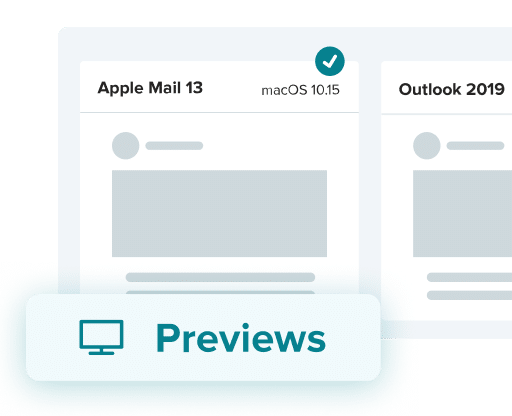
Proactive monitoring and management are essential. This involves regularly analyzing deliverability metrics, identifying potential issues before they escalate, and making necessary adjustments to sending practices, list hygiene, and content. For many organizations, particularly during the high-pressure holiday season, this level of expertise and technology is critical. Platforms like Validity Engage provide the tools and insights necessary to test, monitor, and optimize email programs, ensuring that meticulously crafted subject lines and valuable content actually reach the intended audience. By offering industry-leading email testing, marketers can preview how their emails appear across 100+ clients, catch errors like Dark Mode misses, and ensure accessibility, all before a single email is sent. This proactive approach safeguards sender reputation and maximizes the impact of every holiday campaign.
Implications for Marketers and Consumers
The holiday email marketing season is a crucible for strategic planning, creative execution, and technical diligence. For marketers, the implications are clear: success is no longer about simply sending emails but about mastering the art and science of the subject line within a holistic, deliverability-conscious framework. The focus must shift from mere transaction to meaningful interaction, leveraging data-driven insights and brand authenticity to cut through the noise.
For consumers, the evolving landscape means a potential for richer, more relevant communications from brands that truly understand their needs, whether for personal purchases or thoughtful gifts. As consumers become more discerning and their inboxes more crowded, they will naturally gravitate towards brands that respect their time and offer genuine value, both in the message’s content and its presentation. The brands that master the subject line, prioritize deliverability, and foster authentic connections will not only capture a larger share of holiday spending but also build enduring customer loyalty long after the festive season concludes.








