rifanmuazin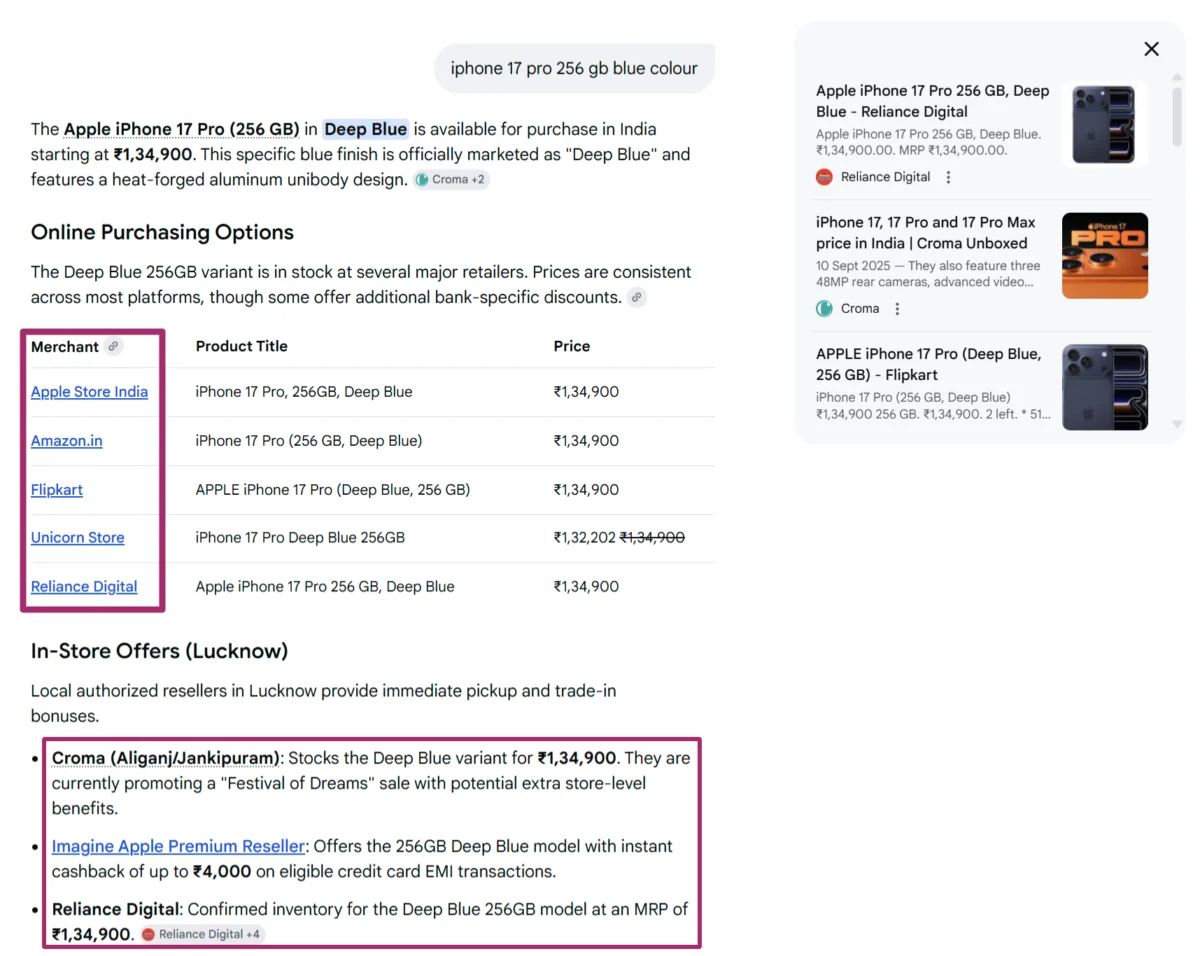
The landscape of digital search is undergoing a profound transformation, moving beyond traditional link-based ranking to a new era where AI citations are becoming the primary arbiters of online visibility. Users are increasingly receiving direct, synthesized answers from AI-powered search interfaces, often obviating the need to click through to external websites. This fundamental shift necessitates a re-evaluation of established search engine optimization (SEO) strategies, as the focus pivots from merely ranking pages to strategically positioning content to be selected and referenced by intelligent algorithms. This article delves into the mechanics of AI citations, their impact on brand credibility, and actionable strategies for content creators to thrive in this evolving digital ecosystem.
Understanding the Emergence of AI Citations
At its core, an AI citation serves as a digital reference point, much like academic citations, indicating the source from which information in an AI-generated answer has been derived. When platforms like ChatGPT, Google’s AI Overviews, Gemini, or Perplexity respond to a user query, they often include explicit links or mentions of specific web pages, documents, or data points that substantiate their generated content. These references are critical signals of credibility and transparency, allowing users to verify information and explore original contexts. Unlike the “blue links” of traditional search results, which present a list of potential answers for users to investigate, AI citations integrate a brand’s content directly into the authoritative answer itself. This means that if a piece of content is cited, it no longer merely competes for a click; it actively contributes to the AI’s synthesized response, positioning the source as an undeniable part of the answer.
The transition from a click-driven model to an influence-driven one is significant. In the past, achieving a high ranking on a search engine results page (SERP) was synonymous with increased traffic and visibility. Today, while rankings and indexing still hold value, the ultimate goal for many queries is to be selected as a trusted source for an AI-generated answer. This reflects a broader trend towards “answer engines” rather than traditional “search engines,” where the primary user intent is instant gratification through direct, authoritative responses. Industry analyses suggest a rapid acceleration in AI search adoption, with some projections indicating that AI-powered search queries could account for a substantial portion of all online searches within the next few years, fundamentally altering user behavior and content consumption patterns.
The Paradigm Shift: From Blue Links to AI-Generated Answers
The evolution of search has been a continuous journey, from rudimentary keyword matching in the early days to sophisticated semantic understanding and, now, generative AI. The “blue link era” was characterized by algorithms meticulously ranking web pages based on relevance, authority (often measured by backlinks), and user engagement signals. Success was largely quantified by click-through rates (CTR) from SERPs to websites.
The advent of AI-driven search introduces a new layer of complexity and opportunity. The table below, adapted and expanded from the original source, illustrates this paradigm shift:
| Aspect | Traditional SEO | AI Citations |
|---|---|---|
| Primary Visibility | Blue links on SERPs | AI-generated answers and summaries |
| Traffic Driver | Click-driven | Influence-driven (inclusion in AI answer) |
| Authority Signal | Backlinks, domain authority | Credibility, accuracy, E-E-A-T, topical authority |
| User Action | Visit website for information | Consume instant answers, potentially explore source |
| Content Goal | Rank high, attract clicks | Be the authoritative source for an AI answer |
| Measurement | Impressions, clicks, traffic | Mentions, citations, sentiment, AI visibility index |
This evolution does not render traditional SEO obsolete. Core principles like effective indexing, strong backlinks, and technical optimization remain foundational. However, their role is now channeled through the lens of AI comprehension. Instead of solely competing for a top position on a SERP, content now vies for the distinction of being a foundational component of the AI’s synthesized knowledge. This implies a deeper scrutiny by AI models, which assess content not just for keywords, but for its intrinsic value, clarity, and trustworthiness in providing direct answers.
The Diverse Ecosystem of AI Citation Sources
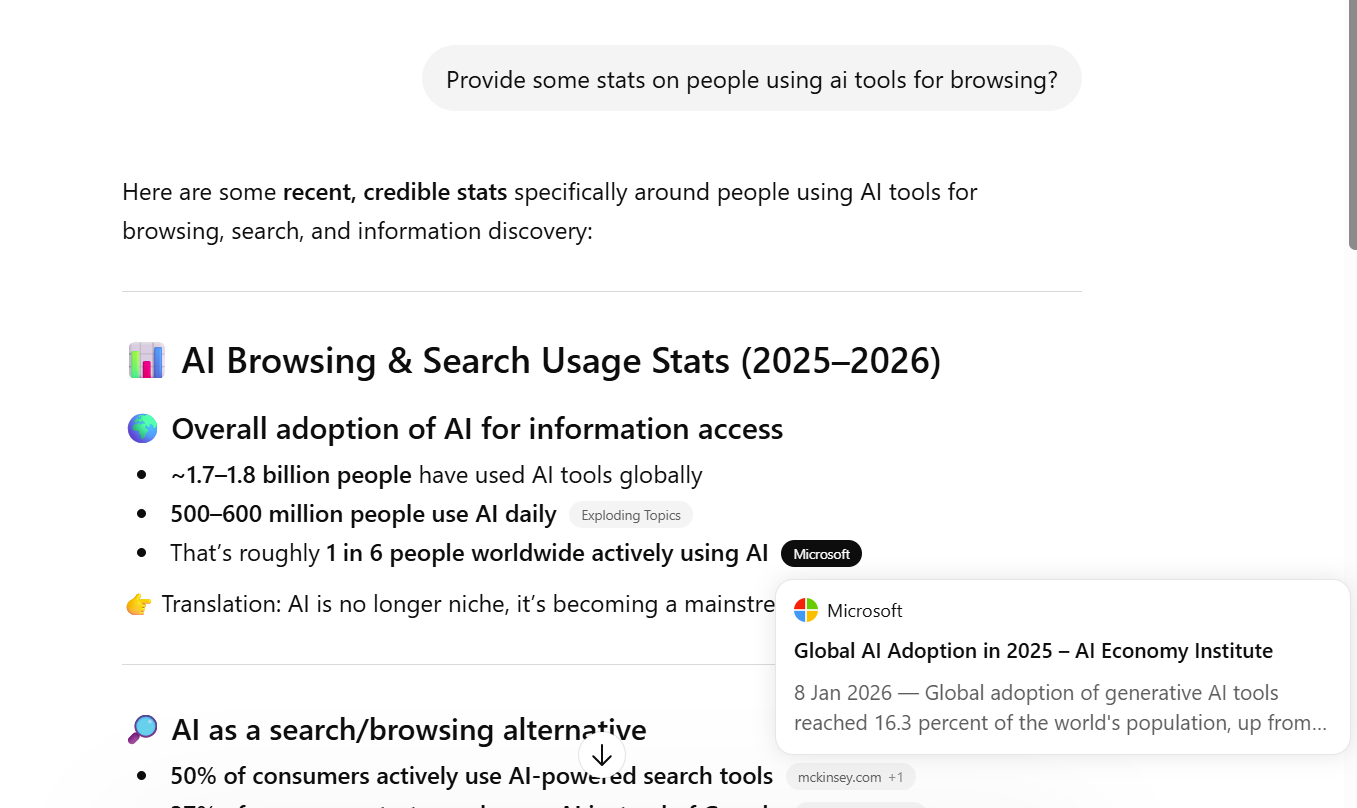
Before strategizing to earn AI citations, it is crucial to understand the vast information ecosystem from which AI models draw their intelligence. These systems do not rely on a singular database but rather synthesize information from a dynamic and ever-expanding array of sources, including:
- Public Web Pages: Blogs, articles, news sites, forums, and informational websites.
- Academic and Research Databases: Peer-reviewed journals, scientific studies, and research papers.
- Proprietary Datasets: Licensed data, commercial databases, and internal knowledge bases.
- Multimedia Content: Videos (transcripts and visual analysis), images, and podcasts.
- Social Media and User-Generated Content: Reviews, discussions, and expert opinions (with varying levels of vetting).
- Structured Data: Information encoded in formats like Schema.org, which helps AI understand entities and relationships.
Recent analyses of AI citation patterns provide valuable insights. A study of Google’s AI Overviews, for instance, revealed that approximately 38% of cited sources did not originate from pages ranking in the top 10 of traditional search results. This suggests that AI models are less bound by conventional ranking signals and more focused on extracting the most pertinent and reliable information, regardless of its page position. Furthermore, research by CXL indicates that AI models tend to prioritize clear, concise answers presented early within content, often pulling citations from the initial sections of a page. This highlights the importance of front-loading critical information and structuring content for rapid comprehension by AI.
The overarching takeaway is clear: AI systems are not merely ranking content; they are intelligently selecting and integrating the most useful, accurate, and well-presented pieces of information from across the entire digital spectrum. This places a premium on content that is not only optimized for visibility but also for clarity, robust structure, and demonstrable trustworthiness.
Typologies of AI Citations: Informational, Product, and Multimedia
AI citations are not monolithic; their form and function vary depending on the user’s query intent. Broadly, they can be categorized into three main types:
-
Informational Citations: These are the most prevalent, appearing when users seek explanations, definitions, or general knowledge. AI tools reference blog posts, comprehensive guides, educational articles, and encyclopedic content to answer questions like “what is quantum computing?” or “how does photosynthesis work?” The cited sources are typically long-form, explanatory, and designed to impart understanding. For example, a query on “what are AI citations” would likely yield citations to detailed blog posts or industry reports explaining the concept.
-
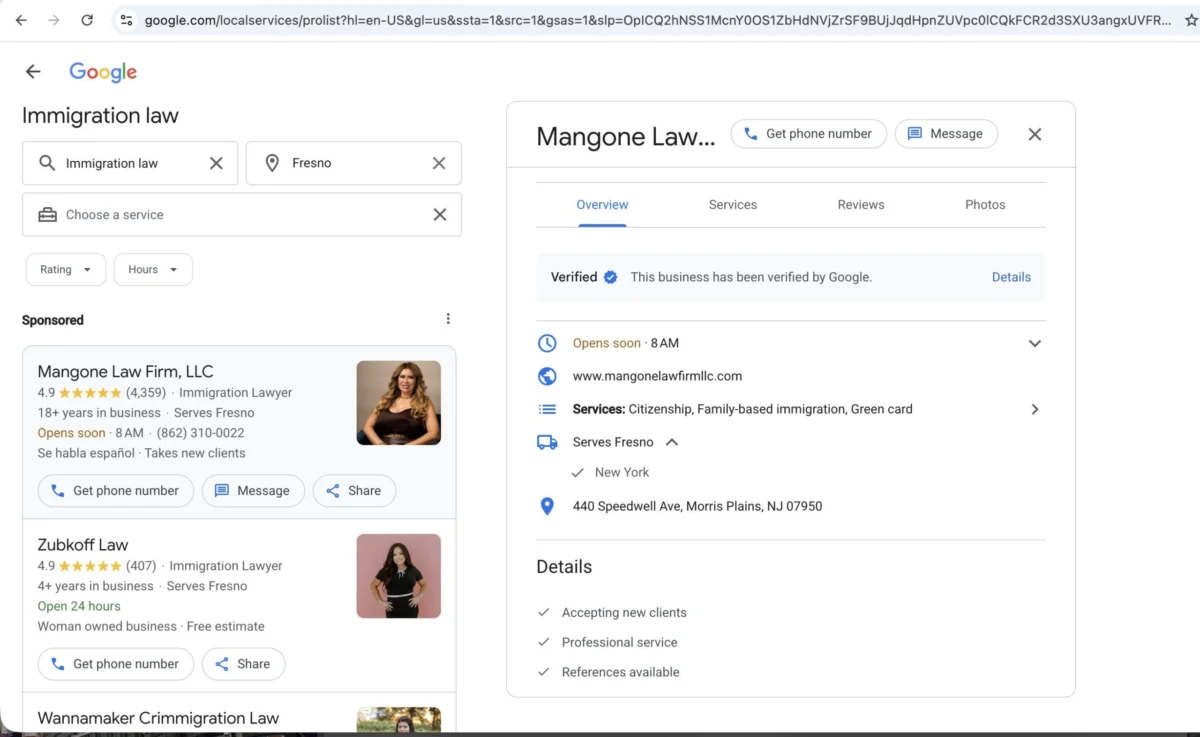
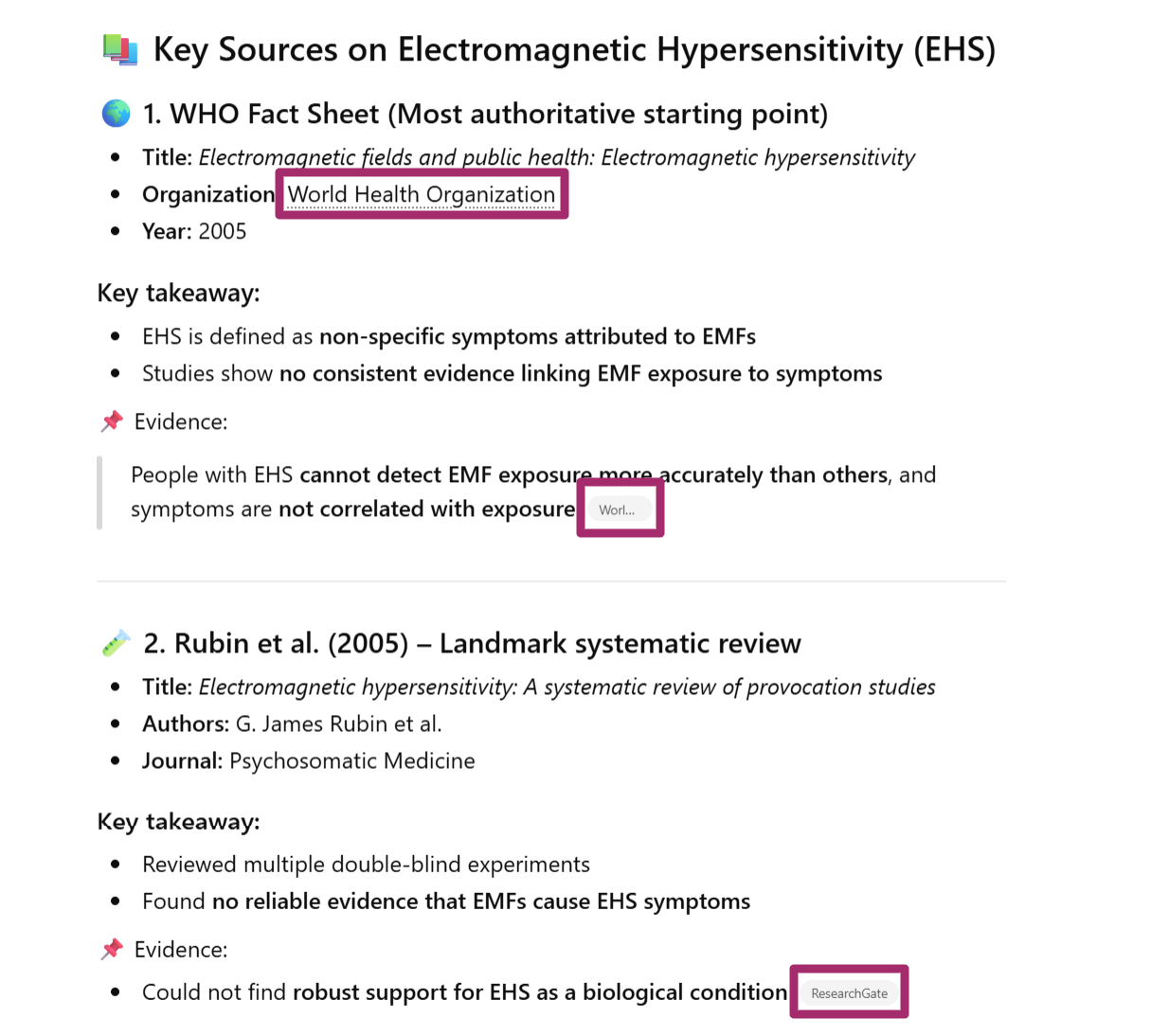
Product Citations: When queries lean towards commercial intent, comparisons, or recommendations, AI models provide product citations. Examples include “best noise-canceling headphones” or “top project management software.” Here, AI cites product pages, comparative reviews, listicles, and e-commerce sites to support its recommendations. These citations often include links to vendor websites, review platforms, or aggregated product information, directly influencing pre-purchase decision-making. Google’s AI model, for instance, might cite both online marketplaces and local retail options for a product query.
-
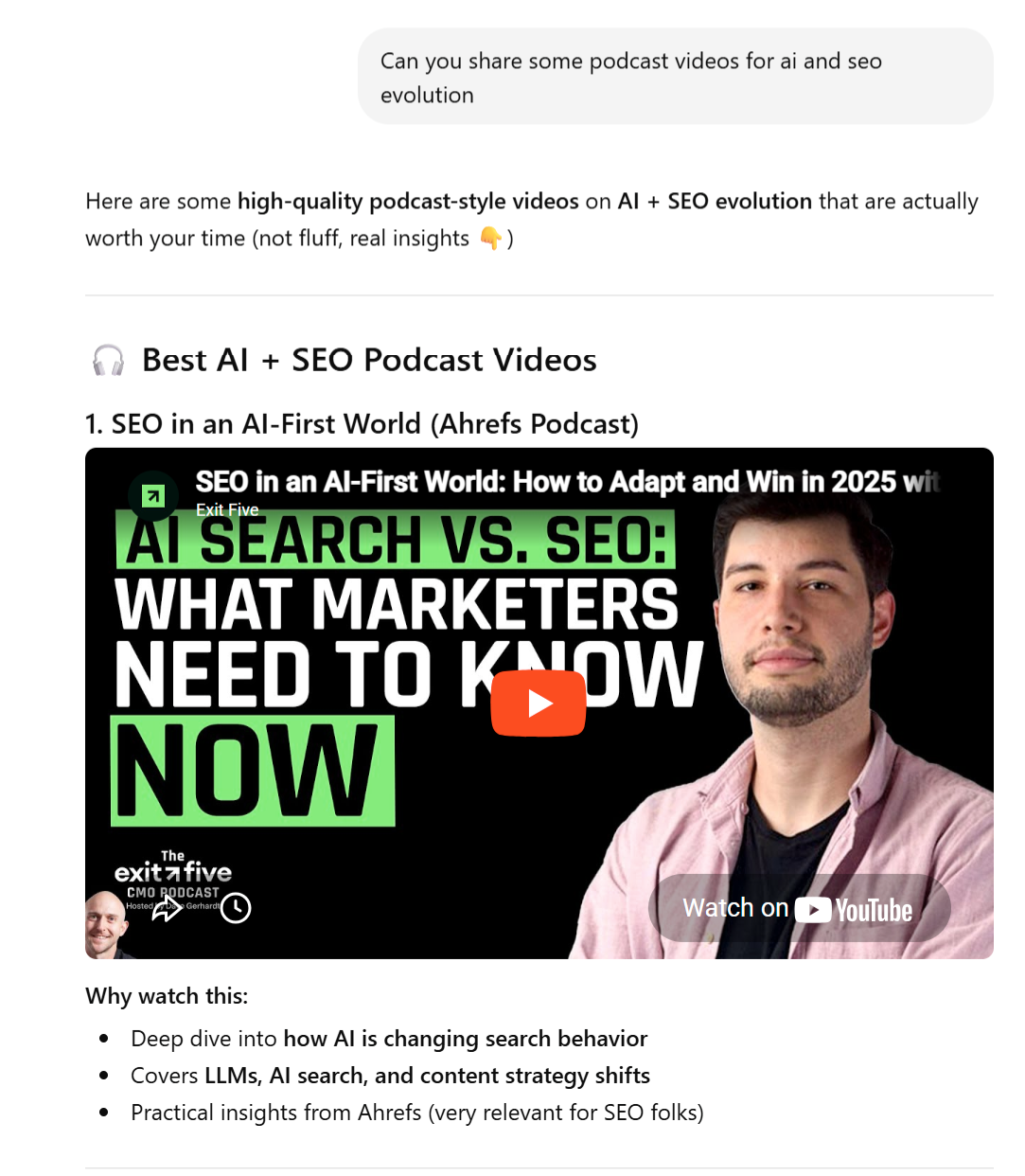
Multimedia Citations: Recognizing that not all information is best conveyed through text, AI also cites multimedia formats. Videos, images, infographics, and interactive content are referenced, particularly for queries requiring visual explanations, tutorials, or demonstrations. A user asking “how to tie a specific knot” or “steps for performing a complex surgical procedure” might receive citations to YouTube videos, detailed image galleries, or interactive walkthroughs. This emphasizes the growing importance of multimodal content strategies for comprehensive AI visibility.
The Profound Impact of AI Citations on Brand Credibility
Beyond merely driving visibility, AI citations profoundly shape brand perception and credibility even before a user visits a website. When a brand’s content is cited in an AI-generated answer, a portion of the AI’s inherent authority and trust transfers directly to that brand. The brand transcends being just another search result; it becomes an integral, validated component of the authoritative answer itself. This subtle yet powerful endorsement significantly alters how users perceive the brand’s expertise and reliability.
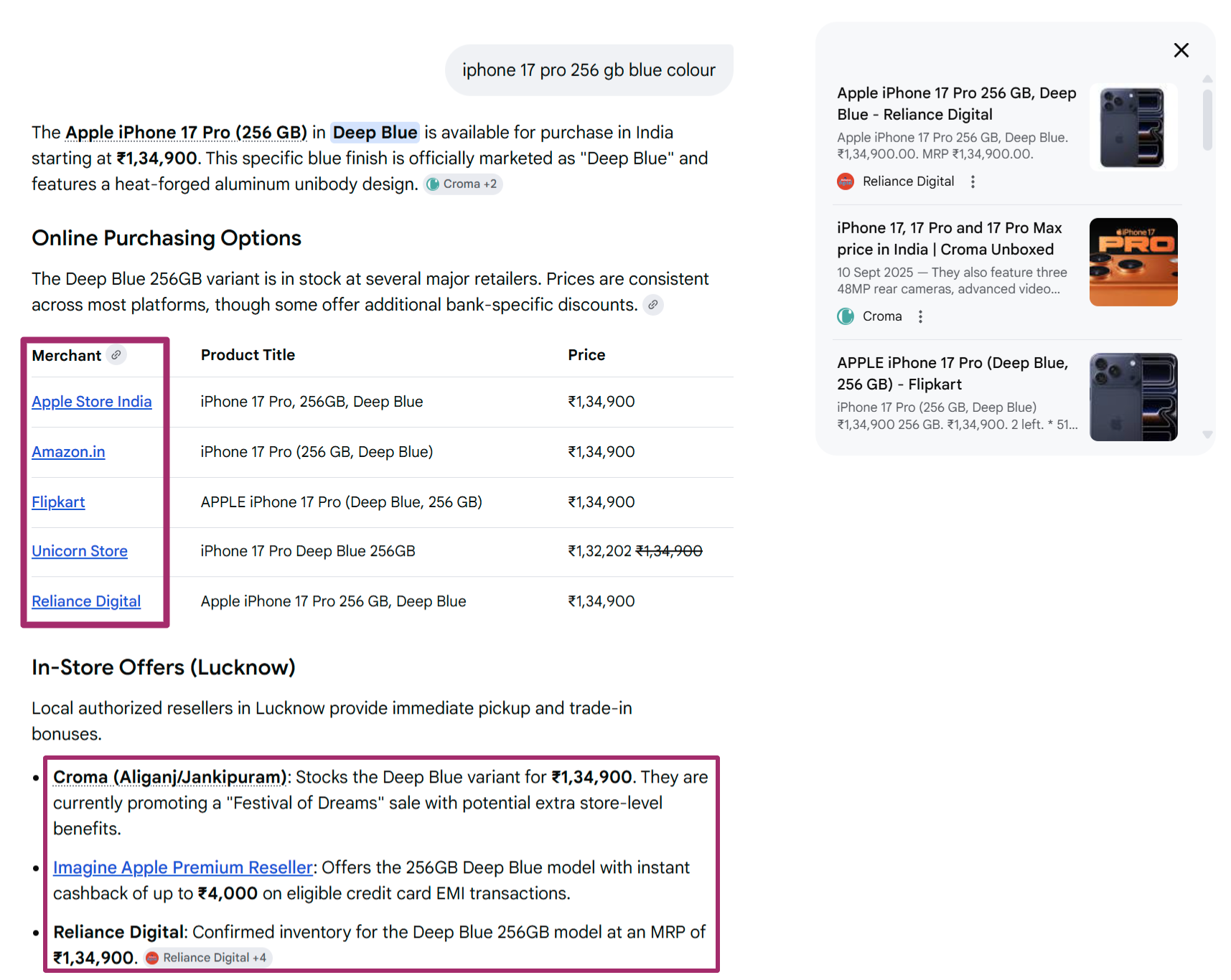
This shift also brings buyer decisions forward in the user journey. Users are increasingly forming opinions, shortlisting options, and even making preliminary decisions directly from AI responses, often bypassing the traditional click-through process. If a brand is not cited or mentioned, it risks being entirely excluded from this critical early-stage consideration set. A brand’s inclusion in an AI answer also acts as a strong signal of genuine relevance. It communicates to both users and algorithms that the content is not merely optimized for search, but truly useful, accurate, and contextually appropriate.
Over time, this creates a powerful compounding effect. Consistent citation of a brand’s content fosters a deep association between the brand and specific topics, establishing it as a thought leader or definitive source. This repeated exposure cultivates familiarity, reinforces authority, and builds enduring trust, which can translate into significant long-term brand equity and customer loyalty.
How AI Citations Work: A Complete Breakdown of the RAG Process
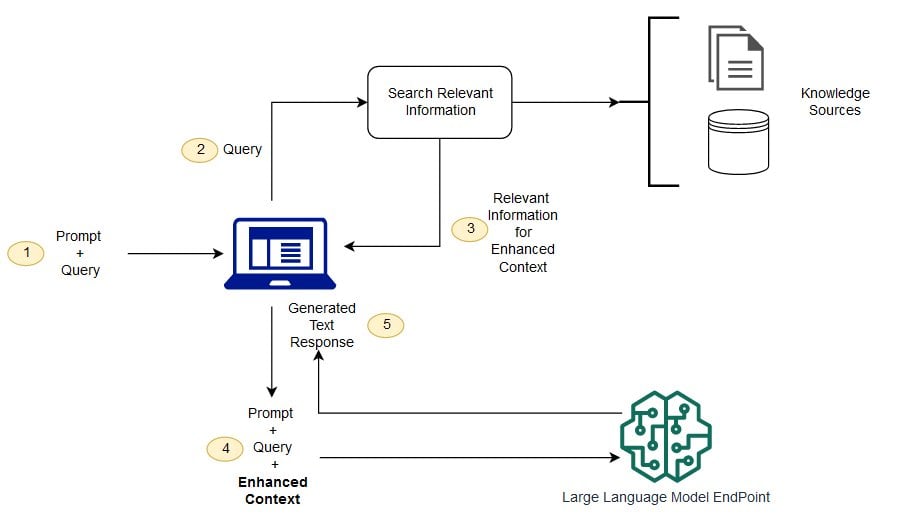
To effectively earn AI citations, it’s imperative to understand the underlying mechanisms that govern their selection. Most AI-powered search systems operate on a principle known as Retrieval-Augmented Generation (RAG). In essence, AI models don’t just “imagine” answers; they first retrieve relevant information from vast data repositories, then synthesize that information, and finally generate a coherent response, often citing their sources.
Here’s a detailed breakdown of this process:
-
Query Understanding: The process begins with the AI meticulously interpreting the user’s intent. Is the user seeking factual information (informational), navigating to a specific website (navigational), or looking to make a purchase (commercial)? This initial understanding is crucial as it dictates the type of sources the AI will prioritize.
-
Retrieval of Sources: Based on the interpreted query, the AI system then casts a wide net, pulling in potential sources from its indexed knowledge base. This includes web pages, structured data, internal documents, academic papers, and various other content types deemed relevant to the query. This is the stage where a brand’s content first enters the AI’s consideration.
-
Source Evaluation: Not all retrieved sources are created equal. The AI rigorously evaluates each potential source based on a complex set of criteria, heavily influenced by Google’s E-E-A-T guidelines:
- Experience: Does the content demonstrate firsthand experience or practical application?
- Expertise: Is the content created by individuals or organizations with demonstrable knowledge in the field?
- Authoritativeness: Is the source widely recognized as a leader or trusted voice on the topic?
- Trustworthiness: Is the information accurate, verifiable, and free from bias?
- Relevance: How directly and comprehensively does the source address the query?
- Recency: Is the information up-to-date, especially for rapidly evolving topics?
- Clarity and Structure: Is the content easy for an AI to parse and extract specific answers from?
The strong emphasis on E-E-A-T underscores that AI systems are not just seeking answers; they are seeking reliable and credible answers backed by legitimate sources.
-
Answer Synthesis: Once evaluated, the AI combines insights from multiple highly-rated sources to construct a single, cohesive, and comprehensive answer. During this phase, various pieces of a brand’s content might be utilized to form parts of the generated response, even if not every fragment results in a direct citation.
-
Citation Selection: The final step involves the model deciding which specific sources to cite or reference. This decision is based on a blend of factors: the primary source for a particular piece of information, the overall authority of the source, and the desire to provide transparency and validation to the user. This is the moment that ultimately determines a brand’s direct visibility within the AI’s answer.
Variations Across AI Systems: While the core RAG process is consistent, different AI tools exhibit unique behaviors in how they prioritize and present citations:
- ChatGPT: Often leans on third-party sources, industry consensus, and aggregator sites, frequently referencing directories, reviews, and general knowledge bases over exclusive brand-owned content.
- Perplexity: Known for its “retrieval-first” approach, Perplexity extensively pulls from a wide range of web sources and emphasizes transparency by surfacing multiple citations, encouraging external validation.
- Gemini: Tends to prioritize brand-owned and highly structured content, particularly pages that are clearly organized, semantically marked up, and easy for the AI to interpret and extract specific data points.
Key Signals AI Models Use for Citing Content: Regardless of the specific AI system, several consistent signals increase the likelihood of content being cited:
- Clarity and Conciseness: Direct answers without ambiguity.
- Accuracy and Fact-Checking: Verifiable information from credible sources.
- Comprehensiveness: Addressing the topic thoroughly but efficiently.
- E-E-A-T (Experience, Expertise, Authoritativeness, Trustworthiness): Demonstrable credibility of the author and organization.
- Uniqueness and Originality: New insights, research, or perspectives.
- Relevance to Query: Directly addressing the user’s intent.
- Freshness and Recency: Up-to-date information, especially for volatile topics.
- Proper Formatting and Structure: Clear headings, lists, tables, and semantic HTML.
- Internal and External Linking: Providing context and supporting evidence.
Actionable Strategies to Get Cited by AI Models
Adapting to this new paradigm requires a strategic shift in content creation and optimization. Here are six key strategies for earning AI citations:
-
Create Citation-Friendly Content: Move beyond generic content to produce resources that offer original thinking, unique data, clear explanations, and undeniable value. Content types consistently favored by AI models include:
- Original Research: Studies, surveys, or data analyses that address new or underexplored questions, providing AI with concrete evidence.
- Case Studies: Real-world examples demonstrating practical applications or outcomes, helping AI justify recommendations with proof.
- Thought Leadership: Opinion-led content from recognized experts, offering unique insights and perspectives that add depth and diversity.
- News Content: Timely, accurate coverage of recent developments, which helps AI fill gaps in its pre-trained knowledge base.
-
Build Topical Authority (Content Clusters): AI models assess not just individual pages but the holistic authority a brand holds on a specific topic. By publishing multiple, interconnected pieces of content that address different facets of a subject, brands signal depth, expertise, and reliability. This aligns directly with E-E-A-T principles.
- In Practice: Develop pillar pages covering broad topics, supported by numerous cluster content pieces delving into specific sub-topics. Employ robust internal linking to demonstrate the interconnectedness and depth of your coverage. Consistently attribute content to experts within your organization.
-
Strengthen Entity Signals (Brand, Authorship, Schema): AI systems evaluate not just the content but also the entities behind it. Clear and consistent entity signals help AI understand your brand, its authors, and its credibility.
- In Practice: Maintain a comprehensive “About Us” page. Implement detailed author bios with credentials and social profiles. Utilize Schema.org markup (e.g., Organization, Person, Article, HowTo) to explicitly define entities and their relationships. Ensure a strong Google Business Profile and strive for Knowledge Panel recognition.
-
Earn External Validation Signals Across the Web: AI models cross-reference information from multiple independent sources to validate credibility. A brand’s authority is therefore reinforced by consistent, high-quality mentions and links across trusted platforms.
- In Practice: Engage in strategic link building focused on earning high-quality, relevant backlinks from authoritative sites. Pursue public relations opportunities for mentions in reputable news outlets. Participate in industry events, expert interviews, and maintain an active, credible social media presence. Secure recognition through industry awards or trusted directories.
-
Keep Content Fresh and Updated: AI models prioritize current information, especially for topics that evolve rapidly. Regularly updating content signals its ongoing relevance and reliability. Outdated information is a significant deterrent for AI citations.
- In Practice: Conduct regular content audits to identify and refresh outdated pieces. Incorporate new data, statistics, and trends. Update publication dates to reflect revisions. Remove or clearly mark obsolete information.
-
Structure Content for Answer Extraction: AI models are designed to extract concise answers, not to “read” content sequentially like humans. User preferences also lean towards direct answers; a poll by IWAI found 67% of users prefer AI tools for getting answers over traditional search.
- In Practice: Use clear, descriptive headings (H1, H2, H3) that function as questions or direct statements. Employ short, digestible paragraphs. Front-load answers to common questions. Utilize bulleted lists, numbered steps, and tables for easy data extraction. Incorporate FAQs sections. Implement semantic HTML elements that highlight key information.
Tracking AI Brand Presence with Yoast AI Brand Insights
As AI-generated answers become a primary discovery layer, traditional analytics tools often fall short. They can measure website traffic but struggle to reveal whether a brand is being mentioned in AI responses, how it’s being perceived, or which sources AI systems trust when referencing it. This creates a critical blind spot in an era where AI answers increasingly shape user decisions pre-click.
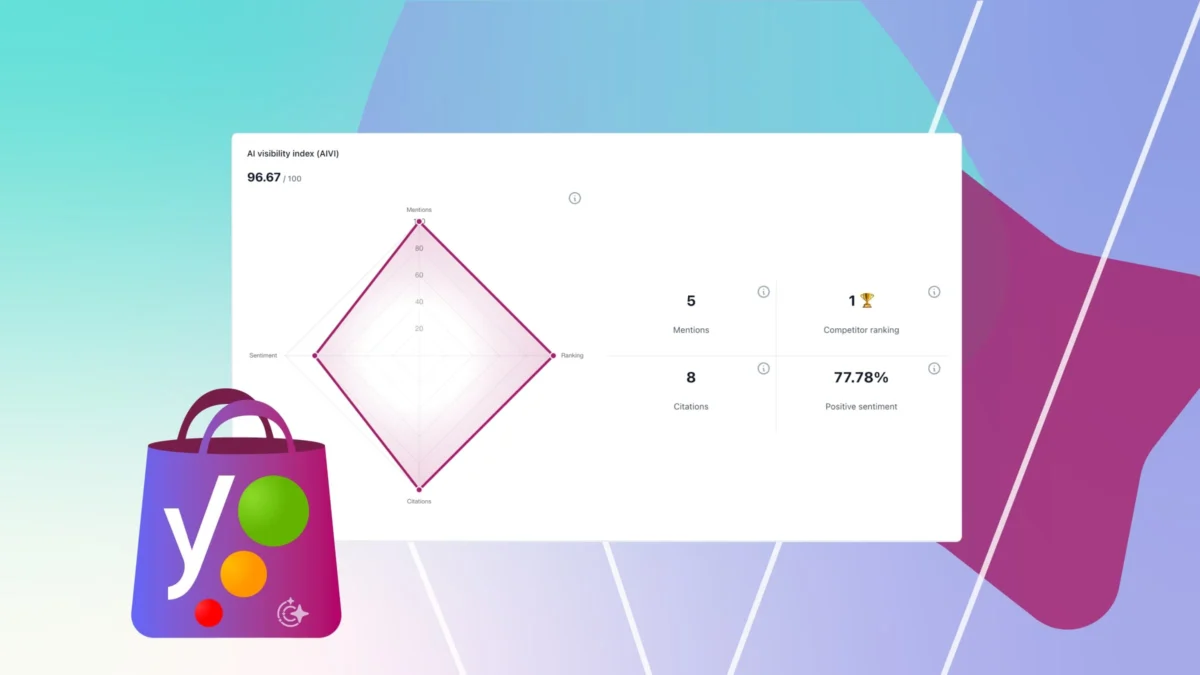
Yoast AI Brand Insights is designed to bridge this gap, offering a comprehensive solution for tracking and understanding a brand’s AI visibility, citations, and mentions across leading platforms like ChatGPT, Gemini, and Perplexity. It allows businesses to move from guesswork to data-driven strategic action.
Key features of Yoast AI Brand Insights include:
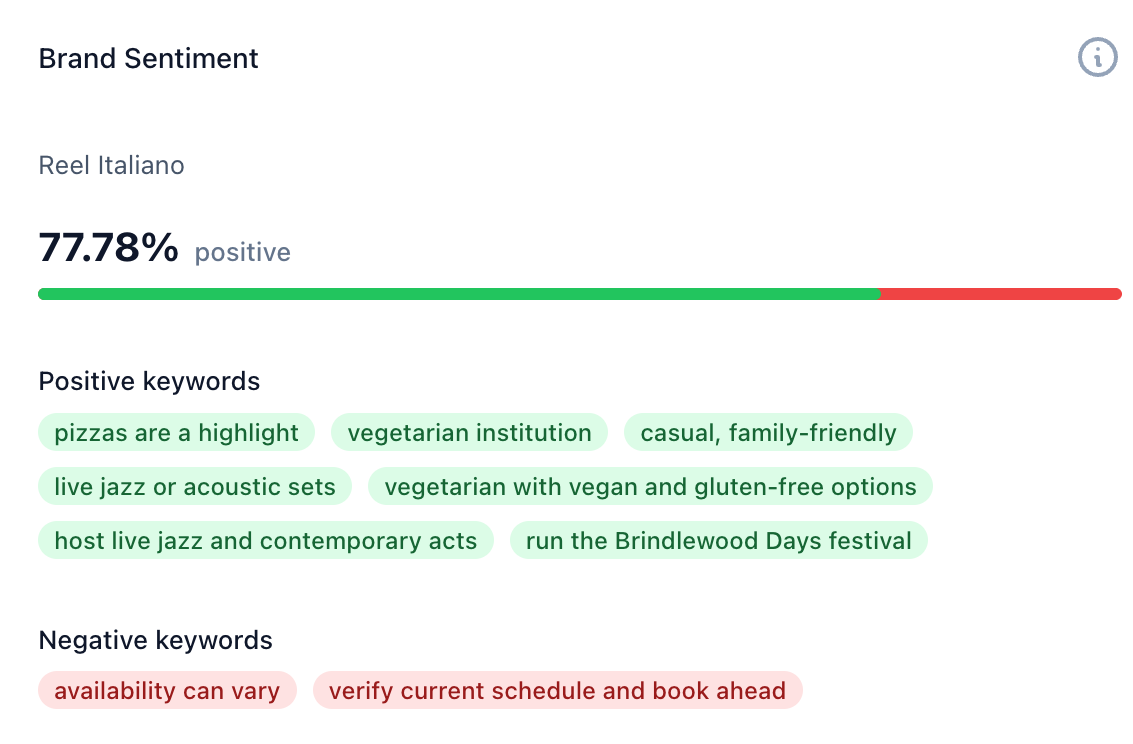
- Sentiment Tracking: Analyzes keywords associated with a brand within AI-generated content to determine overall sentiment (positive, negative, neutral), helping identify tone issues and shifts over time.
- Citation Analysis (Brand Mentions): Provides insights into when and where a brand is cited, crucially identifying which other sources are referenced alongside the brand, revealing potential citation gaps and opportunities.
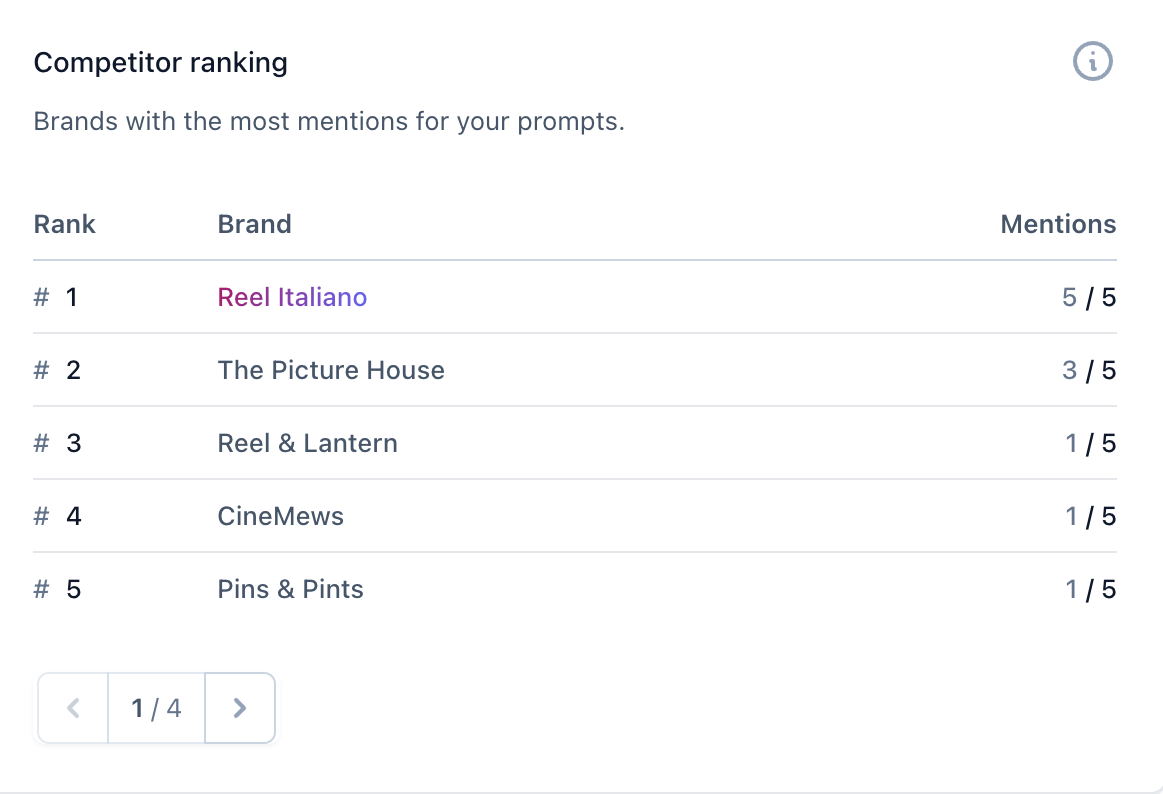
- Competitor Benchmarking: AI visibility is often relative. This feature enables direct comparison of a brand’s citations, mentions, and sentiment against competitors, elucidating who is being surfaced more frequently and why.
- Question Monitoring: Tracks specific brand-related or industry questions, showing whether the brand appears in the AI’s answers, offering direct insight into visibility and areas for improvement.
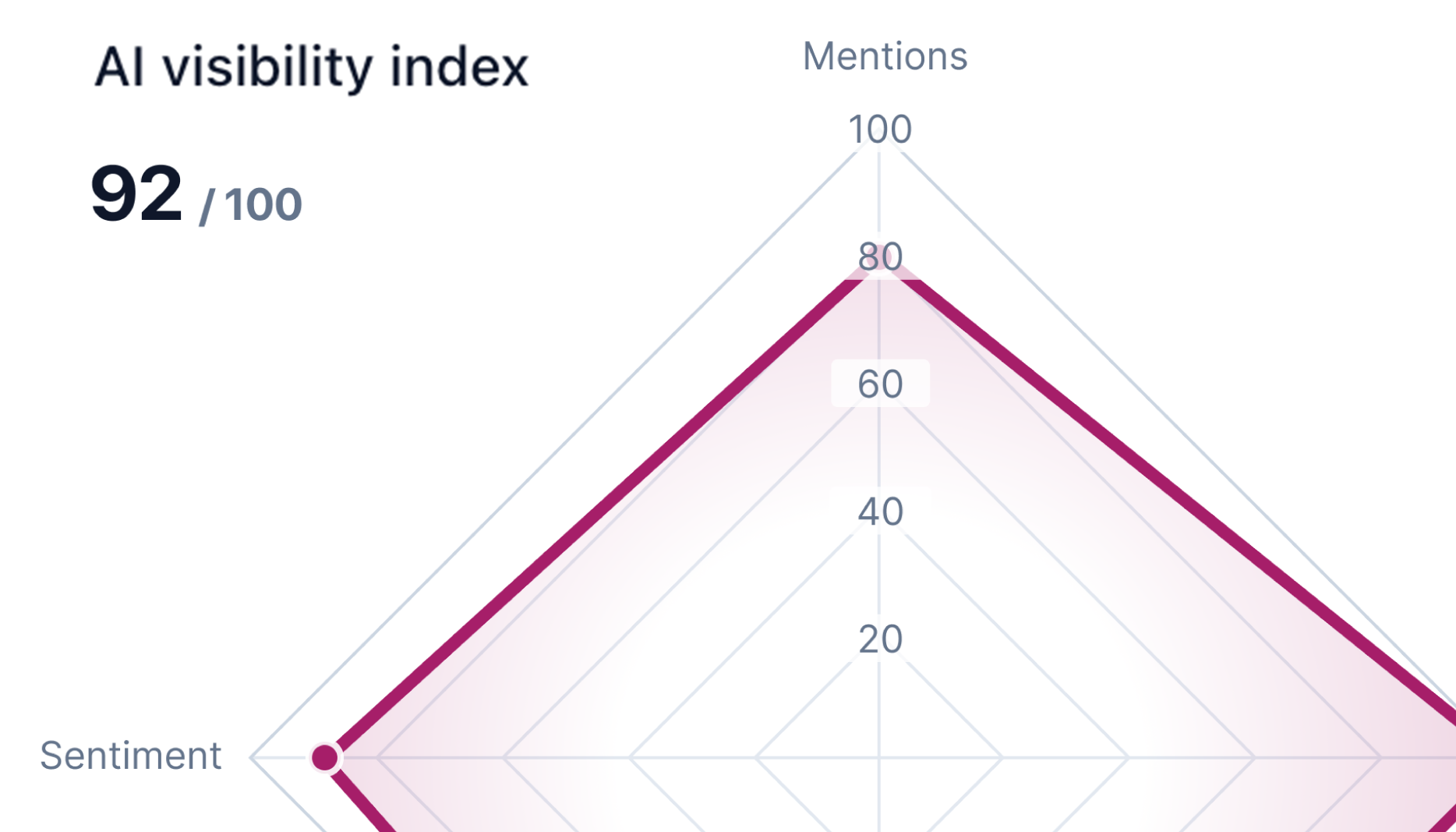
- AI Visibility Index: Consolidates diverse AI signals—citations, mentions, sentiment, and rankings—into a single, holistic visibility score, providing a clear picture of a brand’s performance across AI systems over time.
This suite of tools empowers brands to understand their standing in the new AI ecosystem, enabling them to fortify their presence, address deficiencies, and ensure their brand remains a part of the answers their target audience is actively consuming.
FAQs on AI Citations
Are backlinks different from AI citations?
Yes, backlinks and AI citations serve distinct but complementary roles. Backlinks are crucial for signaling authority and helping pages rank higher in traditional search engine results, driving organic traffic. AI citations, conversely, determine whether content is directly included or referenced within AI-generated answers, driving visibility within those answers. While backlinks contribute to a page’s overall authority, which an AI might consider, they do not directly equate to an AI citation.
Do AI systems always provide citations?
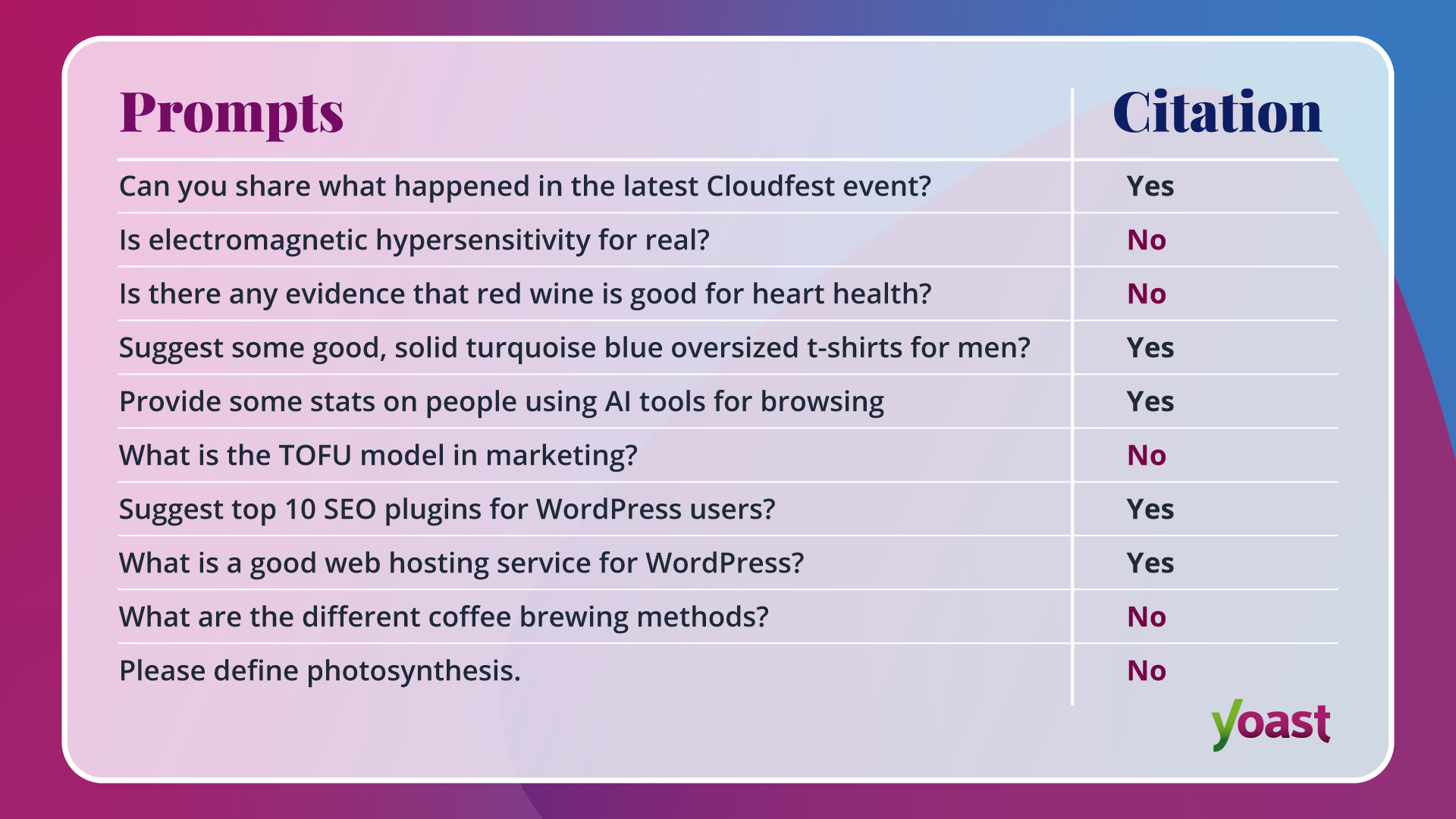
No, AI systems do not always include citations. The decision to cite often depends on the nature of the query, the AI model’s architecture, and whether the response is primarily generated from its pre-trained knowledge base or explicitly retrieved from external sources. For instance, testing various prompts on ChatGPT reveals a pattern:
- Simple factual queries (e.g., “What is the capital of France?”) often draw from pre-trained knowledge and may not include citations.
- Creative or general opinion-based queries (e.g., “Write a poem about spring”) rarely yield citations.
- Specific, evidence-driven, or research-intensive queries (e.g., “Compare the benefits of solar vs. wind energy,” “Latest research on AI ethics”) are significantly more likely to trigger source retrieval and subsequent citations.
This indicates that citation behavior is heavily influenced by query type, intent, and context; the more specific or requiring external validation the query, the higher the likelihood of citations.
How do I direct AI models to the most important content on my website?
While direct control over AI citation is not possible, content creators can guide AI models towards their most valuable content. One innovative method is using llms.txt, a feature available in Yoast SEO. Similar in concept to robots.txt, llms.txt is a structured, LLM-friendly markdown file that explicitly highlights and prioritizes a website’s most important pages or sections for AI models. This file acts as a clear communication channel, helping Large Language Models (LLMs) better understand and interpret the site’s hierarchy and key offerings when generating answers. By clearly signposting priority content, brands can increase the likelihood of their authoritative pages being recognized and utilized by AI systems.
AI Citations: The New Currency of the AI-Driven Web
AI citations represent more than a technical update to search; they signify a fundamental shift in how digital information is discovered, validated, and consumed. They are reshaping user trust and redefining what constitutes digital visibility. In this evolving landscape, content is no longer merely vying for rankings but for inclusion within the very fabric of AI-generated answers. Users are increasingly satisfied with AI’s direct responses, lessening the need for traditional click-throughs. If content is cited, it achieves visibility; if not, it risks becoming digitally invisible to a growing segment of users.
This transformation demands a re-evaluation of SEO strategies, shifting the optimization focus from solely traffic acquisition to cultivating trust, demonstrating relevance, and ensuring explicit inclusion in the answer layer. As explored in discussions around “Rethinking SEO in the Age of AI,” the core question for digital strategists is evolving. It is no longer just, “Can Google find my website?” but rather, “Does the AI have a compelling reason to remember and reference my brand?” Brands that proactively adapt to this new currency of AI citations will be best positioned to build authority, foster trust, and maintain relevance in the rapidly accelerating age of artificial intelligence.