rifanmuazin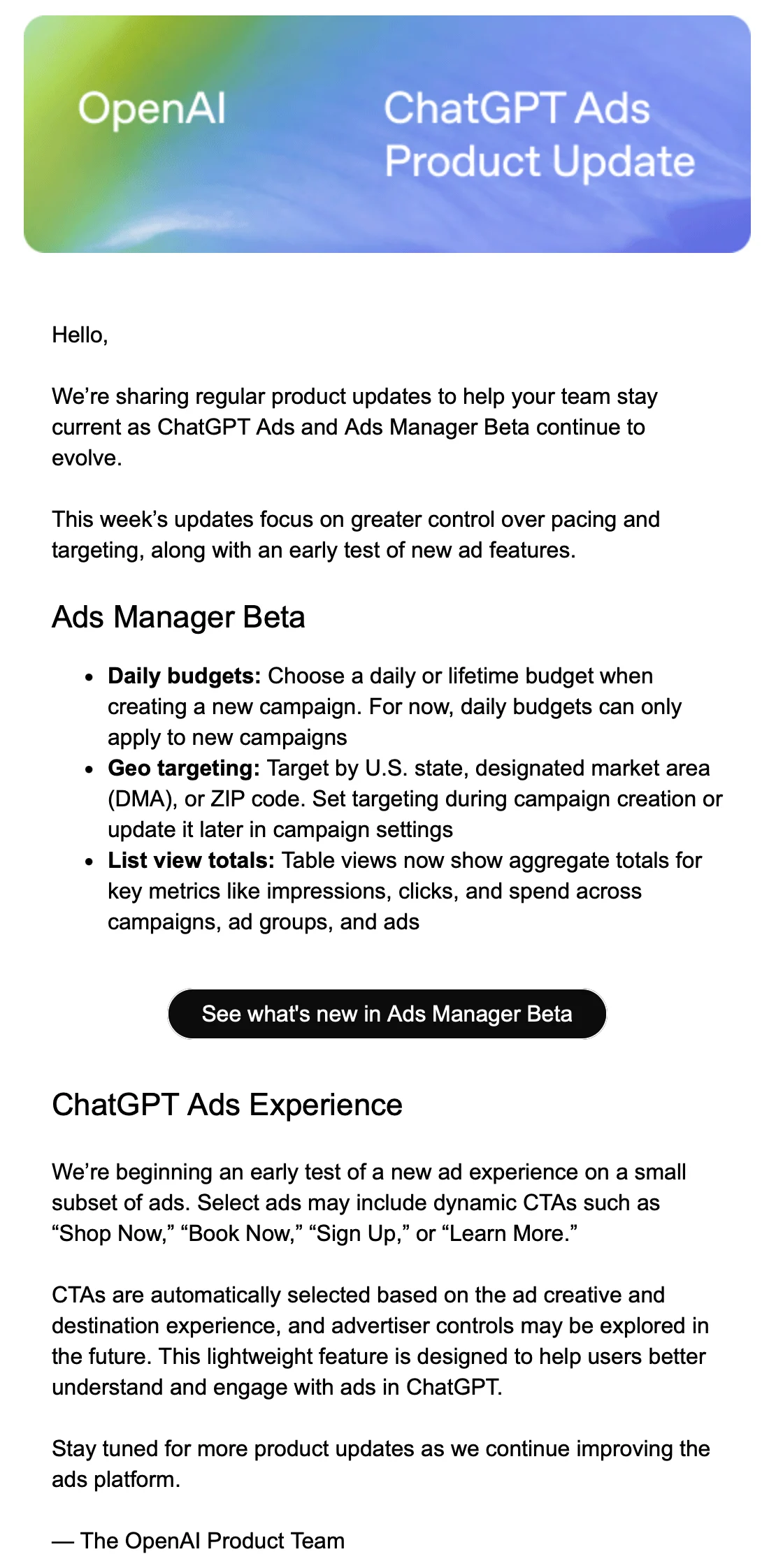
The Genesis of ChatGPT Advertising: A Strategic Imperative
Since its public launch in November 2022, ChatGPT has rapidly transformed the landscape of artificial intelligence, attracting a massive global user base. Within just two months, it had garnered 100 million monthly active users, a growth trajectory unparalleled in consumer application history. By November 2023, OpenAI reported that ChatGPT was being used by 100 million weekly active users across 185 countries. This meteoric rise, while showcasing the immense potential of generative AI, also brought with it substantial operational costs, particularly for the compute resources required to run such a sophisticated large language model.
OpenAI, initially founded as a non-profit, transitioned to a “capped-profit” model to attract the necessary capital for its ambitious research and development goals. With billions of dollars invested by partners like Microsoft, the imperative to generate significant revenue streams beyond API access and premium subscriptions (ChatGPT Plus) became increasingly evident. Advertising, a proven model for monetizing large online audiences, naturally emerged as a strategic avenue. The first whispers of an advertising model for ChatGPT began to circulate in early 2023, with the understanding that such a system would need to be thoughtfully integrated to avoid alienating users while still providing value to advertisers.
The company’s approach to advertising has been characterized by careful, iterative development, reflecting a desire to balance monetization with user experience. Unlike traditional search engines or social media platforms where ads are deeply embedded, integrating advertisements into a conversational AI interface presents unique challenges and opportunities. The goal, as repeatedly emphasized by OpenAI, is to create “lightweight features” that help users “better understand and engage with ads,” rather than disrupting the core utility of the AI assistant.
A Chronology of OpenAI’s Ad Strategy
The journey towards a fully-fledged advertising platform within ChatGPT has been a measured one, reflecting the complexities of integrating commercial interests into a cutting-edge AI product.
- Late 2022 – Early 2023: Following ChatGPT’s explosive growth, discussions and speculation began regarding OpenAI’s monetization strategies. While premium subscriptions (ChatGPT Plus) were an immediate solution, the scale of the free user base pointed towards advertising as a long-term revenue generator.
- Mid-2023: Reports emerged hinting at OpenAI’s exploration of various advertising models, including potential partnerships and direct ad placements. The company’s leadership acknowledged the need for sustainable revenue to fund its ambitious AI research.
- Late 2023: OpenAI officially confirmed its intent to explore advertising within ChatGPT. The initial concept revolved around contextual ads that would appear in relevant conversations, aiming for a non-intrusive experience.
- Early 2024: The first iteration of a self-serve ChatGPT Ads Manager was quietly rolled out to a select group of advertisers. This initial platform provided basic functionalities, allowing businesses to create and manage campaigns, albeit with limited targeting and optimization options. The focus was on gathering feedback and testing the fundamental mechanics of ad delivery within the chat interface.
- Current Update (May 2024): OpenAI’s latest announcement, disseminated via email to advertisers, marks a significant maturation of the platform. The introduction of daily budgets, geo-targeting, and list view totals, coupled with the testing of dynamic call-to-action (CTA) buttons, indicates a transition from experimental rollout to a more robust, advertiser-friendly ecosystem.
This timeline demonstrates a clear progression from conceptualization to gradual implementation, with each phase designed to refine the ad experience for both users and advertisers.
Deeper Dive into New Ads Manager Features
The recent updates to the ChatGPT Ads Manager introduce functionalities that are foundational to any sophisticated digital advertising platform. These enhancements provide advertisers with greater control, precision, and transparency over their campaigns, aligning ChatGPT’s ad capabilities more closely with industry standards established by giants like Google and Meta.
-
Daily Budgets: The inclusion of daily budgets is a critical feature for effective campaign management. Advertisers can now set a maximum amount they are willing to spend each day on a particular campaign. This provides invaluable control over expenditures, preventing overspending and allowing for more predictable cost management. For small and medium-sized businesses (SMBs), this granular control is particularly beneficial, enabling them to participate in advertising without the risk of rapidly depleting their marketing budgets. It also facilitates A/B testing, where different creatives or targeting strategies can be run with controlled daily spends to ascertain optimal performance. This feature is a cornerstone of responsible ad spending, ensuring campaigns remain within financial parameters regardless of fluctuating ad inventory or user engagement.
-
Geo-Targeting: The introduction of geo-targeting is a game-changer for localized marketing efforts. Advertisers can now specify the geographic regions where their ads will be displayed, ranging from countries and states down to specific cities or even postal codes. This capability is vital for businesses whose products or services are geographically restricted, such as local restaurants, retail stores, service providers, or regional event organizers. By focusing ad impressions on users within a relevant proximity, geo-targeting significantly increases the likelihood of engagement and conversion. For example, a local bakery can now ensure its ads for freshly baked goods are seen only by ChatGPT users within its delivery radius, drastically improving ad efficiency and reducing wasted impressions. This feature also opens doors for highly personalized marketing messages that resonate with local customs, events, or language nuances, enhancing ad relevance for the user.
-
List View Totals: For advertisers managing multiple campaigns, the addition of list view totals provides a consolidated, at-a-glance overview of key performance metrics. This feature aggregates data such as total impressions, clicks, spend, and conversions across all active campaigns or a selected subset. This centralized reporting capability is essential for efficient campaign monitoring and performance analysis. Instead of navigating through individual campaign reports, advertisers can quickly identify top-performing campaigns, detect underperforming ones, and make data-driven decisions to optimize their overall advertising strategy. This transparency and ease of access to aggregate data streamline workflow, allowing marketers to allocate resources more effectively and react promptly to campaign trends.
The Evolution of Ad Experiences: Dynamic Call-to-Action (CTA) Tests
Beyond the backend management tools, OpenAI is also actively enhancing the user-facing ad experience within ChatGPT through the introduction of dynamic Call-to-Action (CTA) tests. This initiative aims to make ads more interactive and intuitive for users, directly addressing the goal of improving engagement.
OpenAI stated, “We’re beginning an early test of a new ad experience on a small subset of ads. Select ads may include dynamic CTAs such as ‘Shop Now,’ ‘Book Now,’ ‘Sign Up,’ or ‘Learn More.'” The key innovation here is the dynamic nature of these CTAs. Unlike static buttons that an advertiser manually selects, these CTAs are “automatically selected based on the ad creative and destination experience.” This implies an AI-driven system that analyzes the content of the ad and the nature of the landing page or desired user action, then intelligently presents the most appropriate CTA.
For instance, an ad promoting an e-commerce product might automatically display a “Shop Now” button, while an ad for a webinar could show “Sign Up,” and a local service provider might feature “Book Now.” This intelligent matching significantly improves the user experience by clarifying the next step and reducing friction. When a user sees an ad, the dynamic CTA immediately guides them toward the intended action, making the ad more actionable and less ambiguous.

OpenAI also noted that “advertiser controls may be explored in the future.” This suggests that while the current iteration relies on automated selection, the company recognizes the importance of advertiser input and customization. Eventually, advertisers might have the option to override automated selections or provide preferences, balancing AI efficiency with brand-specific messaging.
This “lightweight feature,” as described by OpenAI, is designed to help users better understand and engage with ads in ChatGPT. By providing clear, contextually relevant CTAs, OpenAI aims to seamlessly integrate commercial messages into the conversational flow without disrupting the user’s primary interaction with the AI. This approach stands in contrast to more intrusive ad formats and emphasizes a user-centric design philosophy, even within an advertising context.
Strategic Rationale and OpenAI’s Vision
These updates are not merely incremental technical improvements; they represent a significant step in OpenAI’s broader strategic vision. The decision to invest heavily in refining the advertising platform is driven by several key factors:
- Monetization Imperative: As a leading AI research and deployment company, OpenAI incurs immense costs associated with training and running its large language models. A robust advertising platform provides a scalable and diversified revenue stream essential for funding ongoing research, development, and infrastructure expansion.
- Competitive Landscape: The AI space is highly competitive, with tech giants like Google, Microsoft, and Meta all heavily investing in generative AI. Each of these companies already possesses established advertising ecosystems. By building out its own sophisticated ad platform, OpenAI positions ChatGPT to compete effectively for advertiser spend, leveraging its unique conversational interface.
- Balancing User Experience and Revenue: OpenAI is keenly aware of the potential for ads to degrade user experience. Their emphasis on “lightweight features” and “helping users better understand and engage with ads” underscores a deliberate strategy to integrate advertising in a non-disruptive manner. The success of this balancing act will be crucial for long-term user retention and platform growth.
- Data-Driven AI Improvement: The data gathered from ad interactions—clicks, conversions, engagement rates—can also feed back into OpenAI’s AI models. Understanding how users respond to different ad creatives and CTAs can provide valuable insights into user behavior, preferences, and conversational nuances, potentially leading to improvements in the core AI itself.
Implications for Advertisers
For businesses looking to leverage ChatGPT’s immense user base, these updates offer several compelling advantages:
- Enhanced Campaign Granularity and Control: Daily budgets and geo-targeting empower advertisers with unprecedented control over their campaign spending and audience reach. This translates into more efficient ad spend and the ability to target highly specific customer segments.
- Potential for Higher ROI: By delivering more relevant ads to targeted demographics, and guiding users with clear, dynamic CTAs, the likelihood of conversions is expected to increase. This could lead to a higher return on investment for advertising dollars spent on ChatGPT.
- New Opportunities for Reaching Engaged Audiences: ChatGPT users are often actively seeking information, solutions, or creative ideas. Ads delivered in this context, especially if highly relevant, can reach users at a moment of high intent, offering a unique engagement opportunity compared to passive browsing on other platforms.
- Learning Curve: While beneficial, the new features also imply a learning curve for advertisers unfamiliar with the ChatGPT ad ecosystem. Understanding how to best utilize geo-targeting within a conversational context, or how ad creatives influence dynamic CTA selection, will require experimentation and adaptation.
Implications for Users
From the user’s perspective, the impact of these updates is designed to be positive, albeit with the inherent presence of commercial content:
- More Relevant Ads: The combination of geo-targeting and AI-selected dynamic CTAs aims to make advertisements more pertinent to the user’s location and likely intent. This reduces the chances of encountering irrelevant or annoying ads.
- Clearer Engagement Paths: Dynamic CTAs make it easier for users to understand what action an ad is prompting them to take, streamlining the process if they are interested.
- Potential for Ad Fatigue (Mitigated): While any introduction of ads carries the risk of user fatigue, OpenAI’s emphasis on “lightweight” and contextual integration suggests an effort to minimize disruption. The success of this approach will depend on the frequency, prominence, and relevance of the ads as the platform scales.
- Seamless Integration: The ultimate goal is for ads to feel like a natural extension of the conversational experience, offering helpful suggestions or resources when relevant, rather than jarring interruptions.
Industry Reactions and Expert Analysis
Digital marketing experts and industry analysts are likely to view these updates as foundational and necessary steps for OpenAI’s advertising ambitions. Industry observers like Glenn Gabe, who highlighted the email announcement, often track such developments closely as indicators of platform maturity.
Experts would likely commend the introduction of standard ad features such as daily budgets and geo-targeting, recognizing them as essential for attracting serious advertisers. “These are table stakes for any ad platform aiming to compete in the digital advertising space,” one might infer an analyst to say. “Without these controls, advertisers simply won’t commit significant budgets.”
The dynamic CTA testing, in particular, would be seen as a clever application of AI within advertising itself, leveraging OpenAI’s core competency. “Automated, context-aware CTAs could significantly boost conversion rates by reducing user guesswork and friction,” another expert might suggest. “It’s a smart move that differentiates ChatGPT’s ad experience from more static formats.”
However, analysts would also likely raise questions about the scalability, performance metrics, and privacy implications of advertising within a generative AI. How will ad effectiveness be measured in a conversational context? What data is being used for targeting, and how transparent is OpenAI about its data practices? These will be ongoing areas of scrutiny as the platform evolves.
Challenges and Future Outlook
Despite these significant advancements, OpenAI faces several challenges in establishing ChatGPT as a major advertising platform:
- Scaling Effectively: Integrating ads into a conversational interface while maintaining quality and relevance at scale is a complex undertaking. OpenAI must ensure its ad delivery system can handle a growing number of advertisers and diverse ad types without compromising the user experience.
- Maintaining Ad Quality and User Trust: The credibility of ChatGPT relies heavily on user trust. OpenAI must implement stringent ad quality controls to prevent misleading, inappropriate, or low-quality advertisements from appearing, which could erode user confidence.
- Data Privacy Considerations: With the increasing scrutiny on data privacy, OpenAI must be transparent about how user data is utilized for ad targeting and ensure robust privacy safeguards are in place, particularly given the sensitive nature of conversational data.
- Innovation in AI-Driven Advertising: The true potential of ChatGPT advertising lies in its ability to leverage generative AI for more than just ad delivery. Future developments could include AI-assisted ad creation, personalized ad copy generation based on user context, or even conversational ad units where users can interact with an AI to learn more about a product.
- Integration with Broader Ecosystems: For maximum impact, ChatGPT’s ad platform may eventually need to integrate with other OpenAI products or partner ecosystems, creating a more unified advertising solution across various AI-powered applications.
In conclusion, OpenAI’s latest updates to the ChatGPT Ads Manager and the expansion of its dynamic ad experience tests mark a pivotal moment in the company’s monetization journey. By introducing essential features like daily budgets, geo-targeting, and list view totals, alongside innovative AI-driven CTAs, OpenAI is laying the groundwork for a sophisticated advertising platform that aims to deliver value to both businesses and users. This strategic pivot underscores the critical role of advertising in funding cutting-edge AI research and development, while simultaneously attempting to set a new standard for how commercial content can be seamlessly integrated into the next generation of conversational AI. The success of these endeavors will not only shape OpenAI’s future but also significantly influence the evolving landscape of digital advertising in the age of artificial intelligence.