Search Engine Optimization (SEO) stands as a cornerstone of digital marketing, serving as both an art and a science dedicated to enhancing a website’s visibility within search engine results. In an increasingly interconnected world, where online presence dictates business survival and growth, the ability to appear prominently when users seek relevant information, products, or services is paramount. This foundational practice has evolved significantly from its nascent stages, now encompassing a complex interplay of technical refinements, strategic content creation, and robust brand building, all aimed at attracting targeted audiences and supporting overarching business objectives.
The Evolution of Search Engine Optimization: A Historical Perspective
The journey of SEO began in the mid-1990s, shortly after the widespread adoption of the World Wide Web and the emergence of rudimentary search engines like AltaVista and Yahoo!. In these early days, optimization was a relatively straightforward affair. Algorithms were less sophisticated, primarily relying on simple metrics such as keyword density. Website owners quickly learned that by repeating target keywords numerous times within their content and meta tags, they could influence their rankings. This led to practices now known as "black hat SEO," including keyword stuffing, hidden text, and cloaking, which prioritized manipulation over user value.
However, as search engines like Google rose to prominence, they rapidly recognized the limitations and detrimental user experience caused by these manipulative tactics. Google, in particular, embarked on a continuous mission to refine its algorithms, shifting the focus from keyword repetition to delivering genuinely relevant and high-quality results. This marked a pivotal turning point, ushering in an era of ongoing algorithm updates designed to penalize spammy practices and reward legitimate efforts. Key updates such as Panda (targeting thin or low-quality content), Penguin (addressing manipulative link schemes), Hummingbird (enhancing semantic search capabilities), and RankBrain (introducing machine learning to understand complex queries) progressively transformed the SEO landscape. These updates underscored a clear trend: search engines were becoming smarter, more human-like in their understanding, and increasingly focused on user experience and authoritative content.

The Mechanics of Search: Crawling, Indexing, and Ranking
At its core, SEO works by aligning a website with the operational principles of search engines, which primarily involve three distinct processes: crawling, indexing, and ranking.
Crawling: This initial phase involves specialized automated programs, known as spiders or crawlers (e.g., Googlebot), that systematically scour the internet to discover new and updated web pages. These bots follow links from known pages to new ones, identifying HTML, images, videos, and other files. Website owners can facilitate this process by providing XML sitemaps, which act as roadmaps for crawlers, and by managing their robots.txt file, which instructs crawlers on which parts of a site to access or avoid.
Indexing: Once a page is crawled, its content and various attributes (like keywords, images, videos) are analyzed and stored in a massive database called the search engine index. This index is a vast, constantly updated library of all the information found on the web, categorized and organized for rapid retrieval. For a page to appear in search results, it must first be successfully indexed. Factors like duplicate content, technical errors, or explicit instructions to noindex can prevent a page from being added to this critical database.
Ranking: When a user enters a search query, the search engine consults its index to find all relevant pages. It then employs complex algorithms, often leveraging artificial intelligence and machine learning, to determine the most pertinent and authoritative results. These algorithms evaluate hundreds of ranking factors to order the results, presenting them to the user from most to least relevant. For instance, a search for "sustainable phone case" will trigger Google’s algorithms to pull from its index pages that not only contain these keywords but also demonstrate authority, user satisfaction, and technical soundness related to the topic, prioritizing those deemed most valuable to the searcher’s intent.

Why SEO Remains Critical for Digital Success
Despite the continuous evolution of search algorithms and the emergence of new digital channels, SEO’s importance for site owners and businesses has only amplified.
Unparalleled Search Volume and User Intent: The sheer volume of daily searches underscores the colossal reach of search engines. Google alone processes an astounding 8.5 billion searches per day as of 2024, a figure that has consistently risen since its inception. This immense activity represents an unparalleled opportunity for businesses to connect with potential customers. Crucially, online search is highly intent-driven. Unlike other marketing channels, such as social media, where brand messages often interrupt a user’s experience, search engine users are actively seeking specific information, products, or solutions. This existing demand translates into higher conversion rates, making SEO an invaluable inbound marketing strategy for attracting high-quality leads.
Building Brand Authority and Competitive Advantage: In a digital landscape saturated with countless websites, merely existing online is no longer sufficient. SEO provides a vital competitive edge by increasing online visibility, fostering a stronger brand presence, and establishing authority within a specific field. By consistently ranking for relevant terms, businesses gain more touchpoints with their audience, build trust, and cultivate loyalty. This sustained visibility translates into increased brand recognition and, ultimately, higher revenue, as customers are more likely to engage with and purchase from brands they perceive as leaders in their industry.
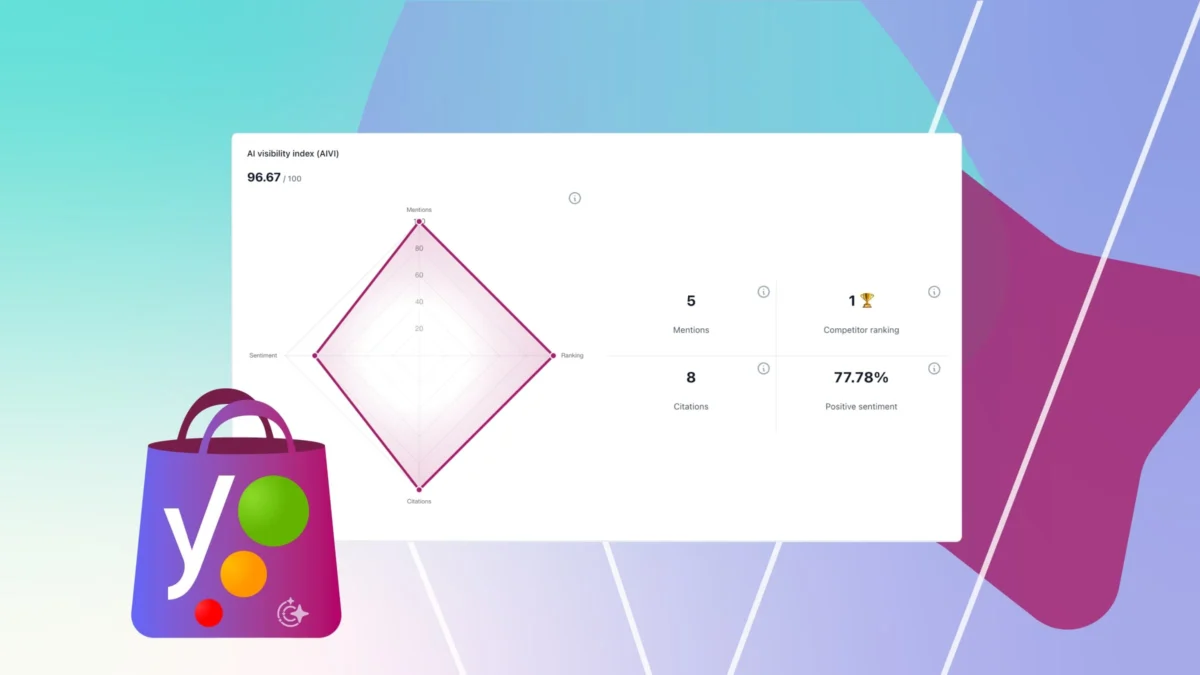
Beyond Clicks: Brand Visibility in the AI Era: The contemporary understanding of SEO extends beyond merely generating clicks to a website. The rise of AI-powered search experiences, such as Google’s AI Overviews, conversational AI assistants, and integration into social media platforms, means that content can be discovered and referenced in various new ways. Even if a user doesn’t immediately click through to a website, being cited as a trusted source in an AI-generated answer or overview significantly enhances brand awareness and credibility. This "zero-click search" scenario, where the answer is provided directly on the search results page, still positions the source as an authority, building future demand and influencing user perception. As Carolyn Shelby, Principal SEO at Yoast, aptly notes, "Rankings still matter, but they are no longer the end goal. They are a proxy for visibility, not a guarantee of impact. As search shifts from ranking pages to selecting sources, rankings should be interpreted alongside presence, citation, and narrative accuracy."

Understanding the Core Pillars of SEO
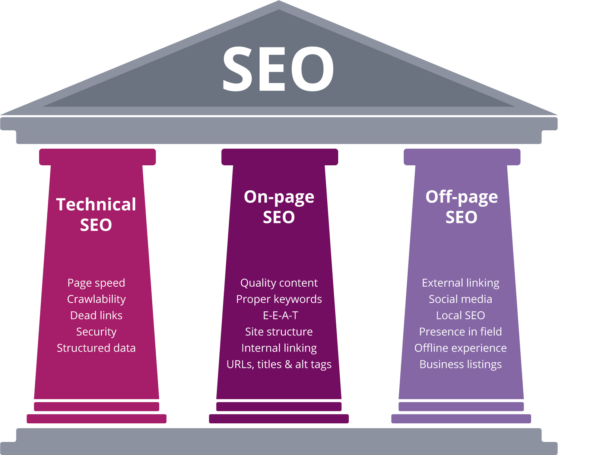
SEO encompasses a broad range of optimization activities, typically categorized into three fundamental pillars: technical SEO, on-page SEO, and off-page SEO.
Technical SEO: Foundation for Digital Health: This pillar focuses on optimizing the non-content elements of a website to improve its crawlability, indexability, and overall user experience. Key aspects include:
- Site Speed: Pages that load quickly are favored by both users and search engines. Metrics like Core Web Vitals (Largest Contentful Paint, First Input Delay, Cumulative Layout Shift) are crucial.
- Mobile-Friendliness: With mobile devices dominating internet usage, a responsive design that adapts to various screen sizes is essential. Google operates on a mobile-first indexing principle.
- HTTPS Security: Encrypted connections (HTTPS) are a ranking signal and provide a secure browsing experience, building user trust.
- Crawlability & Indexability: Ensuring search engine bots can access and understand all important pages through XML sitemaps, proper
robots.txtconfiguration, and logical site architecture. - Structured Data (Schema Markup): Implementing schema markup helps search engines better understand the context of content, leading to rich snippets in search results (e.g., star ratings, recipes, event details).
- Broken Links & Redirects: Identifying and fixing broken links (404 errors) and implementing proper 301 redirects for moved pages maintain site integrity and user flow.
On-Page SEO: Optimizing Content for User and Algorithm: This pillar involves optimizing elements directly on a web page to improve its relevance for specific keywords and enhance user experience.
- Content Quality: Creating comprehensive, accurate, engaging, and unique content that adheres to E-E-A-T principles (Experience, Expertise, Authoritativeness, Trustworthiness).
- Keyword Research: Identifying relevant terms and phrases users search for, including long-tail keywords, to guide content creation.
- Title Tags & Meta Descriptions: Crafting compelling, keyword-rich titles and concise meta descriptions that entice users to click from the search results.
- Heading Structure (H1, H2, H3): Using headings to organize content logically, making it easier for both users and search engines to understand the page’s structure and main topics.
- Image Optimization: Compressing images for faster loading, using descriptive filenames, and adding alt text for accessibility and search engine understanding.
- Internal Linking: Strategically linking to other relevant pages within the same website to improve navigation, distribute link equity, and highlight important content.
Off-Page SEO: Building Authority and Trust: This pillar encompasses activities performed outside of a website to improve its search engine ranking. Its primary goal is to build the site’s authority, credibility, and reputation.
- Backlink Building: Acquiring high-quality backlinks from other reputable websites. These links act as "votes of confidence," signaling to search engines that the content is valuable and trustworthy. Strategies include outreach, broken link building, and creating linkable assets.
- Brand Mentions: Mentions of a brand, even without a direct link, can contribute to its authority and recognition.
- Social Media Marketing: While social signals don’t directly impact rankings, social media engagement can increase content visibility, drive traffic, and foster brand interactions, indirectly supporting SEO efforts.
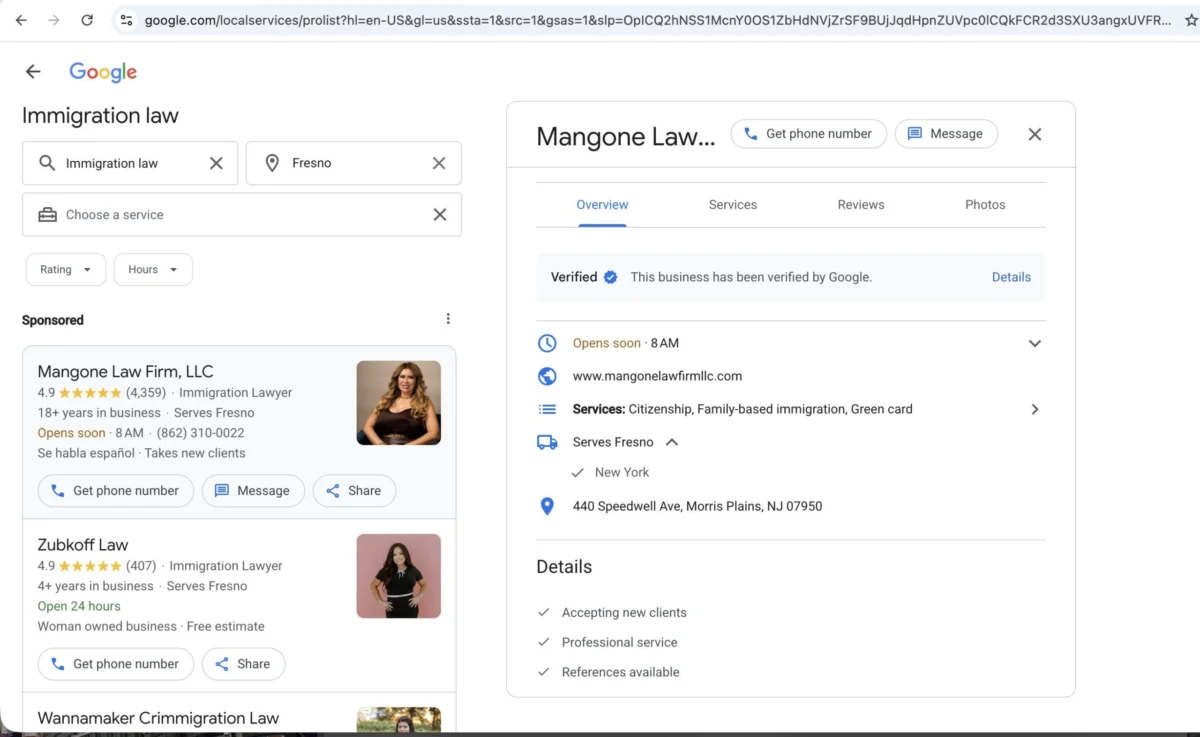
- Local SEO: For businesses with a physical location, optimizing Google Business Profile listings and local citations is crucial for appearing in local search results and map packs.
- Online Reviews: Positive customer reviews on platforms like Google, Yelp, or industry-specific sites enhance reputation and influence local search rankings.
Key Ranking Factors in Today’s Digital Ecosystem
While the exact weighting of search engine ranking factors remains proprietary, extensive research and observation by SEO professionals have identified several critical elements that significantly influence a page’s visibility:
- Content Quality and E-E-A-T: High-quality, original, and comprehensive content that demonstrates Experience, Expertise, Authoritativeness, and Trustworthiness is paramount. Search engines prioritize content that genuinely helps users and provides value.
- User Experience and Engagement: Metrics such as dwell time (how long users stay on a page), bounce rate (percentage of single-page visits), and click-through rate (CTR) signal to search engines how satisfied users are with a page. A positive user experience encourages longer visits and higher engagement.
- Backlinks and Domain Authority: The quantity and quality of backlinks from other authoritative websites remain a powerful signal of credibility. A strong backlink profile indicates that a site is a trusted source of information.
- Mobile-Friendliness and Site Speed: As discussed under Technical SEO, these factors are non-negotiable for modern search performance. Slow, non-responsive sites are penalized.
- Technical SEO Health: The absence of critical technical issues (e.g., crawl errors, broken links, insecure connections) ensures that search engines can efficiently access and understand a site’s content.
- Search Intent Alignment: The ability of a page to directly address and satisfy the underlying intent behind a user’s search query is crucial. This goes beyond mere keyword matching to understanding the user’s needs.
Diverse Applications: Exploring Various Types of SEO
Beyond the foundational pillars, SEO branches into specialized areas tailored to different business models and objectives:
- Local SEO: Essential for businesses serving a specific geographic area, focusing on Google Business Profile optimization, local citations, and customer reviews to appear in "near me" searches.
- E-commerce SEO: Optimizing product pages, categories, and site architecture for online stores to rank for commercial keywords and drive sales.
- International SEO: Tailoring websites for different languages and regions, often involving hreflang tags, country-specific domains, and local content strategies.
- Video SEO: Optimizing video content for platforms like YouTube and for appearance in general search results, focusing on titles, descriptions, tags, and transcripts.
- Voice SEO: Adapting content for voice search queries, which are often longer and more conversational, by targeting natural language phrases and providing direct answers.
- News SEO: Optimizing content for Google News and other news aggregators, focusing on freshness, authoritativeness, and specific technical requirements.
Navigating the Future: SEO in an AI-Driven World
The landscape of SEO continues to evolve at an unprecedented pace, primarily driven by advancements in artificial intelligence. While some new acronyms like GEO (Generative Engine Optimization) have emerged to describe optimizing for AI-generated responses, industry leaders like Yoast emphasize that the core principles of SEO remain constant. "The fundamentals of SEO haven’t changed," states Alex Moss, Principal SEO at Yoast. "The channels are expanding, but the core principles remain the same."
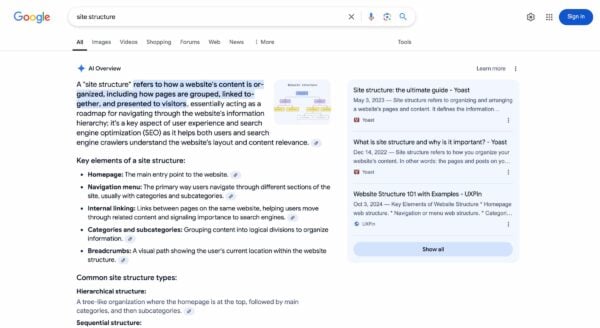
The rise of generative AI tools and search engines’ integration of AI-driven search experiences, such as Google AI Overviews, signifies a shift in how information is consumed. These AI-powered features aim to synthesize information from multiple sources to directly answer user queries on the search results page, potentially leading to "zero-click searches." While this might reduce direct website traffic for some queries, it amplifies the importance of being a recognized and trusted source from which AI draws its information. The focus thus broadens from merely securing a top ranking to ensuring a brand’s presence, citation, and narrative accuracy across all potential discovery platforms. This means a renewed emphasis on building an unimpeachable brand reputation and creating content that AI models deem highly credible and informative.
Adjusting Goals for Broader Influence: In this evolving environment, traditional SEO goals centered solely on keyword rankings and website clicks require recalibration. While these metrics remain relevant, a more holistic approach focuses on engagement, brand awareness, user satisfaction, and how these factors contribute to broader business objectives like sales or lead generation. Measuring success now involves analyzing brand sentiment, mentions across various platforms, and the overall perception of a brand, both by online tools and by the target audience.
Strategic Implementation: Getting Started and Sustaining Efforts
For businesses and individuals looking to harness the power of SEO, a strategic and sustained approach is crucial.

Prioritizing Technical Foundations: The initial step should always be to ensure a robust technical foundation. Addressing issues related to site speed, mobile-friendliness, security (HTTPS), crawlability, and proper site architecture is paramount. Without a technically sound website, even the most compelling content may struggle to rank. For those without technical expertise, collaborating with web developers or leveraging user-friendly plugins like Yoast SEO for WordPress or Shopify can significantly streamline this process.
Content Strategy and Keyword Research: Once the technical groundwork is laid, the focus shifts to content. Comprehensive keyword research is vital to identify what target audiences are searching for. This research informs a content strategy that prioritizes creating original, high-quality content that directly addresses user intent and reflects genuine insights and expertise. In an era increasingly populated by AI-generated content, human-created, authoritative content stands out and builds trust. Regularly updating and expanding content ensures its continued relevance.
Continuous Learning and Tool Utilization: SEO is not a one-time task but an ongoing process. Algorithms change, search behaviors evolve, and competitors innovate. Therefore, continuous learning is essential. Resources like the Yoast SEO Academy, industry blogs, and official search engine guidelines provide invaluable knowledge. Furthermore, leveraging a suite of SEO tools—including Google Analytics, Google Search Console, and third-party platforms like Ahrefs, SEMrush, or Moz—is critical for monitoring performance, identifying opportunities, and diagnosing issues. These tools offer insights into traffic, rankings, backlinks, and technical health, enabling data-driven optimization decisions.
In conclusion, Search Engine Optimization remains an indispensable discipline for anyone seeking to thrive in the digital sphere. From its rudimentary beginnings to its current sophisticated, AI-influenced state, SEO has consistently adapted, always with the core mission of connecting users with the most relevant and valuable information. By understanding its foundational principles, embracing its continuous evolution, and committing to strategic implementation, businesses can secure enhanced visibility, build enduring brand authority, and achieve sustainable growth in an increasingly competitive online world.