Google’s search rankings have experienced significant and widespread volatility this past weekend, centered around July 18th, indicating the potential rollout of yet another unconfirmed algorithm update. This latest period of flux has been prominently registered by numerous third-party Google tracking tools and has ignited a noticeable increase in discussion among the search engine optimization (SEO) community. The observed shifts follow a series of recent changes, both officially confirmed and unconfirmed, marking a dynamic and challenging period for webmasters and digital marketers aiming to maintain or improve their visibility in Google’s search results.

The Enigmatic Nature of Google Algorithm Updates
Google regularly updates its search algorithms to improve the relevance, quality, and overall user experience of its search results. These updates can range from minor, daily adjustments to significant, broad core updates that can profoundly impact website rankings and organic traffic. A key distinction in the SEO world is between "confirmed" and "unconfirmed" updates. Confirmed updates are those officially announced by Google, often with guidance on what factors might be affected. Unconfirmed updates, like the current one, are detected through widespread ranking fluctuations observed by monitoring tools and reported by the SEO community, but Google provides no official acknowledgment or details.
The frequency and scale of these updates underscore Google’s continuous effort to refine its search engine. The goal is to deliver the most authoritative, trustworthy, and user-friendly content, while simultaneously combating spam and low-quality information. For website owners, understanding and adapting to these algorithmic shifts is paramount, as they directly influence a site’s discoverability and, consequently, its ability to reach its target audience. Periods of unconfirmed volatility often leave SEO professionals scrambling to identify potential causes and adjust their strategies, relying heavily on community insights and the data from tracking tools.
A Recent History of Algorithmic Shifts: A Chronology of Volatility
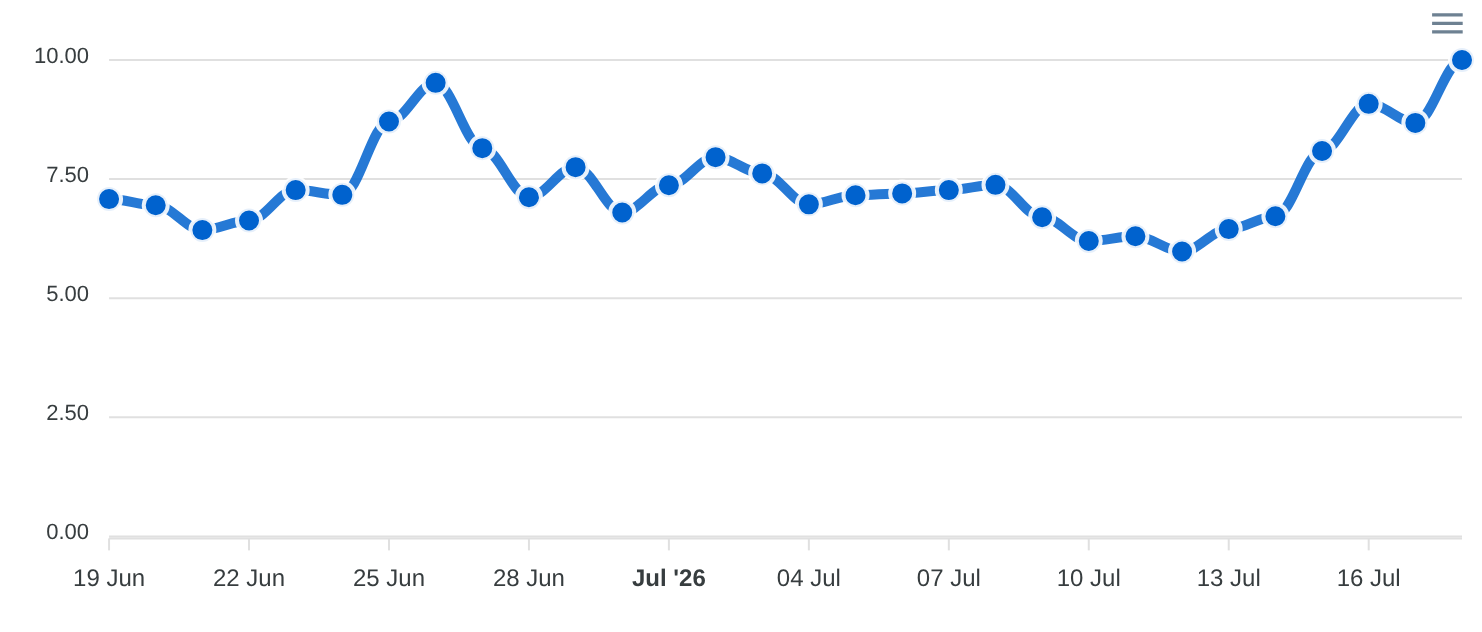
The current unconfirmed volatility around July 18th does not occur in isolation but is part of a broader pattern of frequent Google algorithm adjustments throughout 2026. This recent history provides essential context for understanding the potential implications of the latest movements.
Earlier in July, around the 11th, the SEO community observed what was dubbed the "7-Eleven Google update." This was another unconfirmed event, characterized by noticeable ranking movements. Interestingly, some analysts suggested that this July 11th update appeared to reverse certain changes introduced by earlier unconfirmed updates tracked in January 2026. This phenomenon of reversals or corrections is not uncommon, as Google’s algorithms continuously learn and adapt, sometimes leading to temporary overcorrections that are later refined.
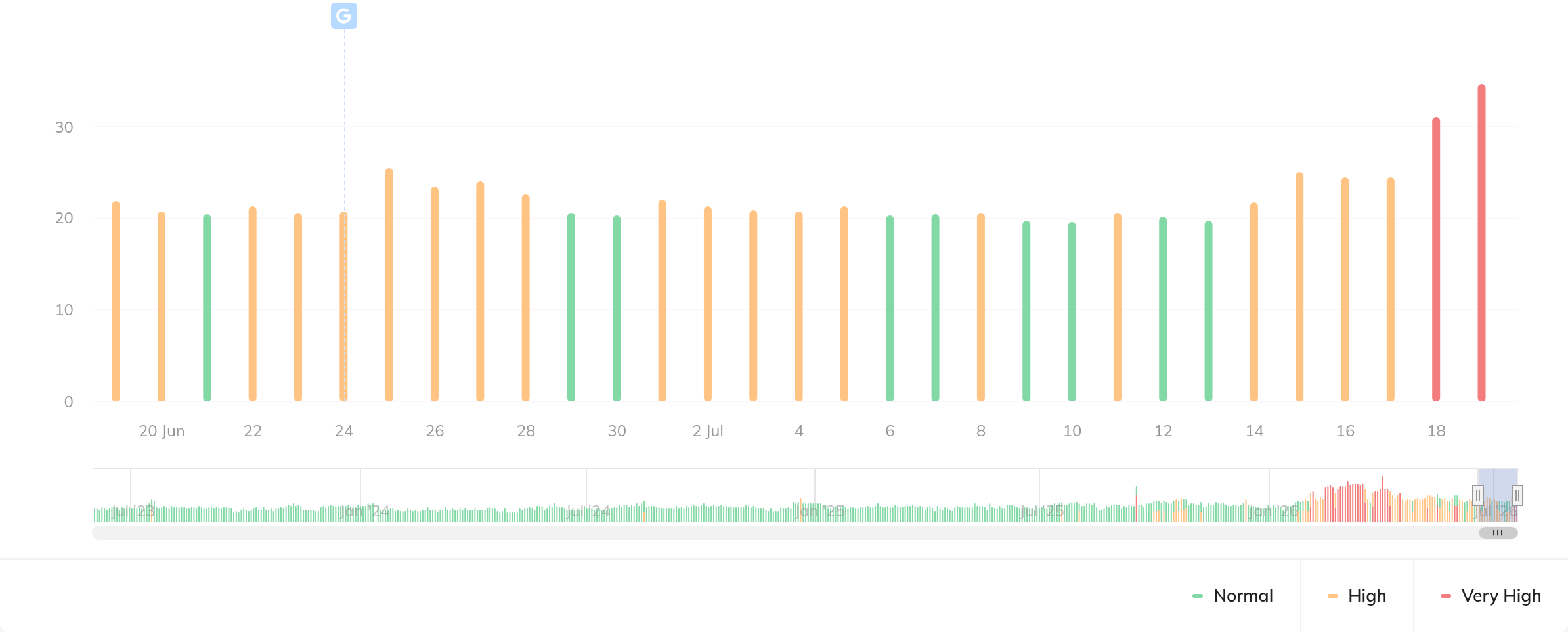
Prior to these unconfirmed shifts, Google rolled out two significant, confirmed updates:
- The June 2026 Spam Update: This update commenced on June 14th and concluded on June 26th. As its name suggests, this update was specifically designed to target and neutralize various forms of spam in search results, aiming to improve the quality and integrity of the SERPs. Websites engaging in manipulative tactics or hosting spammy content were likely to see significant negative impacts.
- The May 2026 Core Update: This broader core algorithm update began on May 21st and completed its rollout on June 2nd. Core updates typically involve widespread changes to Google’s core ranking systems and are not targeted at specific issues but rather aim to improve how Google assesses overall content quality and relevance across the web. These updates can lead to significant, long-term shifts in rankings for a wide array of websites, often prompting extensive analysis and adjustments from SEOs.
The succession of these updates – a core update, followed by a spam update, then two distinct periods of unconfirmed volatility – paints a picture of a search landscape in constant motion. The current July 18th volatility appears to be either a further refinement, a reversal of the 7-Eleven update, or an entirely new, albeit minor, adjustment within this ongoing series of algorithmic developments.
Quantitative Evidence: What the Tracking Tools Reveal
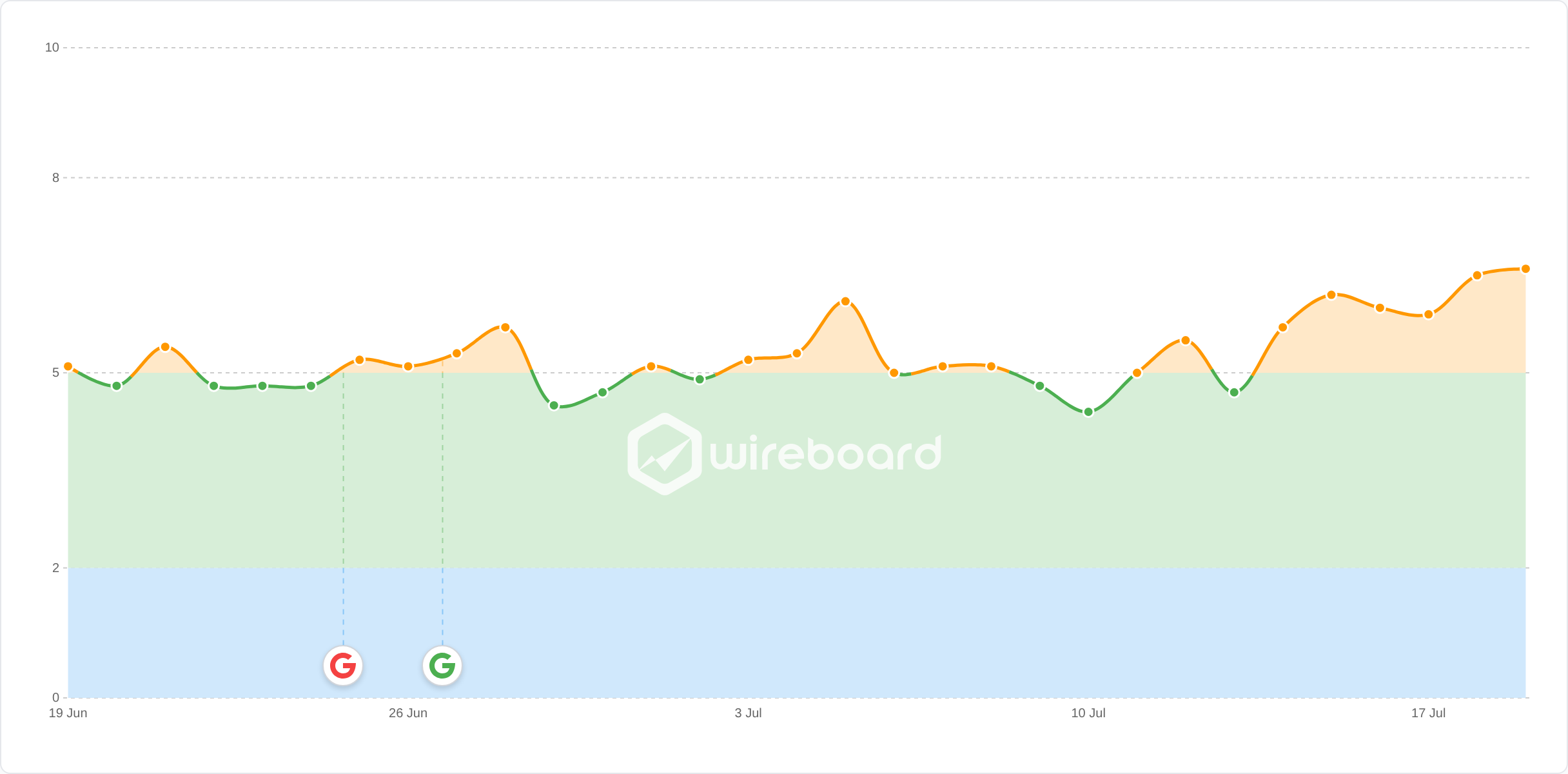
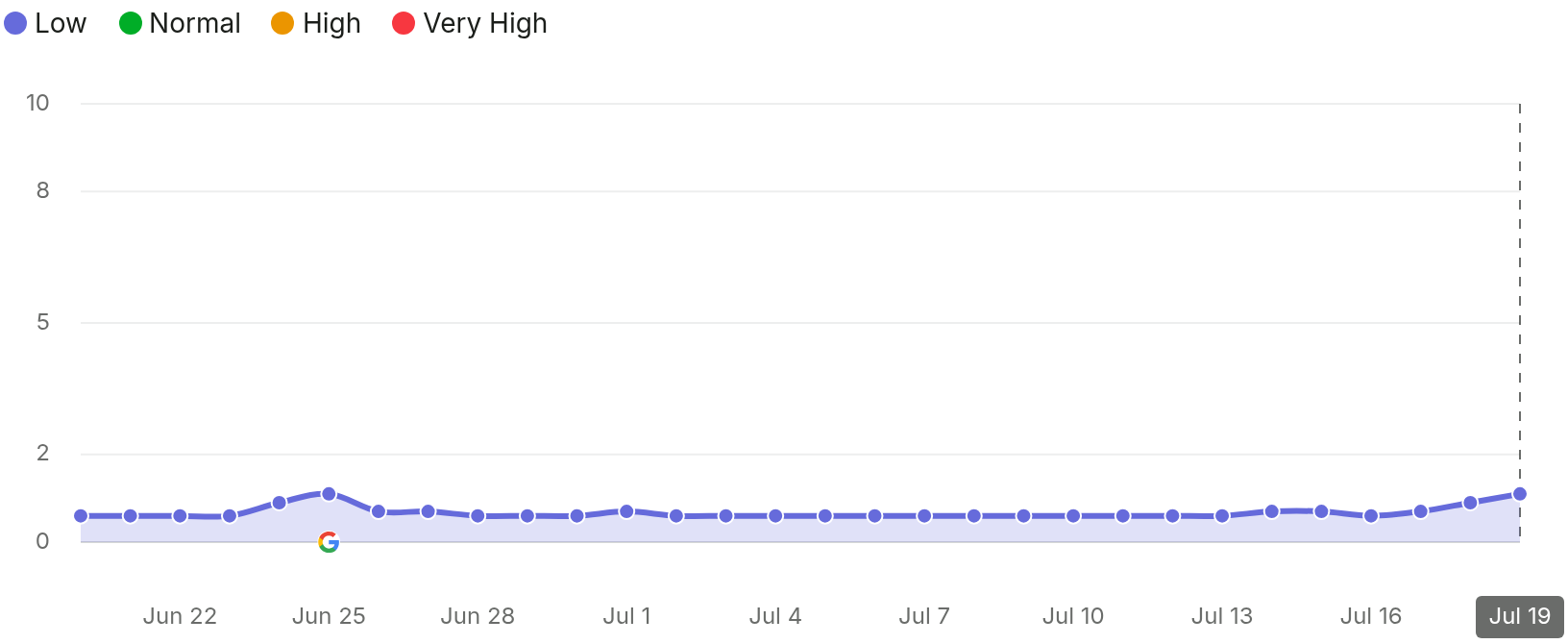
The most compelling evidence for the July 18th ranking volatility comes from the aggregate and individual readings of various third-party Google tracking tools. These tools continuously monitor millions of keywords across different geographical regions and industries, reporting on the degree of fluctuation in search engine results pages (SERPs). A higher "volatility" score indicates more significant changes in rankings.
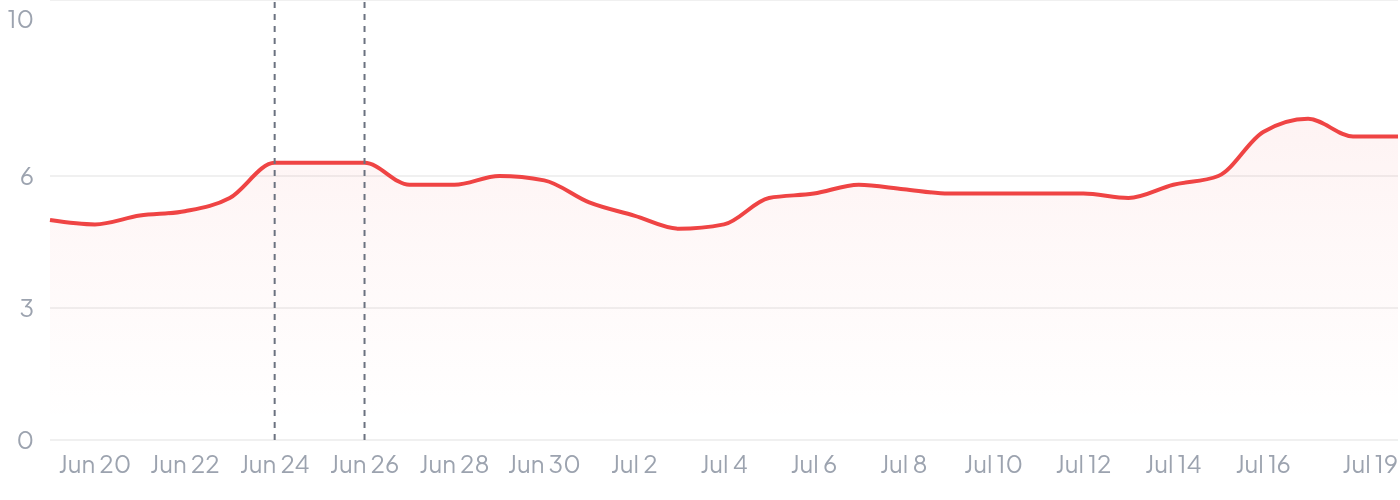
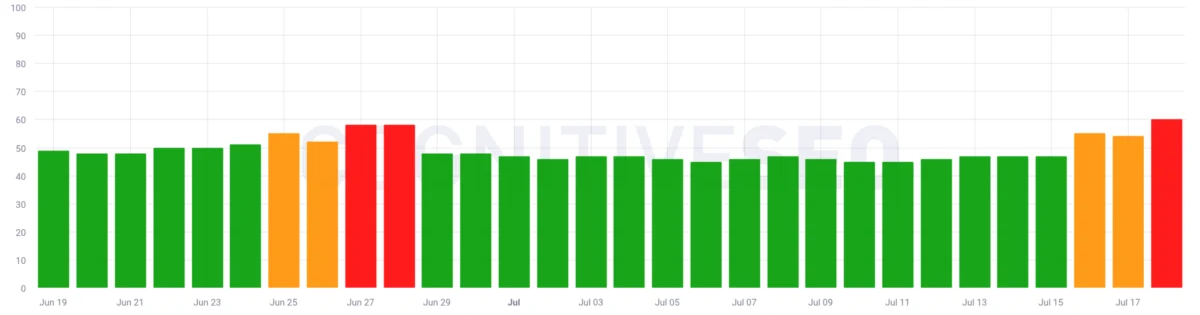
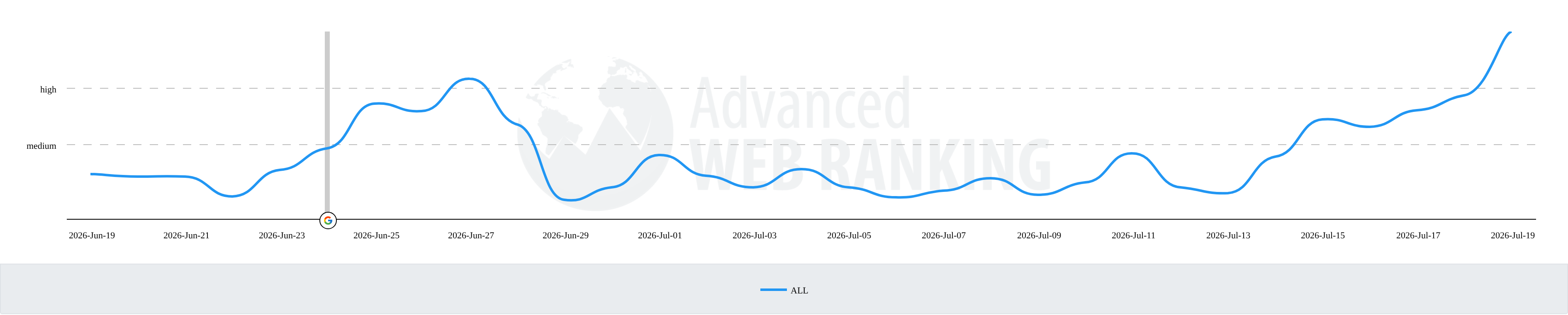
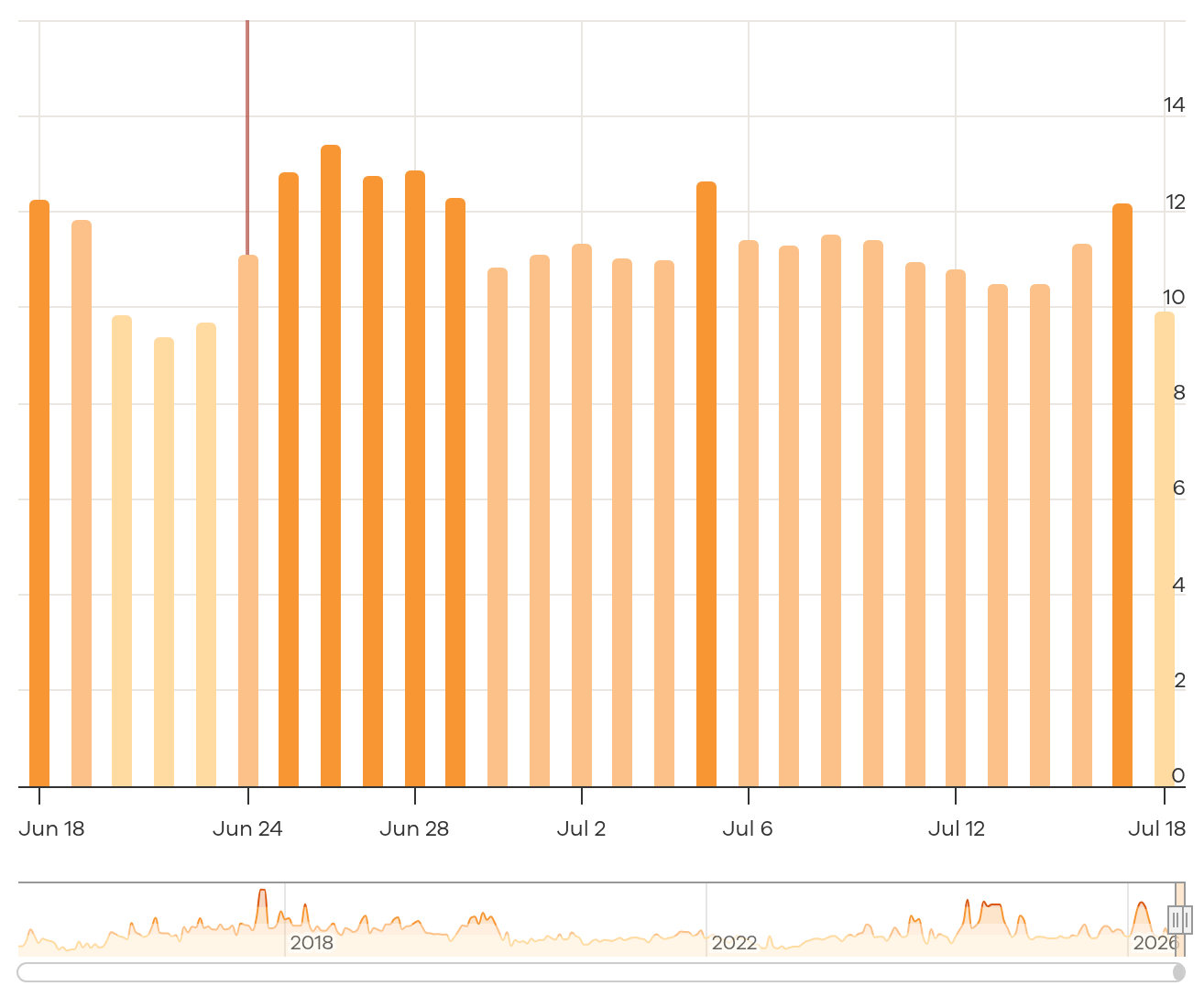
An analysis of the collective data from these tools clearly shows a distinct "blip" or spike in volatility around Saturday, July 18th, extending into Sunday, July 19th. What’s particularly noteworthy is that the overall level of observed volatility throughout the entire week leading up to and including July 18th has been significantly more pronounced than the activity witnessed during the earlier July 11th unconfirmed update. This suggests a more sustained and impactful period of algorithmic adjustment.
Let’s delve into the specific readings from some of the prominent tools:
- Aggregate Index: The compiled aggregate index, which normalizes data from various tools on a 0-100 scale, showed a noticeable increase. From approximately 44.14 on July 17th, it climbed to 46.18 on July 18th, and then settled slightly to 44.00 on July 19th, indicating a clear, albeit short-lived, peak.
- DataForSEO SERP Volatility: This tool recorded an exceptionally high spike, reaching a maximum volatility score of 100 on July 18th. This indicates an extreme level of change across the keywords it monitors, making it one of the strongest indicators of the current activity.
- AWR (Advanced Web Ranking): AWR also reported a substantial surge in volatility, peaking at 100 on July 19th, following a reading of 65.99 on July 18th. This reinforces the notion of significant, widespread shifts in rankings.
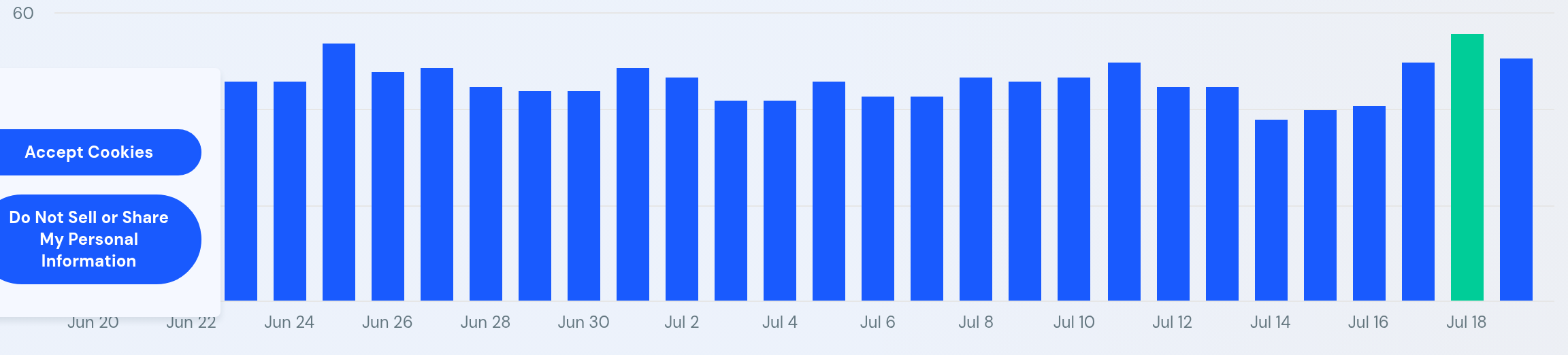
- Wincher: Wincher’s data showed a sharp increase, jumping from 48.24 on July 17th to 61.13 on July 18th, and further to 68.21 on July 19th, signaling a sustained period of high turbulence.
- Zutrix Tension: This tool indicated heightened activity, rising from 70 on July 17th to 65.55 on July 18th and maintaining that level on July 19th. While not as high as DataForSEO or AWR, it still reflects considerable movement.
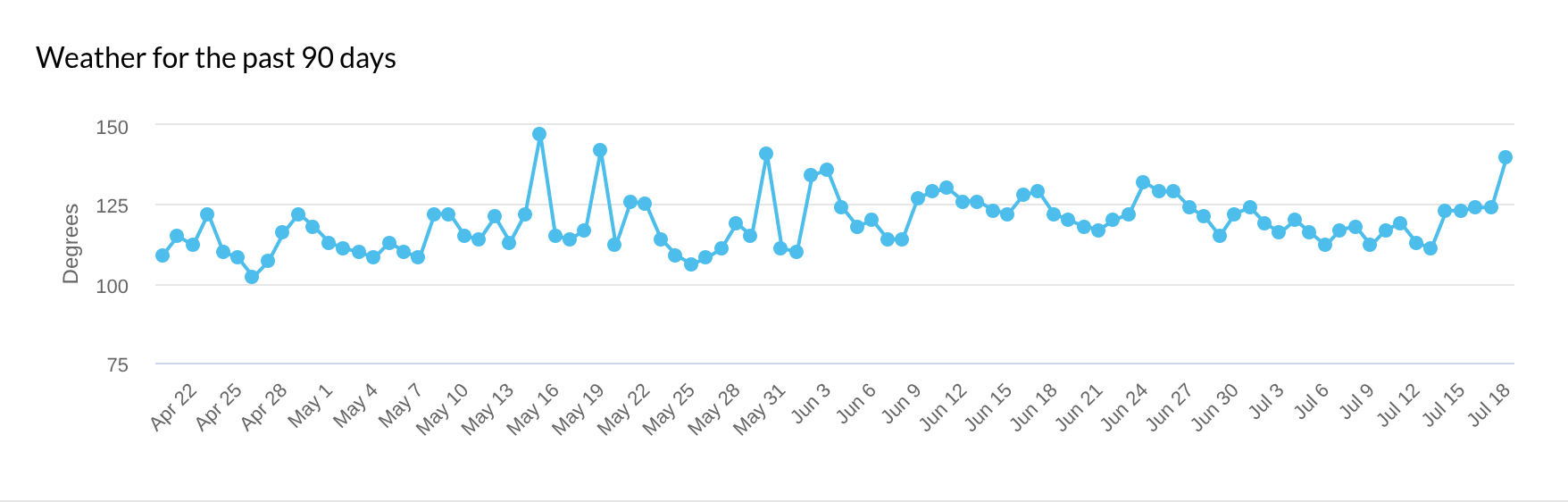
- Mozcast: Mozcast, often depicted as a "weather report" for Google’s algorithm, registered a notable increase from 32 on July 17th to 53.33 on July 18th, suggesting a "stormier" period for search rankings.
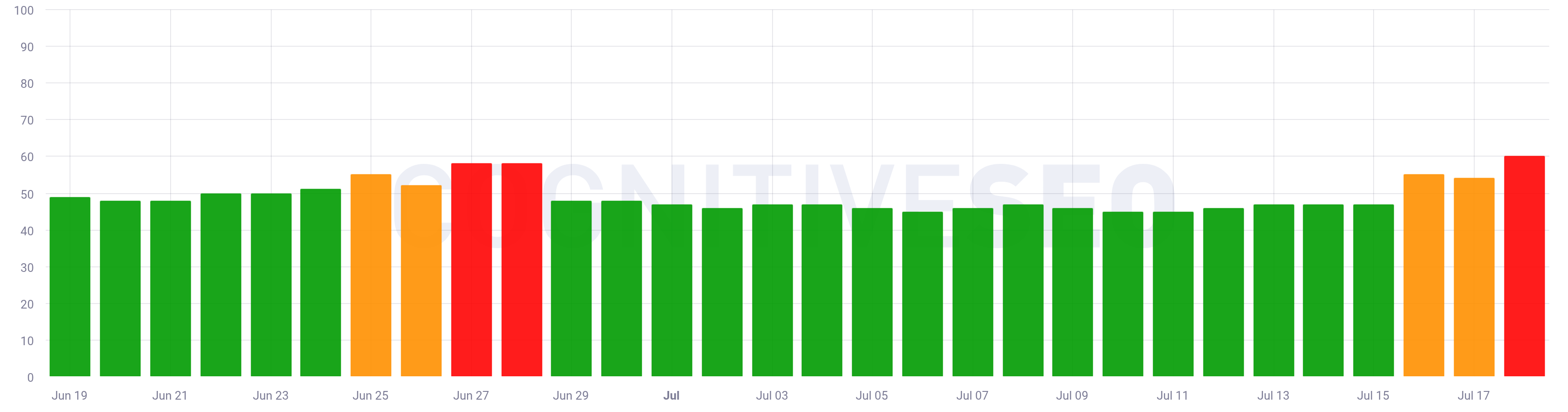
- CognitiveSEO: This tool showed an upward trend, rising from 53.53 on July 17th to 59.59 on July 18th, indicating above-average volatility.
- Wireboard: Wireboard, which aggregates several tools, showed a rise from 59 on July 17th to 65 on July 18th, peaking at 65.99 on July 19th, confirming the collective upward trend in volatility.
- AccuRanker Grump, Algoroo, Mangools SERPWatcher, SEMRush Sensor, Serpstat, and SimilarWeb, Sistrix also displayed varying degrees of increased volatility during this period, with most showing a distinct upward trend or sustained high levels around July 18th and 19th compared to previous days.
The consensus among these diverse tracking tools strongly suggests that Google made meaningful algorithmic adjustments over the weekend, causing substantial ripples across the search results.
Community Reactions and Anecdotal Evidence: The SEO Chatter
Complementing the quantitative data from tracking tools, the anecdotal evidence and discussions within the SEO community provide valuable qualitative insights into the impact of this unconfirmed update. While formal analysis often takes a few days, early weekend chatter on platforms like WebmasterWorld and comment sections of prominent SEO news sites already reflects a palpable sense of movement and uncertainty.
Several webmasters and SEO professionals have reported significant shifts:
- One community member noted, "I am not sure yet, but I think yesterday something has shifted." This early observation aligns with the tracking tool data pointing to July 18th.
- Another shared a positive, albeit cautious, experience: "For the last 5 days, plus so far today, traffic has increased so that I’m ‘only’ -33%. Traditionally, this weekend is the first of the getaways for several European countries for those who can afford to." While referencing external factors, the underlying sentiment is a noticeable change in traffic patterns.
- A more dramatic shift was reported by another professional: "Yep, something is definitely going on in the last 24-ish hours. My Google traffic is up 400%. Haven’t published anything new nor touched the site." This significant gain, however, was accompanied by a prudent understanding of the transient nature of unconfirmed update effects: "But when everyone else is saying they’re down, probably means that my ‘up’ will be even more transient than normal and I’ll be down the same or more when the dust settles – or even before that." This highlights the often-temporary nature of ranking changes during unconfirmed rollouts.
- Conversely, some observed mixed signals: "Yes, something is going on. Ranking and CTR dropped the last week, came back to where it was now. But impressions going down." This suggests a complex interplay of factors, where ranking recovery might not always translate to improved visibility or user engagement.
- Another positive report indicated a reversal of previous losses: "Same here, I am finding the very good sales levels from before July 11 again (which was a record July compared to previous years, which bodes well for a record high season)." This reinforces the idea that the July 18th volatility might be correcting or reversing aspects of the earlier July 11th update.
The collective sentiment indicates a widespread awareness of changes, ranging from dramatic gains and losses to subtle shifts in impressions and click-through rates. The SEO community anticipates that these discussions will intensify as more webmasters analyze their analytics data on Monday, July 20th, providing a clearer picture of the update’s scope and impact.
Implications for Search Engine Optimization and Digital Strategy

The continuous stream of Google updates, particularly these frequent unconfirmed movements, carries significant implications for SEO professionals and businesses reliant on organic search.
Firstly, it underscores the critical need for constant vigilance and agility. SEO is no longer a set-it-and-forget-it endeavor. Teams must continuously monitor their keyword rankings, organic traffic, and SERP features to detect changes quickly. Rapid identification of fluctuations allows for prompt investigation and strategic adjustments.

Secondly, the prevalence of unconfirmed updates highlights the challenge of diagnosing impact without official guidance. In the absence of specific details from Google, SEOs must rely on reverse engineering, correlating ranking changes with known best practices, and observing patterns across a wide range of sites. This often leads to a heightened focus on fundamental SEO principles, as they are less susceptible to short-term algorithmic whims.
Thirdly, this period of volatility reinforces the importance of holistic and user-centric SEO strategies. Instead of chasing specific algorithmic signals, websites that consistently produce high-quality, relevant, and authoritative content, offer an excellent user experience, and maintain robust technical foundations tend to be more resilient to updates. Google’s overarching goal remains to serve the best possible results to its users, meaning sites that genuinely fulfill user intent and adhere to principles of Experience, Expertise, Authoritativeness, and Trustworthiness (E-E-A-T) are more likely to thrive long-term.
Finally, businesses must adopt a mindset of continuous adaptation. Knee-jerk reactions to every fluctuation can be detrimental. Instead, a measured approach involving data analysis, strategic planning, and a commitment to long-term quality is essential. This includes diversifying traffic sources, rather than relying solely on Google organic search, to mitigate risks associated with algorithmic changes.
Google’s Stance and Broader Industry Impact

Google typically maintains silence on unconfirmed updates, as many of these are minor, localized tweaks or ongoing refinements to its vast and complex algorithms. It’s not uncommon for Google to make hundreds, if not thousands, of small adjustments each year, many of which are never officially announced. Only significant, broad-reaching changes are typically communicated. This silence, while frustrating for SEOs seeking clarity, is consistent with Google’s operational model of continuous improvement without publicizing every minor alteration.
The broader impact of such volatility extends beyond the SEO community. Businesses, particularly small and medium-sized enterprises (SMEs) that depend heavily on organic search traffic for leads and sales, can experience significant revenue fluctuations during these periods. A sudden drop in rankings can lead to decreased visibility, reduced website traffic, and a direct hit to their bottom line. Conversely, those who see gains may experience a temporary boon. This dynamic environment underscores the critical need for robust digital marketing strategies that are resilient and adaptable.
Conclusion
The unconfirmed Google search ranking volatility observed this weekend around July 18th serves as another powerful reminder of the ever-evolving nature of search engine algorithms. While Google has not officially commented on these movements, the widespread reports from tracking tools and the SEO community indicate a period of significant change. For webmasters and digital marketers, the immediate task involves meticulous monitoring of their sites’ performance, careful analysis of traffic and ranking data, and a renewed commitment to core SEO principles focused on delivering exceptional value to users. As the dust settles and more data emerges, the full scope and nature of this latest algorithmic activity will become clearer, but one thing remains certain: adaptability and a focus on quality will continue to be the cornerstones of successful SEO strategies in 2026 and beyond.