
The landscape of business-to-business (B2B) marketing is in constant flux, with brands relentlessly seeking innovative channels to connect with their target audiences. While traditional content formats like blogs have long been a cornerstone for SEO, lead generation, and content feeding for artificial intelligence models, a compelling new medium is rapidly asserting its dominance: podcasts. This evolution is not about replacing existing strategies but about augmenting them to capture audiences during moments when screen-based consumption is impractical. The most forward-thinking B2B brands are recognizing this paradigm shift and are strategically integrating podcasts into their content arsenals. The burgeoning data surrounding B2B podcast listenership and engagement offers a clear picture of an untapped market poised for significant growth.
The persistent utility of blogs in B2B marketing is undeniable. They remain critical for search engine optimization, providing a steady stream of keyword-rich content that fuels both organic search visibility and the training data for increasingly sophisticated large language models. Furthermore, blogs serve as potent traffic drivers and essential tools for lead generation, nurturing potential clients through informative articles and resources. Their enduring relevance ensures they will continue to be a foundational element of digital marketing strategies. However, the inherent limitation of blogs lies in their demand for visual attention. Activities such as commuting, exercising, or performing household chores often preclude the ability to engage with written content. It is precisely in these "screen-free" moments that podcasts offer a unique and powerful advantage for B2B brands.
Podcasts provide an immersive audio experience that can seamlessly integrate into the daily routines of busy professionals. This ability to reach an audience during moments of passive consumption, when they might otherwise be disengaged from marketing messages, is a key differentiator. The smartest B2B organizations are not adopting an either/or approach but are embracing a dual strategy, leveraging the strengths of both blogs and podcasts to create a comprehensive and robust content ecosystem. This integrated approach maximizes reach and engagement across diverse audience behaviors and preferences.
The compelling case for B2B podcasting is not merely anecdotal; it is substantiated by a growing body of data from recent market research. Analysis of multiple reports released within the past year paints a clear and consistent picture: the B2B podcasting sector is experiencing explosive growth and is on the cusp of reaching its full potential, establishing itself as the next significant frontier in B2B content marketing.
B2B Podcasting: Unpacking the Data Behind the Growth
The assertion that podcasting is a powerful B2B marketing tool is strongly supported by recent industry statistics. These figures, drawn from comprehensive research conducted over the last year, highlight key trends that underscore the medium’s increasing importance and its future trajectory.
Podcast Listenership Continues Its Upward Trajectory

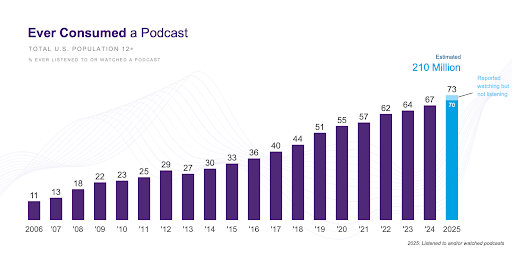
The podcasting industry has been characterized by consistent and robust growth for years. However, the most striking aspect of this expansion is the significant influx of new listeners. Despite podcasts existing in various forms since the early 2000s, they have only recently achieved widespread mainstream adoption. This sustained growth indicates a fundamental shift in media consumption habits, with an increasing number of individuals incorporating podcasts into their daily lives.
Data from Edison Research’s "Infinite Dial" series, a leading source for media consumption trends, consistently shows an upward trend in podcast listenership. For instance, reports from recent years have indicated that over half of the U.S. population has listened to a podcast, with a significant percentage doing so on a monthly basis. This growing audience base provides a substantial platform for B2B marketers to reach their target demographics. The accessibility of podcast platforms and the diverse range of available content have contributed to this mass-market appeal, transforming podcasting from a niche interest into a dominant form of audio entertainment and information.
The Demographically Valuable Profile of Podcast Listeners
While the sheer number of podcast listeners is impressive, the critical question for B2B marketers is whether this audience aligns with their target demographic. A large audience is only valuable if it comprises the right people. Historically, some digital platforms have boasted massive user numbers but delivered suboptimal results for B2B advertisers. Therefore, a closer examination of the podcast listener demographic is essential.
Recent studies reveal that podcast listeners are often highly educated, employed professionals with significant disposable income. This demographic profile is precisely what many B2B companies seek. These individuals are decision-makers, influencers, and consumers of complex business solutions. They are actively seeking information and insights relevant to their professional lives, making them receptive to targeted B2B content delivered through the podcast medium. For example, research has often highlighted that podcast listeners tend to be younger, more affluent, and more engaged consumers than the general population, characteristics that translate directly to a valuable B2B audience.
Podcasts Emerge as a Trusted Information Channel
In an era marked by widespread skepticism and information overload, B2B buyers are increasingly discerning. They are adept at filtering out generic advertisements and are tuning out brands that engage in one-way communication. The brands that successfully cut through the noise in the contemporary market are those that have cultivated credibility and trust. Podcasts represent one of the most direct and effective pathways for B2B brands to establish themselves as trusted, go-to resources.
The intimate nature of the podcast format fosters a unique connection between host and listener, building familiarity and authority. This is particularly crucial in B2B markets where purchasing decisions often involve complex products or services that require a deep understanding and a high degree of trust. By providing valuable insights, expert opinions, and engaging discussions, B2B podcasts can move beyond simply reaching potential buyers; they can actively influence decisions by building the rapport and confidence necessary for conversion. The perceived authenticity and personal connection fostered through audio content are powerful drivers of credibility in a saturated digital landscape.
The Devotion of Podcast Fans: Engaged and Attentive Audiences
In the fast-paced digital world, where attention spans are often measured in seconds, podcasts stand out for their ability to command sustained listener engagement. While much of the internet competes for fleeting moments of attention, podcast listeners are actively choosing to dedicate significant blocks of time to their chosen shows.
The average listening session for a podcast is considerably longer than the average engagement time on many other digital platforms. This deep engagement translates into a more receptive audience for B2B messages. When listeners dedicate time to a podcast, they are more likely to absorb the content, internalize the brand’s message, and recall information presented. This sustained attention is a significant advantage for B2B marketers seeking to convey complex value propositions or build brand loyalty. Data consistently shows that a substantial percentage of podcast listeners tune in for extended periods, indicating a level of commitment that is rare in the digital content space.
Video’s Expanding Role in Podcasting
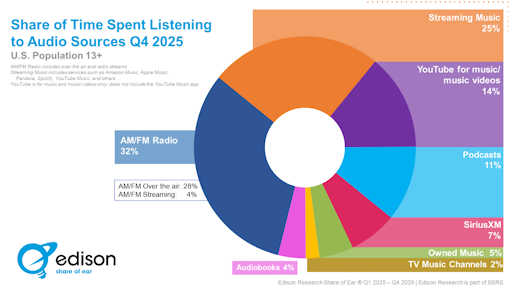
The evolution of podcasting has seen a notable integration of video elements, transforming many audio shows into hybrid audio-visual experiences. While the debate continues about whether these video-forward formats still qualify as traditional "radio," the impact on listenership and viewership is undeniable. This expansion offers tangible benefits for B2B brands.
The inclusion of video allows for a greater level of intimacy and connection, as viewers can observe host and guest reactions, body language, and visual cues that audio alone cannot convey. This humanizes the content and strengthens the listener’s connection to the hosts and the brand. Furthermore, video provides additional real estate for brand visibility and more strategic advertising placements. For B2B brands marketing complex or intangible products, video can be instrumental in humanizing abstract concepts and transforming faceless services into tangible partnerships. The visual element can aid in explaining intricate processes, showcasing product features, or building rapport through on-screen presence. Platforms like YouTube have seen a significant surge in podcast content, with dedicated categories and an increasing number of creators offering both audio and video feeds, demonstrating the growing demand for this integrated format.
The Business Case for Podcast Advertising
While the primary focus for B2B brands is often on organic content creation, the advertising opportunities within the podcasting space are also becoming increasingly compelling. Many podcasts are supported by advertising, and the good news for marketers is that listeners generally accept this model, especially when the content itself is free. This acceptance is crucial, as it translates into greater receptiveness to advertising messages.
A growing number of podcast listeners report making purchasing decisions based on advertisements they hear on their favorite shows. This indicates that podcast advertising is not only reaching an engaged audience but is also influencing consumer behavior. In the B2B context, this means that strategically placed podcast ads can effectively drive leads and influence purchasing decisions for professional services, software, or other business-oriented products. Meeting your audience where they are is a fundamental marketing principle, and the data suggests that an increasing number of B2B professionals are listening to podcasts. The question for brands is not whether podcasting should be part of their marketing mix, but rather whether they can afford to overlook this significant touchpoint.
Don’t Be (Pod) Cast Aside: Embracing the Future of B2B Engagement
Podcasting has transitioned from a "nice-to-have" marketing tactic to an essential component of a comprehensive B2B strategy. The audience is already there, actively engaging with audio content during their daily routines. For B2B brands looking to establish thought leadership, build brand authority, and connect with potential clients on a deeper level, podcasts offer an unparalleled opportunity.
Navigating the world of podcast marketing, from securing sponsorships and identifying guests to managing production and promotion, can seem daunting. However, with the right strategic partners, the process can be streamlined and highly effective. Investing in podcasting is an investment in reaching and engaging a valuable, attentive audience that is actively seeking information and solutions.
For those interested in exploring the cutting edge of B2B marketing, including discussions on AI disruption, brand transformation, creativity, and storytelling, queuing up the "Beyond B2B Marketing Podcast" is highly recommended. Hosted by industry experts, this podcast delves into critical topics shaping the future of B2B engagement.
Brands seeking to build a successful podcast that positions them as a definitive resource within their industry can find valuable support. Engaging with experienced podcast agencies can provide the expertise needed to navigate the complexities of content creation, audience building, and monetization, ensuring a successful and impactful podcasting venture. The strategic integration of podcasts into the B2B marketing mix is no longer a speculative endeavor but a data-backed imperative for brands aiming to thrive in the evolving digital landscape.