
 rifanmuazin
The digital marketplace has reached a level of saturation where simply driving traffic to a website is no longer a guarantee of commercial success. As customer acquisition costs (CAC) continue to rise across platforms like Meta and Google, industry experts are signaling a shift in focus toward Conversion Rate Optimization (CRO). Central to this strategy is the CRO audit, a systematic evaluation of a website’s performance that functions much like a medical health check-up. While a common misconception suggests that audits are only necessary when a site is underperforming, veteran digital strategists argue that regular audits are essential for uncovering hidden revenue opportunities, refining the user experience (UX), and maintaining a competitive edge in an evolving technological landscape.
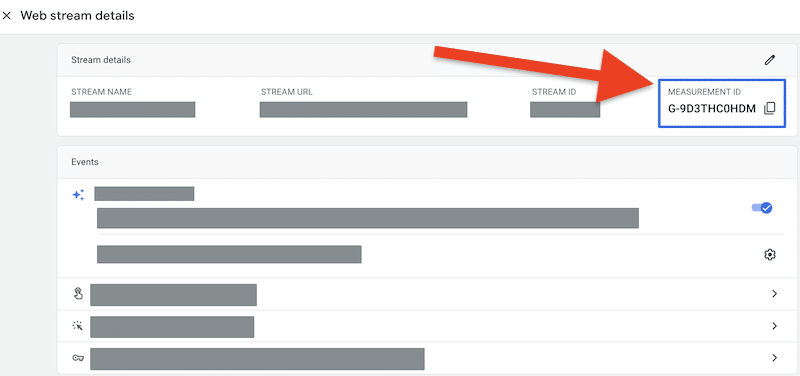
A Conversion Rate Optimization audit is defined as a comprehensive examination of the various elements within an online storefront that influence visitor behavior. This process involves scrutinizing product pages, checkout flows, site navigation, page load speeds, and the underlying analytics infrastructure. By identifying friction points—areas where users encounter obstacles or confusion—businesses can transform passive browsers into active buyers. Failure to conduct these audits regularly often results in “leaving money on the table,” as even minor technical glitches or suboptimal design choices can lead to significant cart abandonment.
The Quantitative Foundation: Measuring User Behavior
The first phase of a professional CRO audit is rooted in quantitative data. Before any design changes are implemented, analysts must establish a baseline using hard numbers to identify exactly where and how much revenue is being lost. The “what” of user behavior is primarily captured through advanced analytics tools, most notably Google Analytics 4 (GA4).
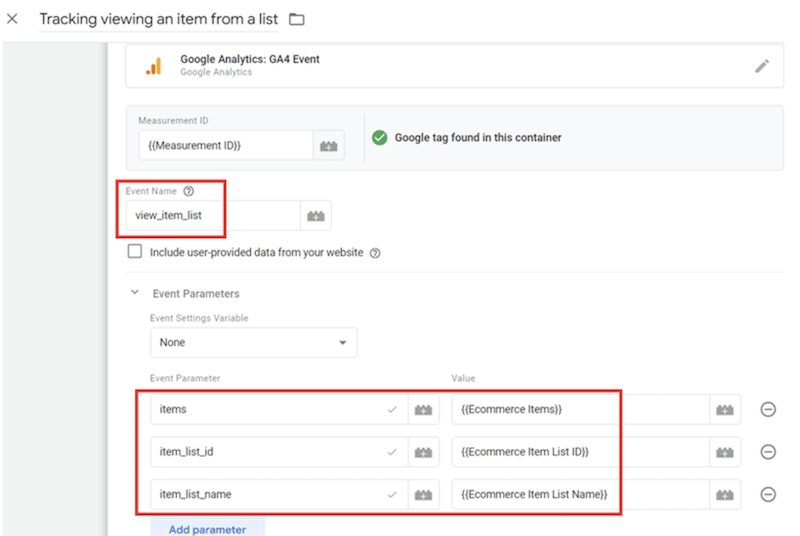
Modern e-commerce tracking requires more than just monitoring page views. To gain actionable insights, businesses must configure specific “events” that track the customer journey with precision. Standard protocols involve monitoring four critical actions: ‘view_item’, ‘add_to_cart’, ‘begin_checkout’, and ‘purchase’. By analyzing the drop-off rates between these stages, a business can pinpoint structural weaknesses. For instance, if 10,000 users view a product but only 600 complete a purchase, a detailed funnel analysis might reveal that the most significant abandonment occurs at the ‘begin_checkout’ phase, suggesting a technical or psychological barrier in the transition from the cart to the payment gateway.
Implementing these tracking mechanisms varies by platform. While integrated solutions like Shopify and WooCommerce offer native GA4 support, more complex or custom-built sites often utilize Google Tag Manager (GTM). GTM acts as a middleman, allowing marketers to track “micro-conversions”—such as clicks on size guides, coupon code interactions, or video engagement—without requiring constant back-end code adjustments.
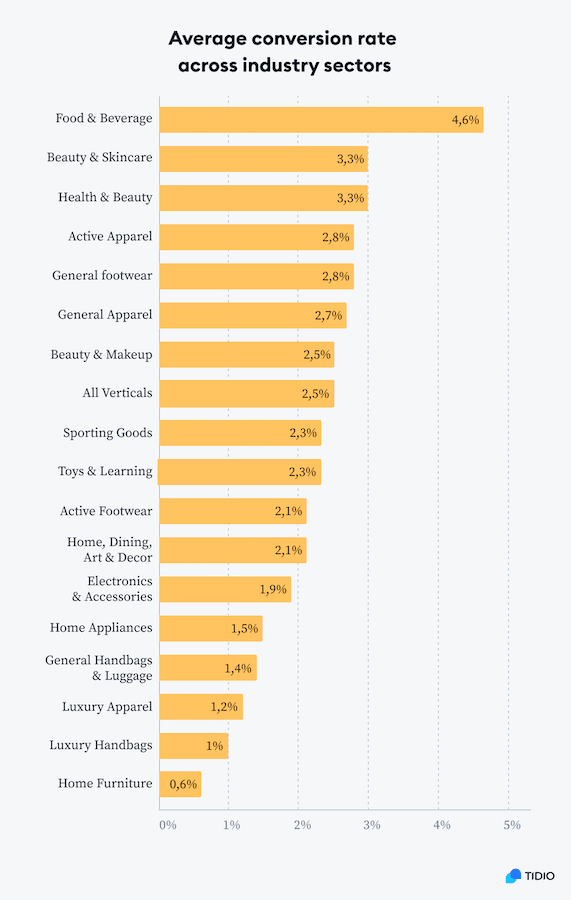
Supporting this quantitative analysis is the use of benchmarks. Conversion rates are not universal; they vary significantly by industry sector. Data indicates that while the food and beverage industry may enjoy conversion rates as high as 4.6%, the home furniture sector often sees rates as low as 0.6%. Understanding these industry standards, alongside a company’s historical performance, allows auditors to set realistic goals for improvement.
Technical Performance and Core Web Vitals
A critical but often overlooked component of the quantitative audit is technical site performance. Google’s introduction of Core Web Vitals has turned page speed and stability into both an SEO ranking factor and a direct driver of conversions. Auditors focus on three primary metrics:
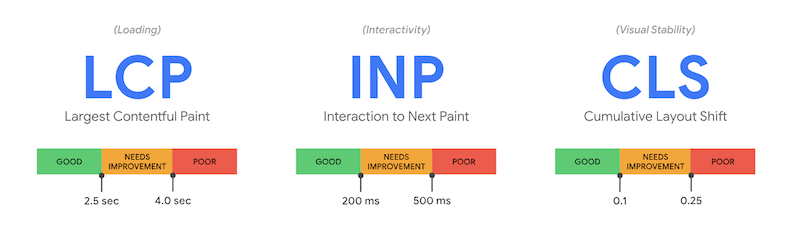
- Largest Contentful Paint (LCP): This measures loading performance. To provide a good user experience, LCP should occur within 2.5 seconds of when the page first starts loading.
- Interaction to Next Paint (INP): This assesses responsiveness, measuring the time it takes for a page to respond to user input like clicks or key presses.
- Cumulative Layout Shift (CLS): This measures visual stability, ensuring that elements on a page do not move unexpectedly while a user is trying to interact with them.
Data from industry leaders like Akamai and Google suggests that a one-second delay in mobile load times can impact conversion rates by up to 20%. Consequently, tools such as PageSpeed Insights and Search Console are utilized to identify heavy scripts or unoptimized images that may be sabotaging the sales funnel.
The Qualitative Layer: Understanding the “Why” Behind the Clicks
While quantitative data identifies the location of the problem, qualitative insights explain the human motivation behind the data. This phase of the audit utilizes tools that visualize the user experience, including heatmaps, session replays, and scroll tracking.
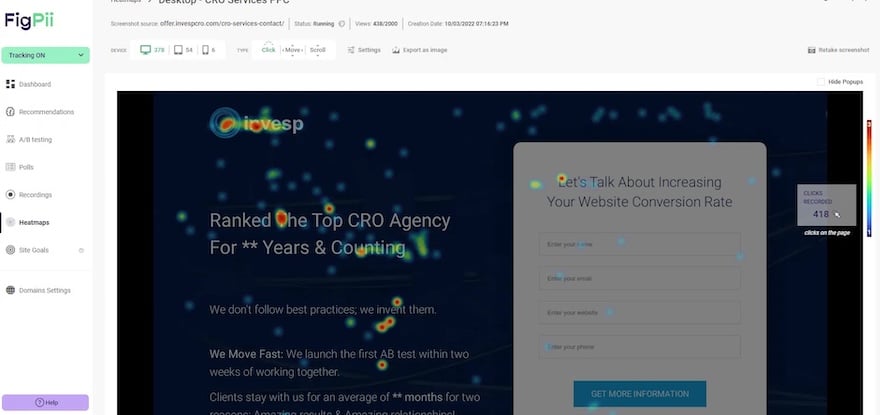
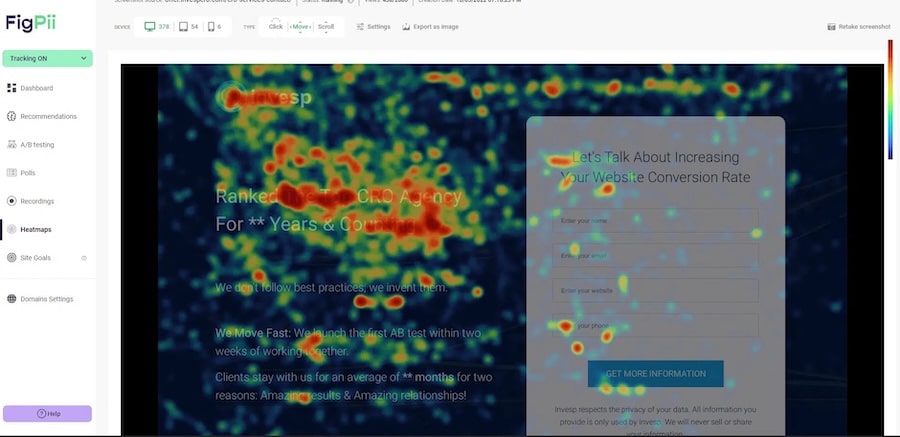
Heatmaps provide a color-coded representation of user interaction. “Hot” areas (red) indicate high engagement, while “cold” areas (blue) show ignored elements. Click maps can reveal if users are attempting to click on non-linked text, while scroll maps show whether critical information—such as social proof or return policies—is buried too deep on a page for the average visitor to see. Session replays take this a step further by allowing auditors to watch recordings of real visitor journeys. This can uncover “rage-clicking” (when a user clicks a button repeatedly out of frustration) or navigation loops that indicate a confusing site structure.
To complement these visual tools, direct customer feedback is gathered through surveys and exit-polls. Short, targeted questions such as “What stopped you from checking out today?” or “Was there anything missing from this page?” provide context that numbers cannot. In a notable case study by Invesp, qualitative research through user interviews revealed that customers required more reassurance during the checkout process. By adding urgency cues—such as “only 3 items left”—and highlighting free shipping, the company saw a 17% increase in conversions.

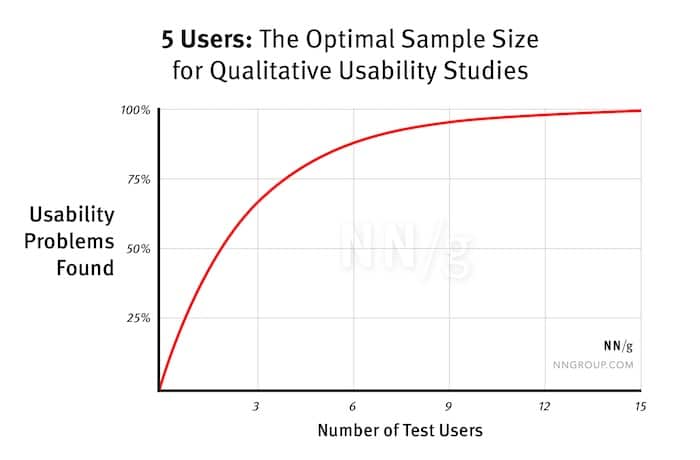
Furthermore, user testing with a small group of participants remains one of the most cost-effective audit methods. Research by the Nielsen Norman Group suggests that testing with just five users can uncover approximately 85% of usability issues. This hands-on approach allows companies to observe real-time struggles and hesitations that might not be captured by automated tools.
Strategic Prioritization and Page-Specific Audits
The final stage of a CRO audit is the prioritization of high-impact pages. Resources are typically concentrated on product pages and cart pages, as these are the final hurdles in the conversion process.
Product Page Optimization:
Auditors evaluate four key pillars on product pages:
- Visual Representation: High-quality imagery and video are non-negotiable. Images must be linked to product variants (color, size) to prevent user confusion.
- Compelling Copy: Rather than simply listing features, effective product descriptions connect features to benefits. For example, Apple’s legendary marketing of the iPod didn’t just mention “5GB of storage”; it promised “1,000 songs in your pocket.”
- Call-to-Action (CTA): The CTA must be prominent, using contrasting colors and clear, concise language like “Add to Cart.” It should ideally be positioned above the fold to ensure immediate visibility.
- Social Proof: Reviews, ratings, and user-generated content act as psychological triggers that alleviate the “fear of the unknown.” Studies show that shoppers are six times more likely to purchase when a page features social media photos from real customers.
Cart Page Refinement:
The cart page must adhere to the principles of clarity, simplicity, and speed. Any distracting elements, such as excessive navigation menus or unrelated promotions, should be removed to maintain the user’s focus on the final transaction. Transparency regarding shipping costs and return policies is vital; unexpected costs at the final stage are cited as the leading cause of cart abandonment globally.

Broader Impact and Industry Implications
The implications of regular CRO auditing extend beyond immediate revenue growth. In an era of heightened privacy regulations and the phasing out of third-party cookies, the ability to optimize first-party data and maximize the value of existing traffic has become a survival necessity. Analysts suggest that a well-executed CRO strategy creates a “virtuous cycle”: higher conversion rates allow for more aggressive bidding in advertising auctions, which in turn drives more traffic, leading to further data collection and refinement.
Moreover, the rise of mobile commerce (m-commerce) has shifted the audit focus toward a “mobile-first” mentality. With more than 50% of global web traffic originating from mobile devices, an audit that fails to account for thumb-friendly navigation and mobile-optimized checkout flows is considered incomplete.
In conclusion, a Conversion Rate Optimization audit is not a one-time fix but a continuous process of improvement. By combining rigorous quantitative data with deep qualitative insights, e-commerce businesses can build a more resilient, user-centric, and profitable digital presence. As the digital landscape becomes increasingly competitive, the discipline of CRO serves as the bridge between mere visibility and sustained commercial success.








