

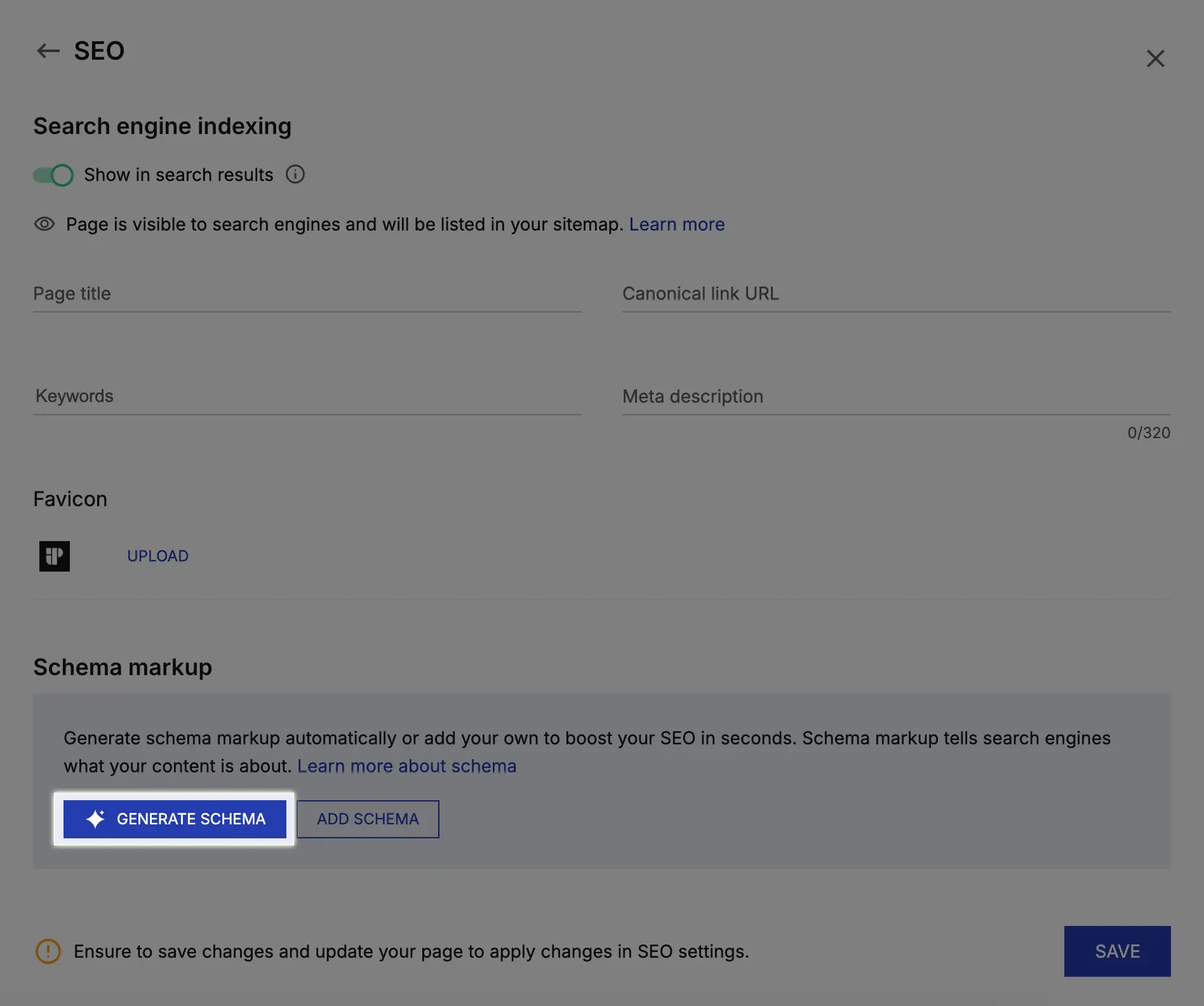
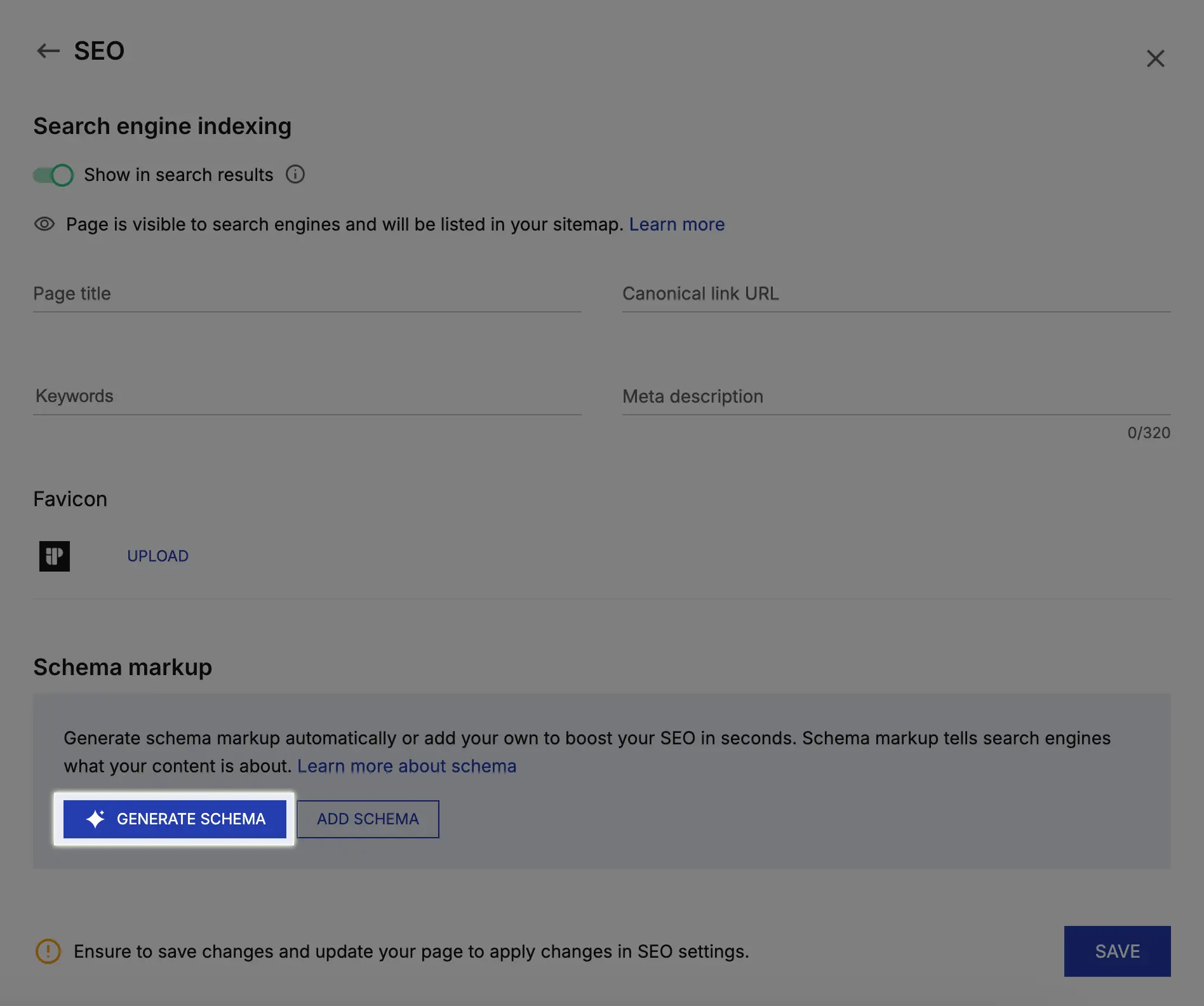
The digital marketing landscape is currently undergoing a transformative shift as Instapage, a leading landing page platform, officially launched its integrated Schema Markup feature, designed to automate the creation and deployment of structured data. This development arrives at a critical juncture for the industry, as marketing departments globally face tightening budgets and a fundamental change in how search engines and artificial intelligence (AI) systems interpret web content. By integrating AI-powered schema generation directly into its page settings, Instapage aims to democratize technical SEO, allowing marketers to signal their relevance to search engines like Google and AI assistants like ChatGPT without the need for manual coding or developer intervention.
The Evolution of Organic Visibility in the AI Era
For over a decade, search engine optimization (SEO) was primarily focused on keyword density, backlink profiles, and page load speeds. However, the rise of Large Language Models (LLMs) and Search Generative Experiences (SGE) has altered the criteria for visibility. Modern search algorithms and AI agents no longer just “crawl” text; they seek to understand the underlying context and relationships between entities. Structured data, often referred to as schema markup, serves as the translator between a brand’s visual landing page and the machine-readable code required by these advanced systems.
The launch of the Instapage Schema Markup tool addresses a growing “visibility gap” where high-quality, aesthetically pleasing landing pages fail to appear in organic search results or AI-generated answers because they lack the necessary technical signals. As marketing budgets are reallocated from expensive paid acquisition channels toward sustainable organic growth, the ability to appear in “rich results”—such as product carousels, FAQ snippets, and event highlights—has become a competitive necessity.
Technical Functionality and the Role of Artificial Intelligence
The new feature set within Instapage is built around the JSON-LD (JavaScript Object Notation for Linked Data) format, which is the industry standard recommended by major search engines. The core of the update is an AI-driven generator that eliminates the steep learning curve traditionally associated with technical SEO. Users can now access a dedicated schema section within their page settings to select from a variety of standardized schema types, including:
- Organization and Local Business: Identifying corporate identity and physical locations.
- Product: Detailing price, availability, and review ratings for e-commerce.
- FAQPage: Highlighting frequently asked questions to secure larger “real estate” on search engine result pages (SERPs).
- Event: Providing structured dates, times, and locations for upcoming activities.
- Person: Establishing authority and professional credentials for personal branding.
A standout component of the release is the “Auto-detect” option. This functionality utilizes AI to analyze the existing content on a landing page and automatically suggest the most appropriate schema types. Once the code is generated, the platform provides built-in validation tools to ensure the markup is error-free before it is published. This end-to-end workflow is designed to take less than five minutes, a significant reduction from the hours or days often required when coordinating between marketing and engineering teams.
Chronology of Technical SEO Integration in Landing Page Builders
The introduction of native schema tools marks a significant milestone in the timeline of landing page technology.
In the early 2010s, landing page builders focused almost exclusively on “drag-and-drop” visual editors, often at the expense of clean code. By 2015, the industry shifted toward mobile responsiveness and speed, driven by Google’s “Mobilegeddon” update. In 2020, the focus moved to conversion rate optimization (CRO) and personalization through A/B testing.

The 2024-2025 period, however, is being defined by “Technical SEO Readiness.” Instapage’s move follows a broader industry trend where platforms are no longer just design tools but are becoming integrated marketing hubs that handle the technical complexities of the modern web. The timeline of this specific rollout began with internal beta testing in late 2023, following the surge in public interest in AI search tools. The general release now makes these advanced capabilities available to all subscription tiers, reflecting a commitment to helping brands navigate the post-AI search landscape.
Supporting Data: The Impact of Structured Data on Performance
The business case for schema markup is supported by extensive industry data. According to recent search performance studies, pages with properly implemented structured data can see a click-through rate (CTR) increase of up to 30% compared to those without. This is primarily due to the visual enhancement of search results. For instance, a “Product” schema allows a landing page to display a five-star rating and a price point directly in the search results, which significantly increases user trust and engagement.
Furthermore, as AI-driven search engines like Perplexity and Google’s Gemini continue to gain market share, the importance of “crawlability” has been replaced by “understandability.” Data from SEO research firms indicates that AI agents are 40% more likely to accurately cite a source if that source provides structured data. For brands, this means that schema is no longer just about ranking #1 on Google; it is about being the primary source of truth for an AI’s answer to a user’s query.
Industry Implications and Market Analysis
The implications of Instapage’s new feature extend beyond simple SEO. Market analysts suggest that this move is a response to the “efficiency mandate” currently dominating the tech sector. As the cost of customer acquisition (CAC) via platforms like Meta and Google Ads continues to rise, businesses are under pressure to extract more value from their organic traffic.
“The barrier to entry for technical SEO has historically been the ‘developer bottleneck,'” notes an industry analyst familiar with the launch. “By moving schema generation into the hands of the marketer, Instapage is effectively reducing the operational cost of high-performance SEO. This is particularly impactful for small-to-medium enterprises (SMEs) that do not have dedicated technical SEO teams.”
Furthermore, the “Auto-detect” feature represents a sophisticated application of generative AI. While many tools use AI for copy generation, Instapage is using it for structural integrity. This ensures that even non-technical users can adhere to the complex requirements of Schema.org, the collaborative community founded by Google, Microsoft, Yahoo, and Yandex to create and support a common set of schemas for structured data.
Strategic Applications for Different Business Sectors
The utility of the new Schema Markup feature varies across sectors, though its benefits are universal.
For SaaS and Software companies, the use of “Product” and “FAQ” schema is paramount. By detailing software features and answering common pricing questions in a machine-readable format, these companies can capture high-intent traffic at the top of the funnel.
Local service providers, such as law firms or medical clinics, stand to benefit from the “LocalBusiness” and “Service” schema. This data helps search engines pin the business to specific geographic locations, improving visibility in “near me” searches—a category that has seen a 200% growth in the last three years.
In the Events and Education sector, the ability to publish “Event” schema directly from a landing page ensures that seminars, webinars, and workshops are automatically indexed in Google’s dedicated event search interface. This provides a level of exposure that was previously difficult to achieve without a complex Content Management System (CMS).
Responses from the Marketing Community
While Instapage has not released formal customer testimonials as part of the technical announcement, initial reactions from the digital marketing community have been positive. Professional SEOs have highlighted that the “manual edit” option is a crucial inclusion. By allowing experts to tweak the AI-generated JSON-LD, Instapage provides a balance between automation for beginners and granular control for veterans.
The move is also seen as a defensive play against the rising tide of AI search. As users increasingly turn to chatbots for information, the marketing community has expressed concern about “zero-click searches”—where a user gets the answer they need without ever clicking through to a website. Structured data is seen as the best defense against this trend, as it ensures that when an AI provides an answer, it does so using the brand’s specific, verified data points.
Future Outlook and Conclusion
Looking ahead, the integration of AI and structured data is expected to become a standard requirement for all digital marketing platforms. Instapage’s early adoption of an AI-powered schema generator positions it as a leader in the next generation of “AI-ready” web tools.
As search engines continue to evolve into “answer engines,” the metadata hidden behind the visual design of a page will become as important as the design itself. The launch of the Schema Markup feature signifies a shift toward a more transparent, structured, and machine-friendly internet. For brands, the message is clear: to remain visible in a world governed by algorithms, they must speak the language of the systems that index them. With this update, Instapage has provided a bridge for marketers to do exactly that, ensuring that their landing pages are not only seen by human eyes but are fully understood by the artificial intelligence of tomorrow.







