OpenAI has officially launched ChatGPT Images 2.5, a significant update to its proprietary image-generation ecosystem that prioritizes granular control and iterative editing over the mere production of high-fidelity aesthetics. While previous iterations focused on the "wow factor" of photorealistic generation, Images 2.5 addresses the most persistent pain point in generative AI: the ability to make specific, controlled modifications to an existing image without altering its fundamental identity. The update introduces a suite of new tools, including a "Sketch" feature, specialized templates, and shared prompts, while simultaneously delivering a 50% reduction in generation latency compared to the previous Images 2.0 framework.
The release of Images 2.5 signals a strategic pivot for OpenAI as it seeks to transform ChatGPT from a creative toy into a professional-grade design utility. By improving reference-image preservation and multi-turn editing reliability, the model allows users to maintain consistency across a series of commands—a capability that has historically eluded diffusion-based models. This advancement is supported by the introduction of two new API-specific models, Flare and Sunburst, designed to cater to different enterprise needs ranging from rapid-response applications to high-end creative workflows.
The Evolution of Image Control: Precision Over Production
The primary objective of ChatGPT Images 2.5 is to solve the "re-generation" problem. In earlier versions of generative AI, asking for a small change—such as changing a character’s hat or moving a lamp in a room—often resulted in the model regenerating the entire scene from scratch, losing the original composition and character likeness. Images 2.5 utilizes improved attention mechanisms to isolate specific elements for modification.

The model boasts sharper details, more natural lighting, and improved texture rendering, particularly in complex areas like skin, fabric, and hair. However, the most critical technical leap is in "reference-image fidelity." This allows the AI to take a user-provided photograph or a previously generated image and carry over recognizable subjects into new settings. For example, a user can upload a photo of their pet and place it into various stylized environments while ensuring the animal’s unique markings and features remain intact.
Key Features and User Workflow Enhancements
OpenAI has integrated several new features directly into the ChatGPT interface to make the image creation process more intuitive for non-technical users. These features move beyond text-based prompting, embracing multi-modal input.
The Sketch Utility
The most significant addition to the user interface is the Sketch feature. This tool allows users to draw a rough layout or doodle directly within the ChatGPT interface. The AI then uses this sketch as a spatial guide, ensuring that the generated image adheres to the user’s intended composition. This is particularly useful for interior designers planning room layouts, fashion designers sketching silhouettes, or marketers needing specific placement for products in an advertisement.
Templates for Standardized Output
To lower the barrier to entry for professional tasks, Images 2.5 introduces Templates. These provide standardized starting points for common formats such as professional headshots, cinematic posters, and merchandise designs. Instead of requiring complex "prompt engineering," users can select a template and provide the specific details they wish to include, ensuring the output meets the dimensions and stylistic requirements of the chosen format.

Shared Prompts and Social Integration
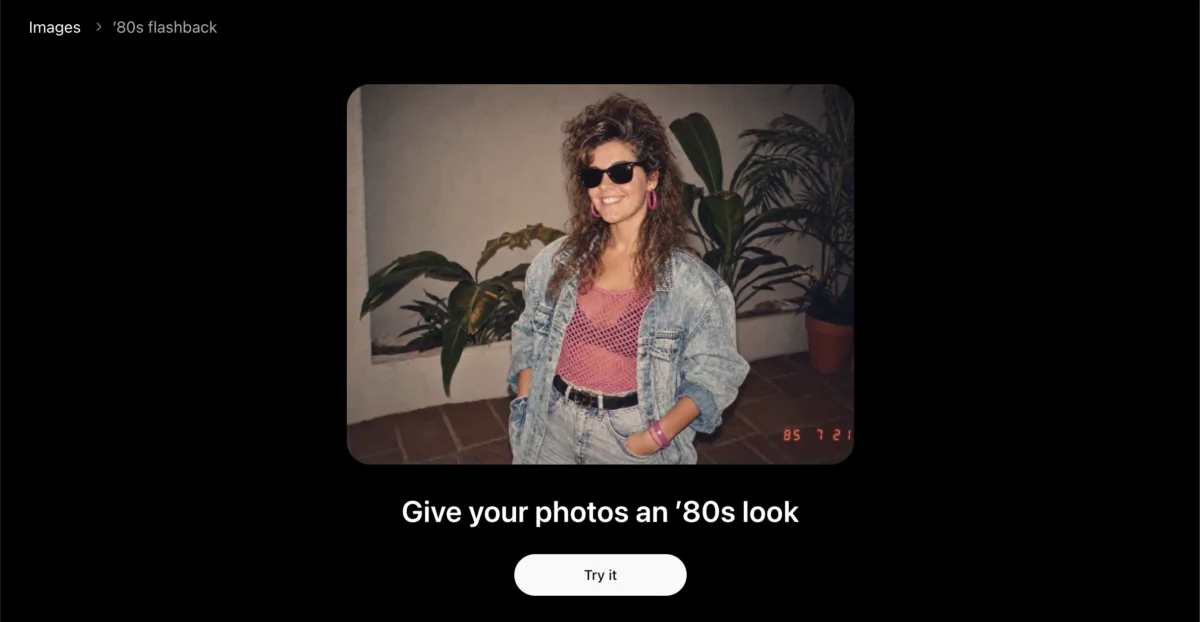
OpenAI is also leaning into the collaborative nature of AI creation with Shared Prompts. This feature allows users to share a generated image along with the exact prompt and reference data used to create it. Other users can then "remix" these prompts, substituting their own reference images or making slight tweaks to the text to achieve a similar aesthetic. This fosters a community-driven library of styles, such as the popular "80s-style photo transformation" currently being highlighted in official demonstrations.
Technical Infrastructure: Flare and Sunburst API Models
For developers and enterprise clients, the update introduces two distinct models via the OpenAI API, each optimized for different use cases:
- Flare: This model is engineered for speed and efficiency. OpenAI reports that Flare delivers higher-quality images than the previous generation while reducing latency by 50%. This makes it ideal for real-time applications, such as dynamic content generation in mobile apps or social media tools where speed is a critical factor for user retention.
- Sunburst: Positioned as the "premium" creative model, Sunburst is designed for high-end editing and complex multi-turn workflows. It prioritizes maximum fidelity and the highest level of detail, catering to professional photographers, digital artists, and advertising agencies who require the most sophisticated image manipulation capabilities available.
Chronology of OpenAI’s Image Model Development
The launch of Images 2.5 is the latest milestone in a rapid developmental timeline that has seen OpenAI move from experimental research to market dominance in less than five years.
- January 2021: OpenAI introduces DALL-E, proving that a transformer-based language model could generate images from text descriptions.
- April 2022: DALL-E 2 is released, offering significantly higher resolution and the "Inpainting" feature, which allowed for basic editing of parts of an image.
- September 2023: DALL-E 3 is integrated directly into ChatGPT, allowing for conversational image generation and better adherence to complex prompts.
- Mid-2024: Images 2.0 is deployed, focusing on photorealistic textures and better handling of text within images.
- Present: Images 2.5 is launched, shifting the focus to "editing as a conversation" and reducing the technical friction of the generation process.
Comparative Analysis: The Competitive Landscape
The release of Images 2.5 places OpenAI in direct competition with other industry leaders like Midjourney, Stable Diffusion, and Adobe. While Midjourney is often cited for its superior artistic flair, it lacks the seamless conversational interface of ChatGPT. Conversely, Adobe Firefly is deeply integrated into professional tools like Photoshop, but it often requires more manual labor from the user.

OpenAI’s strategy with Images 2.5 is to bridge this gap. By offering "multi-turn editing," OpenAI is banking on the idea that the easiest way to edit an image is to talk to it. If a user says, "Make the lighting warmer," the AI understands the context of the previous image and applies the change precisely. This conversational continuity is a unique advantage that leverages OpenAI’s strength in Large Language Models (LLMs).
Supporting Data and Performance Metrics
The performance gains in Images 2.5 are not merely anecdotal. Internal benchmarking provided by OpenAI highlights several key metrics:
- Latency Reduction: A 50% decrease in the time elapsed between a user pressing "Enter" and the final image appearing. This brings generation times closer to the sub-five-second threshold required for "real-time" feel.
- Instruction Adherence: A measurable increase in the model’s ability to follow complex, multi-part prompts (e.g., "A man in a blue suit, holding a red apple, standing in front of a neon-lit Eiffel Tower at night").
- Reference Preservation: In tests involving human subjects, the model showed a 40% improvement in maintaining facial features and clothing details when moving a subject from a reference photo into a generated scene.
Industry Implications and Broader Impact
The implications of ChatGPT Images 2.5 extend far beyond casual use. In the realm of e-commerce, the ability to take a single product photo and generate dozens of high-quality lifestyle images in different settings—without losing the product’s identity—could save companies thousands of dollars in traditional photography costs.
In the film and gaming industries, the Sketch-to-Image and multi-turn editing features provide a powerful tool for rapid storyboarding and concept art. Artists can iterate on a character’s design in real-time, changing costumes or poses through simple dialogue.

However, the increased precision of these tools also raises ongoing questions regarding digital authenticity. As it becomes easier to seamlessly edit photos and preserve the likeness of real individuals in artificial contexts, the importance of provenance standards like C2PA (Coalition for Content Provenance and Authenticity) becomes paramount. OpenAI has reaffirmed its commitment to watermarking and metadata standards to ensure that AI-generated and edited content can be identified as such.
Conclusion: The Shift Toward Iterative AI
ChatGPT Images 2.5 represents a maturation of the generative AI field. The novelty of "creating something from nothing" is being replaced by the utility of "making something exactly right." By focusing on editing, latency, and user-guided composition through sketches and templates, OpenAI is moving toward a future where the AI acts as a collaborative digital assistant rather than just a generator.
As these tools become more integrated into daily workflows, the definition of "creativity" may continue to shift. The value is increasingly found not in the ability to draw or render, but in the ability to direct and refine a vision through iterative feedback. With Images 2.5, the "conversation" with AI has officially expanded from the written word to the visual canvas.