Evan Lee Salim
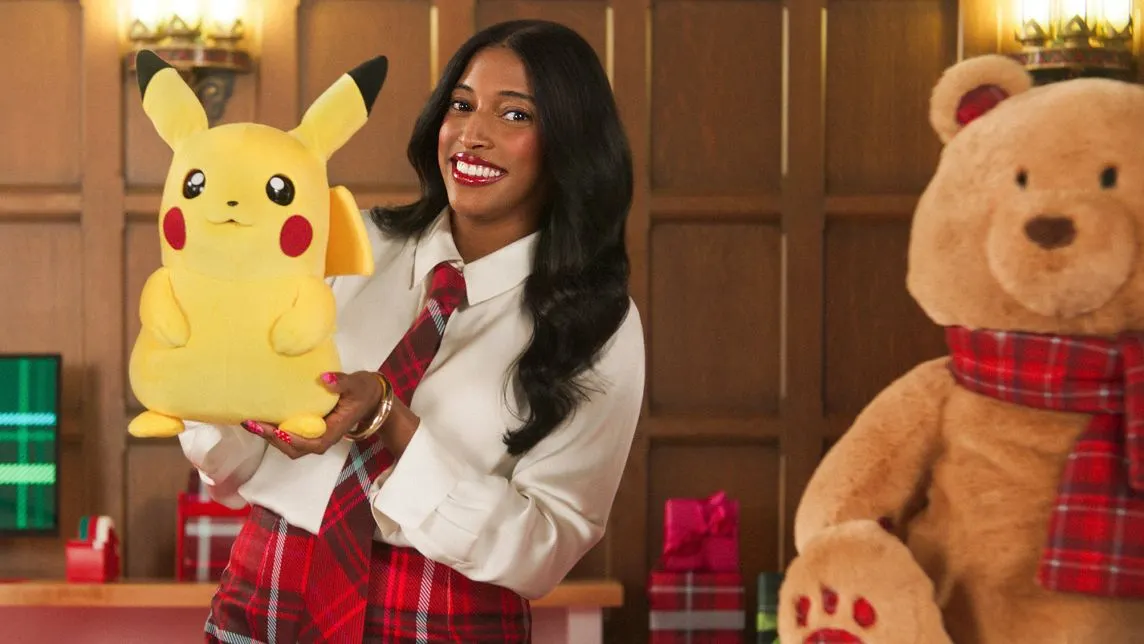
The crucial holiday shopping season, typically a make-or-break period for retail sales, is poised to be a significant testing ground for both Target and Walmart as they endeavor to refine and redefine their brand identities. Beyond the perennial competition for price-sensitive shoppers, this festive period will also gauge the effectiveness of their respective strategies to capture consumer attention and loyalty through nuanced brand narratives. Both retail giants are deploying ambitious marketing campaigns that aim to transcend simple price comparisons, focusing instead on storytelling, emotional connection, and the perceived value of their offerings.
Walmart’s "Who Knew?" Evolves with Muppet Merriment
Walmart has been steadily cultivating its "Who Knew?" brand platform for approximately eighteen months, a concerted effort designed to challenge preconceived notions about the retail giant. The initiative aims to showcase a more contemporary and trend-conscious product assortment, coupled with deals that may surprise the average consumer. This holiday season, the "Who Knew?" concept is being brought to life through a festive adaptation of "The Muppet Christmas Carol." The campaign stars actor Walton Goggins as a reimagined Ebenezer Scrooge, alongside beloved Muppet characters such as Kermit the Frog and Miss Piggy. This creative approach signals Walmart’s commitment to moving beyond its traditional image as a solely low-price provider and embracing a more engaging, family-friendly, and perhaps even whimsical brand persona. The use of iconic characters like the Muppets is a strategic play to evoke nostalgia and a sense of shared cultural experience, aiming to build a stronger emotional bond with consumers during a time of heightened sentimentality.
The decision to leverage "The Muppet Christmas Carol" is particularly insightful. The story itself is a timeless tale of transformation and rediscovery, mirroring Walmart’s own narrative arc. By casting a well-known actor in a beloved role and integrating familiar Muppet characters, Walmart is attempting to create a memorable and shareable holiday experience. This strategy not only aims to attract shoppers seeking entertainment and festive cheer but also to subtly reinforce the message that Walmart offers more than just everyday essentials; it provides a source of joy and unexpected delight. The integration of content creators alongside the Muppets further broadens the campaign’s reach, tapping into diverse audience segments and digital communities. This multi-faceted approach underscores Walmart’s ambition to be perceived as a more dynamic and relevant retailer, capable of surprising and delighting customers with both its products and its brand messaging.
Target’s "Tar-zhay" Resurgence: Reclaiming Chic Affordability
Target, meanwhile, is striving to maintain the momentum of its brand revitalization strategy, a mission to recapture the essence of its former "Tar-zhay" allure – a reputation for chic yet affordable merchandise. This iconic positioning was somewhat diluted in the turbulent post-pandemic years, a period marked by consumer backlash related to cultural issues and a decline in the perceived quality of store presentations. However, following a recent CEO transition, Target has witnessed an upward trend in its performance throughout 2026. Analysts suggest that the upcoming holiday season will serve as the ultimate proving ground for Target’s turnaround efforts. The retailer’s current holiday campaign is centered on a "Gifting Academy," an inventive concept designed to assist customers in finding the perfect present for every individual on their gift list. Leading this academic endeavor is actress D’Arcy Carden, portraying a witty expert guiding shoppers through the complexities of gift-giving.
Target’s "Holiday Academy of Giftology" is a sophisticated and multi-layered campaign. It leverages the concept of education and expertise to address common holiday gifting challenges, positioning Target as a trusted advisor rather than just a purveyor of goods. The campaign’s visual elements, which often feature distinct departments and faculty members specializing in various gift categories like toys and items for the notoriously difficult-to-buy-for individuals, aim to create an engaging and interactive experience. Michelle Mesenburg, Target’s Chief Brand Officer, highlighted this approach at a press event in October, emphasizing that the campaign "uses a construct of education and curriculum to come up with new ways to solve some of those typical holiday gifting problems that we all experience." This strategy underscores Target’s understanding that in an increasingly competitive landscape, mere product availability is insufficient. Instead, retailers must offer solutions, guidance, and a sense of elevated shopping experience. The "Gifting Academy" concept, with its implied promise of personalized recommendations and expert advice, directly appeals to shoppers seeking to make thoughtful and impactful gift choices, thereby reinforcing Target’s brand promise of accessible style and curated selections.
A Heated Rivalry: Storytelling Over Sticker Shock
Both Walmart and Target’s holiday campaigns share a notable commonality: the strategic deployment of compelling storytelling through colorful characters and fictional settings. This approach is not merely for entertainment value; it serves a critical function in highlighting key retail strengths, such as expansive product assortments and efficient delivery services. In previous years, both retailers tended to adopt a more fragmented marketing strategy, focusing on specific seasonal shopping events like Black Friday. However, the adoption of a unified narrative provides a more consistent and cohesive message for consumers. This shift is particularly significant in a retail environment that has, for a prolonged period, been heavily skewed towards a focus on deals and promotions. This emphasis on discounts has become increasingly challenging amid persistent inflation, leading to a phenomenon known as "discount burnout" among consumers.
Taylre Stumpf, a retail consultant at Kantar specializing in mass-channel retailers, observes this strategic pivot. "Rather than shouting price, they’re shouting that storyline of, trust us, [we have] the best gifts," Stumpf noted. This sentiment encapsulates the broader industry trend of retailers moving beyond purely transactional marketing to build deeper, more emotional connections with their customer base. By weaving narratives, these companies aim to position themselves as partners in the consumer’s holiday experience, offering solutions and inspiration rather than just competitive pricing. This approach allows them to differentiate themselves in a crowded marketplace, appealing to shoppers who may be seeking more than just a bargain. The focus on storytelling also allows for the incorporation of a wider range of brand values and product benefits, which can be particularly effective in resonating with diverse consumer segments.
Walmart’s "Who Knew?" campaign, in particular, represents an evolution in its strategy to attract higher-income shoppers and enhance its offerings in areas like apparel. Miss Piggy’s role in promoting trendy fashion items, as articulated by Walmart CMO William White, exemplifies this ambition. The overall effect is that Walmart, in both its presentation and product focus, is beginning to resemble Target more closely, adding a new dimension to the rivalry between these long-standing big-box competitors. This strategic convergence means that both retailers are now vying for the same discerning consumer, employing similar tactics to capture their attention.

"The mass channel, which is Target and Walmart, they’re both fighting for that same high income, still careful shopper, but using the same tools," Stumpf elaborated. "We just see value now as a type of table stakes, so both retailers now have to get creative on how to connect with each shopper." This analysis highlights that while price remains a foundational element of their value proposition, it is no longer a sufficient differentiator. The true battleground now lies in brand perception, emotional resonance, and the ability to offer a unique and compelling shopping experience that goes beyond the mere exchange of goods for money.
Financial Performance and Strategic Positioning
Walmart, with its vast network of over 4,600 brick-and-mortar stores in the U.S., demonstrated robust financial performance in its second quarter. The company reported a year-over-year revenue increase of 5.9%, reaching $187.9 billion. U.S. comparable sales, a critical metric for retailer health, saw a healthy increase of 2.6% during the same period. This growth indicates Walmart’s continued ability to attract and retain customers, even as it undergoes strategic brand repositioning.
Target, while operating fewer stores than its larger rival (under half of Walmart’s count), also posted encouraging financial results. In its second quarter, Target’s net sales rose by 5.3% year-over-year to $26.5 billion. Comparable sales and traffic experienced notable increases of 3.8% and 3.6%, respectively. Building on this positive momentum, Target revised its full-year guidance upward following its Q2 earnings report in August, signaling confidence in its ongoing recovery and strategic direction.
Despite Target’s recent successes, Walmart has demonstrably capitalized on periods of underperformance by its competitor. "Walmart has definitely been giving Target a run for their money," Stumpf acknowledged. "I think the last several years of Target underperforming, Walmart has taken advantage of that and has done very well." This competitive dynamic underscores the importance of consistent brand execution and strategic agility in the retail sector.
Finding a Competitive Edge: Personalization and Omnichannel Integration
While Walmart may possess a larger physical footprint, Target is strategically leveraging its strengths in areas such as personalization and curated offerings to gain a competitive advantage in the crucial fourth quarter. Stumpf suggests that Target excels in seamlessly integrating popular online trends into its in-store experience and has a keen understanding of the preferences of a specific segment of millennial shoppers. The "Holiday Academy of Giftology" campaign exemplifies this approach, with its thematic structure designed to cater to diverse gifting needs and preferences.
Target’s strategy extends to its omnichannel presence, where the visual themes of its academy-themed advertisements are integrated across its physical retail stores and online platforms. Earlier in the year, Target undertook a significant overhaul of its creator programs to foster a more comprehensive and engaging approach to influencer marketing. For the holiday season, its plans include leveraging "Club Target," a program aimed at smaller and mid-sized creators on platforms like TikTok, alongside an exclusive partnership with LTK, which focuses on collaborating with established influencers.
"Target is really the only retailer I’m seeing right now that does a great job of blending the whole unified experience through their different tiers of creators," Stumpf observed. This ability to create a cohesive brand experience across various creator tiers and platforms is a significant differentiator for Target. It allows the retailer to engage with a broad spectrum of consumers through authentic and relatable content, reinforcing its brand message and driving engagement.
The economic climate adds another layer of complexity to the holiday season. With consumers facing macroeconomic pressures, their spending habits are likely to be more discerning. While some forecasts, like those from Deloitte, predict robust spending on retail goods, Kantar ShopperScape data, as shared by Stumpf, indicates that a significant portion of shoppers (16%) are planning to reduce their spending this year. This cautious consumer sentiment underscores the importance of retailers offering perceived value that extends beyond price.
Stumpf concludes by emphasizing the strategic imperative for Target: "Target knows it can’t outprice Walmart. If Walmart’s already trying to take pages out of its playbook with the storytelling… all Target really has left is personalization and curation for its shoppers." This highlights the ongoing strategic adaptation and differentiation that both retailers must undertake to thrive in the ever-evolving retail landscape, particularly as they navigate the critical holiday shopping period. The success of their respective brand image campaigns will be a key determinant in their ability to capture market share and foster lasting customer loyalty.


 Asep Darmawan
 Muslim