

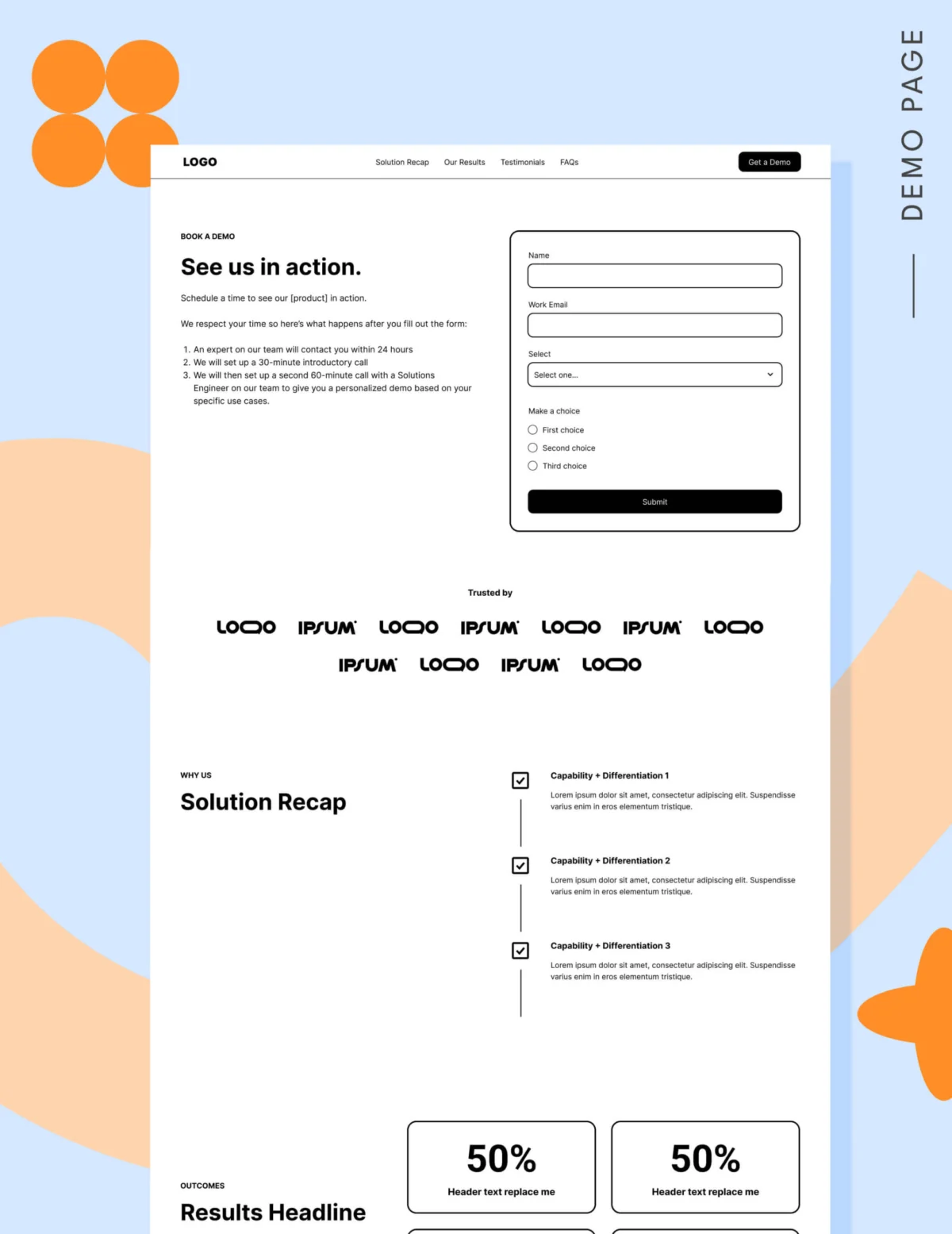
The divide between marketing and sales departments within the Software as a Service (SaaS) sector has reached a critical juncture as demo request volumes continue to fluctuate despite increased advertising expenditure. Industry analysts observe a recurring pattern: as lead quality diminishes, marketing teams often respond by increasing the budget for "request a demo" advertisements, yet the underlying conversion issues persist. This phenomenon suggests a fundamental misunderstanding of the modern B2B buyer’s journey. Far from being a low-friction entry point, the "request a demo" call-to-action (CTA) has evolved into a high-commitment hurdle that requires significant brand trust and prior research before a prospect is willing to engage.
The Complexity of the 2026 B2B Buyer Journey
The modern procurement process for high-investment software is no longer a linear path. According to the Dreamdata 2025 LinkedIn Ads Benchmark Report, the average B2B customer journey now spans 211 days and involves approximately 88 distinct touchpoints. This extended timeline reflects a cautious market where stakeholders prioritize extensive research over immediate sales interactions. When marketing teams treat a demo request with the same tactical weight as a whitepaper download or a webinar registration, they ignore the psychological friction inherent in booking a live sales call.
Market data indicates that only 3% to 5% of a given target market is in an active buying cycle at any specific time. This reality necessitates a strategic shift in how traffic is directed to demo landing pages. Experts argue that the primary failure of contemporary SaaS marketing is not the design of the landing page itself, but the intent level of the traffic arriving at it. Directing "cold" or low-intent traffic—users who have had no prior interaction with the brand—to a high-friction demo page results in a performance ceiling that cannot be overcome by simple A/B testing of button colors or headlines.
Chronology of a Conversion: The "Core Four" Framework
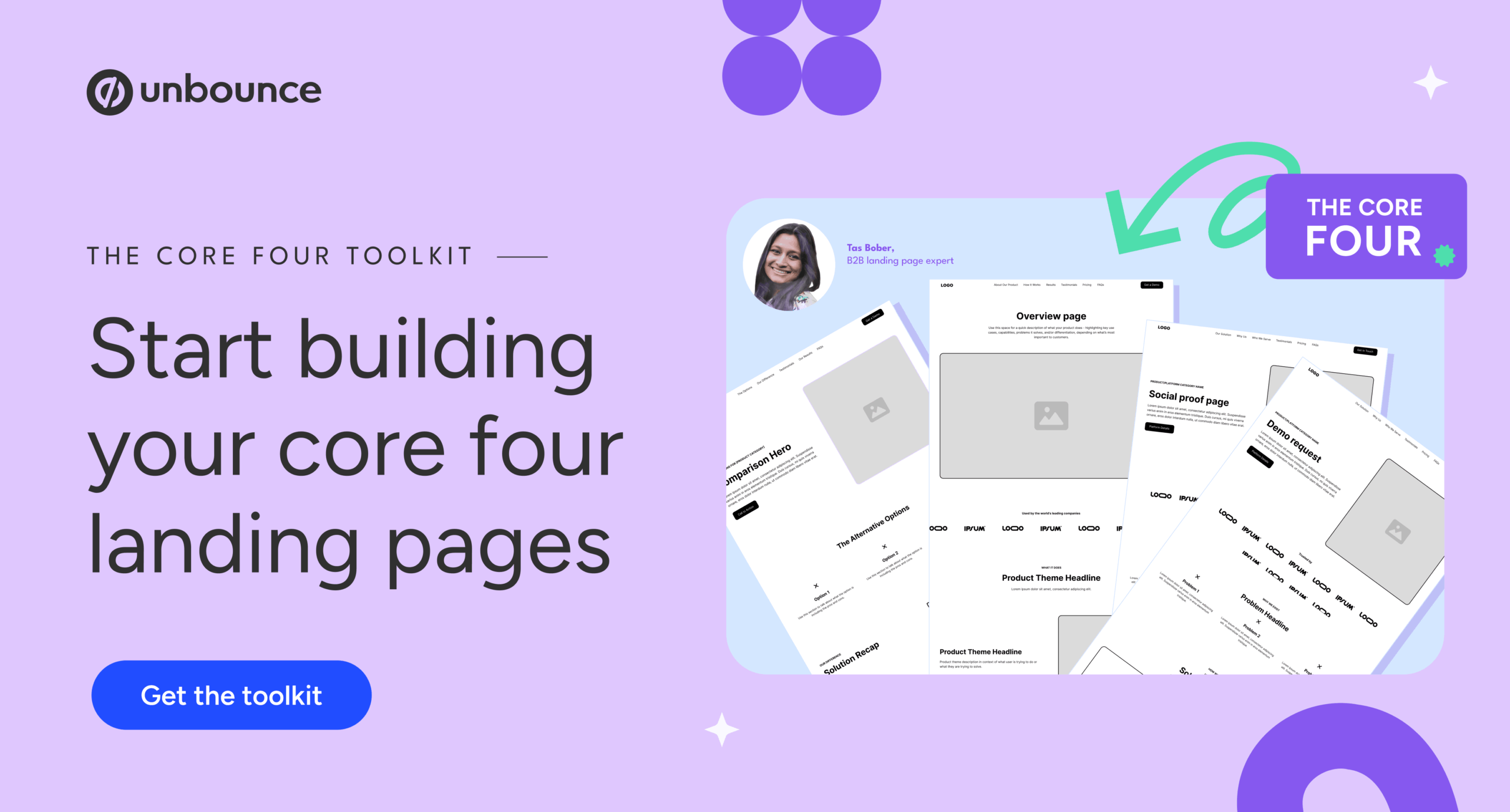
To address these inefficiencies, B2B landing page specialists, including industry consultant Tas Bober, have advocated for a "Core Four" framework. This model categorizes landing pages based on the buyer’s current stage in the research process, ensuring that the demo page serves as the final destination rather than the initial introduction.
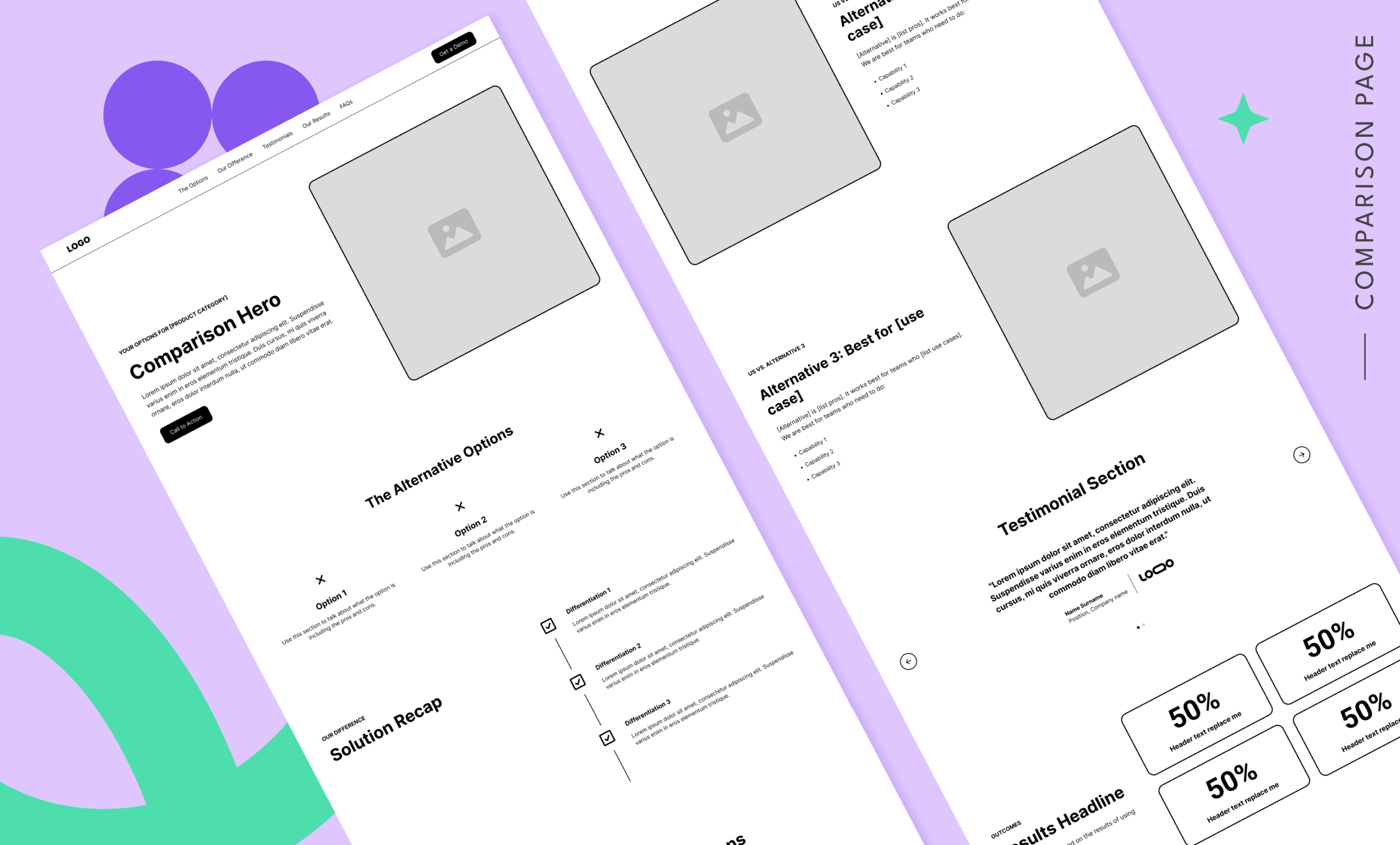
- The Comparison Page: Designed for buyers in the middle of the funnel who are weighing the pros and cons of various market competitors.
- The Educational/Thought Leadership Page: Focused on top-of-funnel awareness, addressing industry pain points without an immediate sales pitch.
- The Problem/Solution Page: A middle-to-bottom funnel page that bridges the gap between a user’s specific struggle and the software’s unique features.
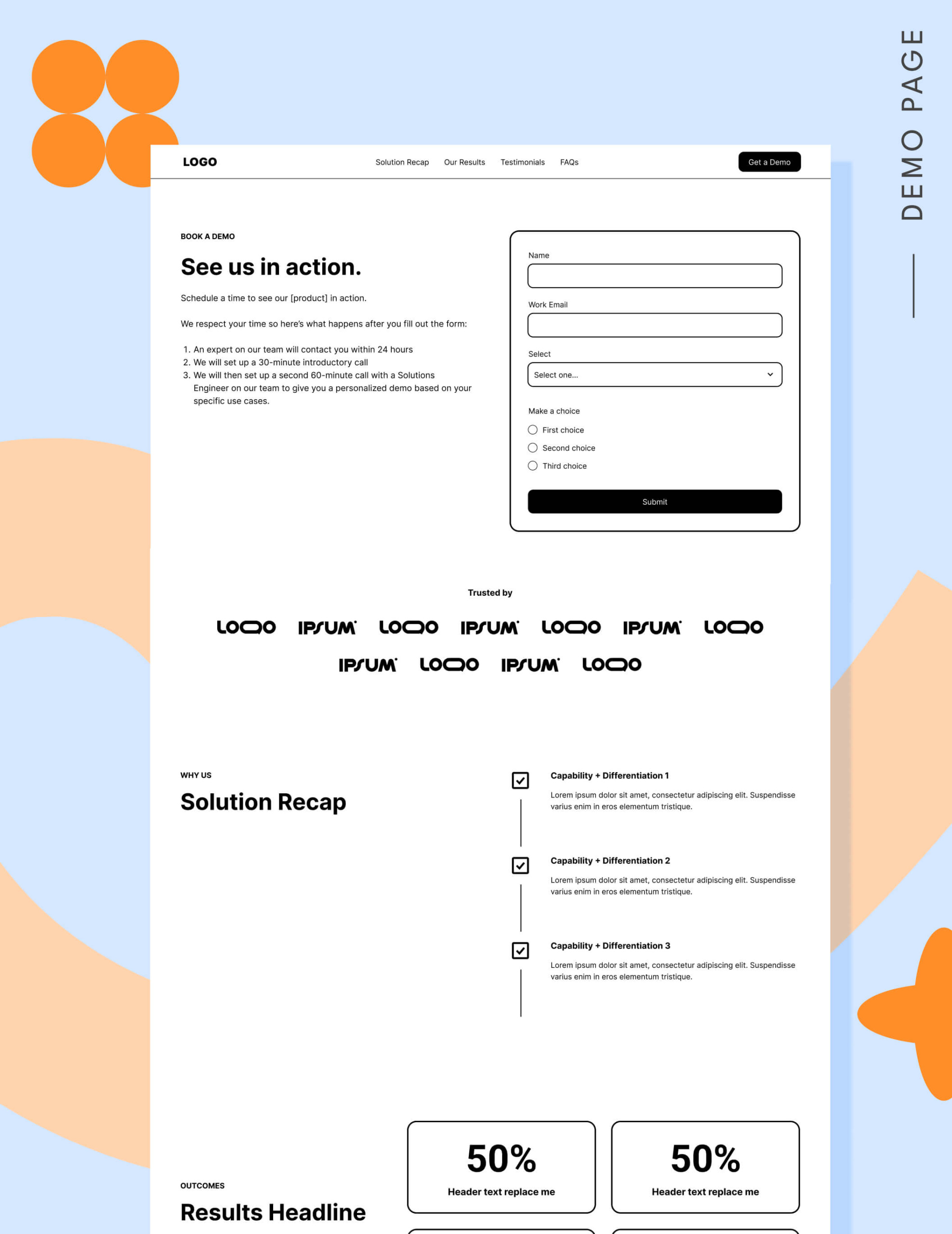
- The Demo Landing Page: The terminal point of the journey, reserved for "warm" prospects who have already validated the solution’s relevance to their needs.
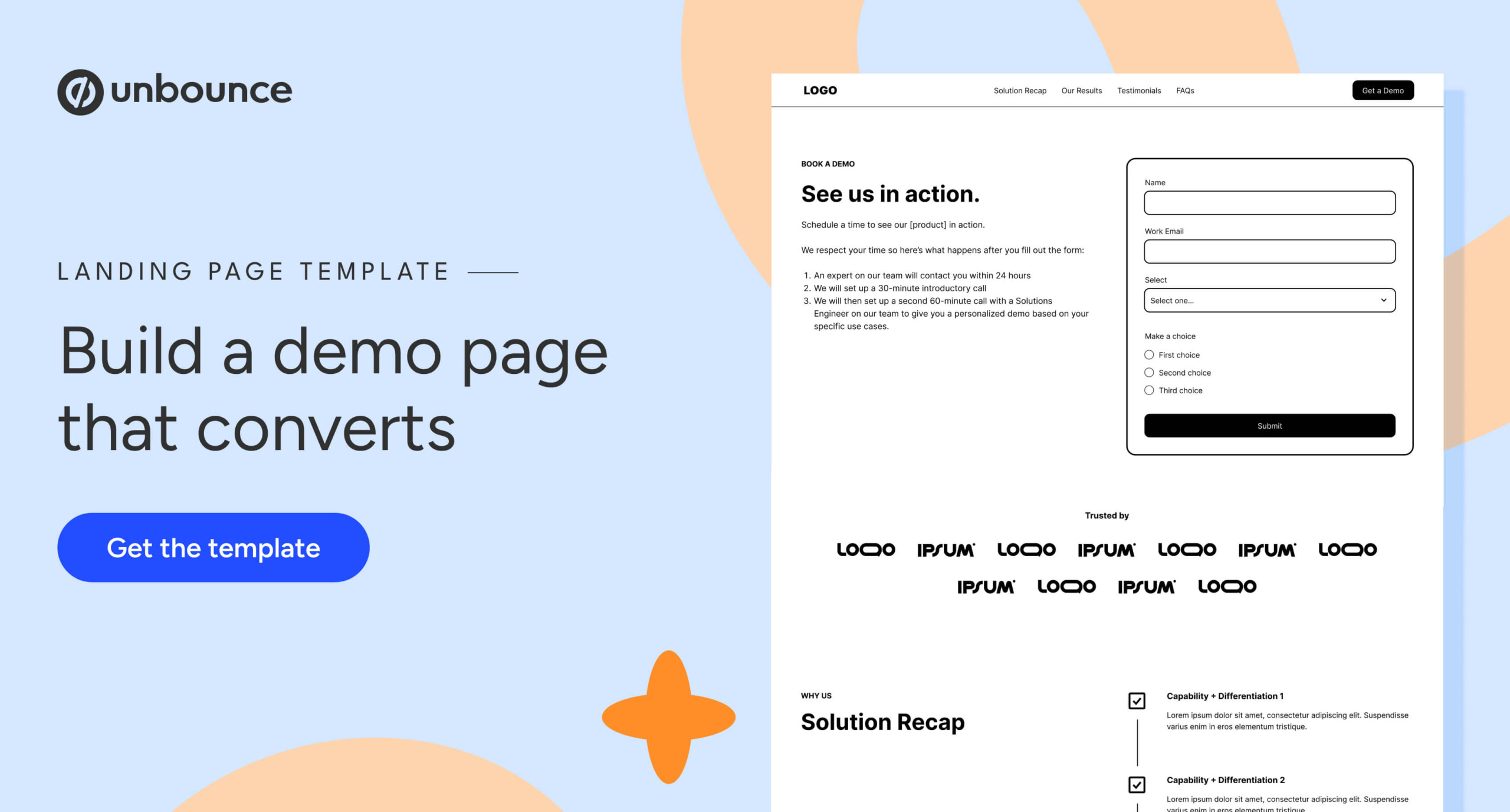
In this chronological progression, the demo landing page acts as a confirmation tool. Its primary function is to remove the final points of friction and answer lingering logistical questions. By the time a prospect reaches this stage, they should already understand the product’s value proposition; the page’s role is to reassure them that the time spent in a meeting will be a productive investment.
Benchmarking Performance in a Saturated Market
Data from the Unbounce 2024 Conversion Benchmark Report positioned the median conversion rate for SaaS landing pages at 3.8%. However, more recent first-party data from 2025 and early 2026 suggests that for high-intent demo pages specifically, the average has settled closer to 3.1%. These figures highlight the difficulty of securing a "hand-raise" from a prospect.
The discrepancy between high-performing and low-performing pages often hinges on the density of information provided. While traditional marketing wisdom suggested that landing pages should be devoid of navigation to prevent "leaks," recent shifts in search engine algorithms have altered this perspective. In 2025, Google updated its ad quality prediction models to reward landing pages that provide transparent navigation and access to relevant secondary information. Pages that trap users or hide essential context are increasingly penalized with higher costs-per-click and lower search visibility.
Technical Requirements for the Modern Demo Page
A journalistic analysis of high-converting SaaS pages reveals several non-negotiable elements that distinguish market leaders from laggards. These elements focus on transparency, social proof, and logistical clarity.
The Navigation Paradox
Modern demo pages are increasingly adopting "anchor navigation." Instead of sending users away to an external site, these links allow users to jump to specific sections—such as pricing, FAQs, or testimonials—within the same page. Furthermore, providing a minimal footer with links to comparison or pricing pages allows "not-yet-ready" buyers to continue their research within the brand’s ecosystem rather than returning to a search engine to find a competitor.

The "What Happens Next" Section
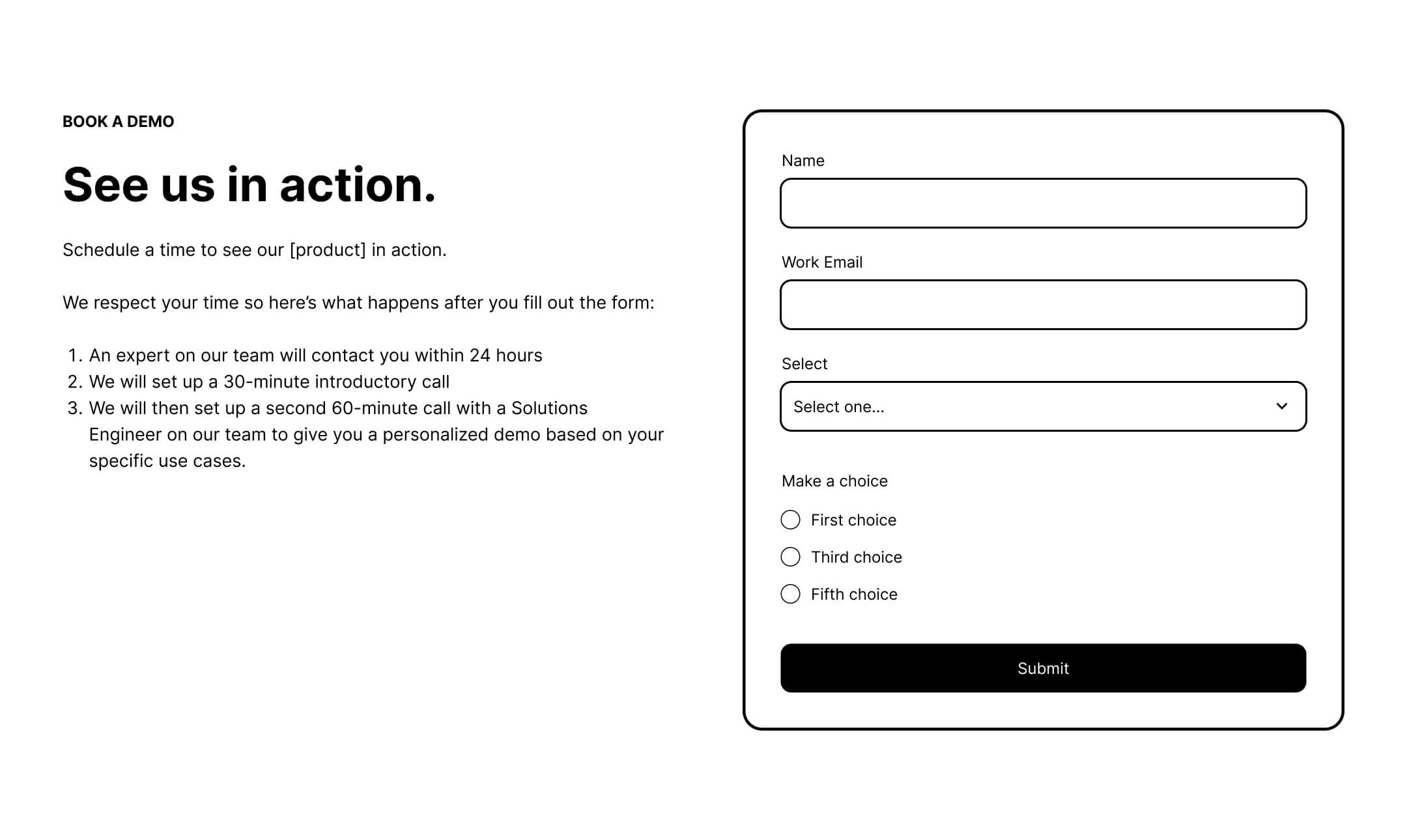
One of the most significant deterrents to demo requests is the fear of aggressive sales tactics. Prospects often hesitate because they do not know if the "demo" is a pre-recorded video, a 15-minute qualification call with a junior representative, or a 60-minute deep dive with a technical specialist. High-performing pages now include a step-by-step breakdown of the post-submission process. This includes specifying the timeframe for the initial contact and the typical duration of the meeting.
The Five-Field Cliff
Form friction remains a primary cause of abandonment. Data from 2026 conversion benchmarks shows a precipitous drop-off in completion rates once a form exceeds five fields. While five fields typically yield a 17% conversion rate among warm leads, this figure collapses to under 7% for forms with ten or more fields. Marketing teams are now tasked with balancing the sales department’s need for lead qualification data with the reality of user fatigue. The use of "positive friction"—a single, high-value qualifying question regarding company size or use case—is often more effective than a dozen generic fields.
Transparency as a Competitive Advantage: The Pricing Debate
A significant point of contention in the SaaS sector is the inclusion of pricing on demo pages. Traditionally, sales-led organizations withheld pricing to maintain leverage during negotiations. However, in the current market, transparency has become a tool for lead qualification.
By providing a "starting at" price or a condensed pricing grid, companies can filter out low-budget leads that would otherwise waste sales resources. This transparency builds immediate trust with the buyer. A 2026 industry survey of B2B buyers indicated that 72% of respondents felt more confident booking a demo with a company that provided at least a ballpark figure of the expected investment. For product-led growth (PLG) companies, this is standard; for enterprise sales-led companies, it is becoming a critical differentiator.
The Rise of Alternative Calls-to-Action
The language used in CTAs is also undergoing a transformation. Case studies from firms like FORM demonstrate that changing a CTA from "Request a Demo" to "Take a Tour" can significantly impact performance. When combined with an interactive, self-guided demo on the landing page, one firm reported a 33% increase in PPC conversions and a nearly 50% reduction in cost-per-lead for Account-Based Marketing (ABM) campaigns.
This shift reflects a broader trend toward "low-pressure" engagement. Offering a weekly demo webinar or a recorded presentation allows prospects to engage with the product without the perceived threat of a high-pressure sales environment. These "softer" paths often serve as a bridge, eventually leading to a 1:1 demo request once the buyer’s initial questions have been answered in a group setting.
Broader Implications for the SaaS Industry
The implications of these findings suggest that the role of the B2B marketer is shifting from "lead generator" to "trust architect." The era of "tricking" or "pushing" a user into a demo through aggressive ad placement and minimalist landing pages is ending. As the buyer journey grows longer and involves more touches, the success of a sales organization depends on marketing’s ability to provide a frictionless, informative, and transparent research environment.
The real solution to declining demo volumes is rarely found in the technical settings of an ad platform. Instead, it is found in the alignment of traffic intent with page content. Organizations that prioritize sending well-researched, warm buyers to a comprehensive, transparent demo page are seeing higher lead quality and better sales-marketing alignment. Those that continue to drive cold traffic to high-friction forms are likely to see their customer acquisition costs continue to climb while their conversion rates remain stagnant.
In conclusion, the SaaS demo landing page of 2026 is no longer a simple gate; it is a sophisticated decision-support tool. By focusing on the "what happens next," providing verifiable social proof through "logo gardens" and deep testimonials, and respecting the buyer’s need for pricing and navigational autonomy, SaaS companies can turn a high-friction hurdle into a seamless transition for their most valuable prospects.







