rifanmuazin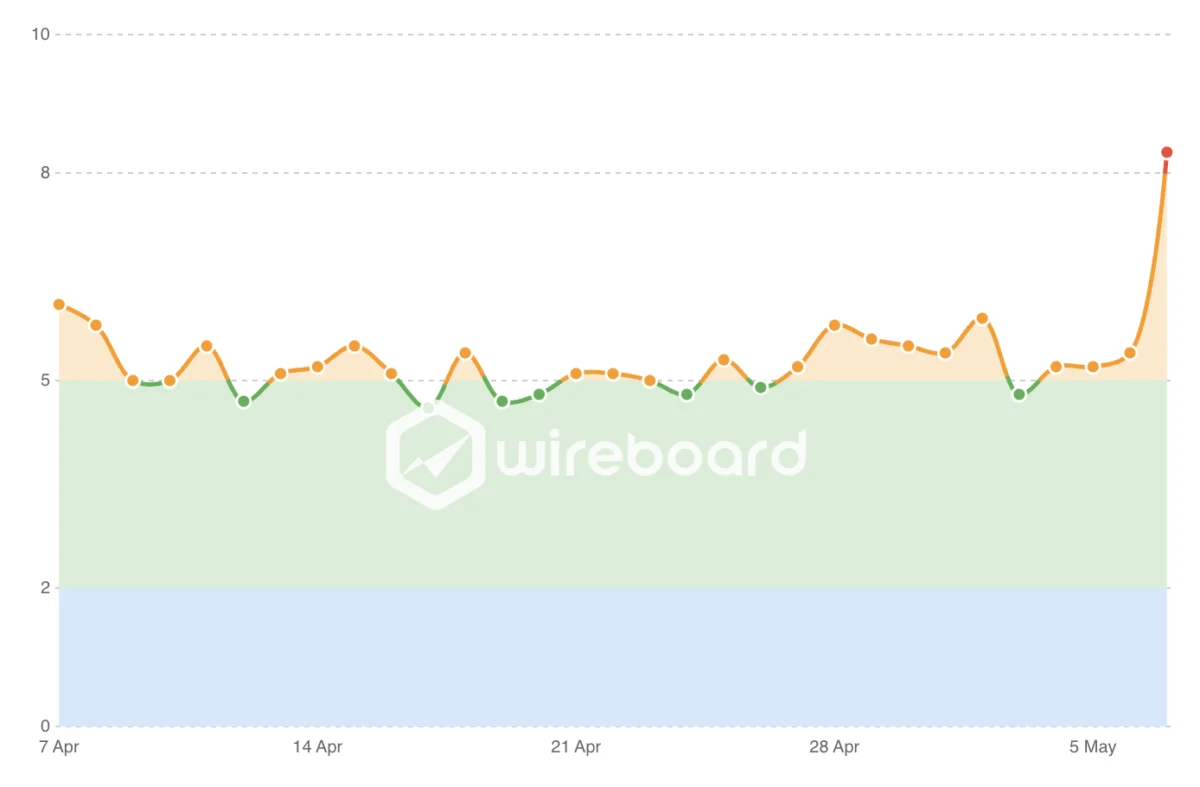
The digital landscape for website owners and search engine optimization (SEO) professionals experienced significant turbulence on May 8th, as multiple third-party tracking tools indicated a marked increase in Google Search ranking volatility. This widespread agitation across various monitoring platforms, coupled with growing chatter within the SEO community, strongly suggests the possibility of an unconfirmed Google algorithm update having rolled out in the preceding 24 hours. This event marks another period of uncertainty following the recent conclusion of a major core update, prompting webmasters to closely scrutinize their performance metrics and strategize for potential shifts in organic visibility.

Understanding Google’s Algorithm Updates: A Perpetual Evolution
Google’s search algorithm is a complex, ever-evolving system designed to deliver the most relevant and highest-quality results to users. The company routinely makes thousands of changes annually, ranging from minor, unconfirmed tweaks to significant, "core" updates that are officially announced. These updates are essential for improving search quality, combating spam, and adapting to new trends in user behavior and information consumption.

Core updates, like the one recently concluded, are broad algorithmic changes that can result in noticeable shifts in search rankings across a wide range of websites. They typically don’t target specific issues but rather aim to improve Google’s overall understanding of content and how it aligns with user intent. Unconfirmed updates, on the other hand, are smaller adjustments, often deployed to refine aspects of a previous core update, address specific quality issues, or test new algorithmic components. While not officially acknowledged by Google, their impact can still be substantial, leading to periods of heightened volatility as witnessed on May 8th.
Chronology of Recent Google Updates and the Current Flux

The current wave of volatility arrives just weeks after the completion of a significant official rollout. The March 2026 core update commenced its deployment on March 27, 2026, and was officially confirmed as completed on April 8, 2026. This extensive update, which spanned approximately two weeks, was widely anticipated to bring considerable changes to search engine results pages (SERPs) and necessitate strategic adjustments from webmasters.
Historically, it is not uncommon for smaller, unconfirmed updates to follow in the wake of a major core update. These subsequent adjustments can be seen as "aftershocks" or refinements designed to fine-tune the broader changes introduced by the core update. They might target specific loopholes that emerged, correct unintended consequences, or further emphasize certain quality signals. The observed volatility on May 8th, therefore, could be interpreted as one such refinement process, potentially addressing lingering issues or further calibrating the algorithm’s interpretation of quality and relevance in the post-March 2026 core update environment.

Adding to the context, Google I/O, the company’s annual developer conference, is scheduled to take place in less than two weeks. While Google I/O is primarily focused on new products, services, and developer tools, and typically not a venue for announcing search algorithm updates, the proximity of the conference can sometimes lead to heightened internal activity or testing, even if unrelated to search ranking changes. However, direct correlation between I/O and algorithm shifts remains largely speculative.
The Alarms Ringing: Third-Party Tracking Tools in Consensus

The most compelling evidence for the May 8th volatility stems from a broad array of independent SEO tracking tools. These platforms continuously monitor millions of keywords across various geographical regions and industries, calculating a "volatility score" or "temperature" that indicates the degree of flux in Google’s SERPs. When multiple such tools show elevated readings simultaneously, it provides a strong collective signal of significant algorithmic activity.
- Semrush Sensor: A leading tool for tracking SERP fluctuations, Semrush Sensor registered notably high scores on May 8th, indicating a substantial level of instability across numerous keyword categories. Such spikes on the Semrush Sensor often precede or coincide with significant shifts in organic visibility for a multitude of websites.
- SimilarWeb: This platform, known for its comprehensive web analytics, also displayed an exceptionally high volatility reading. While the report noted a possibility of a "bug" given the extreme nature of the spike, the sheer magnitude of the observed change still points towards an unusual event within the Google algorithm. Even if an anomaly, it highlights an unprecedented level of activity detected by their systems.
- Advanced Web Rankings (AWR): AWR’s Google Algorithm Changes tool showed a significant increase in its volatility index, corroborating the findings of other platforms. Their metrics, which often focus on the movement of top-ranking positions, indicated widespread shifts that would undoubtedly impact competitive niches.
- Sistrix: Sistrix’s visibility index, a key metric for many European SEOs, also reflected substantial movements. Sistrix’s radar, which visualizes the "weather" of the SERPs, displayed a "stormy" outlook, signaling a turbulent period for organic rankings.
- Wiredboard’s Aggregator of Tools: This useful aggregator, which synthesizes data from several aforementioned tools into a single, comprehensive chart, provided a clear visual representation of the collective surge in volatility. The consolidated view underscored the unanimous signal from the tracking community.
- Wincher: Wincher’s SERP volatility checker also presented an elevated score, reinforcing the trend of widespread ranking fluctuations.
- Zutrix: Zutrix’s "Tension" metric, designed to gauge the intensity of algorithmic shifts, showed a significant uptick, indicating high levels of uncertainty in search results.
- Accuranker: Accuranker’s "Grump" rating, another popular indicator of SERP volatility, likewise registered an increased level of grumpiness, signifying a restless period for Google’s algorithm.
- Mangools: While the report noted Mangools’ tool appeared "broken," indicating potential data issues, other tools provided sufficient evidence to confirm the trend.
- Mozcast: Mozcast, often depicted as a "weather report" for Google’s algorithm, showed a significant "temperature" increase, akin to a major storm brewing over the SERPs. High Mozcast temperatures are a strong indicator of substantial ranking movements.
- Data For SEO: This analytics provider’s SERP volatility index also displayed a sharp rise, contributing to the growing consensus among data providers.
- Algoroo: Algoroo, known for its intuitive graphical representation of algorithmic activity, also showed a pronounced spike, visually confirming the intense level of volatility.
- SERPstat: SERPstat’s "Search Engine Storm" metric echoed the sentiments of other tools, signaling a turbulent environment for search rankings.
The convergence of data from these diverse platforms paints a clear picture: Google’s search results experienced an atypical and significant level of fluctuation on May 8th, far exceeding routine daily variations.

SEO Community Chatter: Early Reports from the Front Lines
Beyond the automated tracking tools, the human element of the SEO community quickly began to report real-world impacts. Discussions emerged on specialized forums such as WebmasterWorld and within comment sections of industry news sites like SERoundtable, where professionals share observations and seek confirmation from peers.

One user on WebmasterWorld, for example, reported: "UK is still extremely shaky (and has been over the last 3-4 days) – a lot of spam and irrelevant sites coming up in both my tracked KWs and personal searches. Had to search via ChatGPT a few times to find what I wanted." This sentiment was echoed by others, with one agreeing: "Agree.. seeing very similar patterns."
These anecdotal reports are crucial. They not only corroborate the data from tracking tools but also provide qualitative insights into the nature of the observed changes. The mention of "spam and irrelevant sites coming up" is particularly noteworthy. Google’s core mission is to deliver high-quality, relevant results. If an update (confirmed or unconfirmed) inadvertently allows lower-quality or irrelevant content to rank, it often signals an algorithmic adjustment that either misfired or is in the process of being corrected. It could also indicate that Google is testing new ways to identify and combat specific types of spam, leading to temporary shifts. The fact that some users resorted to AI tools like ChatGPT for search indicates a perceived decline in the immediate utility of traditional Google search results for their specific queries, even if temporary.

The original article’s author also noted a personal impact, stating, "I will say, in the past 24-hours my traffic has been super weird in a negative way…" Such direct observations from industry experts, who often manage multiple high-traffic sites, lend further credence to the widespread nature of the volatility.
Analyzing the Implications: Why This Matters

The heightened volatility on May 8th carries several significant implications for various stakeholders in the digital ecosystem:
-
For Website Owners and Businesses:

- Traffic and Revenue Fluctuations: Any significant shift in rankings can directly impact organic search traffic, which for many businesses is a primary driver of leads, sales, and revenue. A sudden drop can lead to immediate financial concerns, while an unexpected surge might require rapid scaling of resources.
- Uncertainty and Strategy Re-evaluation: Periods of unconfirmed updates create uncertainty. Businesses may question whether recent SEO strategies are still effective or if they need to pivot. This often necessitates a thorough review of content, technical SEO, and link-building efforts.
- Brand Visibility: For brands reliant on search visibility, a drop in rankings can reduce brand awareness and make it harder for customers to find their products or services.
-
For SEO Professionals:
- Increased Workload and Analysis: SEOs are immediately tasked with analyzing the extent of the impact on their clients’ sites, identifying affected keywords, and diagnosing potential causes. This involves deep dives into analytics data, competitive analysis, and hypothesis testing.
- Client Communication: Managing client expectations and communicating the nature of unconfirmed updates (and Google’s lack of official statements) can be challenging. SEOs must explain that such volatility is part of the search landscape and that a measured, data-driven response is key.
- Adaptation and Learning: Each update, confirmed or unconfirmed, provides an opportunity for SEOs to learn more about Google’s evolving algorithm and adapt their best practices accordingly.
-
Broader Digital Landscape:

- Quality vs. Relevance Debate: The specific complaints about "spam and irrelevant sites" surfacing highlight Google’s ongoing battle to maintain the quality and relevance of its search results. These periods of volatility often bring renewed focus on Google’s E-E-A-T (Experience, Expertise, Authoritativeness, Trustworthiness) guidelines, as these principles are fundamental to high-quality content.
- Reliance on Third-Party Tools: The reliance on third-party tracking tools during unconfirmed updates underscores their critical role in the SEO industry. Without these independent indicators, webmasters would be operating almost entirely in the dark.
- Continuous Evolution: The event serves as a stark reminder that the digital marketing landscape is in a state of continuous flux, demanding constant vigilance and adaptability from all participants.
Google’s Official Stance and Best Practices
Google rarely comments on unconfirmed updates. Their official advice to webmasters remains consistent: focus on creating high-quality, valuable, and user-centric content that adheres to their Webmaster Guidelines. During periods of volatility, this advice becomes even more pertinent. Rather than chasing ephemeral algorithmic loopholes, sustainable SEO success is built on fundamental principles:

- Content Quality: Ensure content is original, comprehensive, accurate, and truly helpful to users. Address user intent effectively.
- Technical SEO: Maintain a technically sound website that is easily crawlable and indexable, with fast loading times and a mobile-friendly design.
- User Experience (UX): Provide an excellent user experience, ensuring easy navigation, clear calls to action, and engaging content formats.
- E-E-A-T: Demonstrate expertise, experience, authoritativeness, and trustworthiness in your niche. This is particularly crucial for "Your Money or Your Life" (YMYL) topics that can impact a user’s health, financial stability, or safety.
- Backlinks: Earn high-quality, relevant backlinks from authoritative sources, as these continue to be a significant ranking factor.
Looking Ahead: Navigating the Uncertainty
The current unconfirmed volatility on May 8th serves as a timely reminder of the dynamic nature of Google’s search algorithm. While the immediate cause remains unconfirmed by Google, the strong signals from tracking tools and the SEO community indicate a significant algorithmic adjustment.

Website owners and SEO professionals are advised to:
- Monitor Analytics Closely: Track organic traffic, keyword rankings, and conversion rates to identify the extent and nature of any impact.
- Avoid Hasty Reactions: Resist the urge to make drastic changes to websites based on short-term fluctuations. Await more data and look for patterns over several days or weeks.
- Benchmark Against Competitors: Analyze competitors’ performance to understand if the shifts are industry-wide or specific to your site.
- Focus on Fundamentals: Reaffirm adherence to Google’s best practices for quality content and user experience.
As the dust settles from this latest period of volatility, the SEO community will continue to analyze the data, share insights, and adapt strategies. The overarching message remains clear: in the ever-evolving world of search, a steadfast commitment to delivering exceptional value to users is the most resilient path to sustained online visibility. The digital marketing world awaits further clarity from Google, or the eventual stabilization of the SERPs, to fully understand the long-term ramifications of this "heated" day in search.