rifanmuazin
The conventional wisdom in Search Engine Optimization (SEO) has long centered on a singular, dominant objective: user acquisition. Strategies are meticulously crafted to funnel prospective customers through the digital door, prioritizing high-volume keyword rankings, increased website traffic, and the conversion of new users. However, a growing body of evidence and evolving digital landscape demand a re-evaluation of this narrow focus. What transpires after a user signs up, makes a purchase, or otherwise converts often remains an overlooked frontier in SEO planning. This article posits that SEO’s utility does not conclude at the point of conversion; rather, it possesses significant untapped potential to bolster retention, optimize the onboarding and post-purchase experience, and enhance the overall comprehensibility of a product or service. By strategically deploying SEO tactics in the post-conversion phase, businesses can unlock substantial opportunities for sustainable growth and cultivate deeper customer loyalty.
The Evolving Digital Landscape and the Imperative for Holistic SEO
For years, the digital marketing ecosystem, particularly within SEO, has been characterized by an intense focus on the "top of the funnel." Marketing budgets, team structures, and performance metrics have predominantly revolved around attracting new visitors. This acquisition-centric model, while crucial, often created a disconnect between the initial conversion and the subsequent customer journey. The assumption was that once a user converted, they were "won," and their ongoing needs fell exclusively under the purview of customer support, product development, or customer success teams.
However, the modern consumer journey is rarely linear and consistently involves ongoing interaction with digital resources. After a purchase or sign-up, users continue to search—for guidance, solutions, advanced functionalities, or troubleshooting. Neglecting these post-conversion queries represents a significant missed opportunity, not only for customer satisfaction but also for long-term organic growth. Industry analysis reveals that the cost of acquiring a new customer can be five to twenty-five times higher than retaining an existing one. Furthermore, a 5% increase in customer retention can boost profits by 25% to 95%. These statistics underscore the financial imperative of shifting focus towards retaining and nurturing existing customers, a domain where SEO can play an unexpectedly vital role.
Mapping the Post-Conversion Customer Journey: A Chronology of Needs
To effectively leverage SEO beyond acquisition, it is essential to understand the typical chronology of a customer’s needs and interactions post-conversion. This journey can be broken down into several critical stages, each presenting distinct opportunities for SEO intervention:
- Initial Onboarding/Setup (0-7 days post-conversion): Immediately after signing up for a service or receiving a product, users often seek information on setup, initial configuration, or basic usage. Queries might include "how to install [product]," "getting started with [service]," or "first steps for [software feature]."
- Exploration and Deeper Engagement (1 week – 1 month): As users become familiar with the basics, they begin to explore more advanced features, look for tips to maximize value, or seek solutions to minor challenges. Examples include "how to use [advanced feature]," "best practices for [product]," or "troubleshooting [common issue]."
- Problem Solving/Troubleshooting (Ongoing): Users inevitably encounter issues, bugs, or usage difficulties. Their first instinct is often to search online for solutions, either via external search engines or internal site search. Queries like "[product name] not working," "error code [XYZ]," or "how to fix [specific problem]" are common.
- Maintenance and Care (Ongoing for physical products): For physical goods, post-purchase inquiries often revolve around product care, cleaning, or maintenance to extend lifespan. "How to clean [product material]," "maintaining [appliance]," or "warranty information for [item]" fall into this category.
- Community and Advanced Usage (Ongoing): As users become more proficient, they might seek community support, advanced tutorials, or ways to integrate the product/service with other tools. "Customizing [software]," "[product] integrations," or "community forum for [brand]" are typical searches.
- Repeat Purchase/Upsell Considerations (Ongoing): Satisfied customers may look for complementary products, upgrades, or information about loyalty programs. "Accessories for [product]," "upgrade options for [service]," or "compare [product version A] vs [product version B]" are relevant queries.
At each of these junctures, if a business fails to provide easily discoverable, high-quality content, users are likely to turn to competitors’ resources, third-party forums, or simply abandon the product/service due to frustration.
The Undeniable SEO Benefits of Retaining Users and Reducing Churn
The strategic application of SEO in the post-conversion phase yields a multitude of benefits that extend far beyond simply addressing customer queries. These benefits directly impact core SEO metrics and contribute significantly to overall business health:
- Enhanced Engagement Signals: Engaged users spend more time on site, click through internal links more frequently, and interact with content. These positive engagement signals (e.g., lower bounce rates, higher time on page, increased page views per session) are interpreted by search engines as indicators of content quality and relevance, potentially boosting organic rankings across the entire domain.
- Increased Branded Searches: Retained and satisfied users are more likely to conduct branded searches (e.g., "Nike running shoes," "Yoast SEO plugin tutorial"). A higher volume of branded searches not only signifies strong brand recognition but also strengthens the brand’s authority and visibility in search results.
- User-Generated Content (UGC) Amplification: Facilitating community forums, Q&A sections, and encouraging customer reviews generates valuable UGC. This content is inherently optimized for long-tail keywords, constantly updated, and provides authentic, real-world answers to specific user questions, acting as a self-sustaining SEO asset.
- Backlink Acquisition: High-quality, problem-solving content in help centers or knowledge bases is more likely to be cited and linked to by other websites, blogs, and industry publications, naturally building valuable backlinks that enhance domain authority.
- Reduced Support Load and Operational Efficiency: By providing clear, accessible answers to common questions through SEO-optimized content, businesses can significantly reduce the volume of support tickets and calls, freeing up customer service resources and improving operational efficiency. This translates directly into cost savings.
- Improved Customer Lifetime Value (CLTV): By making products and services easier to use and understand, and by proactively addressing potential pain points, businesses foster greater customer satisfaction and loyalty. This directly contributes to higher CLTV, as customers are more likely to make repeat purchases, subscribe for longer durations, or upgrade their services.
- Competitive Advantage: While many brands still concentrate solely on acquisition SEO, those that embrace post-conversion SEO gain a distinct competitive edge. They capture long-tail search traffic that competitors miss, build stronger relationships with their existing customer base, and cultivate a reputation for comprehensive support.
Identifying High-Value Post-Conversion Content Opportunities: A Data-Driven Approach
The process of identifying what post-conversion content to create or optimize is not speculative; it is deeply rooted in existing customer data. Businesses already possess the raw intelligence needed to pinpoint user friction points and common queries. The key lies in systematically collecting, analyzing, and acting upon this information:
-
Support Tickets and Customer Service Interactions:
- Data Source: Help desk software, CRM systems, customer service chat logs, email archives.
- Analysis: Categorize and quantify the most frequently asked questions, recurring issues, and common points of confusion. Look for tickets that indicate a misunderstanding of a product feature, difficulty with setup, or troubleshooting needs. Pay attention to the language customers use to describe their problems.
- Actionable Insights: Transform top support issues into comprehensive, searchable help documents, step-by-step tutorials, video guides, or interactive FAQs. For instance, if "how to reset password" or "connecting [product] to Wi-Fi" are common, dedicated articles with clear instructions, screenshots, and embedded videos can drastically reduce ticket volume. Using the customer’s exact phrasing in titles and headings improves discoverability.
-
Customer Interactions (Sales, Account Management, Product Teams):
- Data Source: Direct feedback from customer-facing teams, meeting notes, user interviews, beta testing feedback.
- Analysis: These teams often possess qualitative insights into customer pain points, unmet needs, and underutilized features that quantitative data might miss. They understand why certain aspects of the product or buying journey cause confusion.
- Actionable Insights: Create content that supports deeper onboarding, highlights underused features with high impact, or clarifies complex steps in the customer journey. For example, if account managers repeatedly explain the value of a specific advanced feature, create a "Mastering [Feature Name]" guide or a series of use-case specific articles. Incorporate customer-centric language directly into the content to align with how users search for solutions.
-
Internal Search Queries:
- Data Source: Website analytics platforms (e.g., Google Analytics, Adobe Analytics) tracking internal site search.
- Analysis: Internal site search logs are a goldmine of explicit user intent. They reveal exactly what existing customers are looking for after they have engaged with your brand. Look for queries that return poor results, no results, or lead to immediate exits.
- Actionable Insights: Identify top queries with low content coverage or high bounce rates. Develop new content or optimize existing articles to directly answer these questions. Ensure titles, headers, and metadata are aligned with the exact phrases users are searching for, improving the relevance and prominence of search results within your site. Implementing a robust internal search optimization strategy, especially for platforms like WordPress, can significantly enhance user experience and content discoverability.
-
Feature Usage or Product Engagement Data:
- Data Source: Product analytics tools (e.g., Mixpanel, Amplitude), user behavior tracking.
- Analysis: Low adoption of certain features or products doesn’t necessarily mean low interest; it can indicate unclear setup instructions, poor discoverability, or hidden value. Conversely, high engagement with a specific feature can reveal an opportunity to create advanced guides or "power user" tips.
- Actionable Insights: For underutilized high-impact features, interview users who do use them successfully to understand their journey and create content that guides others to the same positive outcome. This could include "How-to" guides, "Use Case" examples, or "Tips and Tricks" articles. For highly used features, create advanced content that deepens engagement and fosters expert users.
Types of High-Value Post-Conversion Content to Create:
Based on the data-driven identification process, several content formats prove particularly effective in the post-conversion phase:
- Comprehensive Help Centers and Knowledge Bases: Centralized repositories of articles, FAQs, and guides addressing common questions and technical issues. These are foundational for post-conversion SEO.
- Step-by-Step Tutorials and How-To Guides: Detailed instructions, often with screenshots or videos, for setting up, using specific features, or troubleshooting problems.
- Product Explainers and Feature Spotlights: Content that delves into the functionality and benefits of specific product features, often with practical examples.
- Video Content (Tutorials, Demos, FAQs): Highly engaging and effective for visual learners, reducing perceived complexity, and improving time on page.
- Community Forums and Q&A Sections: Platforms where users can ask questions, share tips, and help each other, generating valuable user-generated content.
- Troubleshooting Guides and Diagnostic Tools: Content designed to help users self-diagnose and resolve common issues.
- Product Care and Maintenance Guides: Essential for physical products, ensuring longevity and customer satisfaction.
- Glossaries and Definitions: Clarifying industry-specific jargon or product terminology.
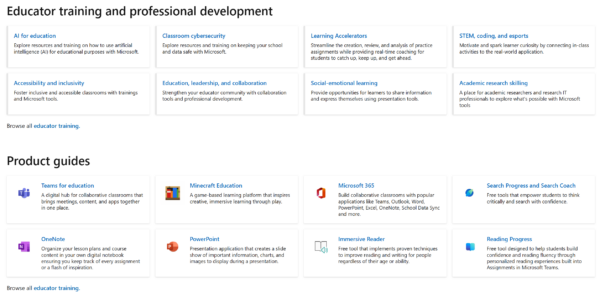
These content pieces not only enhance the user experience by providing timely, relevant information but also serve as potent long-tail SEO assets, attract organic traffic for highly specific queries, reduce the burden on support teams, and ultimately strengthen customer retention. Companies like Microsoft, with their extensive Educator Center, product guides, and community resources, exemplify a holistic approach to post-conversion content, ensuring users are supported at every stage. Similarly, Nike’s product care and styling tips extend the value of their physical products, fostering long-term engagement.
Strategic Internal Linking and Content Distribution: Keeping Users Engaged
Creating valuable post-conversion content is only half the battle; ensuring its discoverability is equally crucial. This content should not exist in isolation but be strategically linked, surfaced, and reused across the entire digital ecosystem. Effective internal linking strategies transform disparate articles into a cohesive web of information, improving user flow and SEO performance:
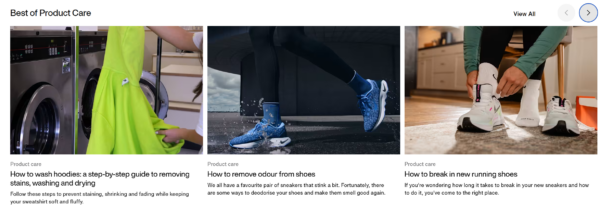
- Contextual Internal Links: Integrate links to relevant help documentation, tutorials, or FAQs directly within product pages, feature descriptions, blog posts, and even error messages. For example, a product page discussing a complex feature should link to a detailed "how-to" guide for that feature.
- Onboarding Flows and Email Sequences: Incorporate links to relevant setup guides, introductory videos, or "getting started" articles within automated onboarding email sequences or in-app messages.
- Prominent Knowledge Base/Help Center Access: Ensure the help center is easily accessible from the main navigation, footer, and within user dashboards or account areas.
- "Related Articles" and "Recommended Content" Sections: Implement dynamic sections that suggest relevant content based on the user’s current page or browsing history, encouraging deeper exploration.
- Search Bar Integration: Ensure the internal search bar is prominent and delivers highly relevant results, making it easy for users to find answers quickly.
- Call-to-Actions (CTAs) within Content: Guide users to the next logical step, whether it’s exploring another feature, contacting support, or engaging with the community.
- Cross-Promote in Support Channels: Customer support agents should be trained to link to relevant knowledge base articles when answering queries, reinforcing the discoverability of self-help content.
When executed effectively, this robust internal linking architecture transforms post-conversion content into a powerful internal SEO web, significantly improving user engagement, building confidence in product usage, and distributing link equity across the site.
Beyond Rankings: Why Supporting Existing Users is Good SEO and Good Business
The argument for post-conversion SEO transcends mere search engine rankings; it fundamentally aligns with sound business principles. An SEO strategy that exclusively targets acquisition is inherently incomplete and leaves significant revenue and growth opportunities on the table. Post-conversion content plays a pivotal role in:
- Maximizing Customer Lifetime Value (CLTV): By enabling users to derive more value from products, reducing friction, and resolving issues proactively, businesses foster long-term loyalty and increase the likelihood of repeat purchases, upgrades, and sustained subscriptions. This directly translates into higher CLTV.
- Building Brand Equity and Reputation: A brand that consistently provides comprehensive support and makes its products easy to use cultivates a reputation for reliability, customer-centricity, and quality. This positive brand equity influences future purchasing decisions and word-of-mouth referrals.
- Creating a Defensible Competitive Moat: In competitive markets, a superior post-conversion experience, driven by discoverable and helpful content, can become a significant differentiator. It’s harder for competitors to replicate a deeply embedded, customer-focused content ecosystem than it is to outbid on keywords.
- Informing Product Development: The insights gathered from post-conversion search queries, support tickets, and feature usage data can directly inform product development roadmaps, leading to enhancements that address real user needs and pain points.
In essence, SEO is not merely about discovery; it is about usability, confidence, and ensuring users not only show up but stay. To build truly long-term, defensible growth in the digital age, businesses must shift their focus from an acquisition-only mindset to one that embraces the entire customer lifecycle, leveraging SEO at every touchpoint.
Taking Action: Auditing and Optimizing Post-Conversion Content
For organizations ready to embrace this expanded view of SEO, the initial step involves a thorough audit of existing post-conversion content. This entails mapping out the critical moments after a signup or purchase and evaluating whether users receive adequate, easily discoverable support at each stage. Businesses should:
- Map the Customer Journey: Document the key stages a user goes through after conversion, identifying potential friction points and information needs at each step.
- Inventory Existing Content: Catalog all current help articles, FAQs, tutorials, and support documentation.
- Perform a Content Gap Analysis: Compare existing content against identified user needs and internal search queries to pinpoint missing or inadequate resources.
- Optimize for Search Intent: Ensure all post-conversion content is optimized for the specific long-tail queries users employ when seeking solutions or guidance. This includes keyword research focused on informational and navigational intent.
- Enhance Discoverability: Implement robust internal linking strategies, prominent calls-to-action, and integrate content directly into relevant product pages and user interfaces.
- Regularly Update and Maintain: Post-conversion content must be kept current to reflect product updates, new features, and evolving user needs.
By embracing this holistic approach, businesses can transform their SEO strategy from a pure acquisition engine into a powerful tool for customer retention, satisfaction, and sustainable organic growth, ultimately strengthening their digital presence and bottom line. The future of SEO lies not just in bringing users to the door, but in ensuring they thrive once they’re inside.