rifanmuazin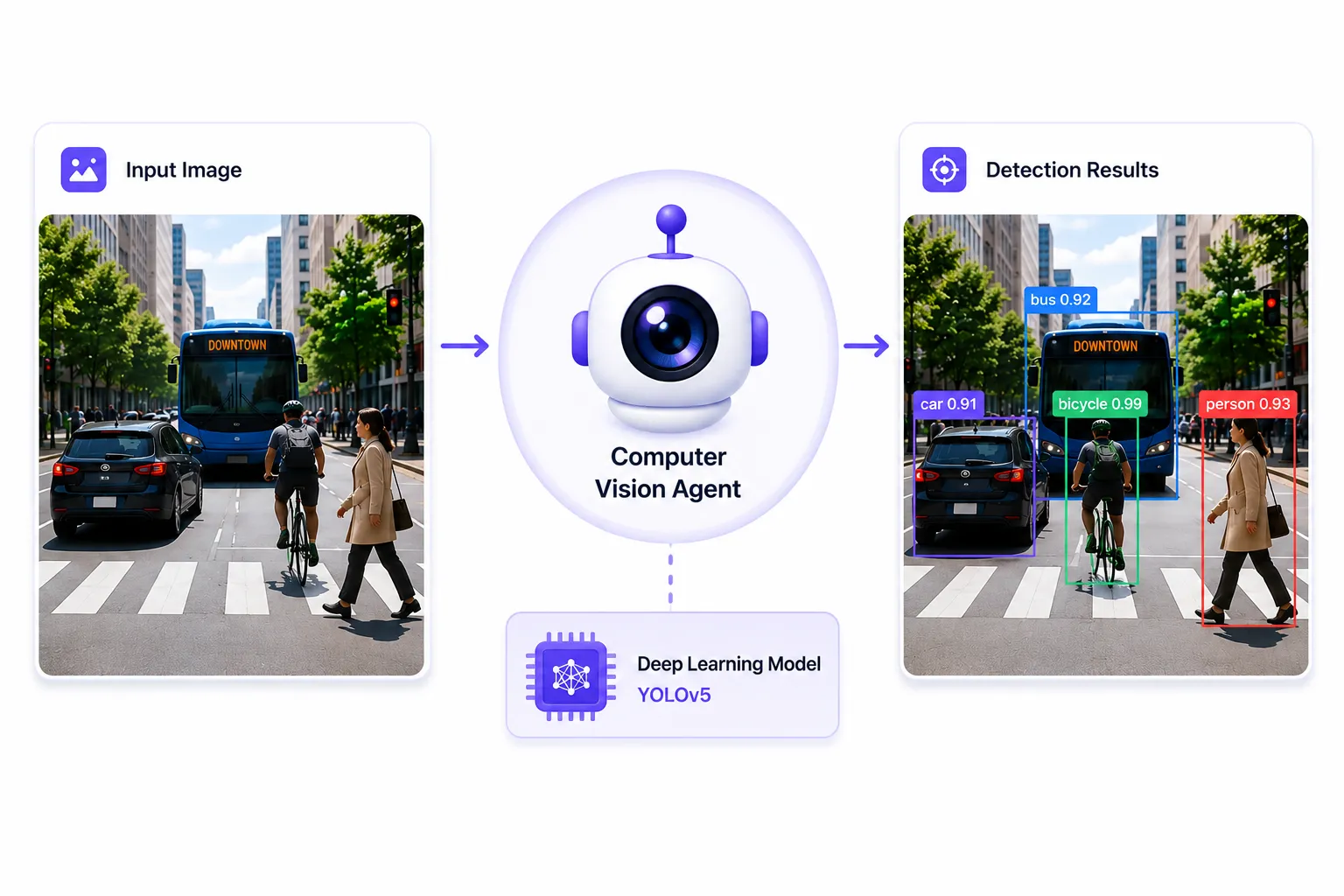
The landscape of artificial intelligence is currently undergoing a fundamental shift from passive large language models (LLMs) to autonomous AI agents capable of planning, executing, and refining complex tasks with minimal human intervention. As the industry pivots toward "agentic workflows," the demand for engineers who can design and deploy these systems has reached an all-time high. Unlike traditional software, AI agents represent a convergence of machine learning, tool-use integration, and reasoning loops, making them the new frontier for practical AI application. Building these agents provides hands-on experience in solving real-world problems, ranging from automating software development to predicting industrial equipment failures.
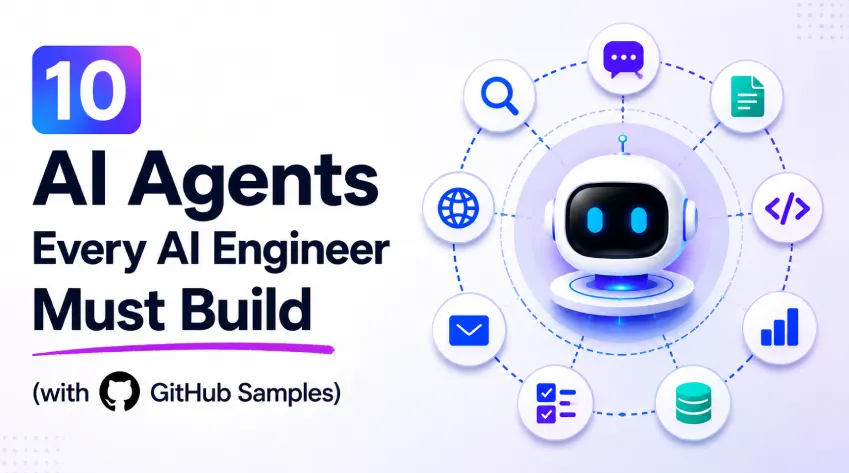
The Evolution of the Autonomous Agent Economy
To understand why building these specific agents is critical, one must look at the broader context of AI development. In 2022, the focus was primarily on generative capabilities—text and image creation. By 2023, the industry moved toward Retrieval-Augmented Generation (RAG) to ground models in factual data. In 2024 and 2025, the focus has sharpened on "agency." According to recent industry reports from Gartner, by 2028, at least 15% of daily work decisions will be made via autonomous AI agents. This transition necessitates a new set of skills for engineers: mastering the "Perception-Planning-Action" loop.
1. The Recommendation Agent: Personalizing User Experience
Recommendation agents are the backbone of modern digital commerce and media. These systems go beyond simple keyword matching, utilizing collaborative filtering and deep learning to predict user preferences. By building a recommendation agent, engineers learn how to handle high-dimensional data and implement reinforcement learning to improve suggestions over time.
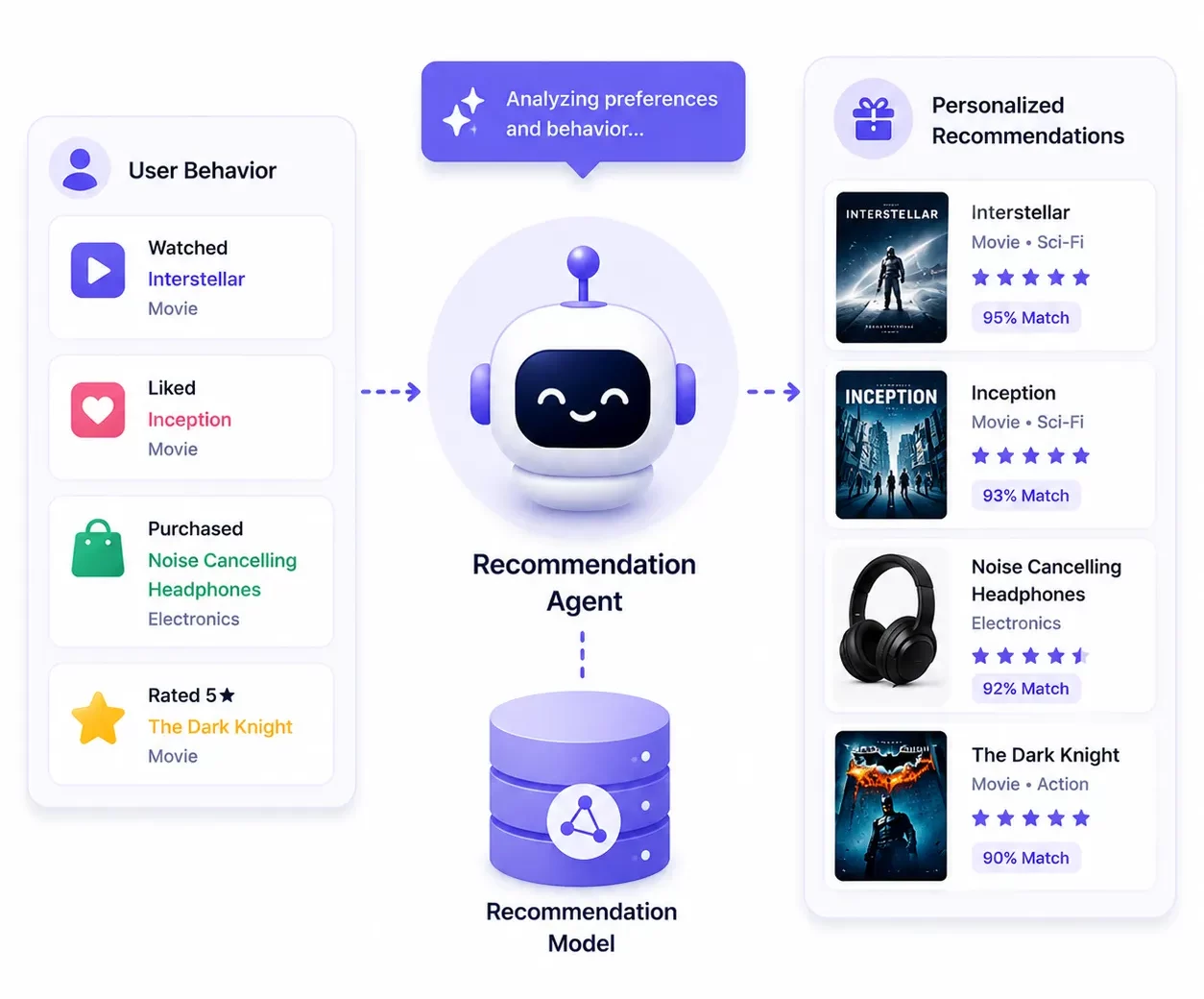
For practical implementation, Microsoft’s "Recommenders" repository on GitHub serves as the industry standard. It provides a comprehensive suite of tools for building and evaluating recommendation systems.
- Key Skills: Collaborative filtering, matrix factorization, and evaluation metrics like MAP and NDCG.
- Market Context: The global recommendation engine market is expected to reach $17.30 billion by 2030, driven by the need for hyper-personalization in e-commerce.
2. The Coding Agent: Automating the Development Lifecycle
Coding agents represent one of the most advanced applications of agentic AI. Unlike simple autocomplete tools, these agents can navigate entire codebases, identify bugs, write unit tests, and even execute debugging cycles. The "swe-agent" project on GitHub is a prime example, demonstrating how an AI can resolve GitHub issues autonomously.
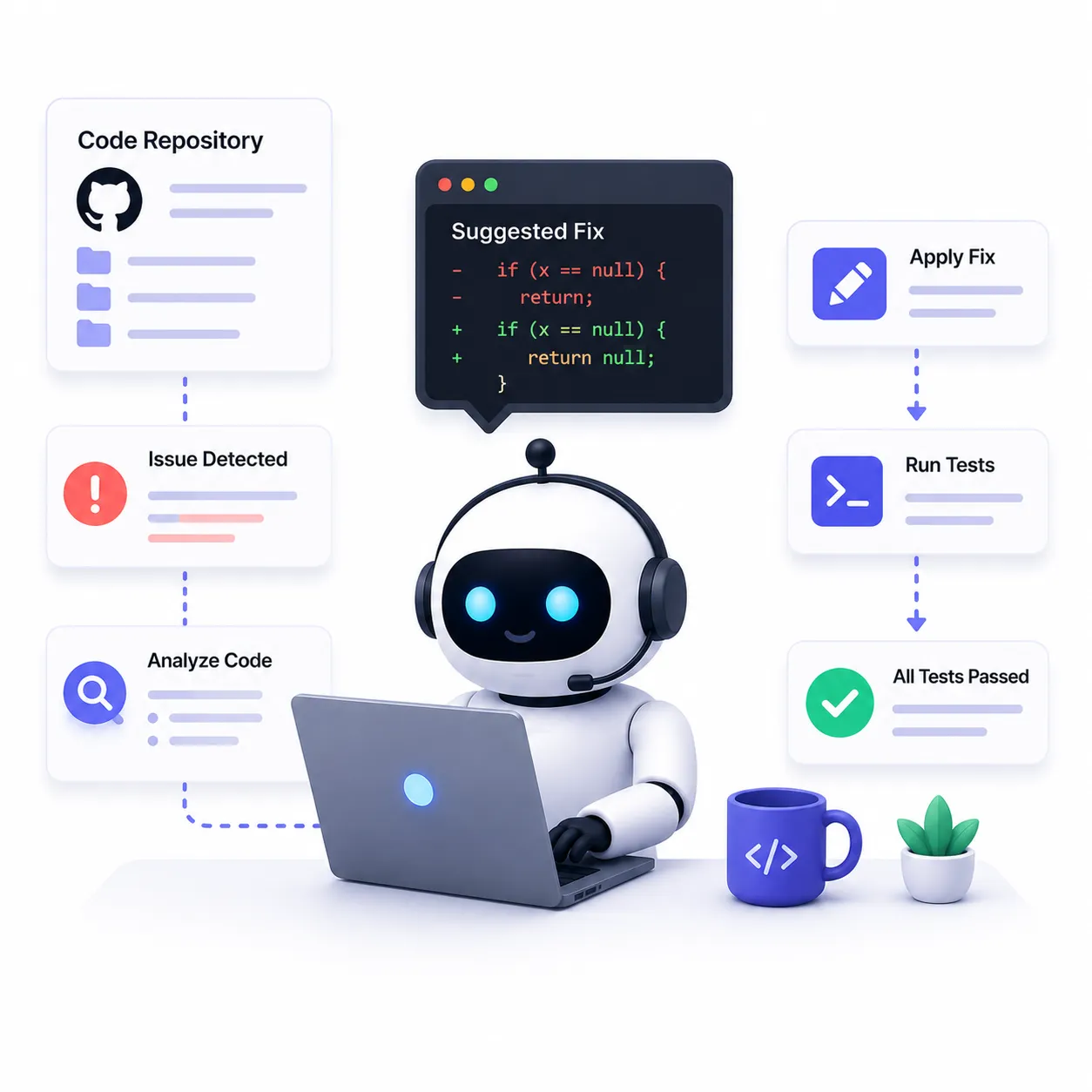
- Key Skills: Repository mapping, code parsing, and automated test execution.
- Impact: Coding agents are significantly reducing the "technical debt" of corporations by automating routine refactoring tasks.
3. The AI Research Agent: Synthesizing Global Knowledge
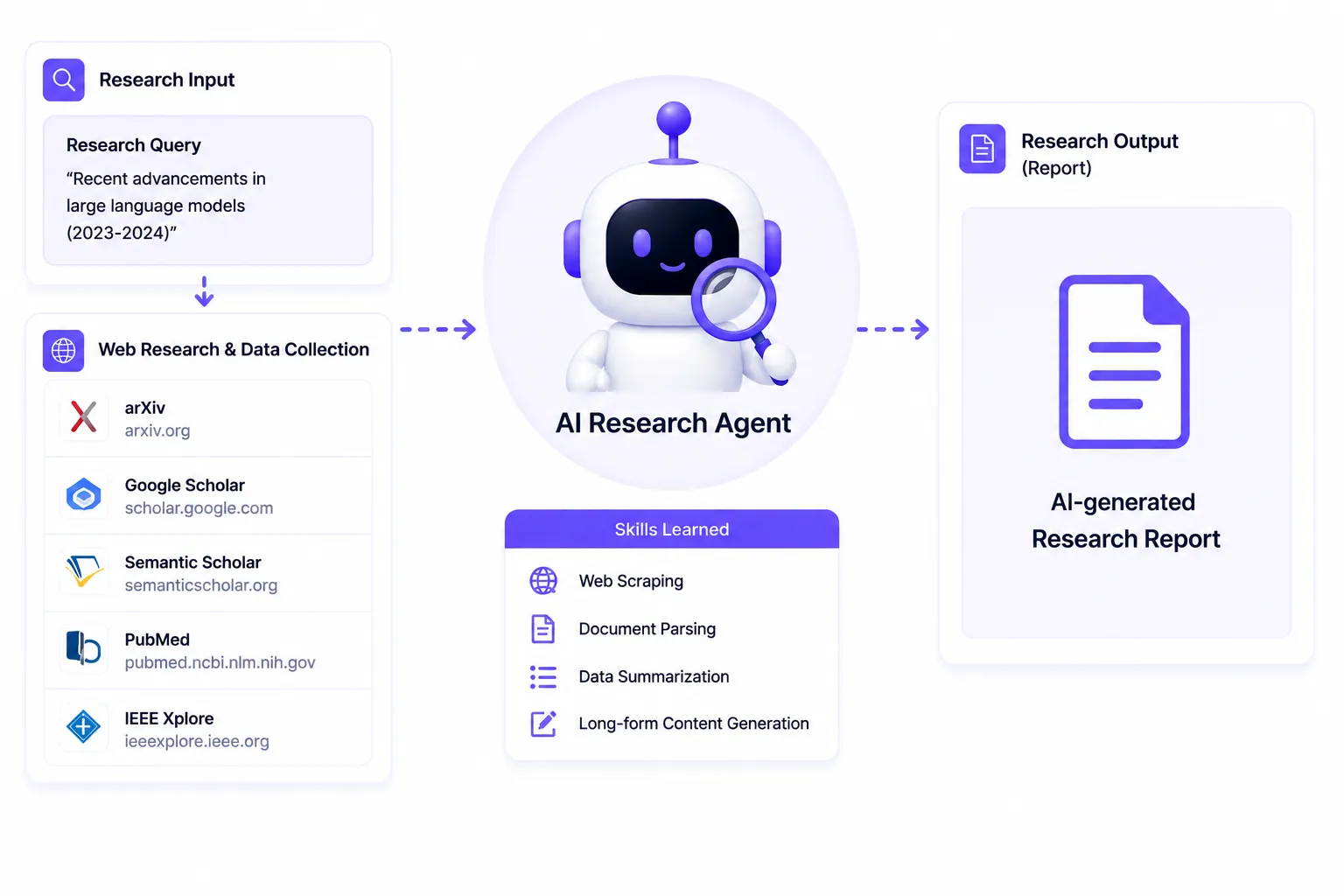
The sheer volume of scientific literature published daily makes it impossible for human researchers to stay updated. An AI Research Agent is designed to scrape the web, gather academic papers, and synthesize findings into coherent reports. The "gpt-researcher" repository illustrates how an agent can perform multi-step research tasks, ensuring that the final output is grounded in verified sources.
- Key Skills: Web scraping, information synthesis, and multi-agent orchestration.
- Analysis: These agents are becoming vital in the pharmaceutical and legal industries, where rapid data synthesis can lead to competitive advantages.
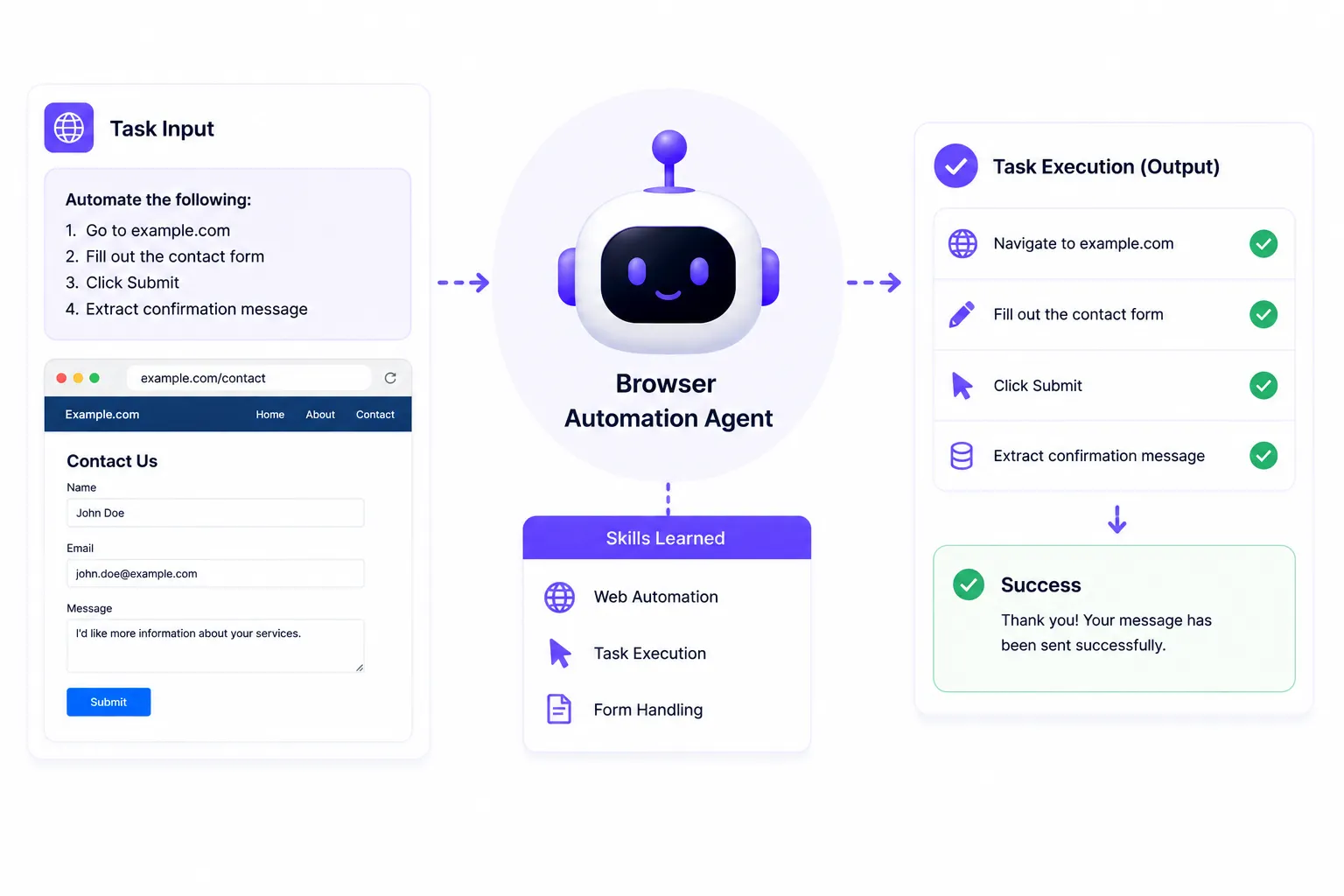
4. The Browser Automation Agent: Navigating the Digital World
Browser automation agents bridge the gap between AI and the legacy web. Many enterprise tasks require interacting with websites that do not have APIs. An agent built using the "browser-use" framework can fill out forms, click through complex UI elements, and extract data programmatically.
- Key Skills: DOM manipulation, visual reasoning, and state management.
- Chronology: This represents the next stage of Robotic Process Automation (RPA), moving from brittle, script-based bots to flexible, AI-driven navigators.
5. The Document Q&A / RAG Agent: Intelligent Knowledge Management
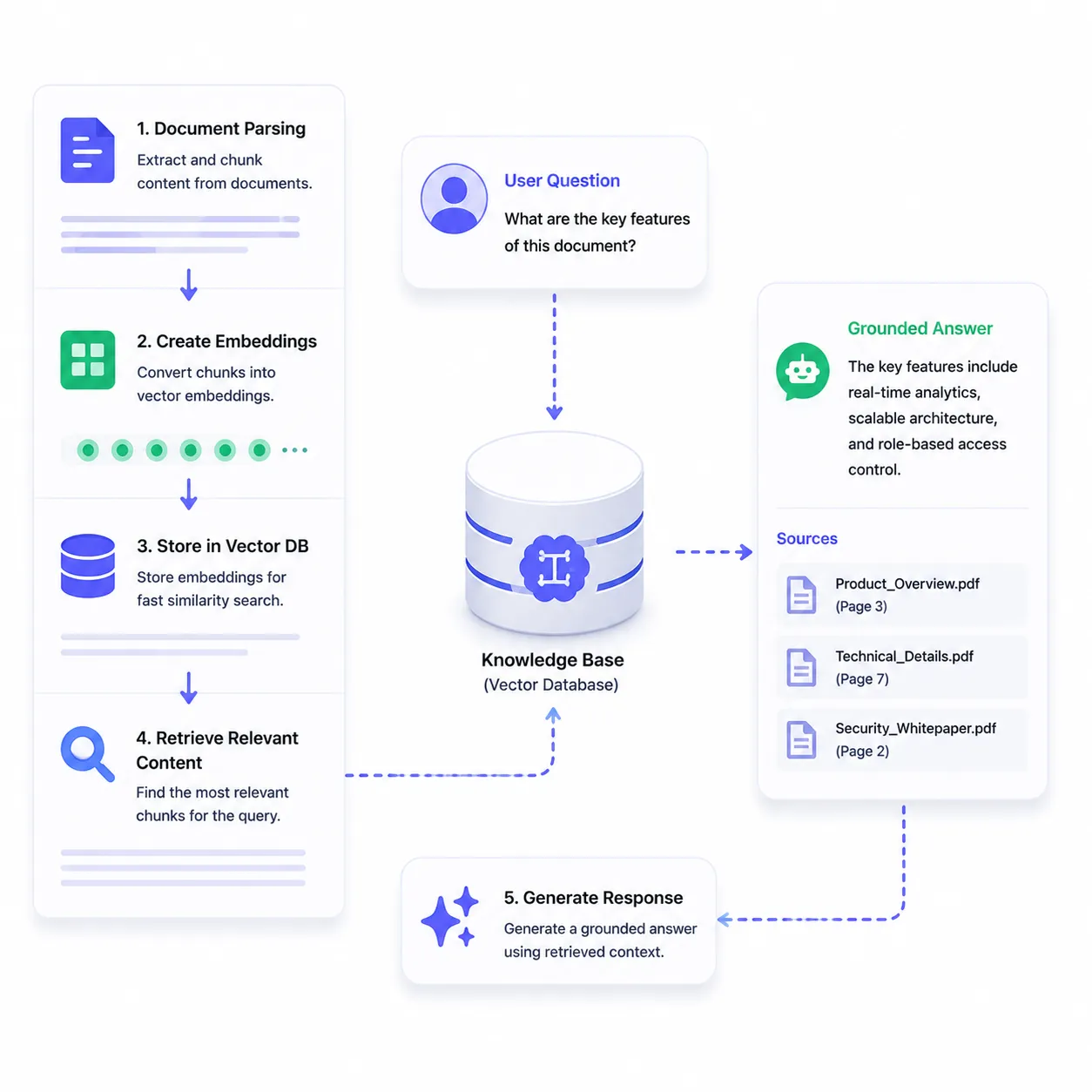
Retrieval-Augmented Generation (RAG) remains a cornerstone of enterprise AI. A RAG agent allows users to query vast internal databases and receive answers backed by specific document citations. The "RAG-Anything" GitHub project provides a blueprint for building these "knowledge assistants."
- Key Skills: Vector database management (Pinecone, Milvus), embedding generation, and prompt engineering.
- Data Point: Organizations using RAG agents report a 30-40% increase in employee productivity when searching for internal technical documentation.
6. The Customer Support Agent: Resolving Complex Inquiries
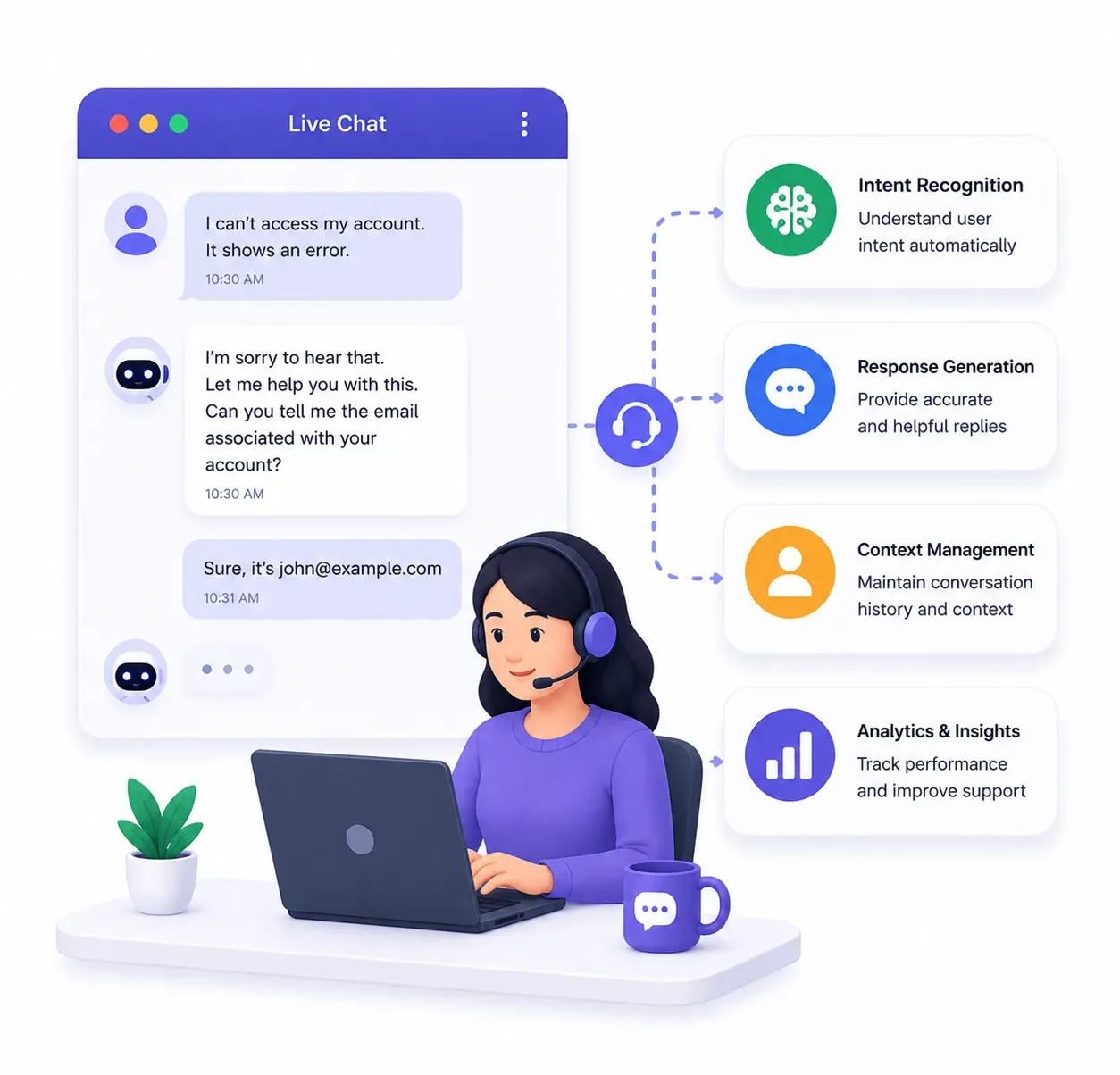
Modern customer support agents have moved past simple decision trees. Using frameworks like Rasa’s "Helpdesk Assistant," engineers can build agents that handle natural language queries, maintain context over long conversations, and integrate with CRM systems to resolve issues without human intervention.
- Key Skills: Dialogue management, intent recognition, and API integration.
- Official Response: Major tech leaders, including Salesforce CEO Marc Benioff, have stated that the future of CRM lies in "Agentforce," where autonomous agents handle the majority of customer interactions.
7. The Personal AI Assistant: Orchestrating Daily Productivity
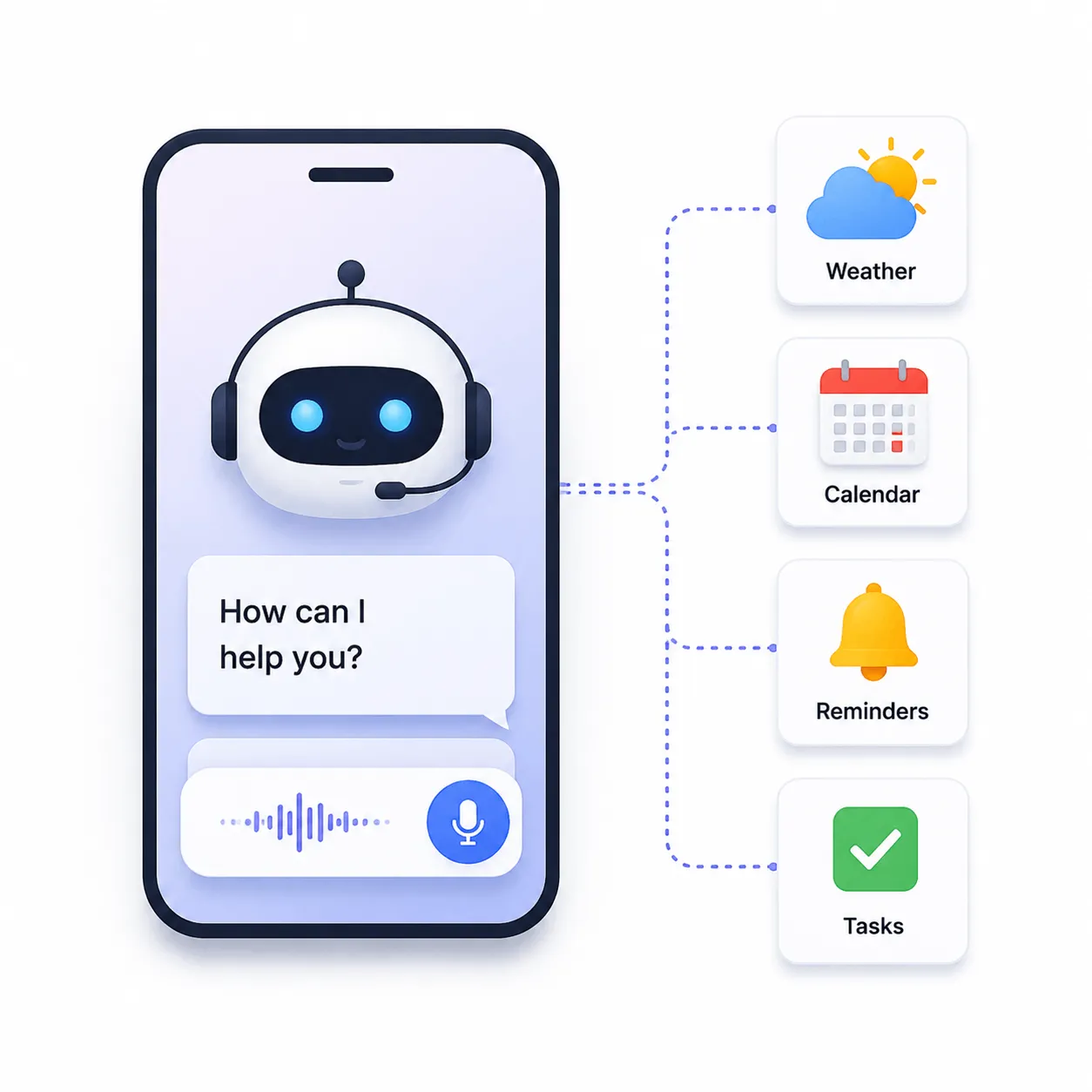
A personal assistant agent acts as a digital concierge. It integrates with calendars, emails, and weather APIs to manage a user’s life. The "QwenPaw" repository provides a foundation for building assistants that respond to both voice and text, demonstrating how to handle real-time API triggers.
- Key Skills: Natural Language Understanding (NLU), speech-to-text, and task scheduling.
- Future Implications: As these assistants become more integrated into mobile OS environments, they will move from "apps" to "operating system features."
8. The Predictive Maintenance Agent: Industrial Intelligence
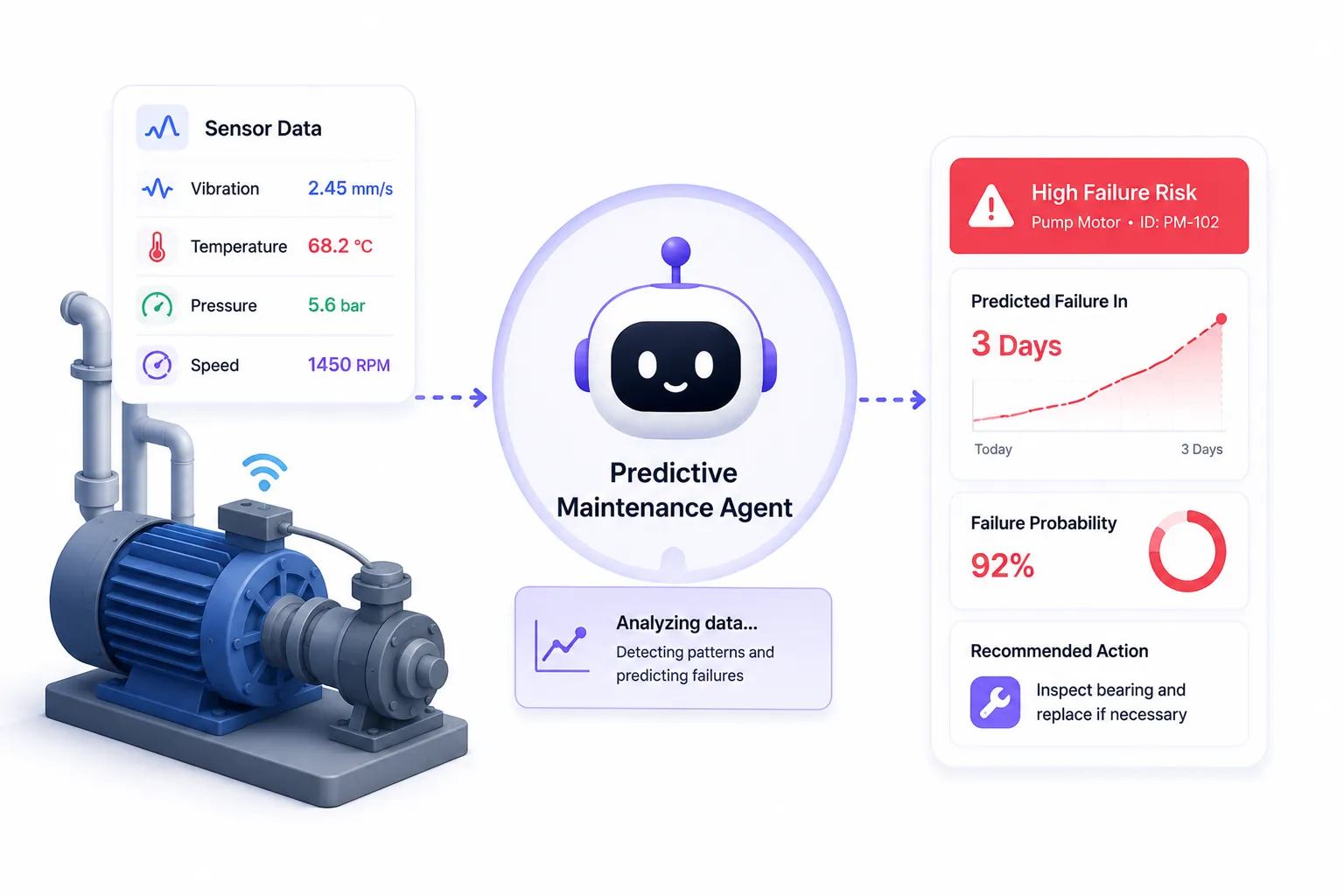
In the manufacturing sector, downtime is extraordinarily expensive. A predictive maintenance agent analyzes sensor data (temperature, vibration, pressure) to predict when a machine is likely to fail. The "awslabs" predictive maintenance repository offers a machine-learning-based approach to anomaly detection.
- Key Skills: Time-series forecasting, anomaly detection, and IoT data processing.
- Supporting Data: According to Deloitte, predictive maintenance can reduce maintenance costs by 25% and unplanned downtime by up to 50%.
9. The Computer Vision Agent: Visual Perception and Action
Computer vision agents process visual data to identify objects or monitor environments. Using "YOLOv5" (You Only Look Once), engineers can build agents capable of real-time object detection for security, autonomous vehicles, or quality control in factories.
- Key Skills: Convolutional Neural Networks (CNNs), image preprocessing, and real-time inference.
- Context: Visual agents are the "eyes" of the autonomous world, essential for everything from retail analytics to medical imaging.
10. The Financial Trading Agent: Market Analysis and Execution
Financial trading agents use historical data and reinforcement learning to execute trades in volatile markets. The "FinRL" framework on GitHub provides a sandbox for training agents to maximize returns while managing risk through automated decision-making.
- Key Skills: Reinforcement learning, financial modeling, and risk assessment.
- Analysis: While high-frequency trading has existed for years, agentic AI allows for more nuanced "sentiment-based" trading by analyzing news and social media in real-time alongside price charts.
A Chronology of AI Agent Development
The path to current agentic capabilities has been marked by several key milestones:
- Late 2022: The release of ChatGPT proved that LLMs could follow complex instructions.
- Early 2023: The "AutoGPT" and "BabyAGI" experiments showed the potential for self-looping prompts, though they often suffered from infinite loops.
- Late 2023: The emergence of specialized frameworks like LangChain and CrewAI allowed for structured multi-agent collaboration.
- 2024-2025: The industry standardized "Tool-use" (Function Calling), enabling agents to interact with the physical and digital world reliably.
Market Implications and Professional Growth
The shift toward AI agents is not merely a technical trend; it is an economic one. As companies move away from "human-in-the-loop" systems toward "human-on-the-loop" oversight, the role of the engineer changes. Engineers are no longer just writing code; they are designing "brains" that write code and perform tasks.
Industry experts suggest that the "agentic engineer" must possess a multidisciplinary skill set. This includes traditional software engineering (for API integrations), data science (for model fine-tuning), and product management (for defining the agent’s constraints and goals).
Strategic Analysis: Where to Begin?
For engineers looking to enter this space, the recommended path is one of increasing complexity. Starting with a Document Q&A (RAG) Agent or a Personal Assistant provides a solid foundation in LLM interaction and API usage. These projects offer immediate utility and clear success metrics.
Once the basics of prompt engineering and retrieval are mastered, the next logical step is Browser Automation or Coding Agents. These require a deeper understanding of state management and error handling—critical components of any robust autonomous system. Finally, specialized agents like Predictive Maintenance or Financial Trading bots allow engineers to apply AI to specific, high-value industrial niches.
The transition to an agent-centric world is inevitable. By building these ten agents, engineers do more than just add lines to a resume; they develop the architectural mindset required to build the next generation of autonomous infrastructure. The repositories provided offer the code, but the real value lies in the engineering intuition gained through the process of trial, error, and optimization.