Reynand Wu
For businesses that have established a presence on Google Ads and are looking to broaden their digital advertising reach, Microsoft Advertising presents a compelling and often underestimated opportunity. Formerly known as Bing Ads, this platform offers a familiar yet distinct landscape for advertisers. While its interface and core functionalities bear a strong resemblance to Google Ads, understanding its unique characteristics and strategic nuances is crucial for successful campaign execution and maximizing return on investment. This guide delves into the essential considerations for advertisers venturing into the Microsoft Advertising ecosystem, from foundational campaign setup to navigating platform-specific differences and understanding its learning curve.
The Strategic Imperative of Diversification in Digital Advertising
The digital advertising arena is characterized by its dynamic nature and the constant pursuit of optimal audience engagement and conversion. While Google Ads commands a significant market share, relying solely on one platform can expose businesses to risks associated with algorithm changes, increased competition, and the potential for missed opportunities. Microsoft Advertising, powered by the Bing search engine and its network of partner sites, offers a substantial and often less saturated audience. As of the latest available data, Microsoft Search Network (which includes Bing, Yahoo, and DuckDuckGo) captures a significant portion of the search market, particularly in certain demographics and professional sectors. This makes it a valuable secondary channel for achieving broader market penetration and diversifying ad spend.
Embracing Search Campaigns as the Foundation
For advertisers transitioning from Google Ads, the most logical and recommended entry point into Microsoft Advertising is through search campaigns. These campaigns form the bedrock of most paid search strategies, mirroring the fundamental principles of keyword targeting, ad creation, and bid management. While leveraging existing Google Ads campaigns as a reference point is a sensible starting strategy, a direct copy-paste approach is rarely optimal. Microsoft’s user base, while overlapping with Google’s, exhibits distinct behavioral patterns and search queries. Therefore, a careful review and adaptation of keyword lists, ad copy, and landing page strategies are essential.
A key distinction to focus on when adapting search campaigns is the strategic segmentation of keywords into "brand" and "non-brand" categories.
- Brand Campaigns: These campaigns target users who are actively searching for a specific company name or branded products and services. They are typically characterized by higher intent and lower cost-per-acquisition. For Microsoft Advertising, ensuring that your branded terms are accurately captured and that your ads are compellingly positioned is paramount for protecting brand visibility and capturing high-quality leads.
- Non-Brand Campaigns: These campaigns focus on broader keywords related to the products or services offered, targeting users in the earlier stages of the buyer’s journey who may not yet be familiar with a specific brand. Optimizing non-brand campaigns on Microsoft Advertising requires a deep understanding of user search intent within the platform’s ecosystem. Analysis of search term reports specific to Microsoft can reveal nuances in how users phrase their queries, leading to more effective keyword expansion and negative keyword refinement.
Furthermore, the judicious use of match types (Broad Match, Phrase Match, and Exact Match) is critical. While Google Ads has seen shifts in Broad Match behavior, Microsoft Advertising’s approach, while evolving, often allows for more predictable performance with Broad Match when combined with robust negative keyword lists. Phrase and Exact Match continue to be essential for precise targeting and budget control. A thorough analysis of the search query reports within Microsoft Ads can provide invaluable insights into how users are finding your ads, enabling you to refine match types and identify new keyword opportunities.
The Criticality of Patience: Navigating the Learning Curve
A common pitfall for advertisers new to Microsoft Advertising is the expectation that its performance will mirror that of their Google Ads campaigns immediately. This often stems from the integrated reporting systems that can sometimes blur the lines between the two platforms. However, it is imperative to recognize that Microsoft Advertising operates on a different data set and with a smaller overall search volume, which significantly impacts its learning period.
While a typical learning period for Google Ads campaigns might range from two to four weeks, depending on budget and conversion volume, Microsoft Advertising often requires a longer gestation period. Advertisers should realistically anticipate a learning phase of four to eight weeks, and in some cases, even longer, particularly for campaigns with smaller budgets or lower conversion volumes. This extended learning period is a direct consequence of the reduced search query volume on the platform. The algorithms need more data points to accurately assess user behavior, optimize ad delivery, and refine bidding strategies for maximum efficiency.

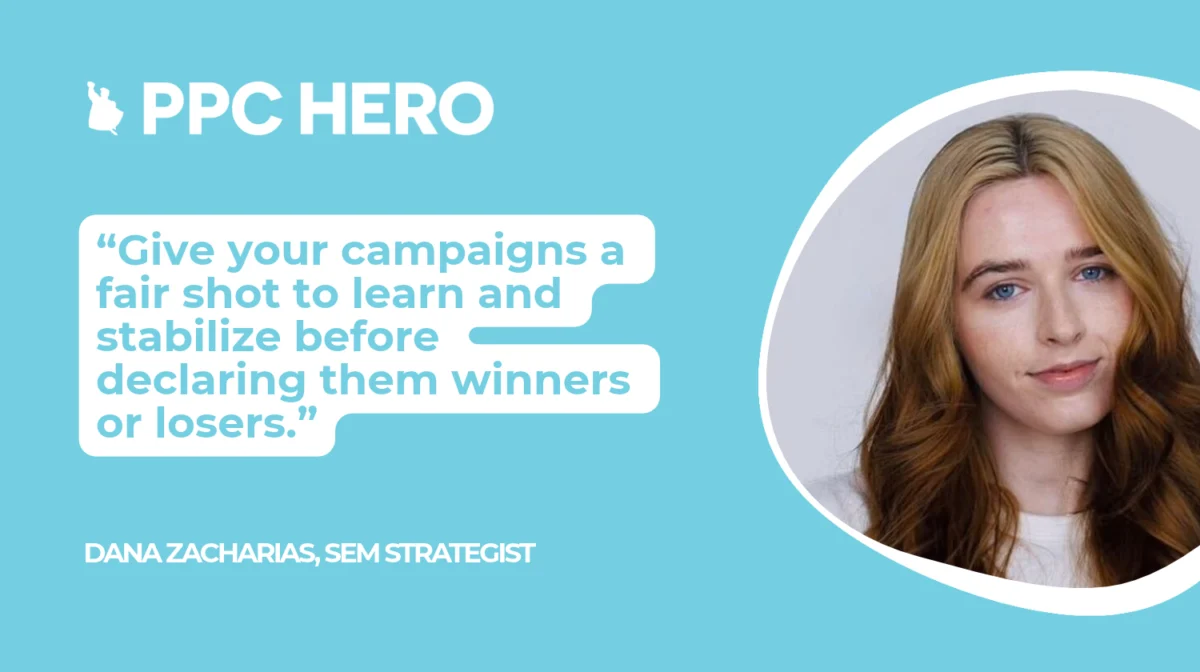
During this crucial learning phase, it is strongly advised to resist the temptation to make frequent or drastic changes to bids and budgets. Making significant adjustments prematurely can disrupt the algorithm’s learning process, hindering its ability to establish stable performance patterns. This period can be frustrating for advertisers accustomed to seeing rapid results, but it is essential to grant Microsoft Advertising the necessary time to learn and stabilize. Maintaining a steady hand, allowing the campaigns to gather data organically, and focusing on incremental optimizations based on emerging trends will ultimately lead to more sustainable and predictable success.
Understanding Notable Platform Differences and Unique Offerings
While Microsoft Advertising shares many similarities with Google Ads, it also boasts unique features and subtle yet impactful differences that can influence campaign strategy and performance.
-
Performance Max and AI Max: Microsoft Advertising has introduced campaign types like Performance Max (PMax) and AI Max, which aim to replicate the automated, goal-driven approach of their Google Ads counterparts. These AI-powered campaign types leverage machine learning to optimize across various ad formats and channels to achieve specific business objectives. However, it is crucial to remember that these tools are built on different technological infrastructures and are trained on distinct data sets. The audience size they serve is also smaller than that of Google’s PMax. Therefore, advertisers should approach these campaign types with a cautious testing strategy, allocating smaller budgets initially and closely monitoring performance before scaling.
-
Audience Ads: A prime example of a unique offering within the Microsoft Ads platform is Audience Ads. This campaign type allows advertisers to reach users across the Microsoft Audience Network, which includes a wide array of websites and apps beyond traditional search results. This enables advertisers to engage with potential customers based on their interests, demographics, and browsing behavior, offering a powerful avenue for prospecting and remarketing. Similar to other AI-driven features, testing Audience Ads with a conservative budget is recommended to understand their efficacy for specific target audiences and campaign objectives.
Beyond these specific campaign types, several overarching differences can impact campaign management:
- Auction Dynamics and Competition: The competitive landscape on Microsoft Advertising can differ significantly from Google Ads. While certain keywords might be highly contested on Google, they may present more cost-effective opportunities on Microsoft. This can translate to lower cost-per-click (CPC) and potentially higher return on ad spend (ROAS) for well-optimized campaigns. However, the lower volume means that capturing a significant share of the available impressions requires a strategic approach to bidding and targeting.
- Audience Demographics: While precise demographic breakdowns can vary by industry and campaign, Microsoft Advertising is often perceived to reach a slightly older and more affluent audience compared to Google Ads. This can be particularly advantageous for businesses targeting specific professional demographics or those selling higher-value products and services.
- Ad Extensions: While Microsoft Ads offers a comprehensive suite of ad extensions similar to Google Ads (e.g., Sitelink, Callout, Structured Snippet, Image Extensions), their implementation and performance can vary. It is essential to ensure that all relevant extensions are enabled and optimized for the Microsoft platform, as they can significantly enhance ad visibility and click-through rates.
- Reporting and Analytics: While the interface is similar, understanding the nuances in Microsoft Ads reporting is crucial. Familiarize yourself with the available metrics, segmentation options, and how they correlate with campaign performance. Tools like the campaign performance report, search term report, and audience insights can provide valuable data for optimization.
Strategic Planning for Microsoft Advertising Success
To effectively leverage Microsoft Advertising, a structured approach to planning and execution is essential.
- Objective Setting: Clearly define the goals for your Microsoft Advertising campaigns. Are you looking to increase overall lead volume, drive website traffic, improve brand awareness, or acquire new customers? Aligning your objectives with the platform’s capabilities will guide your strategy.
- Audience Research: While general demographic trends exist, conduct specific research into the audience segments that are most active and engaged on the Microsoft Search Network and its partner sites relevant to your industry.
- Keyword Strategy Refinement: Adapt your Google Ads keyword lists, focusing on brand and non-brand segmentation. Conduct thorough keyword research within the Microsoft Ads platform to identify unique opportunities and variations in search queries. Implement a robust negative keyword strategy to prevent wasted ad spend.
- Ad Copy and Landing Page Optimization: Craft compelling ad copy that resonates with the Microsoft Advertising audience. Ensure that your landing pages are relevant, user-friendly, and optimized for conversions. A/B testing ad variations is crucial for identifying the most effective messaging.
- Budget Allocation and Bidding Strategy: Determine a realistic budget for your Microsoft Advertising campaigns, considering the longer learning period. Implement a bidding strategy that aligns with your objectives, whether it’s maximizing clicks, conversions, or target ROAS.
- Continuous Monitoring and Optimization: Regularly monitor campaign performance, paying close attention to key metrics such as click-through rate (CTR), conversion rate, cost per conversion, and ROAS. Utilize the insights gained from search term reports and audience data to make informed optimizations to keywords, bids, ad copy, and targeting.
- Leveraging Unique Features: Explore and test Microsoft Advertising’s unique offerings, such as Audience Ads, to expand your reach and engage with new customer segments.
The Broader Impact: Diversification as a Growth Engine
Expanding into Microsoft Advertising is more than just adding another advertising channel; it’s a strategic move towards building a more resilient and diversified digital marketing ecosystem. By tapping into a distinct user base and leveraging a platform that often offers more cost-effective opportunities, businesses can achieve incremental growth and reduce their reliance on a single dominant player. The insights gained from managing campaigns on Microsoft Advertising can also inform and refine strategies across other platforms, fostering a more holistic understanding of the digital advertising landscape. As the digital marketing world continues to evolve, embracing platforms like Microsoft Advertising is not just an option but a necessity for sustained success and competitive advantage.


 Nana Wu
 Asro