

The landscape of digital marketing is constantly evolving, yet one channel continues to demonstrate remarkable resilience and effectiveness: SMS marketing. Providing e-commerce stores with a direct, immediate line to opted-in customers, SMS reaches individuals on the device they check most frequently, often within seconds of a message being sent. Recent analysis underscores the channel’s significant, though uneven, profitability, with automated texts proving exponentially more lucrative than one-off campaigns.
The Power of Automation: A Data-Driven Insight
According to Omnisend’s authoritative 2026 E-commerce Marketing Report, which analyzed 321 million messages sent in 2025, automated SMS messages generated an impressive $0.74 per send. In stark contrast, one-off, manually scheduled campaigns returned a mere $0.15 per send over the same period. This five-fold difference in return highlights the strategic imperative for e-commerce businesses to prioritize and optimize automated SMS workflows. The report’s findings serve as a cornerstone for marketers looking to either initiate an SMS marketing program or revitalize a stagnant one, emphasizing the mechanics, compliance rules, and optimal flows for maximizing return on investment.
Defining SMS Marketing in the Digital Age
At its core, SMS marketing is a permission-based communication channel that facilitates sending text messages directly to consumers. These messages typically fall into three distinct categories: promotional, transactional, and conversational. The fundamental principle underpinning all SMS marketing is explicit consent, which serves as the legal bedrock for any outgoing message and distinguishes it from mass-media advertising.
One of SMS marketing’s most compelling advantages is its status as an "owned" marketing channel, a rare commodity in an era dominated by social media platforms and their volatile algorithms. Unlike dependent channels, brands retain complete control over timing, targeting, and messaging, ensuring direct access to their audience without fear of sudden content suppression. This direct line, alongside email, solidifies SMS as a reliable and proprietary communication asset for businesses.
The acronym SMS, or Short Message Service, denotes plain text messages. This is distinct from Multimedia Messaging Service (MMS), which allows for the inclusion of rich media such as images, GIFs, and videos, offering a more visually engaging experience. However, the foundational principles of consent and direct delivery remain consistent across both formats.
The Mechanics of Mobile Engagement
SMS marketing operates by routing text messages from a dedicated marketing platform through mobile carrier networks to the recipient’s device. The process is deceptively simple: a brand partners with an SMS marketing platform (like Omnisend), cultivates a list of opted-in subscribers, and leverages the platform to dispatch messages.
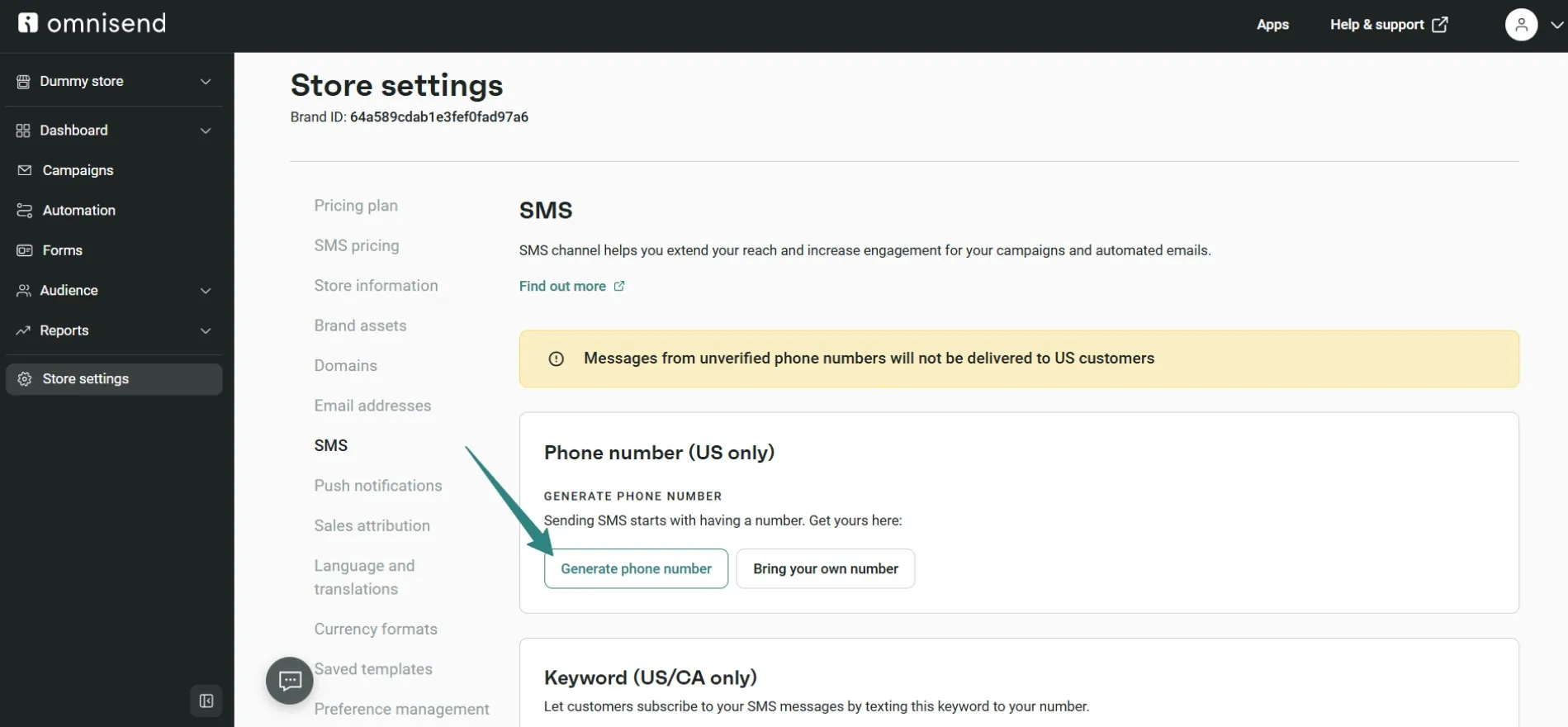
A crucial initial step for new adopters involves selecting the appropriate sending number. Options typically include:
- Short Codes: Five or six-digit numbers, often used for high-volume campaigns, recognized for speed and reliability, but generally more expensive.
- 10-Digit Long Codes (10DLC): Standard local phone numbers that offer two-way communication, providing a more personal touch, and increasingly regulated for business use.
- Toll-Free Numbers: These can be used for both inbound and outbound messaging, often preferred for broader reach and ease of recognition.
Once configured, messages travel through SMS gateways—the technological bridges connecting marketing platforms to mobile carriers—and are delivered directly to subscribers’ native messaging applications. This direct delivery mechanism ensures that most SMS messages arrive within seconds, making the channel exceptionally effective for time-sensitive promotions, critical updates, and urgent communications.
Categorizing SMS: Promotional, Transactional, and Conversational
A nuanced understanding of the three primary types of SMS marketing—promotional, transactional, and conversational—is crucial for effective strategy and legal compliance. These categories differ significantly in their consent requirements, triggers, and timing. Importantly, consent for one type does not automatically extend to another.
| Type | Consent Required | What Triggers It | Timing | Example |
|---|---|---|---|---|
| Promotional | Express written consent for marketing | Scheduled by sender, or behavior rule | Scheduled, or triggered by behavior | Flash sale, back-in-stock |
| Transactional | Implied by purchase; marketing consent separate | Customer’s action on store | Within seconds of event | Order confirmation, shipping update |
| Conversational | Marketing consent, plus monitored reply path | Customer replies, or agent opens thread | Ongoing, paced by exchange | Sizing question before checkout |
1. Promotional SMS: Designed to drive commercial action, promotional SMS requires explicit written consent prior to sending. These messages are ideal for sales announcements, product launches, flash deals, and exclusive offers. They can be deployed as one-off campaigns or integrated into behavior-triggered automations. Common use cases include welcome offers, cart recovery incentives, new product alerts, and loyalty program updates. The Omnisend report underscores the superior performance of behavior-triggered promotional texts, with automated messages earning $0.74 per send compared to $0.15 for regular campaigns.
2. Transactional SMS: Triggered by a customer’s specific action, transactional SMS provides essential information related to their order or account. These messages are purely informational, and customers generally anticipate them. A critical legal distinction is that consent for transactional messages does not confer permission for promotional texts. Examples include order confirmations, shipping updates, delivery notifications, and password reset links. If a customer has separately opted into promotional messages, businesses can strategically pair transactional updates with subtle post-purchase cross-sells or upsells.
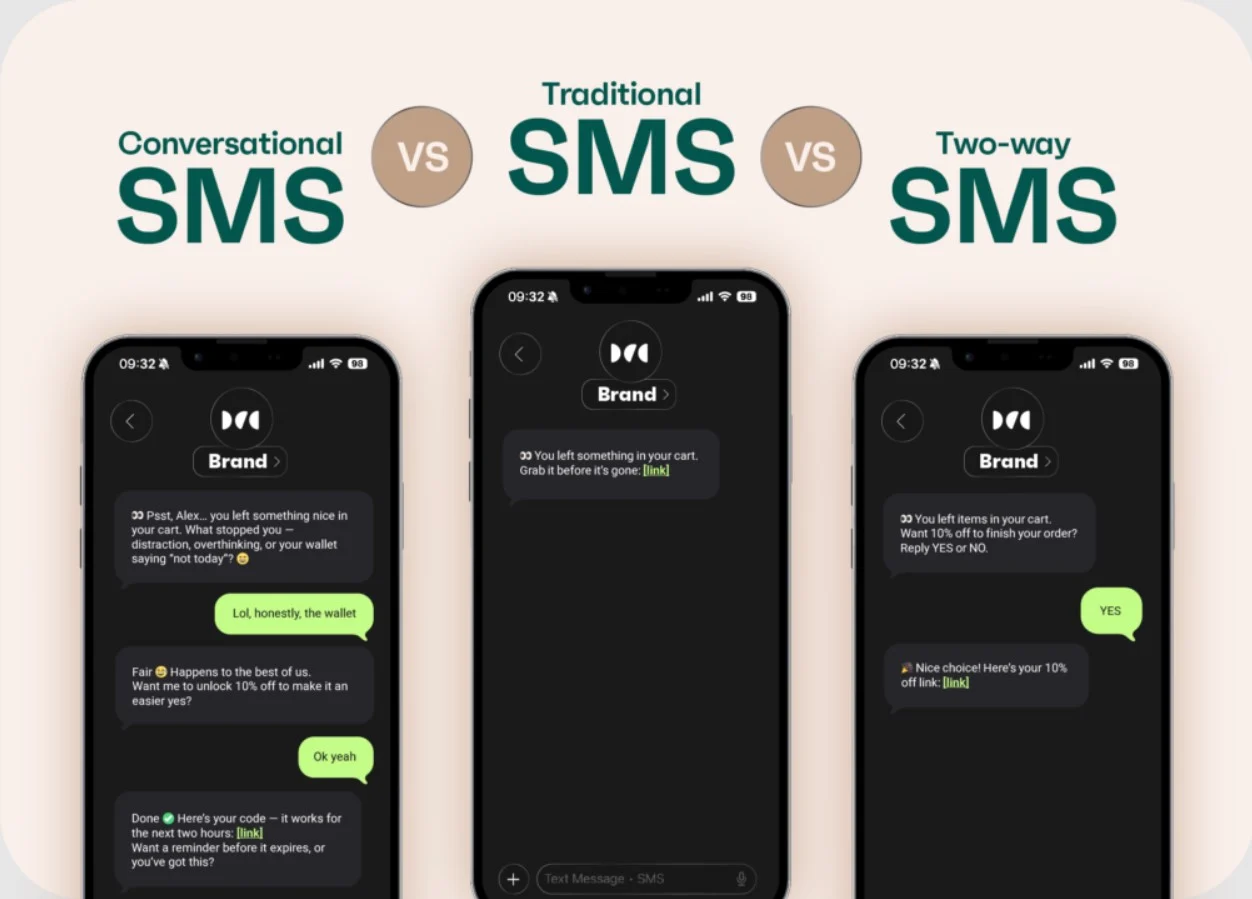
3. Conversational SMS: This type involves a two-way dialogue where each message dynamically adapts to the customer’s previous reply, often managed by a human agent or a sophisticated AI system. Unlike traditional one-way promotional texts or two-way messages governed by fixed keyword rules, conversational SMS interprets the response to guide the ongoing exchange. Due to the monitoring cost, conversational SMS is typically reserved for high-value interactions, such as pre-sale sizing inquiries or VIP customer support, where a personalized live reply significantly enhances the customer experience.
Why SMS Marketing Works: Benefits and 2026 Benchmarks
SMS marketing’s efficacy stems from its ability to reach an opted-in audience instantly, delivering messages that are highly relevant when triggered by specific customer behaviors. These core benefits are clearly reflected in recent benchmarks:
| Benchmark | Figure | What it tells you |
|---|---|---|
| Revenue per automated send | $0.74 | Triggered messages are the highly profitable segment of the channel. |
| Revenue per campaign send | $0.15 | Scheduled sends still yield returns, but at roughly one-fifth the rate of automated messages. |
| Click-to-conversion, automated | 3.81% | Triggered sends convert significantly higher than scheduled ones, indicating stronger intent. |
| Click-to-conversion, campaigns | 0.97% | Represents the global average for scheduled sends. |
| Delivery rate, campaigns vs automated | 96.6% and 92.8% | Most texts reach their destination, though long-running flows may see slight dips, necessitating list cleaning. |
Sourced from Omnisend’s “SMS marketing statistics: Key data for 2026” report, covering 321 million SMS messages sent in 2025.
The striking five-to-one revenue gap between automated and campaign sends is primarily attributable to timing and intent. An automated text, triggered by an abandoned cart or a back-in-stock alert for a desired item, intercepts a shopper precisely when their intent is highest. The message acts as a timely nudge, supporting a decision they are already contemplating. Conversely, a scheduled campaign arrives on the brand’s timeline, not necessarily aligning with the shopper’s immediate needs or desires.
While click figures can sometimes be influenced by factors like bot activity (as noted by a Q4 operating system update inflating SMS click volumes), revenue per send remains a robust and reliable metric for strategic planning, as it does not depend on click tracking. This metric unequivocally makes the strongest case for scaling SMS marketing efforts, particularly those focused on automation.
Illustrative SMS Marketing Examples
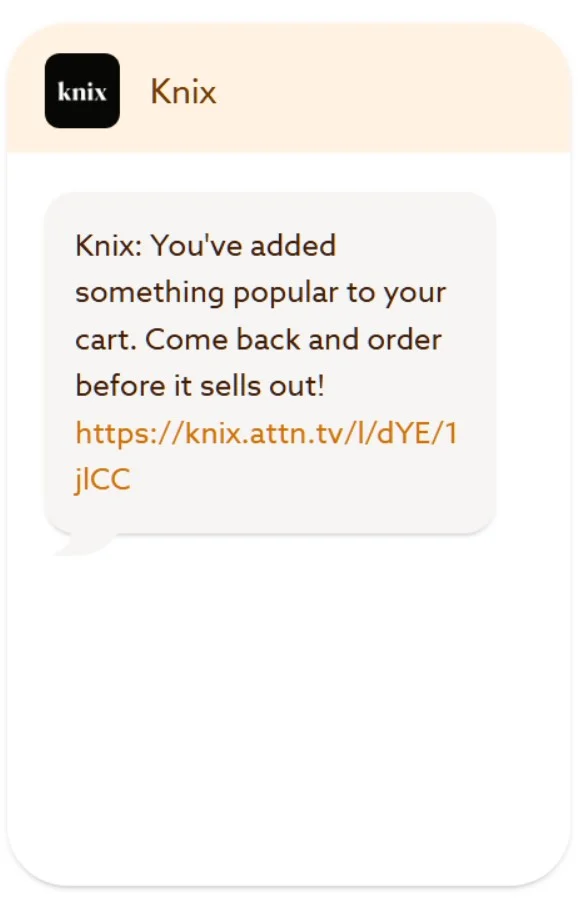
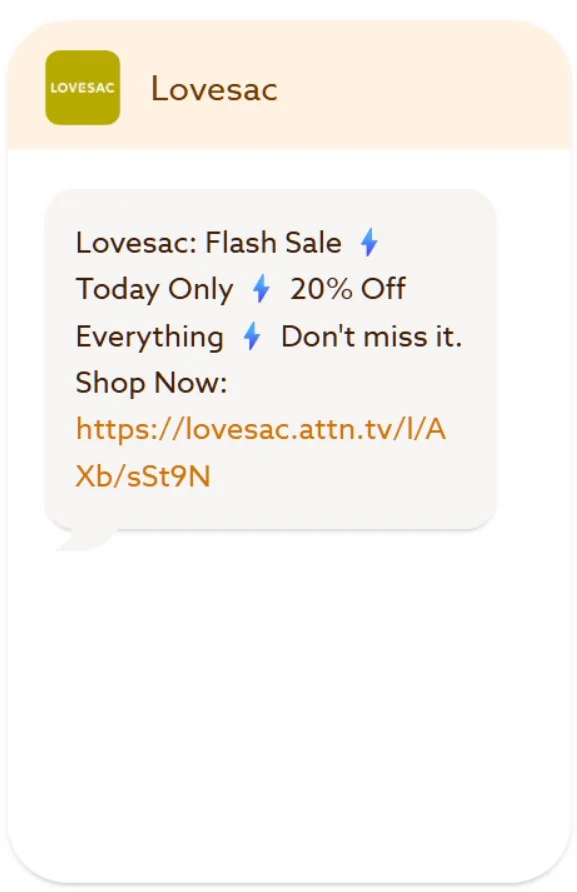
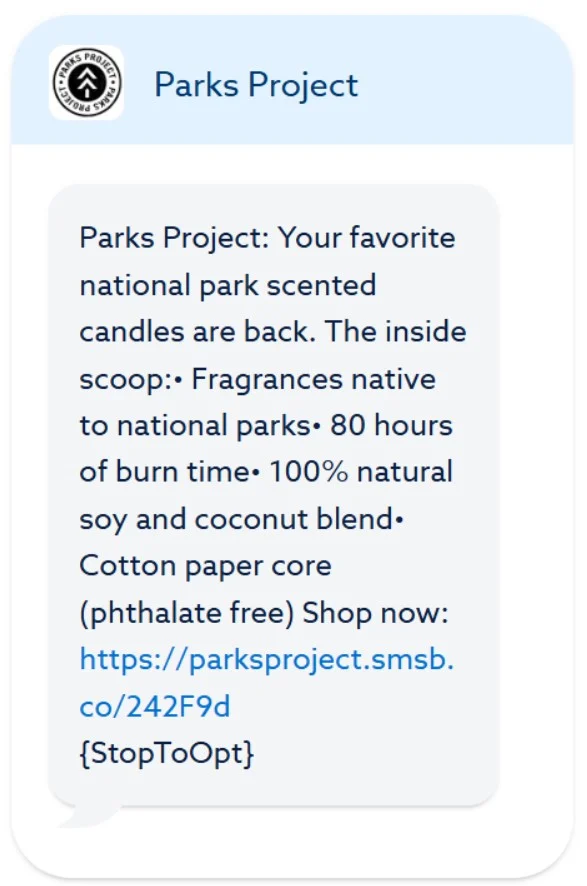
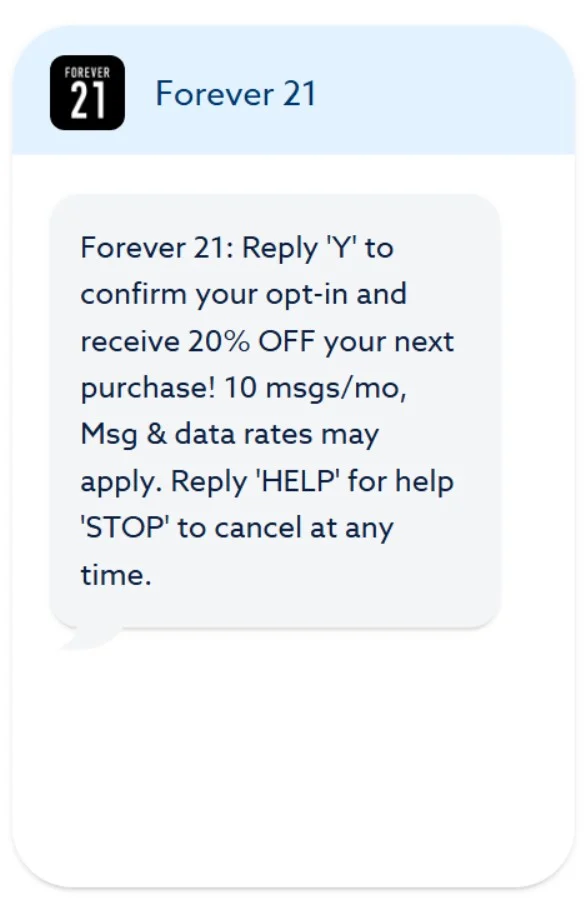
Effective SMS marketing messages are characterized by clarity, conciseness, and a singular call to action. They avoid overwhelming the recipient with choices or lengthy content. Here are six practical examples demonstrating effective SMS use cases:
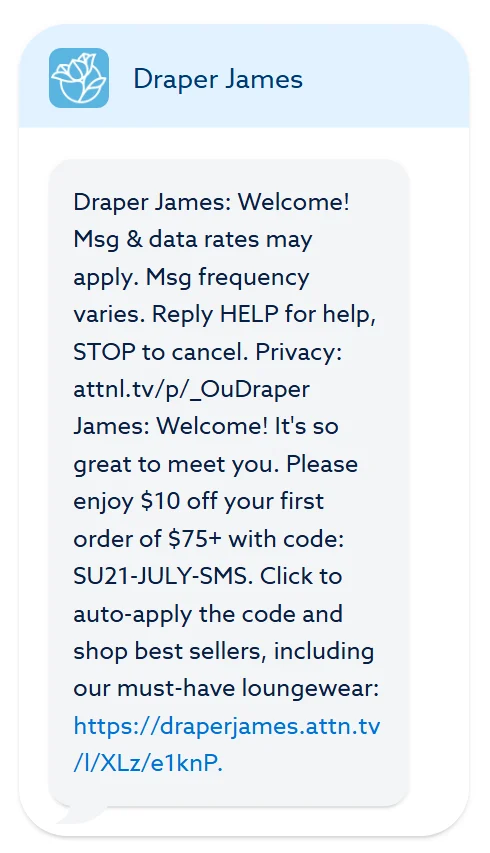
- Welcome SMS: Delivers the promised incentive (e.g., a discount code) immediately upon subscription. Best practice dictates auto-applying the code to minimize friction.
- Abandoned Cart SMS: Reminds shoppers of items left in their cart, often incorporating scarcity tactics and a direct link to checkout. Simplicity and directness are key.
- Flash Sale SMS: Conveys an urgent offer with a clear deadline and a direct shopping link. Brevity is paramount for driving immediate action.
- Back-in-Stock SMS: Alerts high-intent shoppers about the return of a desired item, often subtly re-selling the product within the message to refresh interest.
- Opt-in Confirmation SMS + Promotion: Confirms subscription, sets clear expectations regarding message frequency, and provides a reward for opting in, along with explicit opt-out instructions.
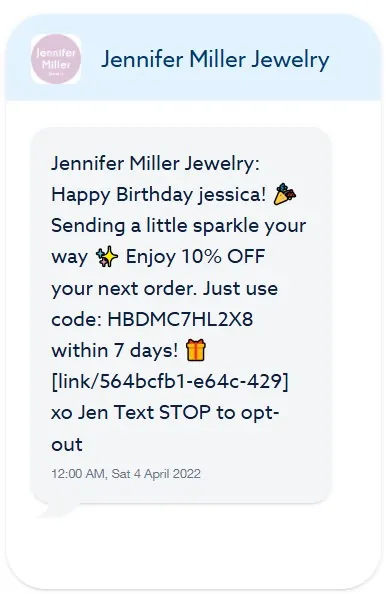
- Birthday SMS: A personalized message offering a discount or special gift to celebrate a customer’s birthday, often with a short expiry to encourage prompt use.
These examples highlight how SMS effectively handles everyday e-commerce interactions, from initial engagement to conversion and retention. For broader applications, including product launches, win-back campaigns, and seasonal promotions, numerous other SMS use cases exist.
Crafting an SMS Marketing Strategy: A Six-Step Launch Plan
Developing a robust SMS marketing strategy involves defining clear goals, selecting the right message mix, ensuring compliance, and setting up automated flows. A critical, often time-consuming, preliminary step is securing and verifying a phone number, which can take up to two weeks in certain regions like the US and Canada.
Here’s a six-step approach to launching an SMS marketing program:
- Define Goals and Message Mix: Begin by clarifying the primary objective for SMS (e.g., cart recovery, new product announcements). Then, determine the balance between automated flows and manual campaigns. A common starting point is one weekly campaign complemented by two always-on automated flows. When selecting SMS marketing software, prioritize platforms that offer unified reporting across email and text to gauge overall revenue impact.
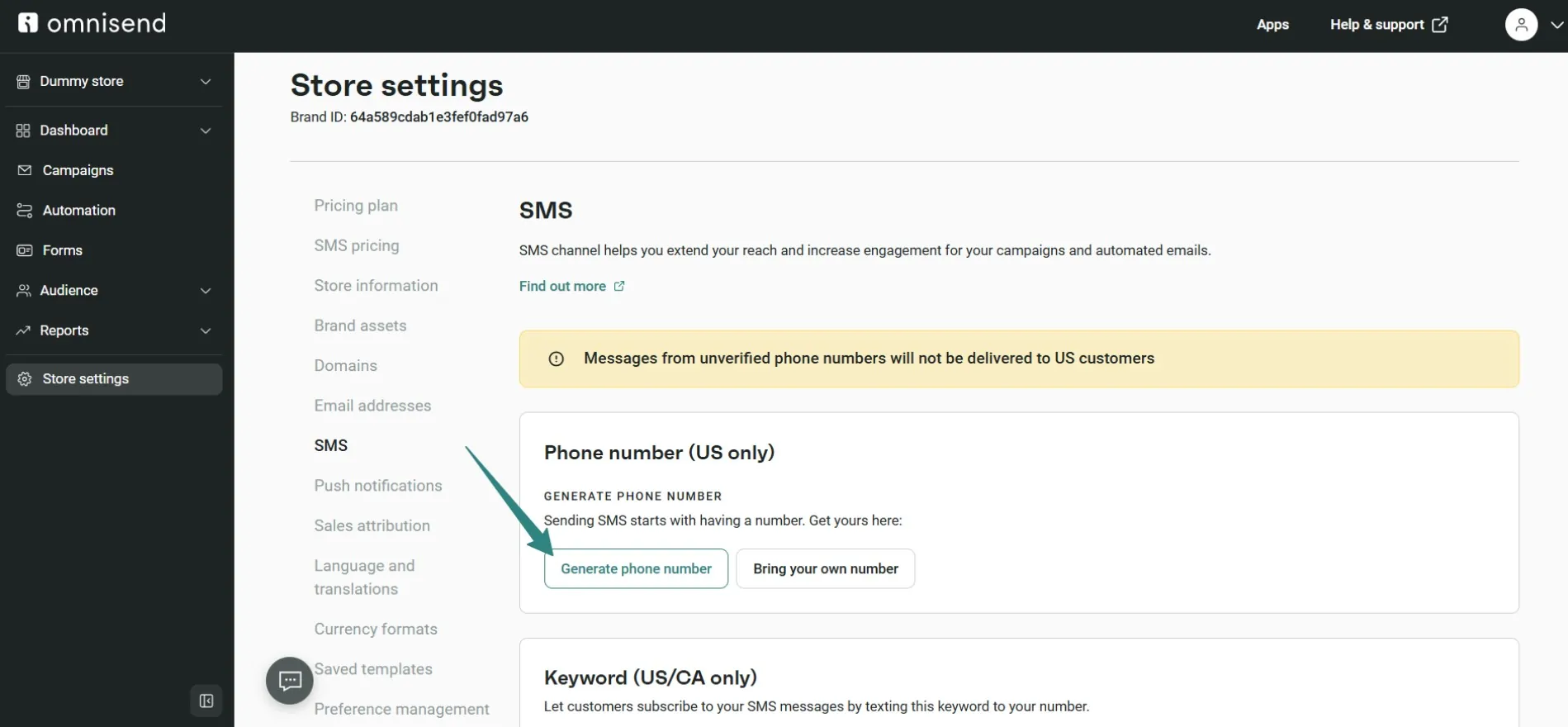
- Secure a Compliant Number and Verification: Choose between a short code, 10-digit long code (10DLC), or a toll-free number. For US and Canadian subscribers, toll-free numbers require mandatory verification before any messages can be sent, a process that can take five business days to two weeks. This step is non-negotiable, as unverified numbers will result in silent message failures. Also, ensure sufficient SMS credits are available, as a lack of funds will prevent campaigns from sending.
- Set Up Opt-in Collection: Implement clear and compliant opt-in mechanisms on your website, such as pop-ups or integrated checkout fields. Clearly state what subscribers will receive and offer a compelling incentive (e.g., a discount). Streamlining the sign-up process with fewer fields typically yields higher completion rates.
- Build Your First Automation: Start with high-impact, low-maintenance workflows like a welcome series or an abandoned cart reminder. These automated campaigns run continuously once activated, requiring minimal ongoing input, making them ideal for initial implementation.
- Send Your First Campaign: Prepare a concise, time-sensitive promotional message for your opted-in audience. Crucially, include your brand name at the beginning for immediate recognition and a clickable link, as clicks are a primary engagement signal for SMS. Adhere to proven SMS campaign structures and always include clear opt-out instructions.
- Review and Optimize: After launching, closely monitor key metrics such as delivery, click-through, and conversion rates. Use this data to iteratively refine send times, message copy, calls to action, and other elements. Data-driven adjustments are far more effective than speculative changes.
These steps form the foundation of an effective SMS marketing strategy for any e-commerce store.
SMS Marketing Automation: Prioritizing Key Flows
For maximum impact, prioritize building welcome and cart recovery automations, followed by browse abandonment and post-purchase flows. Omnisend’s 2026 report highlights that abandoned cart and welcome messages alone accounted for 76% of all automation-generated orders, underscoring their critical importance.
Given SMS’s character limitations and per-send cost, strategic channel allocation between SMS and email is vital. SMS excels at delivering concise, urgent messages, while email is better suited for longer content, detailed offers, or product education.
- Welcome Automation: Send an immediate SMS with the offer, code, and direct link to capitalize on high initial subscriber attention. Follow up with an email to share brand story or product details.
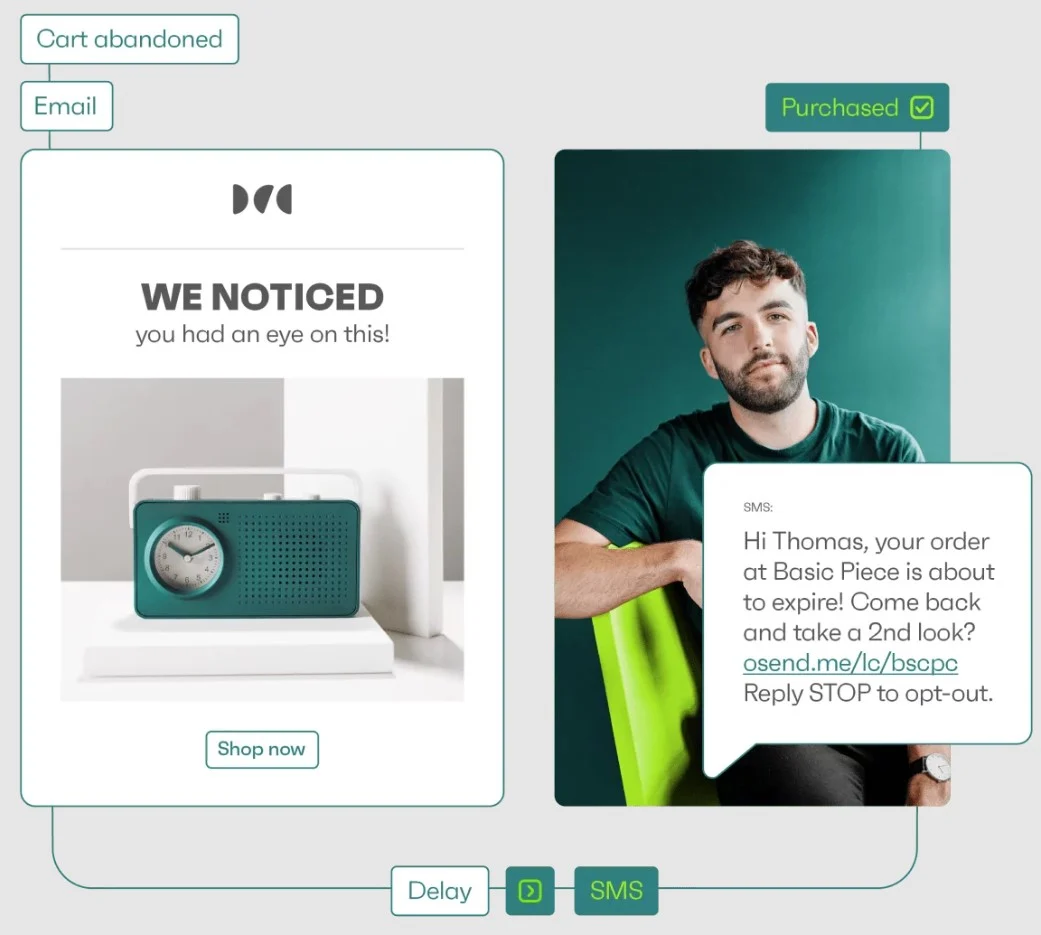
- Cart Recovery: Begin with an email that includes social proof, cart details, and recommendations. Follow with an SMS, ideally after a few hours, naming the abandoned item, providing an incentive if possible, and linking directly to checkout.
- Browse Abandonment: Given the weaker intent signal, email is generally preferred for gentle reminders. Reserve SMS for a last-resort if the email remains unread, and avoid automatic discounts to prevent conditioning shoppers to expect them.
- Post-Purchase: Use SMS exclusively for time-sensitive transactional updates (e.g., order, shipping confirmations). Longer content like review requests, care instructions, or cross-sells are better handled via email. Avoid immediate promotional SMS after a purchase to prevent appearing intrusive.
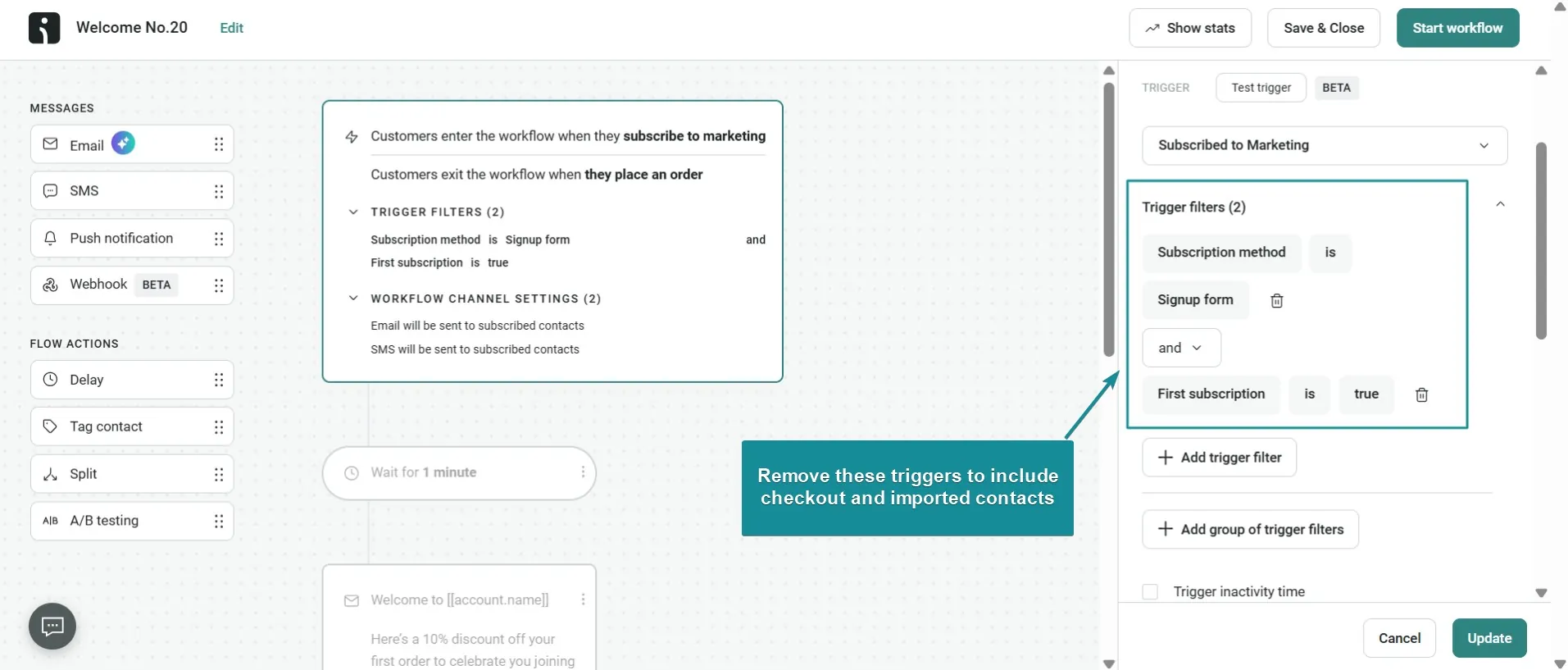
Building an effective abandonment flow involves selecting the correct trigger and setting an exit condition to stop messages once the shopper acts. Omnisend provides distinct triggers for abandoned cart (items added to cart but not purchased) and abandoned checkout (customer started checkout but didn’t complete). Exit conditions, such as a "placed order" or "started checkout" event, prevent overlapping communications. Crucially, verify that workflow filters are wide enough to capture all intended subscribers and run a test campaign to ensure correct functionality.
Building a Compliant SMS Subscriber List
The cornerstone of successful SMS marketing is a robust, compliant subscriber list built on explicit consent. Every subscriber must knowingly and unequivocally agree to receive text messages from your brand. This consent, along with a timestamp, must be logged for legal proof.
Five common channels for building an SMS subscriber list include:
- Website Pop-ups: High-converting forms that appear on your site.
- Embedded Sign-up Forms: Static forms integrated into website pages.
- Checkout Opt-ins: A field during the checkout process where customers can agree to receive SMS.
- Keywords: Customers text a specific word to a number to opt-in.
- Landing Pages: Dedicated pages designed to capture subscriber information.
Implementing a double opt-in process is highly recommended. After initial submission, the platform sends a confirmation text, requiring a second confirmation from the subscriber. This ensures a clean, highly engaged list and provides an additional layer of consent verification. An engaged subscriber list is directly correlated with higher conversion rates and reduced churn.
SMS Marketing Compliance and Legal Requirements
Compliance is non-negotiable in SMS marketing. Texting subscribers without explicit consent or failing to provide easy opt-out mechanisms can lead to substantial fines and carrier filtering, severely damaging deliverability. Regulations vary by country, but universal principles include obtaining consent before the first text, clearly identifying your brand, and honoring all opt-out requests immediately.
In the United States, the Telephone Consumer Protection Act (TCPA) mandates express written consent for marketing texts, which cannot be fulfilled by pre-checked boxes or implied opt-ins. Messages must also adhere to permitted sending hours (8 am to 9 pm local time, with stricter state-specific rules taking precedence).

Key compliance rules applicable globally include:
- Prior Express Consent: Always obtain clear, documented consent.
- Clear Opt-Out Instructions: Provide an easy way to unsubscribe in every message (e.g., "STOP to end").
- Brand Identification: Clearly state who is sending the message.
- Message Frequency: Be transparent about how often messages will be sent.
- Data Privacy: Protect subscriber data in accordance with privacy laws.
- "Do Not Call" Registry: Respect national "Do Not Call" registries, though SMS is often treated separately.
Managing compliance manually is prone to errors. Platforms like Omnisend offer TCPA-compliant opt-in flows and automated opt-out processing, significantly reducing risk for e-commerce businesses. This section serves as a general overview; specific legal advice should be sought from qualified professionals.
SMS Marketing Best Practices for Optimal Results
To maximize the effectiveness of SMS marketing, adhere to these best practices:
- Lead with Your Offer: Get straight to the point with compelling incentives.
- Respect Local Hours: Send messages within permissible local timeframes.
- Prioritize Automation: Leverage triggered flows over one-off campaigns for higher ROI.
- Maintain Reasonable Frequency: Avoid overwhelming subscribers to prevent opt-outs.
- Pair with Email: Integrate SMS into an omnichannel strategy, letting each channel play to its strengths.
- Personalize Messages: Use customer data to make messages more relevant.
- Include Clear CTAs: Guide recipients to a single, obvious action.
- Track Performance: Continuously monitor metrics to inform optimization.
- Segment Your Audience: Send targeted messages to specific customer groups.
As industry experts emphasize, instead of indiscriminately "blasting" audiences, a strategic omnichannel approach that selectively uses SMS to complement email, especially during product launches and holidays, is far more effective. This ensures SMS acts as an accelerant rather than a deterrent.
Measuring SMS Marketing Performance
Evaluating SMS marketing performance relies on six core metrics: delivery rate, click-to-sent rate, conversion rate, revenue per send, opt-out rate, and list growth rate.
| Metric | What it tells you | Healthy Range |
|---|---|---|
| Delivery rate | Percentage of texts that successfully reached a phone; drops indicate filtering or dead numbers. | 92.8% (automations), 96.6% (campaigns) |
| Click-to-sent rate | Percentage of sent texts that received a tap; low rates suggest issues with the offer or CTA. | 20.32% (automations), 12.38% (campaigns) |
| Conversion rate | Percentage of recipients who purchased after tapping the link; low rates may indicate landing page issues. | 21% to 30% |
| Revenue per send | Average money earned per message; crucial for weighing against cost. | $0.74 (automations), $0.15 (campaigns) |
| Opt-out rate | Percentage of unsubscribes; a rise often signals excessive sends or weak relevance. | Monitor for rises against your baseline |
| List growth rate | Speed at which subscriber count increases; a stall points to opt-in process needing work. | Positive and steady over time |
Sourced from Omnisend’s 2026 e-commerce marketing report, SimpleTexting’s 2025 SMS marketing statistics, and average SMS conversion rates by industry.
While delivery rate indicates whether a message reached the device (often loosely conflated with "deliverability"), the most crucial metric is revenue per send. This figure directly links each message to its financial contribution, providing a holistic view that other metrics miss. Omnisend’s report shows campaign SMS averaging 96.6% delivery, while automated flows hover around 92.8%. The slight dip in automated flows over time highlights the need for regular list hygiene. Revenue per send, being independent of click tracking, remains the most reliable metric for strategic planning and assessing true ROI.
SMS Marketing for Small Businesses: A Worthwhile Investment?
For small businesses, SMS marketing becomes a worthwhile investment once a foundational base of a few hundred engaged subscribers has been established. Below approximately 200-300 opted-in contacts, the initial setup time and costs may outweigh the immediate returns from irregular sends.
Therefore, small stores should prioritize building two key triggered flows: a welcome series and an abandoned cart SMS. These automations operate independently, requiring minimal daily oversight, and significantly outperform scheduled campaigns in terms of per-message revenue. This strategy allows even businesses with limited resources to leverage the channel effectively without constant manual intervention.

Cost is a significant consideration. On platforms like Omnisend, US texts start around $0.009 each, decreasing with higher volume. SMS functionality is typically available on Pro plans, starting at $59 per month. This pricing model favors engaged, quality lists over sheer size, making it advantageous for small businesses focusing on high-intent interactions. Many platforms also offer free plans that allow businesses to build their list and set up initial flows before incurring subscription costs, enabling a gradual, risk-averse adoption. As one Omnisend expert advises, "Add up what one recovered order is worth, then compare it with a month of texts. For most small stores, the flows pay for themselves long before the campaigns do."
Conclusion: Harnessing SMS for Business Growth
SMS marketing presents a powerful, direct channel for engaging a highly receptive, opted-in audience. When seamlessly integrated with email marketing as part of a comprehensive omnichannel strategy, it transforms into a potent engine for driving e-commerce ROI. Platforms like Omnisend are specifically designed to facilitate this integration, offering global SMS coverage, behavior-triggered automations, and TCPA-compliant list-building tools. The ability to manage both email and SMS from a single platform simplifies operations, consolidates billing, and provides unified analytics. With Omnisend customers reporting an average return of $79 for every $1 spent (based on internal analysis of paid customer accounts in 2025), the strategic implementation of SMS marketing stands as a clear pathway to unlocking significant e-commerce growth.








