

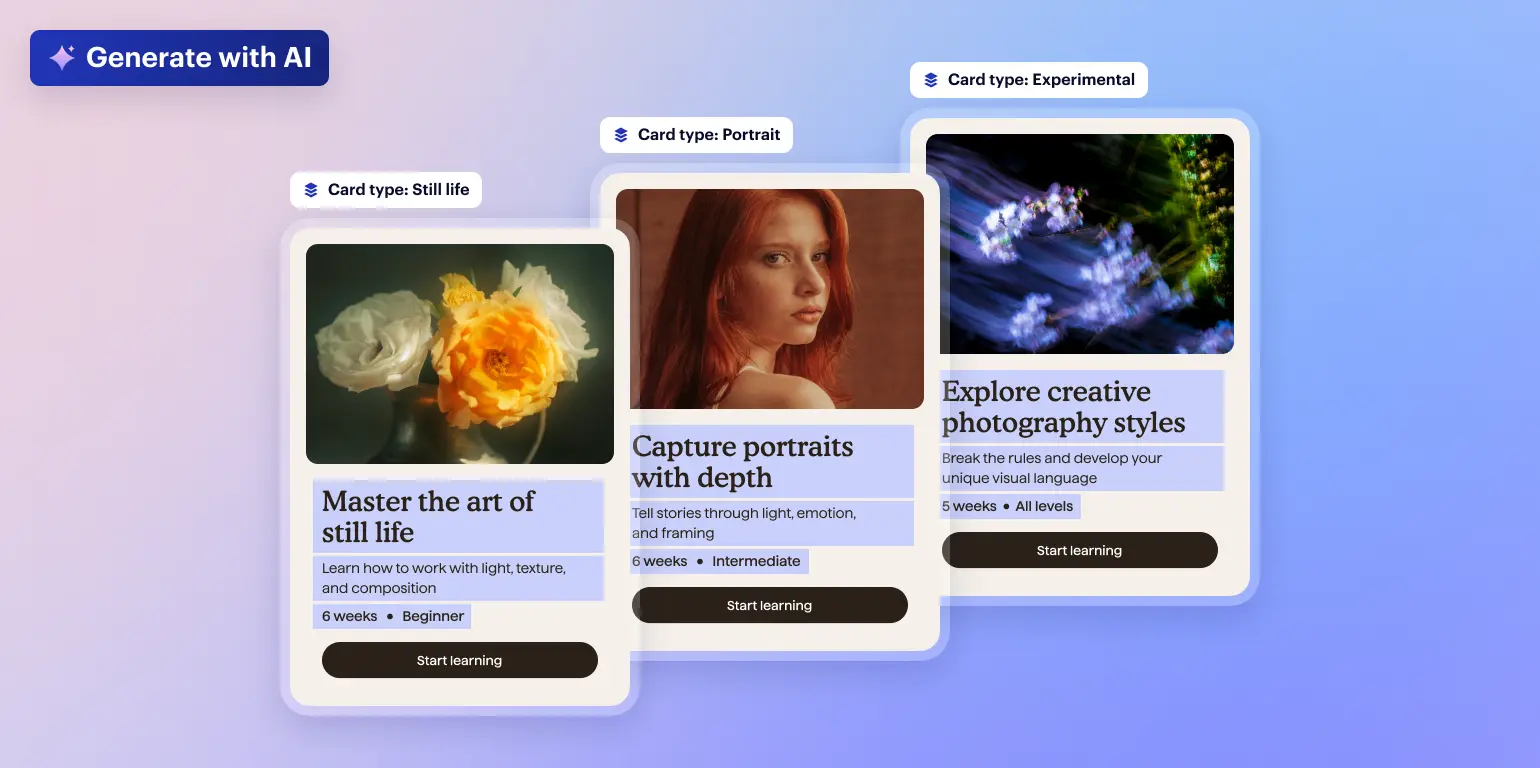
The persistent challenge of modern digital marketing has rarely been a lack of strategic vision, but rather the logistical bottleneck of manual execution. While industry professionals have long recognized that personalization is the primary driver of engagement and conversion, the labor-intensive nature of creating unique experiences for diverse audience segments has historically restricted hyper-personalization to the most well-resourced enterprises. Instapage, a leader in post-click automation, has addressed this systemic inefficiency with the launch of AI Collections, a sophisticated toolset designed to automate the creation and population of personalized landing pages at scale. By leveraging artificial intelligence to bridge the gap between template design and dynamic content deployment, the platform claims to enable marketing teams to launch campaigns up to three times faster than traditional manual methods.
The introduction of AI Collections marks a significant shift in how digital assets are managed. Traditionally, the process of scaling a campaign involved the tedious duplication of pages, manual editing of copy for specific keywords or demographics, and the management of disparate assets across multiple platforms or complex spreadsheets. This manual workflow often led to "initiative fatigue," where ambitious personalization projects were eventually deprioritized or abandoned in favor of generic, one-size-fits-all pages that inevitably underperform. AI Collections seeks to eliminate this friction by transforming the landing page from a static document into a dynamic, data-driven template.
The Technical Architecture of AI Collections
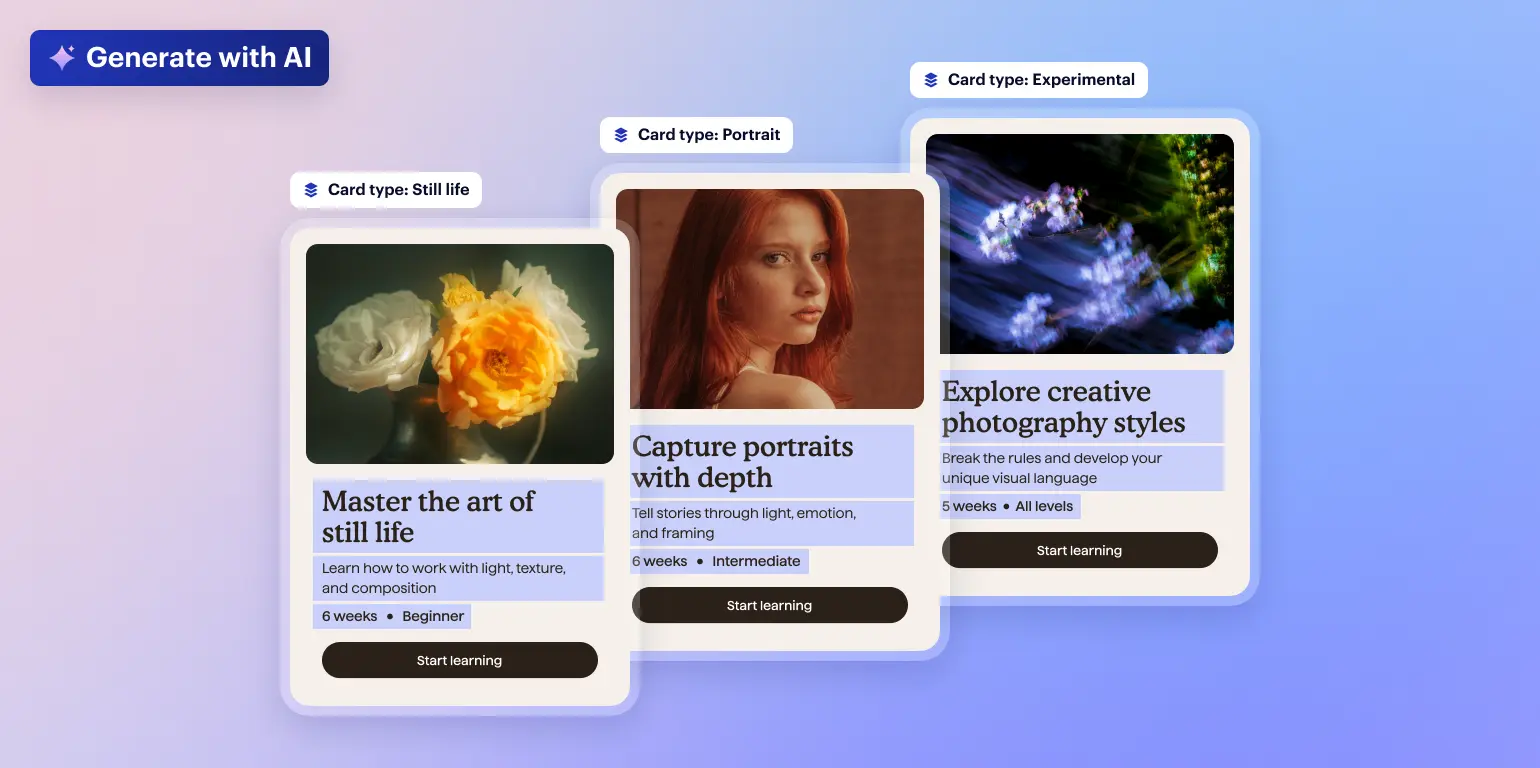
At the core of the AI Collections framework is a centralized content table that functions as the single source of truth for a marketing campaign. This structure allows teams to manage dozens, or even hundreds, of unique pages from a single interface. Each row within the table represents an individual page within the collection, while each column corresponds to a specific content element—such as headlines, body copy, images, or calls-to-action—that requires personalization.
The process begins with the identification of "AI Placeholders." Rather than requiring a designer to manually tag every dynamic element on a page, the AI analyzes the layout and automatically suggests optimal locations for variable content. This computer-vision-driven approach ensures that the underlying design integrity remains intact while preparing the page for mass customization. Once the placeholders are established, the marketer can review and refine the template, ensuring that the AI’s suggestions align with the brand’s visual hierarchy and strategic goals.
Following the template setup, the platform utilizes generative AI to populate the content table. By providing a prompt that includes the target audience, specific messaging requirements, and the ultimate conversion goal, marketers can generate publish-ready copy for an entire collection in seconds. This eliminates the "blank page" syndrome and significantly reduces the time spent on copywriting for niche segments. When integrated with Instapage’s proprietary "fluid grid blocks," the system goes a step further: the layout automatically adjusts its proportions and spacing to accommodate varying text lengths and image sizes, ensuring that the final output is aesthetically consistent and mobile-responsive without requiring individual page audits.
Historical Context and the Evolution of Landing Page Technology
To understand the impact of AI Collections, one must view it within the broader chronology of web development and marketing technology. In the early 2000s, landing pages were static HTML files that required developer intervention for even minor changes. The "second wave" of landing page technology arrived with the advent of drag-and-drop builders, which democratized page creation but still relied on a one-to-one creation model—one page for one campaign.
The "third wave" saw the introduction of Dynamic Text Replacement (DTR), which allowed marketers to change specific words based on URL parameters. While effective for simple keyword matching in Search Engine Marketing (SEM), DTR lacked the sophistication to handle complex narrative shifts or layout adjustments. AI Collections represents the "fourth wave," characterized by generative automation and structural intelligence. In this era, the focus has shifted from "building" pages to "curating" systems that can generate thousands of variations based on high-level strategic inputs.
Supporting Data: The Economic Argument for Personalization
The drive toward automation is supported by a wealth of industry data highlighting the performance gap between personalized and generic content. According to a report by McKinsey & Company, companies that excel at personalization generate 40% more revenue from those activities than average players. Furthermore, research from Epsilon indicates that 80% of consumers are more likely to make a purchase when brands offer personalized experiences.
Despite these clear benefits, the "cost per page" has remained a barrier. If a mid-market marketing team spends an average of four hours designing, writing, and QA-testing a single landing page, a campaign targeting 50 different audience segments would require 200 man-hours. At an average hourly rate for specialized marketing talent, the labor cost alone often exceeds the projected return on investment for smaller segments. By increasing the speed of production by 300%, AI Collections effectively lowers the "break-even" point for personalization, allowing marketers to target "long-tail" keywords and niche demographics that were previously too expensive to pursue.
Industry Reactions and Strategic Implications
Market analysts suggest that the integration of AI into the production workflow will fundamentally change the role of the digital marketer. "The bottleneck has moved from the hands to the head," says industry consultant Marcus Thorne. "Tools like AI Collections mean that a marketer’s value is no longer tied to their ability to navigate a design editor or manage a spreadsheet. Their value now lies in prompt engineering, strategic segmentation, and the ability to interpret the data that these scaled campaigns generate."
Internal statements from the development team at Instapage reflect a similar sentiment. The objective was not merely to create a "faster" builder, but to create a system that removes the technical debt associated with scaling. By centralizing the management of dynamic content, teams can update an entire fleet of pages simultaneously. For instance, if a brand changes its core value proposition or updates its pricing, a single edit in the AI Collections table can propagate across hundreds of live pages, ensuring brand consistency and reducing the risk of outdated information reaching the consumer.
Broader Impact on SEM and SEO
The implications of AI-driven page generation extend beyond internal efficiency; they have a direct impact on external performance metrics, particularly in paid search. Google’s Quality Score—a critical factor in determining Ad Rank and Cost-Per-Click (CPC)—is heavily influenced by "Landing Page Relevance." When an ad for a specific keyword leads to a page that perfectly mirrors that keyword’s intent, the Quality Score improves, leading to lower costs and better ad placements.
AI Collections allows marketers to create highly specific landing pages for every keyword in an ad group, rather than directing all traffic to a generic "Product" page. This level of granularity was previously impossible to maintain at scale. In the realm of Search Engine Optimization (SEO), the ability to quickly generate high-quality, relevant landing pages for localized searches or specific user intents can provide a significant competitive advantage in capturing organic traffic.
Conclusion: The Future of Scalable Marketing
As the digital landscape becomes increasingly crowded, the ability to deliver a relevant, personalized message at the exact moment of intent is the only way to maintain a competitive edge. The launch of AI Collections by Instapage signals a new era where the complexity of execution is no longer a valid excuse for generic marketing.
By automating the most repetitive aspects of page creation—placeholder identification, content generation, and layout adjustment—Instapage is enabling a shift toward "programmatic creativity." This allows marketing departments to function more like data-driven laboratories, where multiple versions of a campaign can be deployed and tested simultaneously to find the most effective combination of messaging and design.
For marketing teams currently struggling with the "personalization gap," the availability of these tools represents a pivot point. The focus is no longer on how many pages a team can build, but on how many segments they should target to maximize revenue. As AI continues to integrate into every facet of the marketing stack, the transition from manual labor to automated orchestration appears not just inevitable, but essential for survival in an increasingly automated economy. AI Collections is currently available for a 14-day trial, offering a glimpse into a future where the scale of a campaign is limited only by the marketer’s imagination, rather than their bandwidth.







