
 rifanmuazin
Everyone seeks to carve out a unique identity. In an era where trends often dictate conformity, the ability to stand out is not merely a desirable trait; it’s a fundamental differentiator. This principle holds true not only for individuals but also for businesses, where an intentional brand personality can level the playing field and foster deep customer loyalty, even for those operating with limited resources. A well-defined brand personality makes a business memorable and relevant, cultivating an emotional connection that transcends mere transactional exchanges.
Understanding the Essence of Brand Personality
At its core, brand personality is the amalgamation of human-like qualities that a brand consistently projects through its visual identity, communication style, and overall behavior. It encompasses every element that contributes to a brand’s recognizability, relatability, and, ideally, its endearment to consumers. These inherent traits act as guiding principles for all brand decisions, from the aesthetic of its logo and marketing collateral to the nuances of its customer service interactions. Ultimately, brand personality communicates what the brand stands for in ways that are both overt and subtly ingrained.
It is crucial to distinguish brand personality from brand voice. While intertwined, they serve distinct functions. Brand personality defines the overarching character of the brand—whether it’s perceived as confident, playful, sophisticated, or rebellious. Brand voice, on the other hand, is the specific way this personality is expressed through written and spoken language, dictating the tone, vocabulary, and stylistic choices. In essence, personality is the character, and voice is the dialogue.

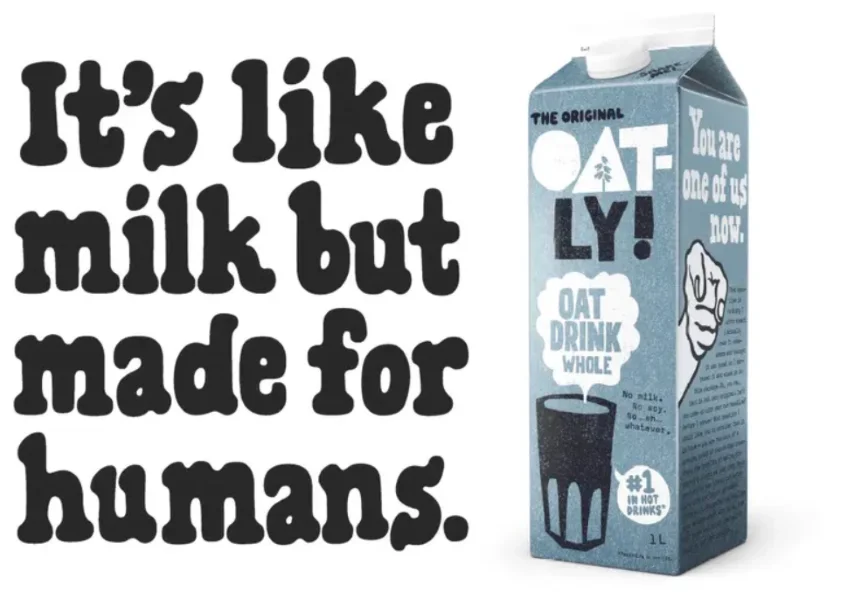
Consider the diverse approaches of prominent brands: Oatly champions an outspoken and somewhat rebellious persona, leveraging humor and unvarnished honesty to challenge industry norms. Olipop exudes an optimistic and contemporary vibe, employing a friendly, wellness-focused tone that makes healthier choices feel accessible. Airbnb cultivates a warm and humanistic personality, centered on the concepts of belonging and curiosity, inviting individuals to experience destinations as locals do. Each of these brands, through their distinct personalities, has successfully resonated with specific consumer segments, demonstrating the power of authentic self-expression in the marketplace.
The Indispensable Value of Brand Personality
The significance of brand personality lies in its ability to capture attention, foster recall, and evoke emotional responses from consumers, often before they even consider the product or service itself. It is the mechanism by which brands can embed themselves in the minds of their target audience, remaining top-of-mind until a purchase decision is imminent. This enduring presence, often described as “living rent-free” in consumers’ heads, is a testament to the profound impact of a well-crafted personality.
The impact of brand personality extends across all facets of a business’s public-facing operations. It influences how a brand is perceived, why its presence matters, and how it differentiates itself in a saturated market. This intrinsic value can be broadly categorized:

- Enhanced Memorability and Recognition: A distinct personality makes a brand stand out from competitors. Consumers are more likely to remember brands that feel like they have a unique character.
- Deeper Customer Connection: Human beings are wired to connect with other personalities. By imbuing a brand with relatable human traits, businesses can foster emotional bonds with their audience, leading to increased loyalty and advocacy.
- Differentiation in a Crowded Market: In industries where products or services may appear similar, brand personality becomes a critical point of differentiation. It provides a compelling reason for consumers to choose one brand over another, even if the functional benefits are comparable.
- Premium Pricing Potential: Brands with strong, desirable personalities can often command premium pricing. Consumers are willing to pay more for a brand they feel a connection with and that aligns with their own values or aspirations.
- Improved Employee Engagement and Retention: When employees understand and connect with a brand’s personality, they are more likely to be engaged, motivated, and act as authentic brand ambassadors. This internal alignment is crucial for consistent external representation.
- Resilience During Challenging Times: Brands with established, trusted personalities tend to weather economic downturns or market disruptions more effectively. Their strong customer relationships, built on personality and trust, provide a buffer against competitive pressures.
- Attraction of Like-Minded Talent: A clear and appealing brand personality can attract employees who are a cultural fit, contributing to a more cohesive and productive workforce.
A Practical Framework for Cultivating Brand Personality
Developing a compelling brand personality is not a haphazard endeavor; it requires intentionality and a strategic approach. It is not about selecting superficial adjectives but about deeply understanding the core identity of the business, its target audience, and the desired perception. This seven-step framework provides a structured pathway to building a robust and enduring brand personality:
1. Grounding in Authenticity: Starting with Your Truth
The foundational step in defining brand personality is to look inward, focusing on what is genuinely true about the business rather than what one aspires to be. This involves a thorough review of the company’s origin story, its core mission, the underlying values that guide decision-making, and the principles it would uphold even in the absence of external observation. For many small businesses, the founder’s personality naturally imbues the brand, creating an authentic and often relatable starting point. A strong brand personality is invariably rooted in reality, not mere aspiration.
2. Understanding Audience Emotional Needs
Brand personality thrives within the dynamic relationship between a brand and its audience. To effectively shape this personality, it’s imperative to understand not only the demographics and psychographics of the target audience but also the emotional states they seek when engaging with brands in a similar category. Are they looking for reassurance during uncertain times, a sense of momentum and progress, a feeling of belonging within a community, enhanced confidence in their choices, or an escape from the everyday? By identifying these emotional drivers, a brand can strategically align its personality to serve as a resonant anchor for all its interactions.
Pandora, for instance, has masterfully tapped into the emotional need for personal expression and sentiment. Their customizable charm bracelets, encapsulated by the tagline “Mini charms, big meanings,” position the brand as a vehicle for storytelling. Pandora’s brand personality is romantic, personal, and deeply emotionally expressive, prioritizing sentiment over overt status symbols, which resonates strongly with consumers seeking to commemorate life’s moments.
3. Defining Personality Traits with Precision
Once the bedrock of authenticity and audience understanding is established, the next step is to meticulously define the core personality traits. Typically, three to five traits are sufficient, provided each is specific, meaningful, and actionable. The focus should be on how the audience perceives these traits. For example, “confident” is often more impactful than “professional,” and “curious” can be more engaging than simply “innovative.”
For each chosen trait, it is crucial to articulate its practical implications and, equally important, what it explicitly does not entail. This clarification prevents vagueness and ensures consistent application across all brand touchpoints. The enduring success of Apple, epitomized by its “Think different” campaign, showcases a personality that is calm, confident, and precise, allowing the quality of its craftsmanship to speak for itself without overt boasting.

4. Crafting a Personality Statement and Brand Style Guide
The defined personality traits should be synthesized into a concise personality statement that encapsulates the brand’s essence. This statement serves as an easily digestible summary, guiding anyone involved with the brand on its intended feel. Complementing this is a comprehensive brand style guide, which translates these abstract traits into practical directives. This guide details aspects such as voice and tone, visual cues, and provides concrete examples of what to do and what to avoid. In today’s evolving marketing landscape, including specific guidelines for AI-generated content is also becoming increasingly vital. This step transforms personality from a theoretical concept into a shared language and a practical tool for ensuring consistency and intentionality.
5. Translating Personality into Tangible Behavior
A brand personality is only effective if it is demonstrably present in the brand’s actions. This is a common area where businesses falter. The true test of a brand’s personality lies in how it influences everyday decisions: the way headlines are written, packaging is designed, customer complaints are handled, new customers are onboarded, and even how opportunities are declined. If a brand espouses boldness, where does it take calculated risks? If its core tenet is care, how does that manifest when an issue arises? If these traits cannot be identified in practical, day-to-day scenarios, the brand personality risks becoming a mere decorative label, devoid of true impact.
Duolingo’s mascot, Duo, the persistent green owl, is a prime example of translating personality into behavior. Duo’s often chaotic and relentless pursuit of language learning reinforces the brand’s playful yet tenacious personality. This characteristic is consistently reflected in its notifications, social media posts, and product copy, making the brand experience cohesive and memorable.
6. Empowering Employees as Brand Ambassadors
Employees are the most potent conduits for a brand’s personality. They bring its character to life in real conversations and everyday interactions. This begins with ensuring they fully understand the brand’s identity and how it should be expressed in practice. When employees are empowered to make decisions through the lens of brand personality, they move beyond rote scripts and exhibit genuine confidence and authenticity. The ultimate objective is to transform routine interactions into consistently on-brand experiences. Encouraging employees to share content related to the brand further amplifies this effect.
7. Rigorous Stress-Testing for Consistency and Longevity
Before a brand personality is finalized, it must undergo rigorous testing against a variety of real-world scenarios. How does it hold up during a crisis? Can it be consistently applied across different channels, teams, and stages of growth? Will it remain relevant and authentic in the long term, perhaps five or ten years down the line? A robust brand personality should possess sufficient flexibility to adapt and evolve while retaining its core recognizability.
Exemplary Brands Mastering Brand Personality
Observing successful brands in action provides invaluable insights for developing one’s own unique personality. These businesses demonstrate the power of clarity, consistency, and the seamless integration of personality into every strategic decision:

Heinz: Confident and Iconic
Heinz embodies a brand personality that is undeniably confident, dependable, and classically enduring. It positions itself as the undisputed authority within its category, grounded in heritage and unwavering quality rather than fleeting trends. There is a quiet assurance in Heinz’s presentation, trusting that consistency, familiarity, and superior taste speak for themselves. Simultaneously, the brand adeptly employs wit and cultural relevance, reinforcing its iconic status without resorting to ostentatious displays. This is exemplified in their innovative “Heinz Dipper,” a French fry box ingeniously designed with a built-in ketchup compartment for convenient dipping on the go, a testament to their playful yet practical approach.
Native: Honest and Reliable
Native stands out as a prime example of a strong, authentic brand personality. Their approach is characterized by honesty, approachability, and a feel-good ethos. The brand communicates with straightforward clarity about its commitment to creating products that are clean, simple, effective, and free from undesirable ingredients. Native consistently places its brand personality at the forefront of its advertising, projecting an image of reliability, warmth, and a genuine focus on empowering consumers to feel confident about the products they use on their bodies.
Headspace: Calm and Supportive
Headspace cultivates a brand personality that is calm, reassuring, and inherently human. It positions itself as a friendly guide, demystifying mindfulness and mental well-being, making these concepts accessible rather than intimidating. Recognizing the sensitive nature of mental health, Headspace employs a warm, simple, and empathetic tone that reduces pressure and invites individuals to engage at their own pace. This approach is reinforced through Ebb, Headspace’s AI companion, which offers personalized recommendations based on users’ current emotional states, demonstrating a deep commitment to empathy and support.

Petbarn: Caring and Knowledgeable
Petbarn deeply understands the profound significance of pets in people’s lives. From the moment visitors access their website, it’s evident that Petbarn is a trusted partner for pet owners, seamlessly blending genuine affection for animals with clear expertise and guidance. The brand’s personality is caring, practical, and intensely pet-focused. This ethos is reflected in their communication style—warm yet grounded in helpful advice and actionable solutions. Petbarn highlights the unique bond between humans and their pets, mirroring that care across its messaging while reinforcing reliability through education, services, and ongoing support. The thoughtful personalization, such as adapting their search bar to your pet’s name after profile completion, further underscores this dedication.
Cherrypick: Helpful and Intuitive
Cherrypick’s brand personality is defined by its helpfulness and practicality. The brand positions itself as an everyday assistant designed to simplify meal planning and grocery shopping without introducing undue complexity. Its communication style is clear and reassuring, emphasizing time savings and the reduction of decision fatigue. Cherrypick’s distinctiveness lies in its seamless integration into daily routines, bringing recipes, meal planning, and grocery ordering into a single, accessible platform. This communicates efficiency and ease at every interaction point. Through bold design, vibrant visuals, and engaging copy, Cherrypick effectively conveys its mission to make healthier, more sustainable food choices easier and more affordable by removing friction from everyday cooking and shopping experiences.
The Unifying Force of Brand Personality
Ultimately, brand personality is the cohesive element that binds all aspects of a brand together. It dictates how consumers recognize and perceive a brand, the emotions they experience during interactions, and whether the brand’s presence feels unified or fragmented over time. A clear and consistently applied brand personality builds trust, whereas its absence can render even the most effective marketing tactics disjointed and forgettable.

In an era of rapidly advancing technology, particularly with the rise of AI, understanding and articulating brand personality becomes even more critical. Businesses can leverage AI tools to analyze online mentions, identify overarching themes in consumer perception, and gain valuable insights into their current brand standing. This data-driven approach, combined with a deep commitment to authenticity and a strategic understanding of audience needs, forms the bedrock of a powerful and enduring brand personality that can resonate for years to come.










