
 rifanmuazin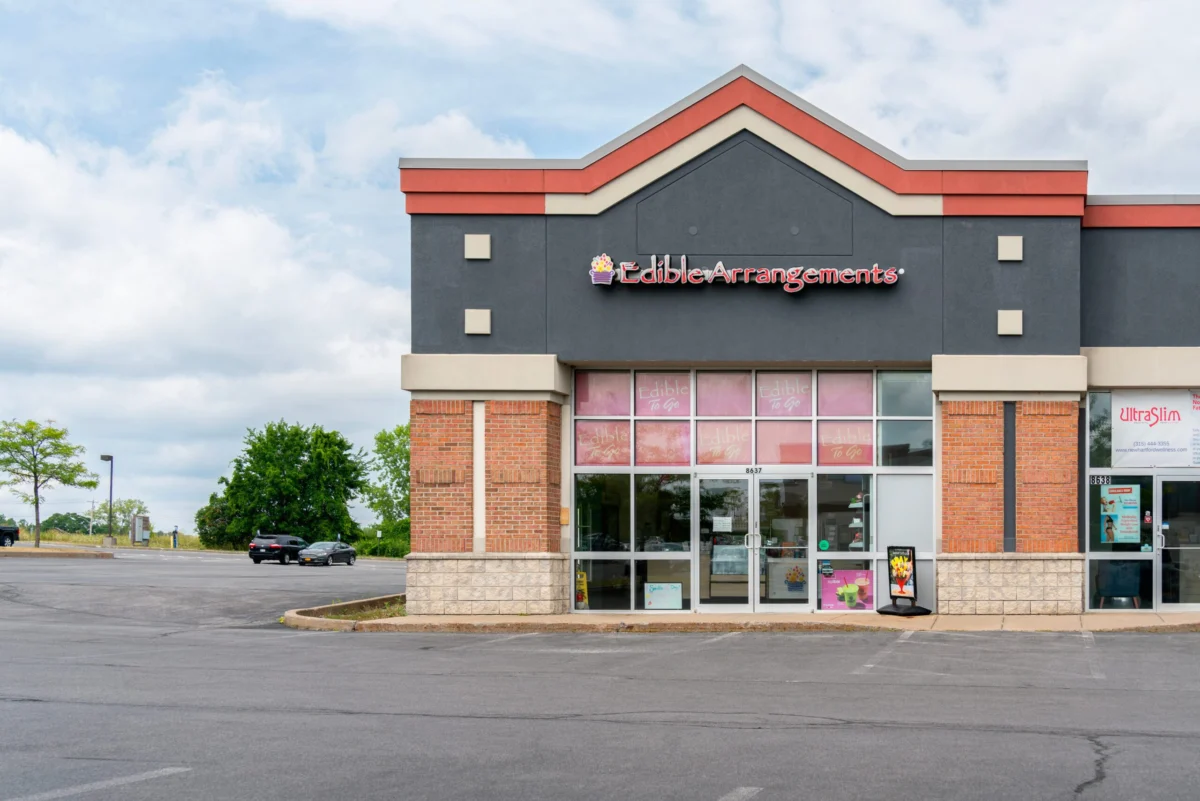
The increasing trend of last-minute gift purchases, particularly for highly emotional occasions like Mother’s Day and Valentine’s Day, is prompting Edible, a prominent gift-focused retailer, to further refine its last-mile delivery capabilities. Erica Randerson, Chief Digital Officer of Edible Brands, emphasized the strategic importance of optimizing fulfillment to meet the dynamic demands of modern consumers who are delaying their online shopping decisions until closer to the event dates. This strategic pivot is crucial for Edible Brands, which ranks 182nd in the Digital Commerce 360 Top 2000 Database, a benchmark for North America’s largest online retailers based on annual e-commerce sales.
Randerson articulated that both Valentine’s Day and Mother’s Day represent the company’s "two big Super Bowl moments" of the year. She observed a significant shift in consumer behavior, noting that "the customer was coming through the figurative e-commerce store later than ever" during the recent Q4 holidays and Valentine’s Day. This late-stage purchasing behavior underscores the necessity for a robust and agile fulfillment network capable of accommodating these "highly emotional purchase decisions" with speed and reliability.
The Shifting Landscape of Gifting and Last-Minute Purchases
Historically, Edible experienced a more extended sales period for major holidays. Randerson recalled that in the years preceding the COVID-19 pandemic, specifically in 2018 and 2019, the sales cycle for Valentine’s Day would typically span a full week, or even up to ten business days. However, the retail landscape has transformed dramatically. Today, Edible witnesses demand for Valentine’s Day surging as early as the beginning of February. During this critical period, the company can see as many as a million customers visiting its website daily. This amplified online traffic and the compressed purchasing window directly translate into an increased need for efficient last-minute gifting solutions.
The impact of this trend was particularly evident in the lead-up to Valentine’s Day in 2026. While specific figures were not disclosed, Randerson indicated that Edible observed "quite the influx in orders" on February 13th and 14th, signifying a year-over-year increase in last-minute purchases compared to 2025. This surge highlights Edible’s ongoing efforts to adapt its operations to a consumer base that increasingly relies on the convenience of same-day or next-day delivery for time-sensitive gifts.
Navigating the Nuances of Peak Gifting Seasons: Valentine’s Day vs. Mother’s Day
While both Valentine’s Day and Mother’s Day are critical revenue drivers for Edible, they present distinct operational challenges and opportunities. A key differentiator, as pointed out by Randerson, is the day of the week on which these holidays fall. Valentine’s Day can occur on any day of the week, impacting typical weekend shopping patterns. In contrast, Mother’s Day in the U.S. is consistently celebrated on a Sunday, a day that traditionally sees high consumer engagement for online shopping. It’s important to note that Mother’s Day is observed on different dates globally, with some countries celebrating on specific Sundays in May, while others mark it on particular dates in March and May.
The unique positioning of Valentine’s Day 2025, which fell on a Saturday for the first time since 2015, presented an interesting anomaly for Edible’s forecasting and operational planning. Despite this, Randerson reported "phenomenal wins when it came to Average Order Value (AOV)" year over year. This growth in AOV is particularly noteworthy given the current economic climate, where consumers may be experiencing tighter budgets.
Edible attributes its success in driving AOV growth to strategic investments in its digital platforms. These include enhancing personalization and customization options on its website and mobile application. Personalization involves tailoring offers and recommendations to individual customers based on their browsing history, purchase patterns, and demographic data. Customization empowers customers to create bespoke gift arrangements, such as building their own fruit baskets or selecting specific add-ons, thereby increasing the perceived value and emotional connection to their purchases. Furthermore, Edible’s expansion onto third-party marketplaces has also contributed to its market reach and sales performance.
Strategic Partnerships and Expanded Fulfillment Capabilities
To further bolster its last-mile delivery network, Edible has forged partnerships with third-party delivery services. Randerson highlighted that Edible’s first-party delivery capabilities, primarily through its franchise system, already enable it to reach approximately 90% of U.S. zip codes within an hour. This extensive franchise coverage forms the bedrock of its delivery strategy. However, the integration of third-party delivery partners has been instrumental in unlocking the potential for longer-distance deliveries, a critical factor for fulfilling orders placed further afield, especially during peak holiday periods.
The company’s operational prowess is further enhanced by its sophisticated predictive forecasting system. This system empowers franchisees by providing insights into the anticipated volume and specific product mix required for each day leading up to a major holiday. This proactive approach ensures that franchisees are adequately prepared in terms of inventory management, minimizing stockouts and maximizing the availability of popular gift items.
Edible’s digital strategy extends to optimizing its website and app user experiences in real-time, adapting to fluctuating inventory levels and evolving customer needs. For instance, if a particular promotion garners unexpectedly high engagement, Edible can swiftly implement adjustments or extensions to capitalize on the demand, benefiting both the customer and the franchisee. Randerson emphasized the company’s commitment to "stay nimble to ensure that we’re meeting whatever challenges may arise," especially when "delivering millions of gifts in a short amount of time."
A significant aspect of Edible’s commitment to enabling last-minute delivery capabilities involves close collaboration with its franchisees. This includes providing support for staffing models that accurately project the number of drivers required to manage the surge in holiday order volumes. This hands-on approach ensures operational readiness and service quality during its busiest periods.
With over 80% of its business originating from e-commerce, Edible leverages the wealth of data generated from its digital channels. This data is crucial for equipping franchisees with the necessary information to anticipate and manage the intense demand experienced during key holiday seasons.
Edible’s ongoing efforts to enhance its last-mile delivery infrastructure are evident in its deployment of services such as Uber Direct, DoorDash Drive, Nash, and Roadie. These integrations are not ad-hoc solutions for the holidays but rather an integral part of Edible’s everyday operational strategy, which is amplified significantly during peak gifting periods. This consistent integration ensures a smoother and more reliable delivery experience for customers throughout the year, with a heightened focus during major gifting occasions.
Emerging E-commerce Trends Leading Up to Mother’s Day 2026
Analysis of e-commerce trends leading up to Mother’s Day 2026, as indicated by data from Adobe Analytics, reveals key consumer spending patterns. A comparison of online sales in the final week of April with the period from January 1st to April 25th provides valuable insights.
Adobe’s findings show a significant increase in online sales for fragrances, with a 35% surge in the last week of April compared to the earlier part of the year. This represents an acceleration from the 25% growth observed in the same period during 2025, suggesting a heightened interest in scent-based gifts as Mother’s Day approached.
Similarly, online sales of purses and handbags experienced a substantial uplift, increasing by 37% in late April. This growth outpaced the 30% increase recorded during the equivalent timeframe in the previous year, indicating a strong demand for fashion accessories.
However, the growth trajectory for online jewelry sales showed a slight moderation. While sales increased by 21% in late April 2026, this was a decrease compared to the 29% growth observed in April 2025. Within the broader jewelry category, specific segments demonstrated robust performance. Online sales for watches saw an impressive 80% increase, followed by necklaces at 51% and earrings at 44%. These figures suggest that while overall jewelry sales growth might have softened, certain subcategories continued to perform strongly.
Adobe also anticipates a substantial surge in online flower sales, with peak activity expected on May 9th and 10th – Mother’s Day and the day preceding it. The analytics firm projects an increase of 550% to 600% in online flower sales over that weekend, highlighting the enduring popularity of floral arrangements as a quintessential Mother’s Day gift. This projection underscores the critical role of timely and efficient delivery services for perishable goods like flowers, further emphasizing Edible’s strategic focus on its last-mile capabilities.
The evolving consumer behavior, characterized by an increasing reliance on last-minute online purchases for emotional gifting occasions, necessitates a dynamic and adaptive fulfillment strategy. Edible’s proactive investments in last-mile delivery, personalization, and strategic partnerships position it well to meet these demands and capitalize on the significant commercial opportunities presented by major gifting holidays. The company’s commitment to leveraging data and technology, coupled with its strong franchise network and expanding third-party integrations, forms a robust framework for continued success in the competitive e-commerce landscape.









