
 rifanmuazin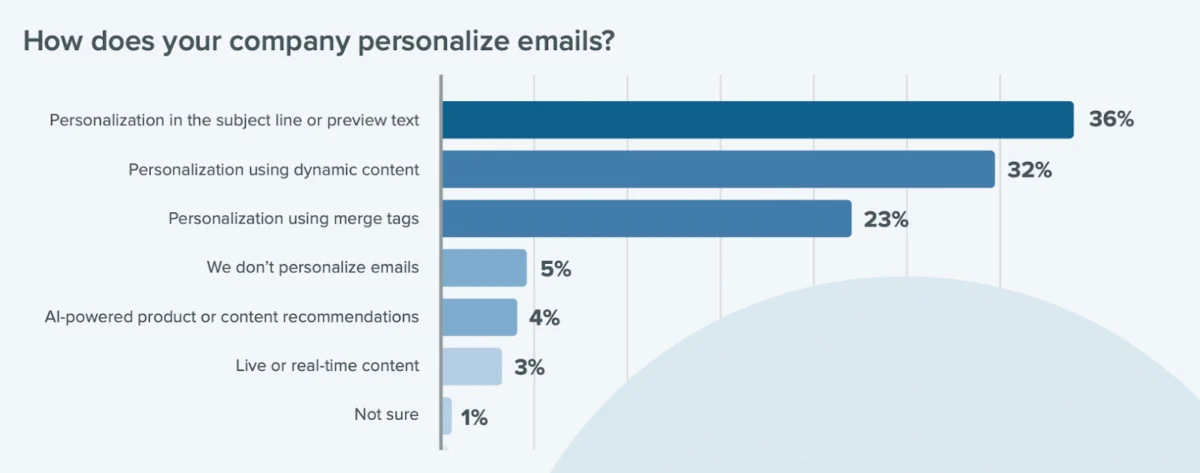
In an increasingly crowded digital landscape, email marketing stands as a formidable channel for businesses, yet many practitioners find themselves ensnared in a relentless cycle of tactical execution, often at the expense of overarching strategic vision. A recent report, “The State of Email Workflows,” reveals a stark reality: nearly a quarter of email marketers are routinely juggling eleven essential functions, leading to a “doom loop” of request, production, and send that leaves little room for big-picture thinking. This operational burden underscores a critical need for a well-defined email marketing strategy, moving beyond ad-hoc campaigns to unlock the channel’s immense potential, often cited as a 36:1 return on investment.
The Strategic Imperative: Beyond the Inbox Grind
The notion that “so-and-so wants an email” or “we send an email once a week” constitutes an email marketing strategy is a common misconception that hampers growth and fuels marketer burnout. A truly effective email marketing strategy is a comprehensive, meticulously planned roadmap designed to achieve specific, measurable business objectives. It transcends mere message dispatch, focusing instead on a holistic approach that includes identifying and segmenting target audiences, crafting personalized and compelling content, strategic scheduling, and robust performance measurement. This strategic framework provides clarity, aligns efforts, and empowers teams to prioritize work effectively, even amidst demanding workloads.

Cynthia Price, SVP of Marketing at Validity, emphasizes this shift in perspective: “In marketing, we define the word ‘campaign’ in 1,000 different ways. But I’d love email marketers to stop thinking about a campaign as a single email and more about how it fits into the broader marketing efforts. What is the larger initiative you’re taking on that’s going to reach your audience?” This sentiment highlights the transition from isolated email sends to integrated, multi-touchpoint initiatives that contribute to a larger marketing narrative.
Evolution of Email Marketing: From Blasts to Bespoke Experiences
The journey of email marketing has been one of continuous evolution. What began in the late 1970s with rudimentary bulk sends has transformed into a highly sophisticated, data-driven discipline. Early email campaigns were largely untargeted, resembling digital flyers. The advent of internet access in the 1990s and early 2000s saw a rise in email newsletters and promotional blasts, often leading to inbox clutter and the nascent concept of spam.
The mid-2000s marked a significant shift with the popularization of email service providers (ESPs) like MailChimp and Constant Contact, which offered more user-friendly interfaces and basic segmentation capabilities. This period also saw the introduction of automation, allowing for simple welcome sequences. The last decade has accelerated this evolution, driven by advancements in data analytics, artificial intelligence, and a heightened consumer demand for personalized experiences. Marketers now contend with stricter privacy regulations, the proliferation of mobile devices, and increasingly intelligent inbox filtering, making a strategic approach not just beneficial, but essential for deliverability and engagement. The sheer volume of emails continues to climb, as Price notes, “Volume across the board is at an all-time high, and it’s expected to keep growing. The secret is out that email marketing works, and now it’s both a challenge and an opportunity for anyone in email marketing to break through the noise of a very crowded inbox.”

Foundational Pillars of a Strategic Email Program
Building a resilient email marketing strategy rests on several interconnected pillars:
-
Clearly Defined Goals: The starting point for any strategy is outlining what the emails are intended to achieve. These goals should be specific, measurable, achievable, relevant, and time-bound (SMART). Primary objectives often include driving website sales, increasing product awareness, improving subscriber engagement, boosting customer loyalty, or generating qualified leads. Without clear goals, email efforts lack direction and impact. For instance, a goal to “increase sales by 15% through promotional emails in Q3” provides a concrete target against which performance can be measured.
-
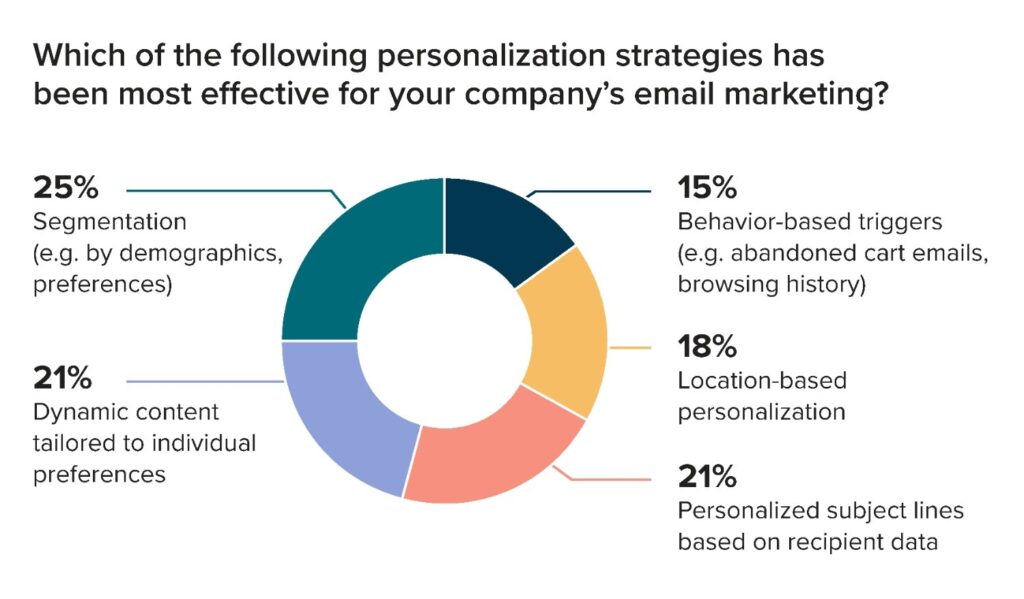
Audience Segmentation and Buyer Behavior Analysis: “Know your audience” remains timeless advice, and in email marketing, this translates into sophisticated segmentation. Rather than sending generic messages to an entire list, effective strategies involve dividing subscribers into specific groups based on demographics, purchase history, browsing behavior, engagement levels, geographic location, or lifecycle stage. This granular approach enables the delivery of personalized email content, which a Litmus report identifies as the most effective type of personalization. For example, a customer who has browsed hiking gear might receive emails showcasing new products in that category, rather than a general “new arrivals” email. The strategy dictates that you wouldn’t send a “leave us a review” email to a non-customer, nor an aquarium collection promotion to a dog owner.
-
Content Planning Across the Subscriber Lifecycle: A comprehensive strategy maps out the entire buyer’s journey, from initial interest to loyal advocacy. This involves documenting how leads are acquired (lead magnets, signup forms, opt-in processes) and how the email list is maintained (list cleaning routines). Content is then tailored to each stage:
- Awareness (Top of Funnel): Welcome sequences, introductory brand stories, educational newsletters.
- Consideration (Middle of Funnel): Product benefits, case studies, webinars, helpful “how-to” guides, feature deep-dives.
- Decision (Bottom of Funnel): Promotional offers, limited-time discounts, testimonials, calls to action for purchase or demo.
- Retention/Advocacy: Post-purchase care, loyalty programs, exclusive content, referral requests, re-engagement campaigns.
This structured approach ensures that subscribers receive relevant information at precisely the right moment, fostering deeper engagement and guiding them through the sales funnel.
-
Continuous Testing, Experimentation, and Optimization: Email marketing is not a “set it and forget it” endeavor. A robust strategy incorporates a plan for ongoing testing and optimization. This includes A/B testing various elements like subject lines, calls-to-action, send times, and content layouts to identify what resonates best with specific audience segments. Crucially, pre-send testing ensures emails render correctly across diverse email clients and devices, preventing broken layouts or inaccessible content. Deliverability optimization, including monitoring sender reputation and inbox placement, is also paramount. Without testing, marketers risk relying on generic “best practices” that may not apply to their unique audience. For instance, while Apple Mail and Gmail are dominant, an audience heavily skewed towards Outlook users would necessitate specific optimization for that client, a fact only discovered through data analysis.
Strategy in Action: Goals Meet Measurement
The symbiotic relationship between goals and measurement is the engine of any successful email strategy. As Cynthia Price explains, “You can run an effective email strategy that never makes a single ask of the customer, if you’re able to measure on the back end how the customer responds. That could be engagement, visits, or conversions as you work your way down the funnel.”
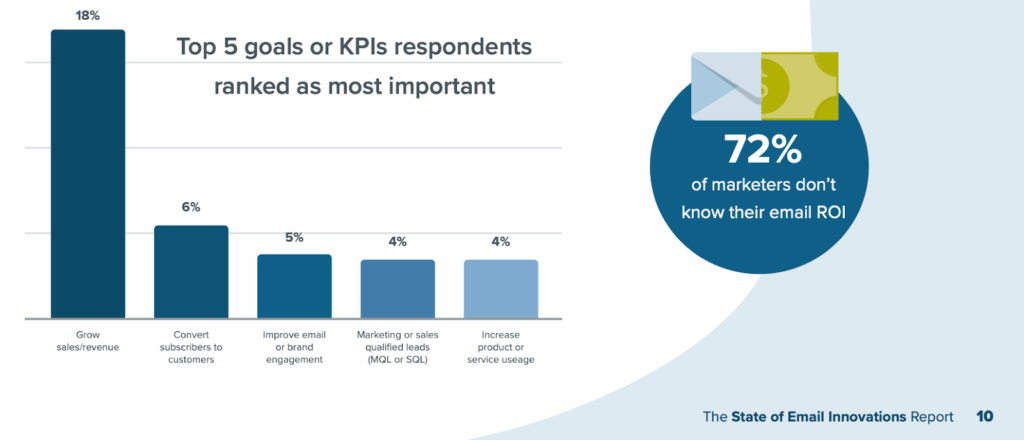
Top-tier goals for most email marketers revolve around growing sales and revenue, converting subscribers into customers, enhancing brand engagement, and generating marketing-qualified leads (MQLs). Each email campaign, therefore, must align with one or more of these overarching priorities.
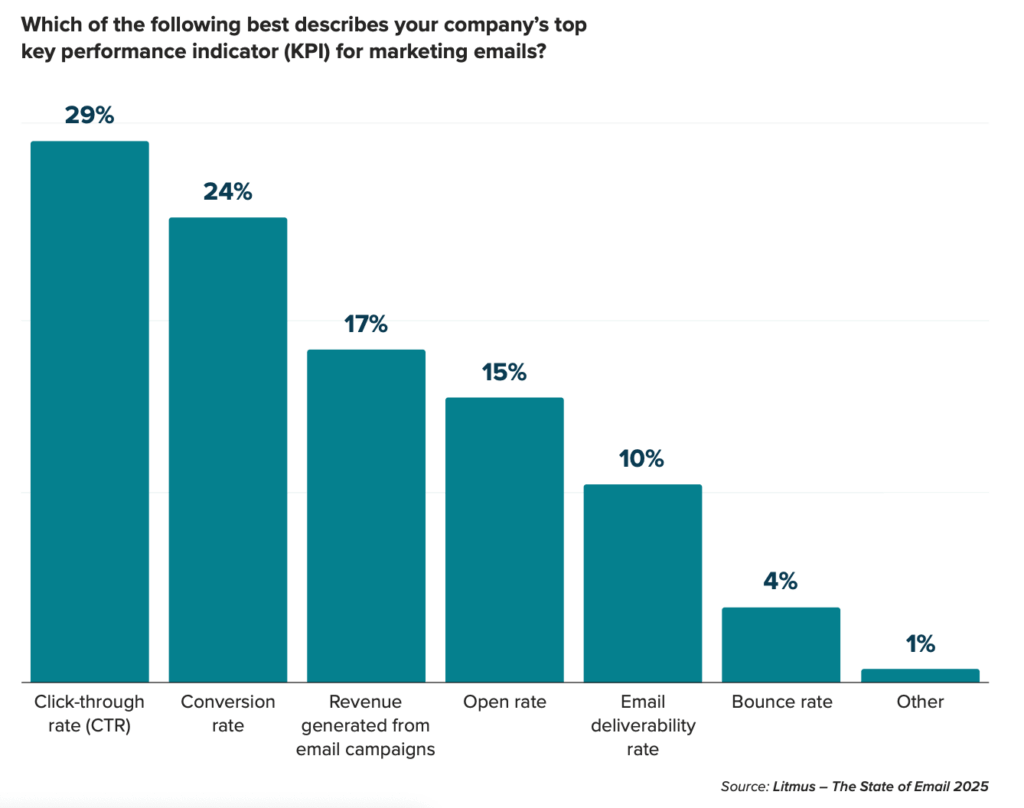
Key Performance Indicators (KPIs) provide the quantitative framework for assessing success. While bottom-of-funnel metrics like click-through rate (CTR), conversion rate (CR), and revenue per email (RPE) are frequently prioritized, a comprehensive strategy tracks a broader spectrum of metrics, including:
- Open Rate (OR): Indicates subject line effectiveness and sender reputation.
- Bounce Rate: Measures the percentage of emails that couldn’t be delivered.
- Unsubscribe Rate: Reflects content relevance and list fatigue.
- List Growth Rate: Tracks the expansion of the subscriber base.
- Deliverability Rate: The percentage of emails successfully reaching the inbox.
The selection and ranking of these KPIs depend entirely on the specific strategic objective. If the goal is to improve deliverability, then bounce rate and inbox placement are paramount, rather than immediate revenue figures. Price underscores the importance of value: “If you’re not delivering some level of value to the person on the recipient end of that email, then you’re not going to meet your goals. You have to connect with the customer, whether it’s with a discount, smart content, or emails that help them do what they want to do faster, better, and easier.”
Cross-Functional Synergy: The Modern Email Marketer’s Network
Email marketing does not operate in a silo. Its effectiveness is profoundly amplified through cross-functional collaboration. A strategic email marketer actively partners with other departments to create cohesive customer experiences and maximize impact:
-
Email Marketing + Product: When a new product or feature is launched, email marketers need a clear playbook. This collaboration ensures that product announcements are not merely showcases of new functionality but articulate the value proposition to the customer. “It has to start at the beginning with product. Why are they building what they’re building?” says Price. This proactive engagement allows email marketers to segment effectively by product interest and manage expectations. As Price notes, “It’s okay to push back based on what’s going to perform well” if a product team demands a massive campaign for a feature that only appeals to a niche segment.
-
Email Marketing + Customer Support: The support team is a goldmine of customer insights, understanding pain points and common inquiries. Email marketers can leverage this knowledge to build proactive onboarding sequences, retention nurture flows, and informative content that reduces support tickets. Giving the support team a heads-up about major email sends (e.g., pricing changes, new promotions) also enables them to prepare for potential customer queries, enhancing the overall customer experience.
-
Email Marketing + Sales: This partnership is crucial for harmonizing outbound communications. Sales teams, often driven by immediate results, can sometimes overwhelm prospects with cold emails that conflict with marketing’s nurture campaigns. A unified strategy, spearheaded by sales leadership, ensures that sales outreach complements marketing efforts, preventing prospect fatigue and building trust gradually. Price emphasizes, “Sales needs to understand what marketing’s job is and that value equation, so you’re not asking too much at the same time in every email campaign.” By teaching sales reps to build value-driven email sequences that educate rather than just sell, marketing can contribute to more qualified leads and better conversion rates, ultimately leading to higher demo approvals.
Emerging Trends: Shaping the Future of Email Strategy
While the core principle of delivering valuable emails remains constant, how marketers achieve this is continually evolving with new technologies and shifting consumer expectations:
-
Advanced Personalization Beyond the First Name: The days of merely inserting
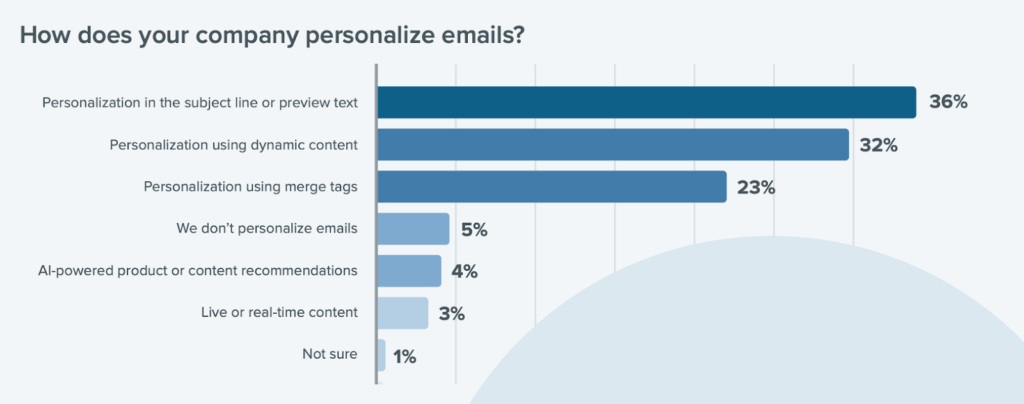
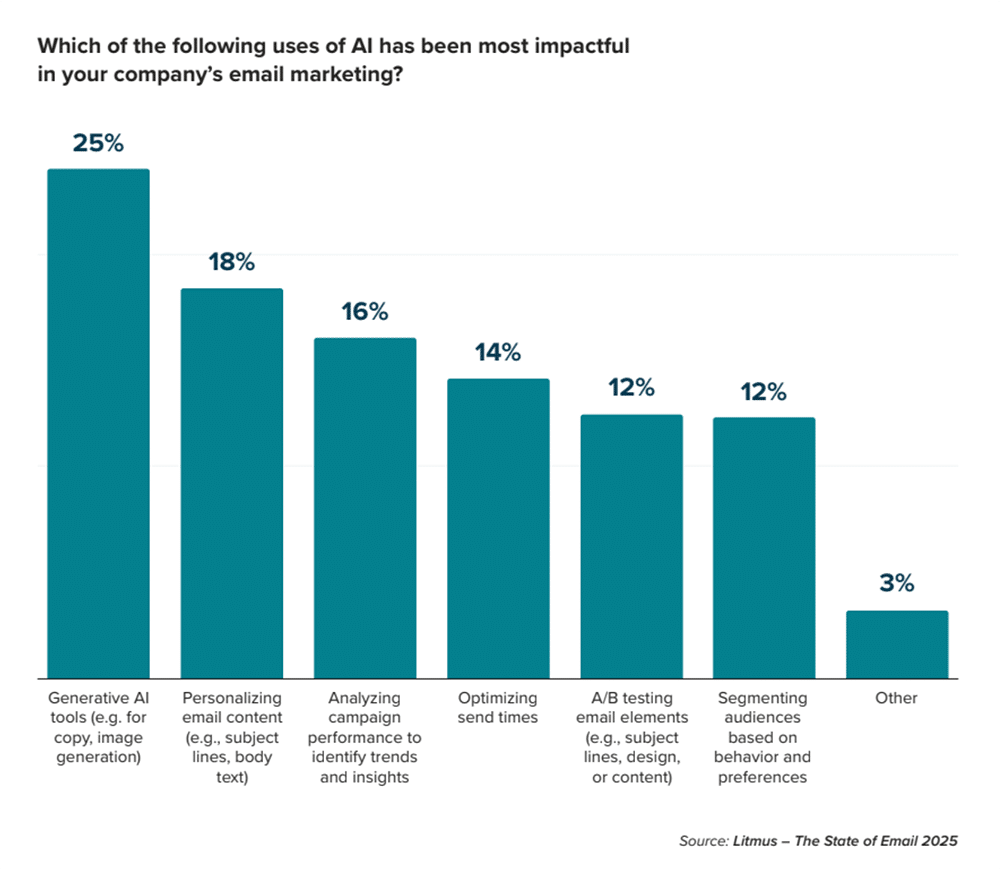
<first name>into a subject line as the pinnacle of personalization are long gone. While 25% of marketers consider personalization their most effective tactic, many still rely on basic merge tags. The frontier now involves dynamic content, live elements (e.g., interactive polls, countdown timers, personalized product recommendation engines), and behavior-based triggers. This level of personalization, while requiring more upfront effort, yields significantly higher engagement and relevance. Price cautions against generic AI use: “If you’re using AI just to send more emails without thinking about the subscriber on the other side, you’re not going to do well. It needs to be specific, targeted emails that are truly valuable.” -
Triggered Nurture Flows Over One-Off Blasts: Automation is key to scaling personalization. Behavioral-based emails, sent in response to specific subscriber actions (e.g., website visit, abandoned cart, purchase, integration setup), deliver the right message at the opportune moment. These automated nurture flows—welcome sequences, re-engagement campaigns, onboarding series, customer win-back emails—are highly effective because they meet subscribers where they are in their journey. As Price notes, “It’s so much more effective to respond when they take action,” ensuring maximum relevance and impact.
-
The Rise of AI-Powered Automation: Artificial intelligence is rapidly transforming email marketing. A significant majority of marketers anticipate AI playing a substantial role: 70% expect up to half of their email operations to be AI-driven by the end of 2026, with another 18% predicting 50-75% AI involvement. AI’s true power lies in augmenting human capabilities rather than replacing strategic thought. It can assist with content generation (subject lines, body copy drafts), audience segmentation, send time optimization, and A/B test analysis, freeing marketers to focus on higher-level strategy. However, caution is advised; AI outputs must be evaluated against unique market positioning and audience preferences, as “everyone else has access to this tool, too.”
-
Modular Email Production for Enhanced Efficiency: To execute complex strategies swiftly, email production workflows must be optimized. Modular email designs, which utilize reusable content blocks and templates, dramatically reduce production time. Data shows that 80% of teams using modular designs can create an email in two weeks or less. Despite this efficiency, only 28% of companies currently use a centralized design template system for brand consistency. A robust strategy includes developing a library of code snippets and a comprehensive email style guide that dictates branding, tone, accessibility standards, image usage, and calls-to-action. This standardization ensures brand consistency and allows teams to move faster, dedicating more time to strategic planning and less to repetitive coding.
Bringing Strategy to Life: Campaign Examples Across the Funnel
Understanding the various stages of the customer funnel is crucial for crafting impactful email campaigns:
-
Top of Funnel: Introduction and Engagement
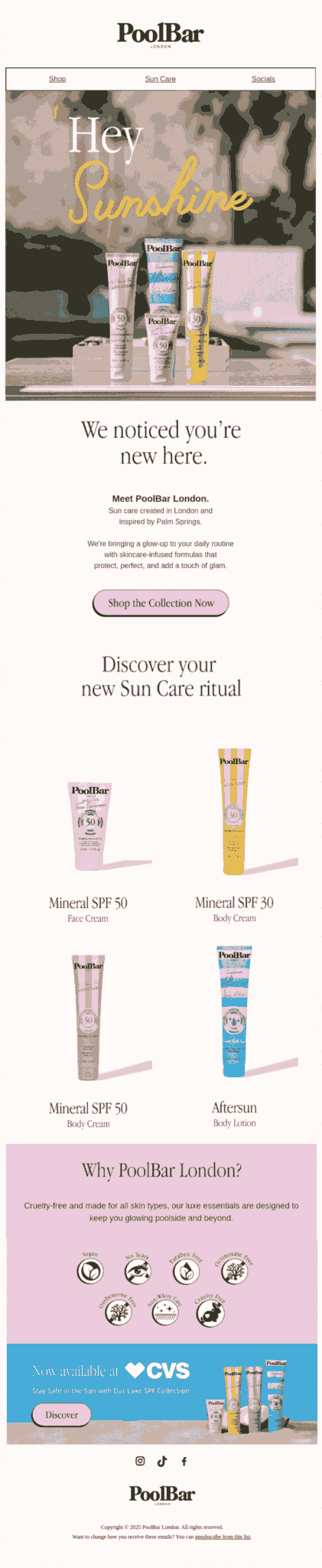
- Welcome Emails: These are often the most opened emails. They introduce the brand’s personality and value proposition. A strong welcome email, like one from PoolBar that visually invites subscribers into a vibrant community, sets the tone.
- Brand Storytelling/Newsletters: Campaigns like Patagonia’s audio content series demonstrate leading with value beyond direct product promotion, appealing to their audience’s lifestyle and interests.
- Product Updates (Educational): Miro’s newsletter, showcasing new features in an informative, newsletter-style format, can introduce product value without a hard sell.
-
Middle of Funnel: Education and Nurturing
- Educational Content: Emails that offer “how-to” guides, expert tips, or industry insights build trust and position the brand as a thought leader. They subtly showcase how the product can solve problems.
- Lighter Sell Product Showcases: Presenting new arrivals or product categories within an engaging design encourages exploration without overt sales pressure.
- Engagement Drivers: Emails prompting interaction, such as inviting prospects to a webinar or offering a free resource, deepen the relationship.
-
Bottom of Funnel: Conversion and Loyalty
- Case Studies and Testimonials: Emails highlighting customer success stories provide powerful social proof, demonstrating the tangible benefits of the product or service.
- Product Launches/Promotions: Direct and compelling offers, discounts, or exclusive access emails drive immediate conversions. A classic product launch with a fresh design can generate excitement.
- Customer Appreciation: Emails that celebrate customer milestones or offer exclusive perks foster loyalty and encourage repeat business. Puns and creative messaging in these emails can make them particularly memorable.
Tools for Strategic Execution

A well-defined strategy, when coupled with the right tools, empowers teams to execute efficiently and measure effectively. Key tools align with different strategic areas:
| Strategic Area | Key Questions | Example Tools |
|---|---|---|
| Segmentation | Who will receive this email? What are our goals for its performance? | ESPs like Salesforce Marketing Cloud, Mailchimp, Klaviyo, Campaign Monitor |
| Personalization | Can we add more engaging elements to the email? | Litmus Personalize, behavioral analytics tools like Customer.io |
| Automation and AI | What next step does our audience need to take? | ESP automation features, Litmus Assistant (AI) |
| Testing and Optimization | How does the email appear in every device and email client? | Litmus Test, Litmus Guardian |
| KPI Analysis | How did the email perform against our goals? | Litmus Analytics, Google Analytics |
Ultimately, even the most meticulous email marketing strategy remains theoretical until it reaches the inbox. Tools that streamline the email building, preview, and testing processes are indispensable for bringing strategic ideas to life flawlessly. Comprehensive analytics then close the loop, providing invaluable insights into subscriber behavior and informing continuous optimization. In an environment where email remains a dominant communication channel, a robust, data-driven strategy is not just a best practice, but a prerequisite for sustained success and meaningful engagement.









