
 rifanmuazin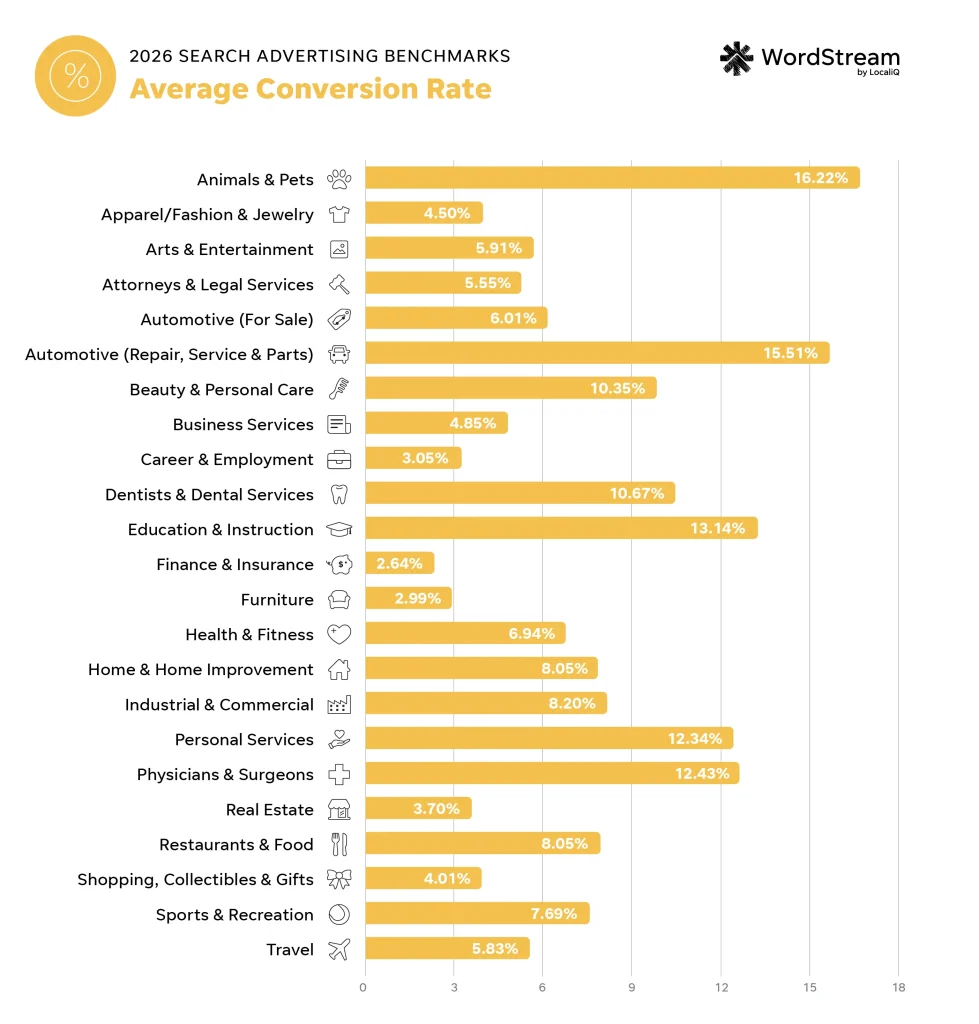
The digital advertising landscape, particularly within the realm of search engine marketing, has long been a dynamic and evolving frontier. For the past decade, one of the most anticipated annual releases offering a comprehensive overview of this landscape has been the Google Ads benchmarks report. This year marks a significant milestone as the exclusive report celebrates its tenth anniversary, continuing its tradition of providing advertisers with critical data and actionable insights. The latest iteration, covering campaigns from April 2025 to March 2026, analyzes over 13,000 search advertising campaigns across 23 diverse industries, offering a granular look at key metrics such as click-through rate (CTR), cost per click (CPC), conversion rate (CVR), and cost per lead (CPL) for both Google Ads and Microsoft Ads.
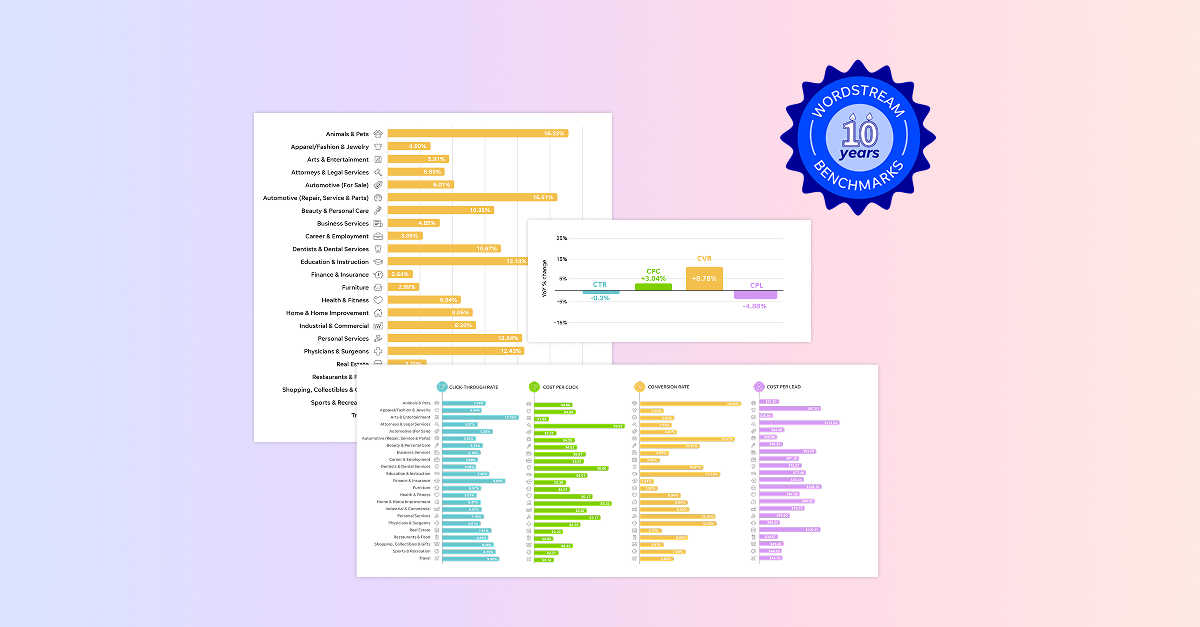
This year’s report not only delivers the latest average metrics but also provides expert analysis and strategic recommendations, empowering businesses to refine their search advertising strategies with data-driven confidence. Furthermore, it offers a valuable retrospective, charting the evolution of search ad benchmarks over the past ten years, a period marked by significant technological advancements and market shifts.
Key Search Ads Trends: A Stable Landscape with a Notable Shift in Lead Acquisition Costs
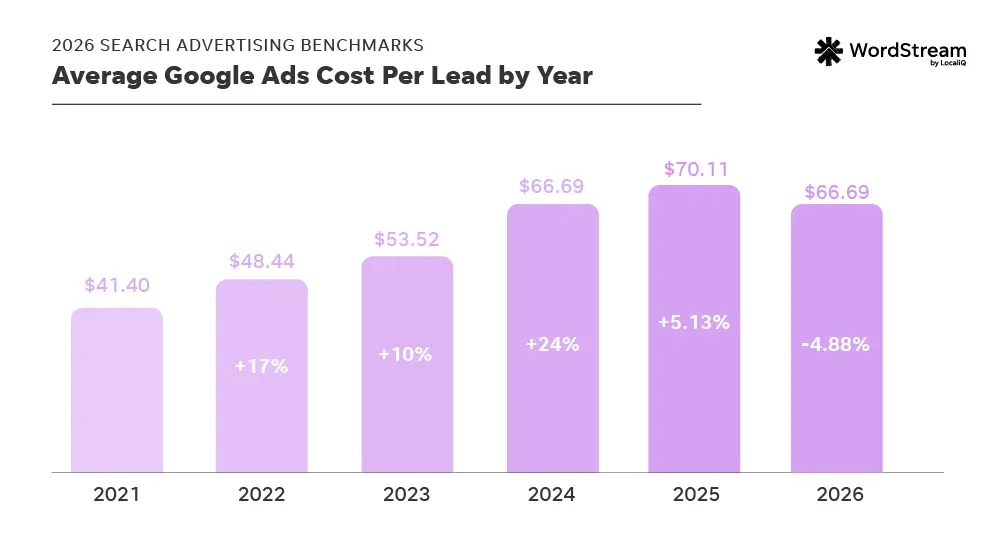
The overarching trend emerging from the 2026 Google Ads benchmarks report is one of considerable stability. Compared to the more volatile year-over-year changes observed between 2024 and 2025, which saw substantial fluctuations like a 12% increase in CPC and a 25% surge in CPL, the period between 2025 and 2026 presents a more mellow picture. The differences in key metrics are less pronounced, suggesting a maturing and more predictable search advertising environment.
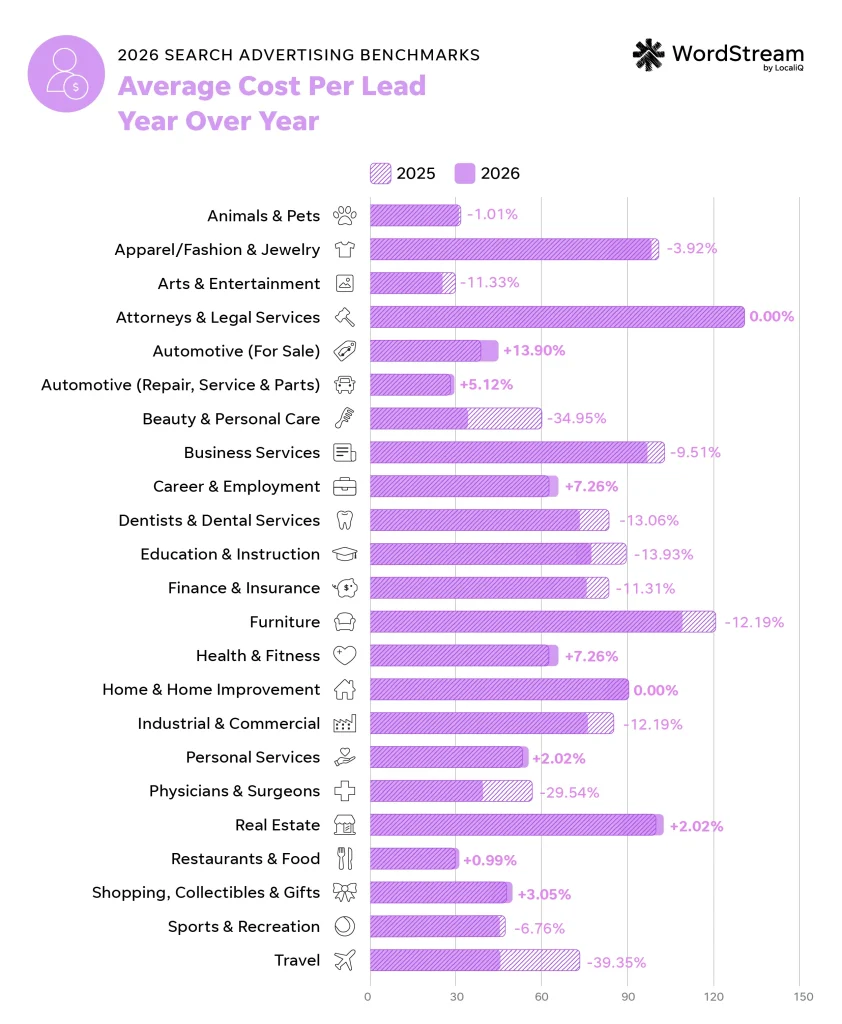
Perhaps the most striking revelation in this year’s analysis is the unprecedented decline in the overall average cost per lead across both Google and Microsoft Ads. This marks the first time in five years that CPL has decreased, offering a significant positive signal for advertisers navigating the current digital economy. This downward trend in lead acquisition costs could be attributed to a confluence of factors, including the increasing sophistication of AI-driven optimization tools and a greater advertiser understanding of platform functionalities.
Pepe Hernandez, a Senior Director of Optimization Strategy at LocaliQ, commented on this significant development: “Seeing an overall drop in cost per lead for the first time since before 2020 is a big signal that advertisers who’ve adapted to search platform changes are getting more stable and predictable results.” This sentiment is echoed by Brett McHale, Founder of Empiric Marketing, who noted, “With campaign types like Performance Max and other AI-driven settings such as AI Max, it’s become a lot easier to generate leads at a lower cost.” Advertisers appear to be finding a more efficient rhythm with an increasingly automated search environment, judiciously incorporating AI-powered tools like Performance Max and considering the impact of AI Overviews in their campaign planning.
Detailed Breakdown of Key Metrics for 2026
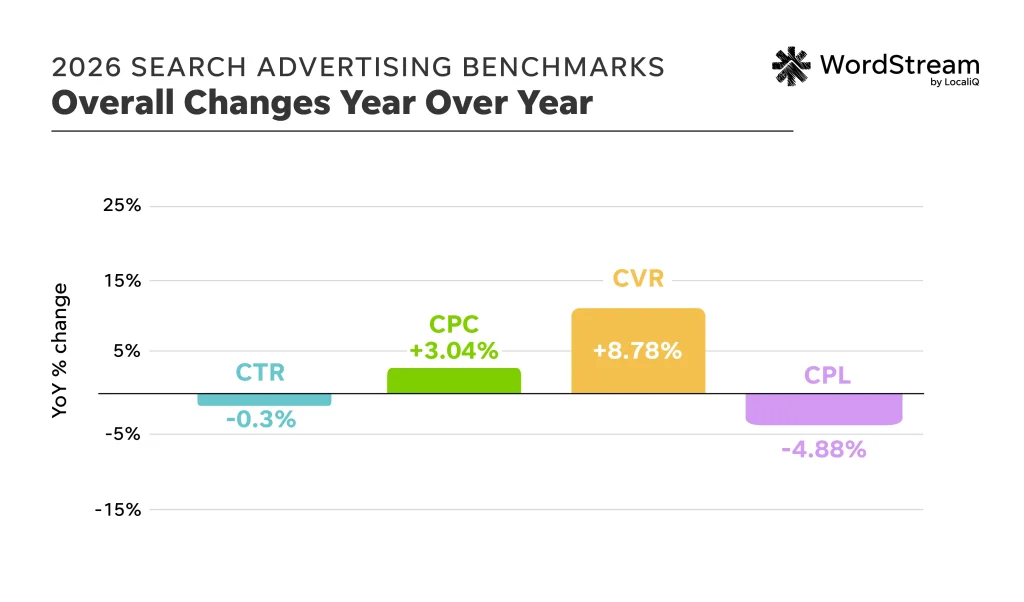
The report delves into the specifics of each of the four core metrics, providing industry-specific data and year-over-year comparisons.
Average Click-Through Rate (CTR)
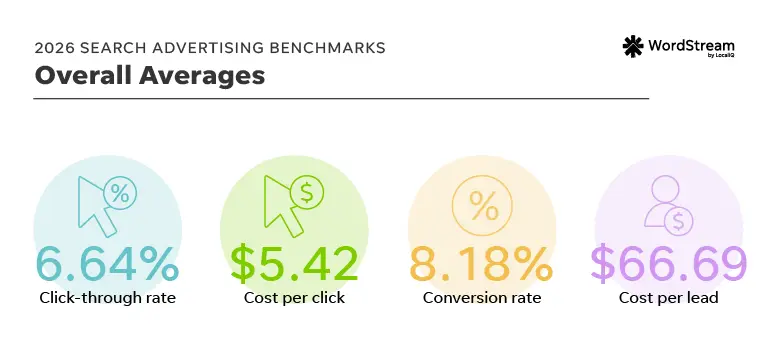
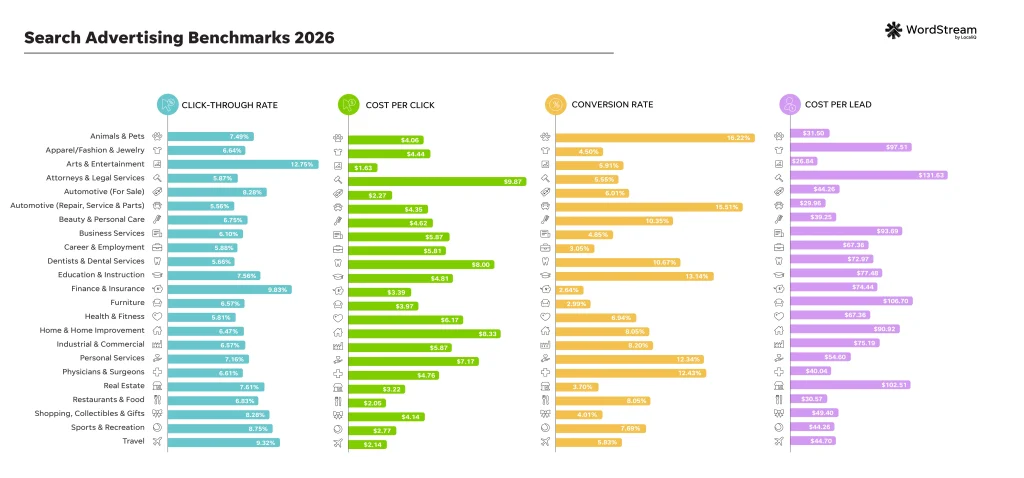
The average click-through rate in Google Ads for 2026 stands at 6.64%. CTR is a foundational metric, directly influencing ad efficiency and audience resonance. Higher CTRs generally indicate that ads are relevant and appealing to the target audience, leading to more cost-effective campaigns.
Colby Flood, Founder of Brighter Click, emphasized the importance of CTR: “Click-through rate is vital to assess the relatability and relevance of your ads to your target audience.” To enhance CTR, the report advises focusing on ad copy and creative elements. Leveraging Google’s automated features, such as AI Max for search campaigns, can also assist in generating more enticing and relevant ads. Stephanie Scanlan, Vice President of Customer Success at LocaliQ, suggests, “Test out different ad copy styles, or let AI Max try, and see what shifts yield the right kind of clicks and conversions.”
Industry-Specific CTR Averages:
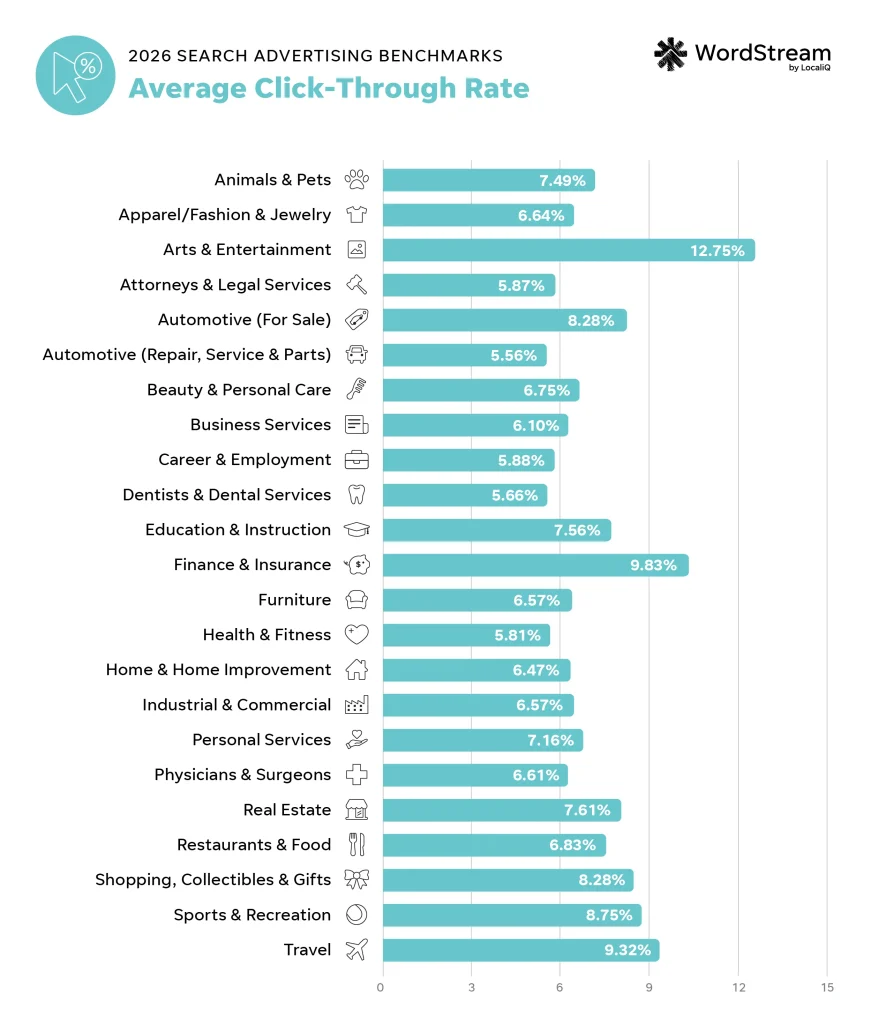
- Highest CTR: Arts & Entertainment (12.75%), Finance & Insurance (9.83%), Travel (9.32%)
- Lowest CTR: Automotive – Repair, Service & Parts (5.56%), Dentists & Dental Services (5.66%), Health & Fitness (5.81%)
Year-over-Year CTR Trends:
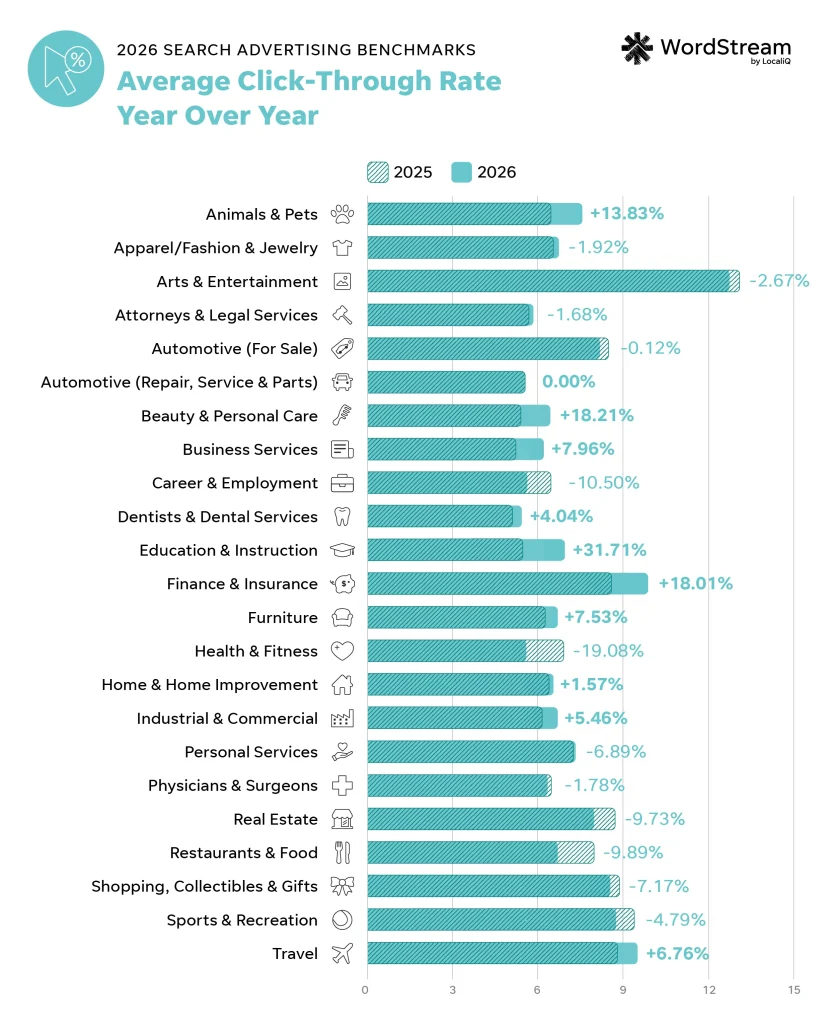
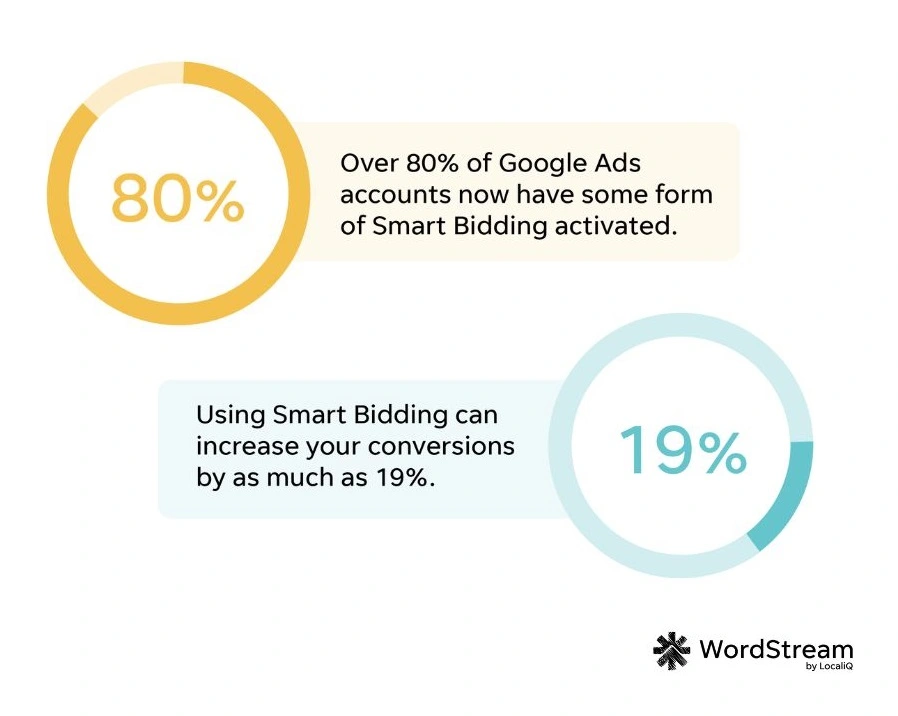
While market trends sometimes indicate a broader decline in CTRs, the report notes that clients utilizing the LocaliQ platform have experienced more stable and even improving CTRs. This outperformance is attributed to optimization strategies like Smart Bidding, AI Max, intent-based keyword management, and visual-first creative.
- Biggest YoY Improvements: Education & Instruction (+31.71%), Beauty & Personal Care (+18.21%), Finance & Insurance (+18.01%)
- Biggest YoY Drops: Health & Fitness (-19.08%), Career & Employment (-10.50%), Restaurants & Food (-9.89%)
Stephanie Scanlan further elaborated on industry-specific shifts, stating, “Specific industries will continue to see ebbs and flows based on what is happening in the world. The increase in the Beauty and Personal Care category is expected as influencer culture on consumerism has reached an all-time high. Likewise, with economic concerns brewing in news reports, we’re seeing more people searching for finance or insurance help.”
Average Cost Per Click (CPC)
The average cost per click in Google Ads for 2026 is $5.42. CPC is a primary concern for advertisers as it directly impacts the cost of acquiring a visitor to their website. While a lower CPC is generally desirable to maximize budget efficiency, the report cautions against an overemphasis on this metric alone, as cheaper clicks may not necessarily lead to conversions.
Cliff Sizemore, Senior Marketing Manager at LocaliQ, advises, “Focusing too much on cost per click can lead you to cheaper clicks that don’t convert. I pay close attention to conversion rate and cost per lead in relation to CPC.” The management of CPC is highlighted as a critical balancing act in PPC advertising.
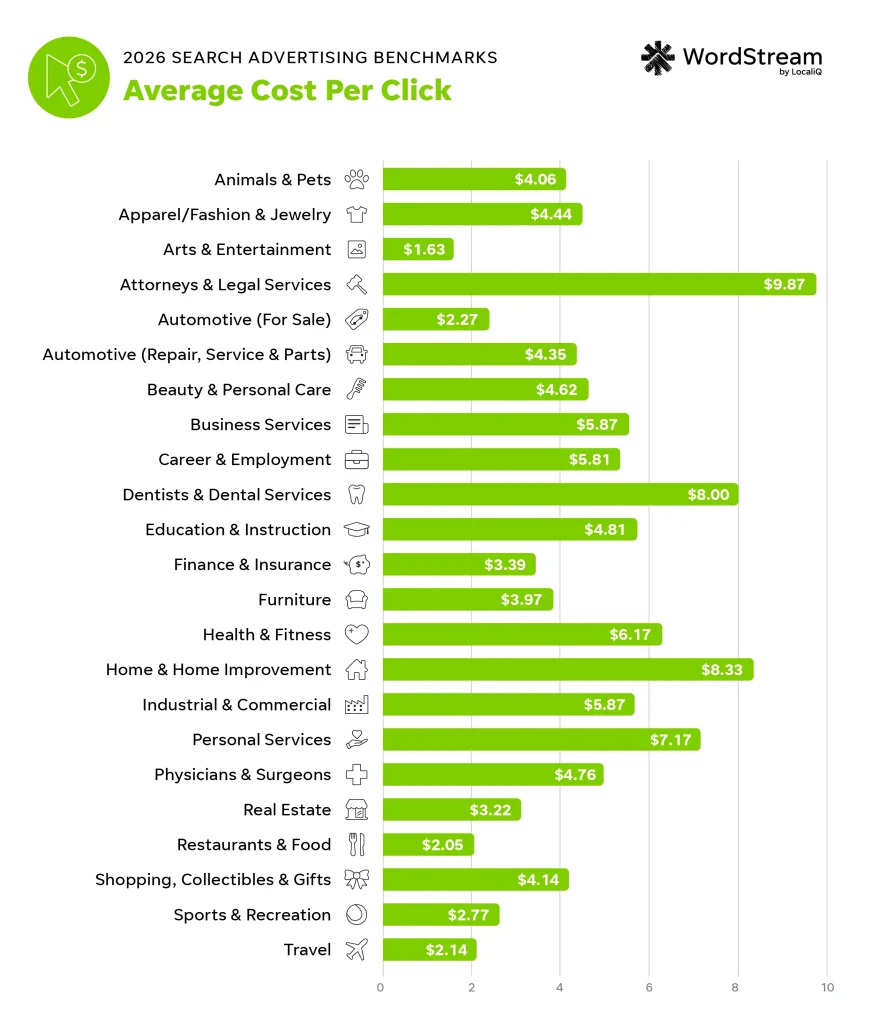
Industry-Specific CPC Averages:
- Lowest CPCs: Arts & Entertainment ($1.63), Restaurants & Food ($2.05), Travel ($2.14)
- Highest CPCs: Attorneys & Legal Services ($9.87), Home & Home Improvement ($8.33), Dentists & Dental Services ($8.00)
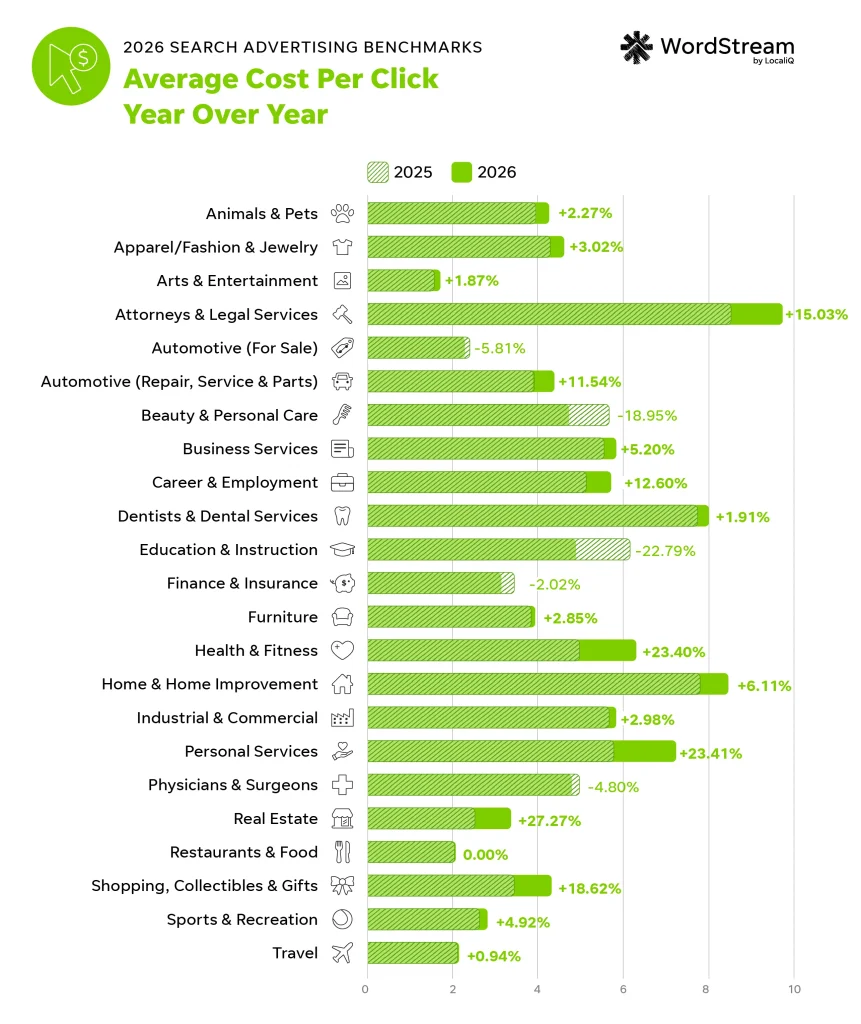
Year-over-Year CPC Trends:
Several industries saw significant decreases in CPC. Education and Instruction experienced the largest drop (-22.79%), followed by Beauty and Personal Care (-18.95%) and Automotive – For Sale (-5.81%). Conversely, Real Estate saw the most substantial increase in CPC (+27.27%), with Personal Services and Health & Fitness also experiencing notable rises (approximately +23.41%).
Average Conversion Rate (CVR)
The average conversion rate in Google Ads for 2026 is 8.18%. CVR is a crucial indicator of an ad campaign’s effectiveness in transforming clicks into desired actions, such as purchases, sign-ups, or inquiries. A high conversion rate signifies that ads are resonating with users and guiding them toward completing valuable actions.
Industry-Specific CVR Averages:
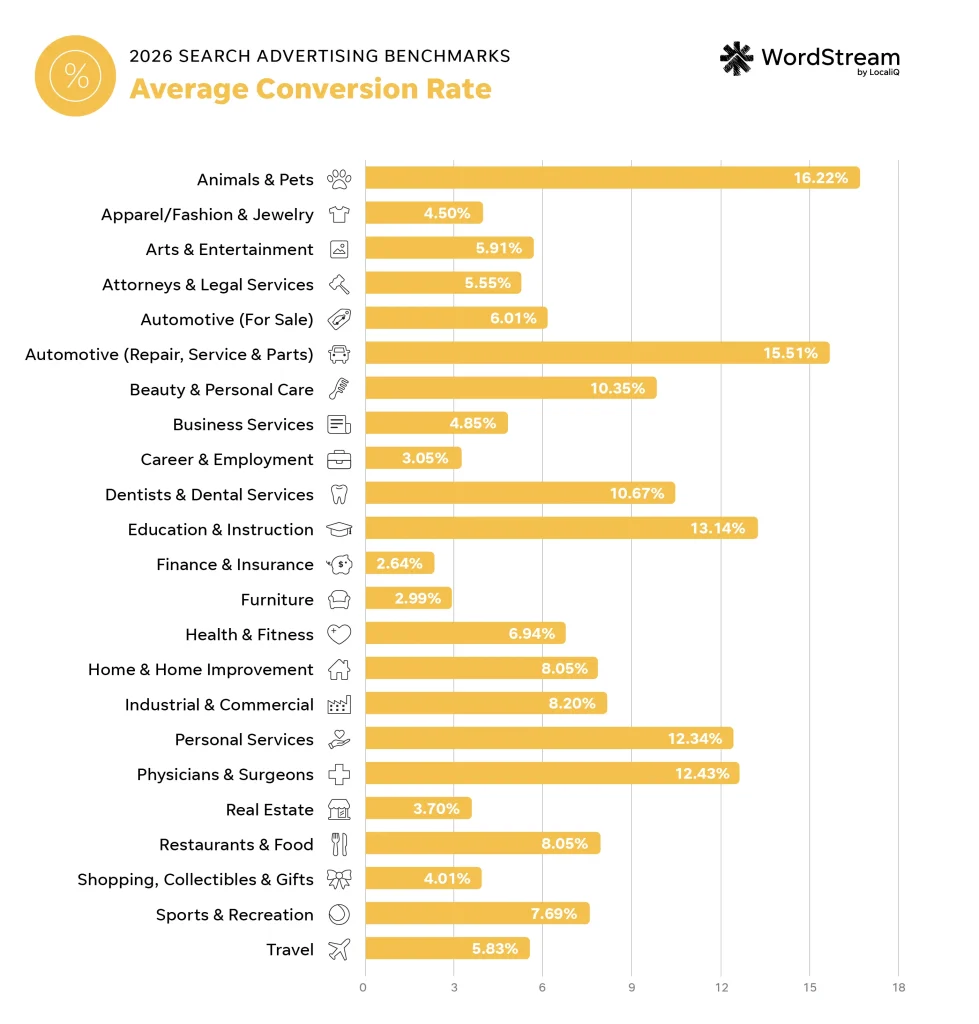
- Highest CVRs: Animals & Pets (16.22%), Automotive – Repair, Service & Parts (15.51%), Education & Instruction (13.14%)
- Lowest CVRs: Finance & Insurance (2.64%), Furniture (2.99%), Career & Employment (3.05%)
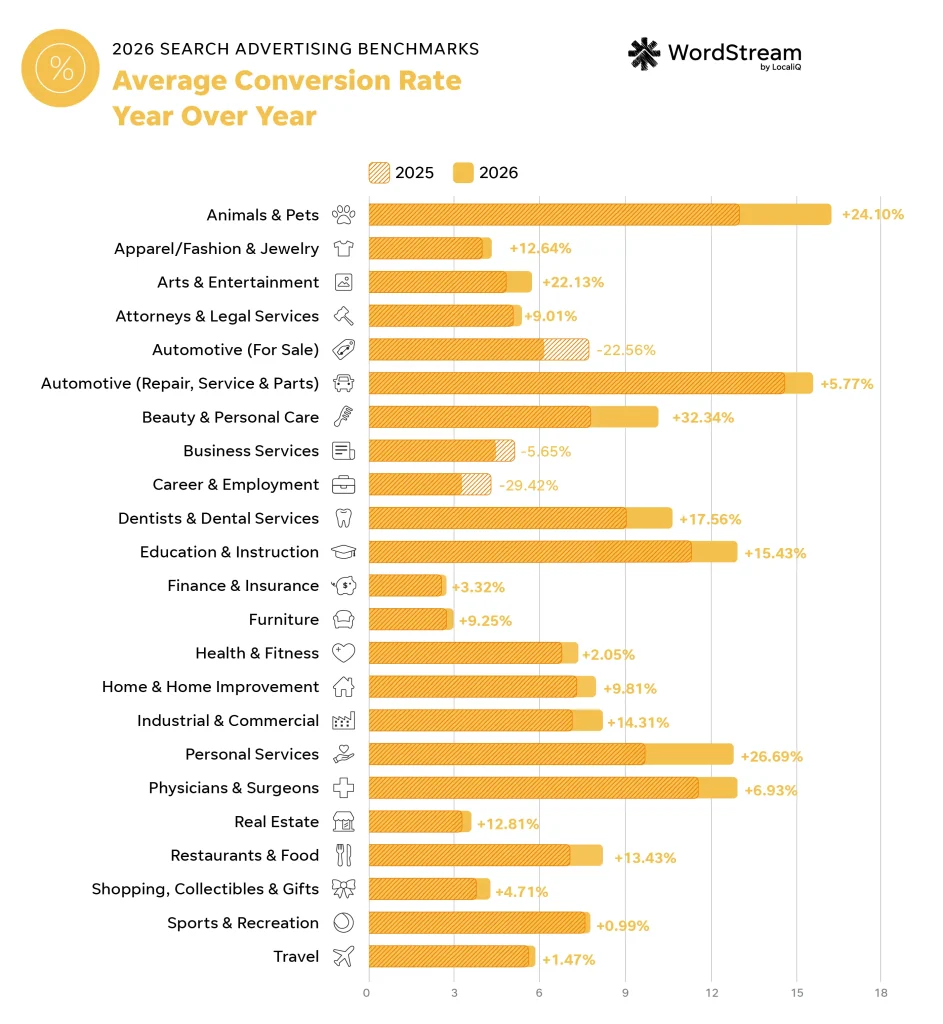
Year-over-Year CVR Trends:
The Career & Employment sector experienced a significant decline in CVR (-29.42%), followed by Automotive – For Sale (-22.56%) and Business Services (-5.65%). In contrast, Beauty & Personal Care saw a remarkable increase in CVR (+32.34%), along with Personal Services (+26.69%) and Animals & Pets (+24.10%). The report notes the continued year-over-year CVR decline in Career & Employment, potentially linked to broader economic conditions affecting the job market, while also emphasizing that businesses in this sector can still achieve success by adapting to advertising restrictions.
Average Cost Per Lead (CPL)
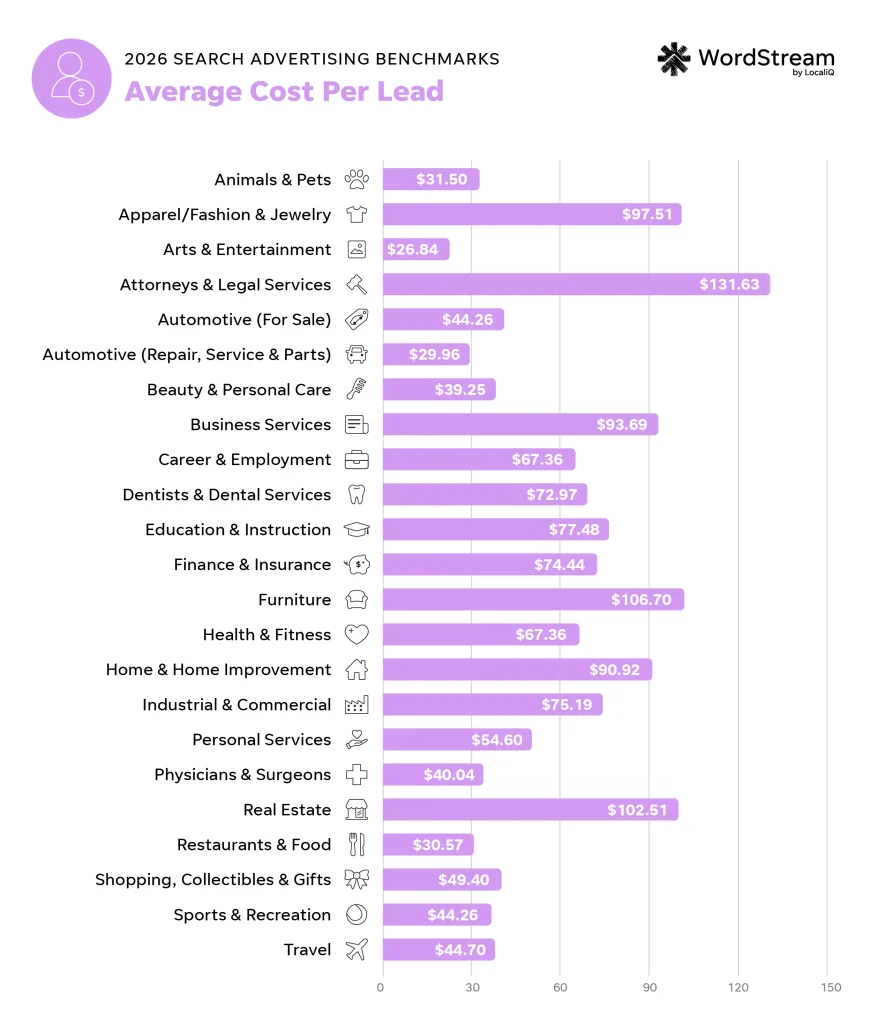
The average cost per lead in Google Ads for 2026 is $66.69. CPL is often referred to as the “money metric” as it directly ties ad performance to the cost of acquiring a potential customer. It provides a clear indication of the financial efficiency of lead generation efforts.
Kevin McClary, Head of Performance Marketing at Gorilla 76, stressed the importance of CPL: “Cost per lead is an important in-platform metric for measuring paid search success. But it’s even more important to track search leads to the down-funnel pipeline and revenue. High lead volume means nothing if those leads aren’t converting into revenue.” While CPL is a key metric, the report acknowledges that in some industries, a higher CPL can still be profitable if the leads are of high quality and convert into substantial revenue.
Industry-Specific CPL Averages:
- Lowest CPLs: Arts & Entertainment ($26.84), Automotive – Repair, Service & Parts ($29.96), Restaurants & Food ($30.57)
- Highest CPLs: Attorneys & Legal Services ($131.63), Furniture ($106.70), Real Estate ($102.51)
Year-over-Year CPL Trends:
The report highlights a significant decrease in CPL for several industries. Travel saw the largest reduction (-39.35%), followed by Beauty & Personal Care (-34.95%) and Physicians & Surgeons (-29.54%). Conversely, Automotive – For Sale experienced the highest increase in CPL (+13.90%), with Health & Fitness and Career & Employment both rising by 7.26%.
Implications and Strategic Guidance for Advertisers
The 2026 benchmarks report provides several key takeaways for businesses looking to optimize their search advertising strategies:
-
Prioritize Metrics Based on Goals: Advertisers are encouraged to move beyond a singular focus on metrics like CTR and CPC. Instead, they should align their measurement strategy with specific business objectives, recognizing that efficiency and volume are not always mutually exclusive. As Varun Penatsa, Senior Digital Marketing Manager at Freshpaint, advises, “try not to over-focus on any one metric.” The report emphasizes the need to look at the holistic performance of campaigns, considering how higher quality clicks might offset a lower CTR.
-
Embrace Continuous Optimization: The search ad landscape is constantly evolving. The report underscores the importance of regular account audits and a willingness to adapt strategies in response to market changes, economic conditions, and audience trends. Consistent campaign adjustments, with a recommended monthly review cycle, are crucial for maintaining effectiveness.
-
Leverage Automation: With the increasing prevalence of AI, automated features like Performance Max, Demand Gen, AI Max, and Smart Bidding are becoming indispensable tools. These technologies can enhance ad visibility, improve targeting, and optimize bids and budgets, often leading to higher conversion rates and greater profitability, even if direct click volume from standard search campaigns decreases. Navah Hopkins, Ad Product Liaison at Microsoft, notes, “AI-powered ad campaigns tend to have higher conversion and relevancy rates.”
-
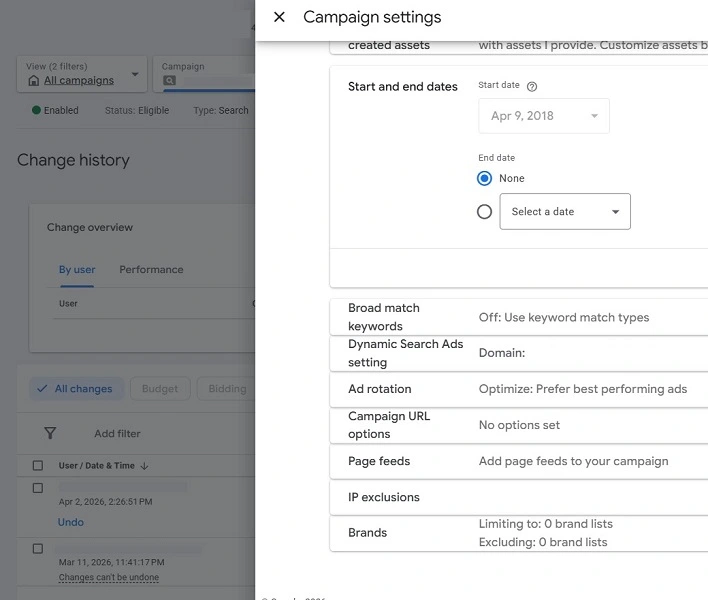
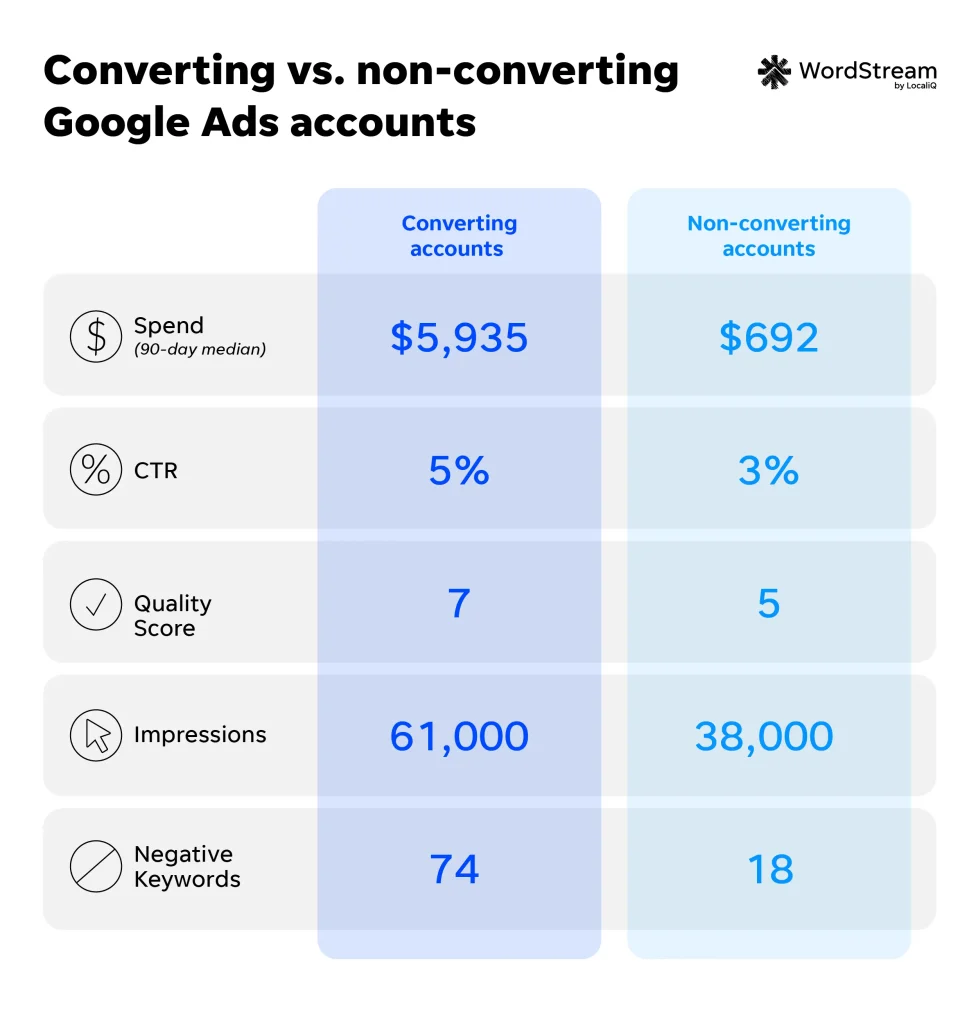
Fortify Account Fundamentals: Despite advancements in AI and automation, the foundational elements of search ad campaigns remain critical. Strong account structure, keyword relevance, ad copy, and landing page alignment significantly impact performance. Even minor optimizations, like the strategic addition of negative keywords, can yield substantial improvements in conversion rates.
-
Refine Targeting Granularity: The report stresses a shift from broad outreach to precise audience targeting. By focusing on quality over quantity, advertisers can identify and engage audiences more likely to convert. Utilizing custom audiences, remarketing lists, interest and demographic lists, and lookalike audiences allows for more effective ad delivery. Stephanie Scanlan highlights, “These benchmarks showcase that it isn’t about putting your ads and marketing efforts in front of all searches but the right searches.”
-
Data-Informed Decision-Making: The report advocates for using data to drive campaign optimizations. This includes not only tracking lead volume but also understanding the value of each lead and how it contributes to revenue. Conversion value tracking is presented as a crucial strategy for aligning performance marketing with broader business objectives.
A Decade of Benchmarks: Evolution of the Search Landscape
The tenth anniversary of the Google Ads benchmarks report offers a unique perspective on the dramatic changes within the search advertising industry. The report illustrates how average metrics have roughly doubled or tripled since its inception in 2016. This growth is attributed to several factors, including the increasing adoption of PPC by businesses, leading to heightened competition on search engine results pages (SERPs). Furthermore, external events and platform-specific initiatives, such as Google’s revenue strategies during its antitrust trial, have also influenced CPC fluctuations over the years.
The report’s design and data presentation have also evolved significantly over the past decade, reflecting the advancements in data visualization and the increasing complexity of the advertising landscape. The historical data serves as a testament to the enduring value of consistent, data-driven analysis in navigating the ever-changing world of digital advertising.
In conclusion, the 2026 Google Ads Benchmarks Report signifies a period of relative stability in search advertising, punctuated by a welcome decrease in the cost of acquiring leads. By understanding these trends and applying the strategic guidance provided, advertisers can enhance their campaigns, optimize their spending, and achieve greater success in the competitive digital marketplace.










