The digital landscape is undergoing a profound transformation, driven primarily by the rapid advancements in Artificial Intelligence (AI) and its integration into search engines. Once a simple tool for audience growth and brand building, blogging has evolved into a sophisticated strategic imperative, demanding a nuanced approach to content creation, optimization, and distribution. In an era where AI search platforms like Google’s AI Overviews are designed to answer user queries directly, the conventional wisdom of merely ranking for keywords is no longer sufficient; content must now stand out, provide unique value, and foster genuine trust to capture attention and maintain relevance. This comprehensive guide explores the multifaceted aspects of modern blogging, from finding inspiration and crafting compelling narratives to optimizing for an AI-centric search environment, cultivating an engaged audience, and effectively monetizing digital presence.
The Evolving Role of Blogging in the AI Search Landscape
Blogging, irrespective of a website’s primary function—be it an e-commerce store, a personal portfolio, or a corporate hub—has long been recognized as a cornerstone of digital strategy. Beyond its inherent capacity for fostering community and establishing thought leadership, blogging is an indispensable component of any robust Search Engine Optimization (SEO) strategy. The advent of AI search, particularly Google’s AI Overviews and similar generative AI features, has amplified this importance, placing a premium on content that is clear, thorough, and authoritative in its ability to answer user questions. Websites that neglect consistent, high-quality blogging risk falling behind in organic visibility and audience connection.
A Brief Chronology of Search Evolution:
The journey of search has progressed from rudimentary keyword matching in the late 1990s to sophisticated semantic understanding in the 2010s, capable of interpreting natural language and context. The current phase, dominated by generative AI, marks a significant leap, with search engines actively synthesizing information to provide direct answers, summaries, and personalized insights. This shift, accelerating since early 2023 with the wider rollout of AI-powered features, necessitates a proactive adaptation from content creators. Early industry reports indicated a significant shift in user interaction with search results, with up to 30% of queries potentially being resolved directly by AI summaries, underscoring the urgency for content to be both discoverable and summarizable.
Blogging as a Pillar of SEO:
Regular content updates signal to search engines that a site is active, dynamic, and relevant. This continuous stream of fresh information is crucial for maintaining and improving search rankings in both traditional listings and AI-generated snapshots. AI algorithms are designed to prioritize fresh, well-structured content that directly addresses user intent, making consistent blogging a competitive advantage. Furthermore, blogging expands a website’s keyword footprint, allowing it to rank for new terms and maintain visibility for existing ones. By addressing a diverse range of search intents—informational, navigational, transactional, or commercial—blogs can attract users at various stages of their research journey, drawing them into the site’s ecosystem.
Blogging as a Powerful Marketing Instrument:
Beyond SEO, a blog serves as an unparalleled marketing tool. It allows brands to connect with their audience on a deeper level, moving beyond transactional interactions to build narratives, share expertise, and offer valuable insights. Industry studies show that companies with active blogs generate, on average, 67% more leads than those without. People resonate with stories, not just advertisements. Sharing behind-the-scenes glimpses, customer success stories, or industry analyses humanizes a brand, fostering trust and loyalty. In an age where consumers are increasingly discerning, authentic engagement provided by a quality blog can be the differentiator that converts a casual visitor into a loyal customer. AI search, in turn, is learning to prioritize content from brands that demonstrate established trust and authority within their niche, making authentic blogging an indirect but powerful driver of AI-era visibility.
As Carolyn Shelby, Principal SEO at Yoast, aptly states, "A blog isn’t valuable just because it exists. It becomes valuable when it helps your audience solve problems, understand something better, or see your expertise in action. In today’s search landscape, the goal isn’t simply to publish, or even to publish more. It’s to create content worth being found, cited, and remembered." This sentiment underscores the critical need for substance and genuine utility in every piece of content published.
Strategic Setup and Content Generation for the Modern Blog

Establishing a new blog or revitalizing an existing one requires meticulous planning. Pre-computation and strategic foresight are crucial to prevent future complications, especially given AI search’s preference for well-organized, intent-driven content.
Defining Your Niche and Conducting Keyword Research:
The foundational step involves defining a clear niche and conducting thorough keyword research. This process transcends merely identifying high-volume search terms; it necessitates understanding the specific questions, problems, and curiosities of the target audience. Modern keyword research extends to conversational queries, long-tail phrases, and the underlying intent behind searches, which are critical for optimizing for AI-powered results. Tools that analyze user questions and common discussion points within online communities can reveal invaluable insights. This systematic approach ensures that content directly addresses audience needs, positioning the blog as a go-to resource.
Structuring for Clarity and Searchability:
A well-defined blog structure, encompassing categories, subcategories, and cornerstone content, is paramount. A logical hierarchy aids both human readers and search engine crawlers in navigating content, thereby enhancing engagement and improving potential rankings. This involves mapping out topic clusters—groups of interconnected content centered around a broad subject, with a pillar page serving as the main hub. Such structures facilitate robust internal linking strategies, reinforcing topical authority and distributing link equity throughout the site. A strong structural foundation allows for greater adaptability as AI search algorithms continue to evolve.
Inspiring Content Ideas in an AI-Driven World:
Ideas are the lifeblood of any successful blog. While traditional sources of inspiration—current events, reader comments, personal expertise, and industry news—remain valuable, the AI era introduces new avenues. Observing frequently asked questions on AI platforms like ChatGPT, Google Gemini, or Perplexity, or utilizing tools like Yoast AI Brand Insights to understand how a brand is perceived by chatbots, can unearth rich content opportunities. Analyzing website analytics to identify top-performing posts, understanding reader retention metrics, and doubling down on successful formats are also crucial. The objective is not to replicate existing content but to offer a fresh perspective, deeper analysis, or unique solution that distinguishes it from the vast ocean of information. Maintaining an organized list of ideas ensures that inspiration is captured and leveraged effectively.
Leveraging AI for Content Planning:
Tools such as the Yoast AI Content Planner exemplify how technology can streamline content creation. Available to Yoast SEO Premium users, this feature analyzes existing content, identifies strategic gaps, and generates tailored post ideas. Each suggestion comes with a draft framework, including a title, outline, focus keyphrase, meta description, and section notes, significantly accelerating the ideation and initial drafting process. This integration within the WordPress editor allows creators to move from a blank page to a structured first draft in minutes, addressing the common challenge of writer’s block while maintaining a strategic alignment with content goals.
Crafting High-Quality, AI-Resilient Blog Posts
The core of any successful blog lies in the quality of its content. In the age of AI-generated content, human-authored originality and clarity are more critical than ever.
The Imperative of Original Content:
In a landscape increasingly saturated with AI-generated text, originality has become a non-negotiable attribute. Google’s recent warnings emphasize that AI search tools are designed to filter out generic, repetitive, or "commodity content" that merely rehashes existing information without adding distinct value. Content must offer a unique perspective, proprietary data, personal experience, or an innovative solution. The goal is to create content that teaches, solves a problem, or illuminates a topic in a way that others do not. This commitment to unique insight and human expertise is what AI cannot replicate and what search engines increasingly prioritize. Blogs that demonstrate high levels of E-E-A-T (Experience, Expertise, Authoritativeness, Trustworthiness) through original content are more likely to be cited and remembered by both users and AI systems.
Prioritizing Readability:
Even the most original content loses impact if it is difficult to read. Readability is paramount for user engagement and, consequently, for SEO. AI search algorithms favor content that is well-structured, easy to scan, and simple to digest. Clear paragraph breaks, concise sentences, logical subheadings, and a straightforward vocabulary ensure that the message is understood quickly. Studies indicate that articles with higher readability scores tend to have lower bounce rates and longer dwell times, signals that positively influence search rankings.

Practical Writing Strategies:
- Pre-Writing Planning: Before drafting, define the target audience, the core message, desired reader actions, and the logical flow of topics. This structured approach ensures focus and efficiency.
- Clear Paragraphs: Adopt an inverted pyramid style, starting each paragraph with the most important sentence, followed by explanations or elaborations. Keep paragraphs concise (typically 5-7 sentences) to facilitate skimming. Avoid jargon and complex sentence structures where simpler alternatives exist.
- Leveraging Tools and Feedback: Tools like the Yoast SEO plugin offer real-time readability analyses, flagging long sentences and suggesting transition words, which are crucial for content favored by AI search. Yoast AI Optimize, available in Yoast SEO Premium, further refines writing for clarity and impact. Crucially, external proofreading by a fresh pair of eyes is invaluable for catching errors and ensuring message clarity. If a proofreader struggles, the audience will too.
Optimizing for Search Engines in the AI Era
After crafting original and readable content, the final step is meticulous optimization for search engines. This process, often referred to as "Yoasting your post" when using Yoast SEO, involves strategic adjustments that enhance discoverability without compromising content integrity.
The Role of Yoast SEO:
Yoast SEO provides a suite of tools to fine-tune posts, guiding creators through a checklist of best practices. This includes optimizing titles, meta descriptions, image alt text, internal and external links, and focus keyphrases. The plugin’s analyses help identify opportunities for improvement, ensuring the content is technically sound for both traditional and AI-powered search. While automation is helpful, human oversight remains essential; the goal is not to "game the system" but to maximize the content’s genuine value and visibility. Continuous monitoring and adaptation based on performance data are crucial for sustained success.
Enhancing Blog Engagement and Distribution
Creating compelling content is only half the battle; ensuring it reaches and resonates with the target audience is equally vital. Engagement signals—comments, shares, mentions, and citations—are increasingly factored into search algorithms, signaling authority and trust.
Fostering Community Through Comments:
Active comment sections, coupled with thoughtful responses from the blog owner, signify a vibrant and interactive platform. Engaging with comments, answering questions, and participating in discussions builds a loyal community and demonstrates that the audience’s input is valued. While positive feedback is easily managed, negative comments require a professional, constructive approach to maintain brand reputation.
Leveraging Social Media and Newsletters:
Social media platforms offer powerful avenues for content distribution and audience connection. Beyond traditional platforms like Facebook and X (formerly Twitter), visual-first platforms like Instagram and TikTok are essential for reaching younger demographics, particularly through short-form video content like Reels. Industry data indicates that social media can significantly amplify content reach, with viral posts sometimes driving millions of impressions.
Newsletters serve as a direct, algorithm-independent channel to the audience. By collecting email subscribers and sending regular updates—featuring new posts, exclusive insights, special offers, or behind-the-scenes content—bloggers can cultivate a dedicated readership and drive repeat traffic. Email marketing consistently yields a high return on investment, often cited as one of the most effective digital marketing channels.

Monetizing Your Blog Effectively
While many bloggers focus on community building or expertise sharing, monetization remains a significant objective for others. A well-executed monetization strategy can transform a passion project into a sustainable business.
Key Monetization Strategies:
- Affiliate Marketing: Earning commissions by promoting products or services from other companies.
- Advertising: Displaying ads through platforms like Google AdSense or direct partnerships.
- Selling Digital Products: Creating and selling e-books, courses, templates, or software.
- Selling Physical Products: Direct sales through an integrated e-commerce store, leveraging blog content to drive traffic and build product awareness.
- Sponsored Content: Partnering with brands to create sponsored posts or reviews.
- Consulting/Services: Offering expertise or services related to the blog’s niche.
- Donations/Patreon: Receiving direct support from readers.
For online shops, the blog serves as a critical organic traffic driver, naturally linking to product pages and bolstering overall SEO, thereby indirectly increasing sales.
Sustaining Growth: Maintaining and Adapting Your Blog
The initial excitement of starting a blog often gives way to the challenges of long-term maintenance. Consistency, adaptability, and strategic management are crucial for sustained growth.
The Importance of Consistency:
While daily blogging is not necessary, establishing a consistent publishing schedule and adhering to it builds reader expectations and trust. Discipline in content creation and management is a hallmark of successful blogs.
Addressing Common Challenges:
As a blog expands, new complexities arise. These include:
- Content Freshness: Regularly updating old content to ensure accuracy and relevance, particularly important for AI search which prioritizes up-to-date information.
- Multi-Author Management: Implementing clear editorial guidelines, workflows, and quality control processes for blogs with multiple contributors.
- Traffic Declines: Conducting regular SEO audits to identify causes (e.g., algorithm changes, technical issues, content decay) and implement corrective measures.
- Maintaining Site Structure: Continuously reviewing and refining categories, tags, and internal linking to ensure a logical, SEO-friendly hierarchy.
Strategic Site Structure:
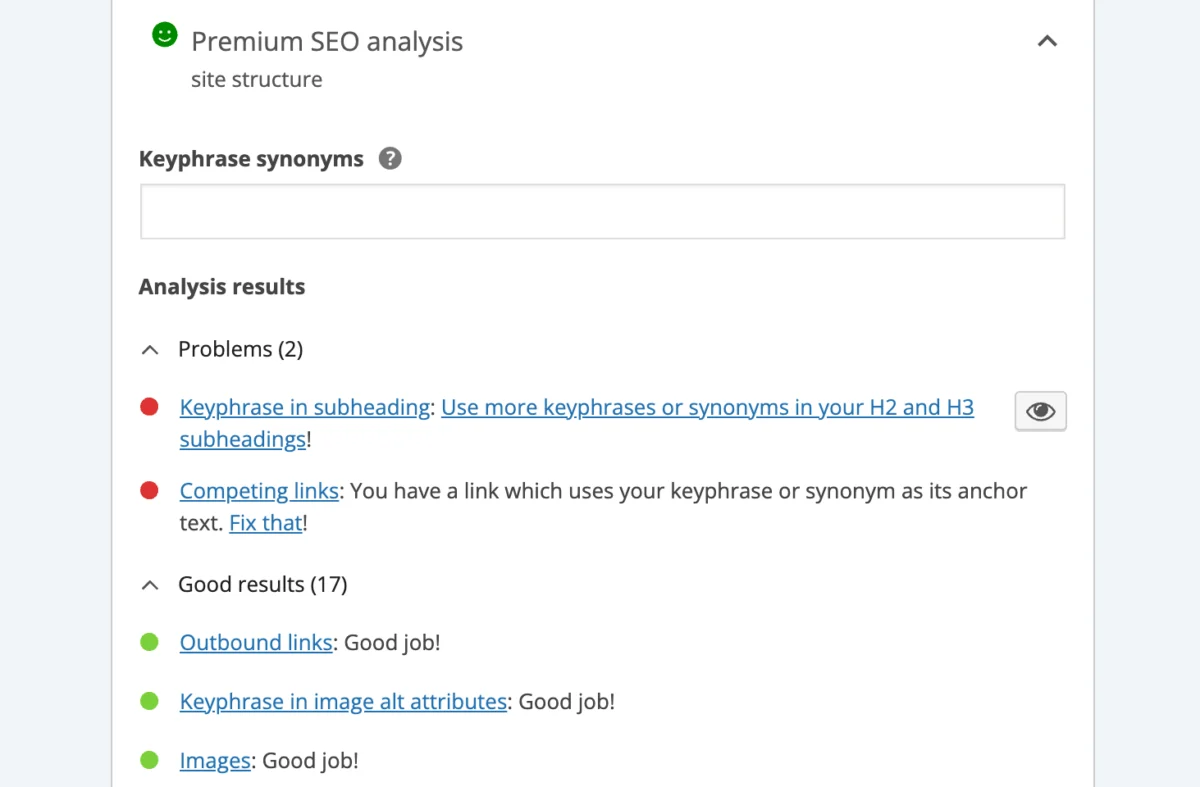
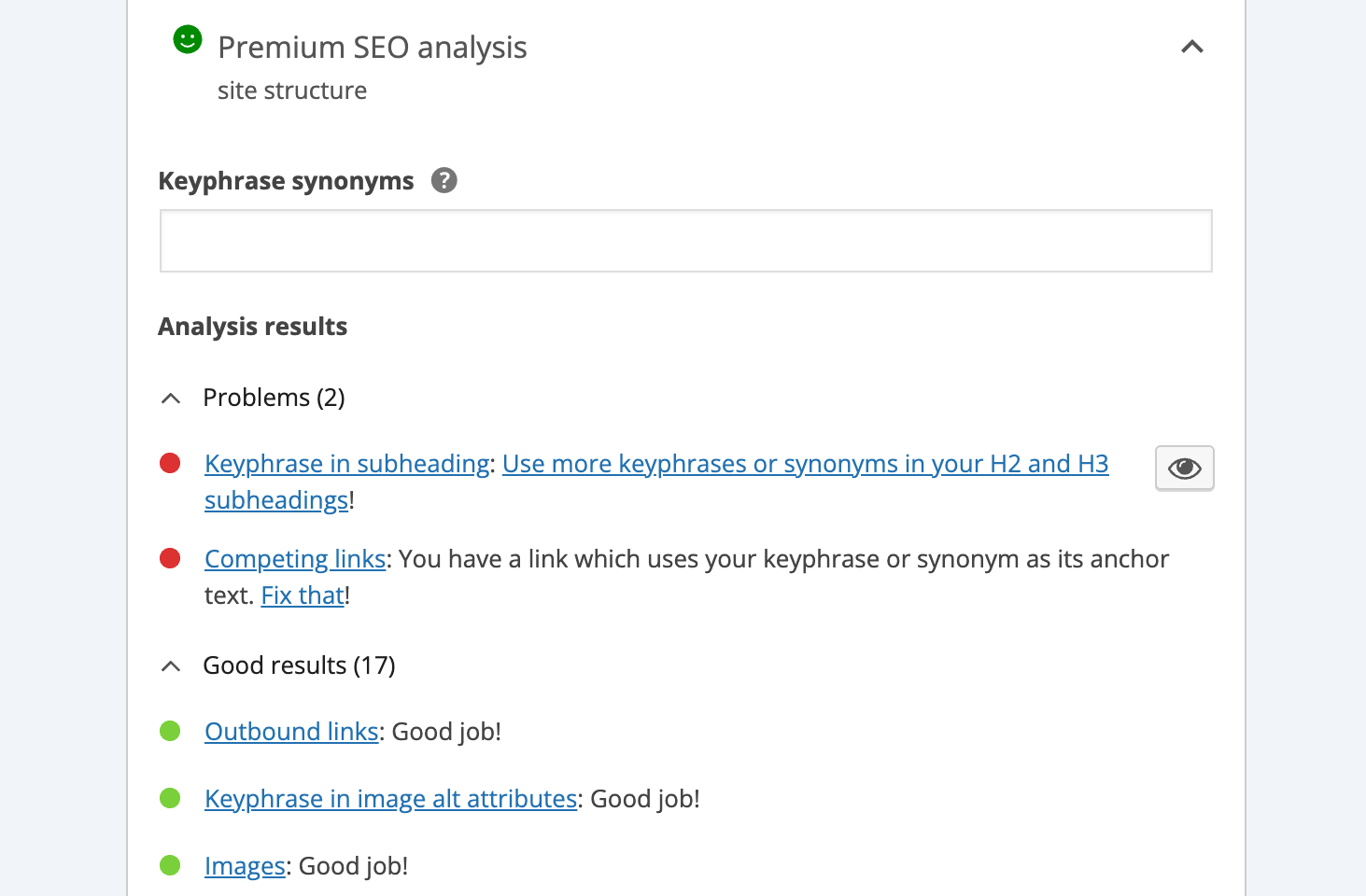
Regular structural analysis is paramount. Organizing content into topic clusters, where related posts are grouped around pillar pages, enhances topical authority and user navigation. For example, a "SEO Basics" pillar page could link to detailed articles on "Keyword Research," "On-page SEO," and "Technical SEO." As new content is published, integrating internal links to 2-3 relevant older posts strengthens the overall link graph. Conversely, content pruning—identifying and removing or redirecting low-value, outdated, or underperforming posts—maintains a lean, high-quality content inventory, preventing clutter and improving site health.
Content Planning for Scale:
For growing blogs, content creation shifts from spontaneous output to strategic planning. Utilizing editorial calendars to map out topics, deadlines, and author assignments in advance ensures a consistent content flow aligned with overarching goals. Documenting guidelines for voice, style, and formatting maintains brand consistency across all posts. Regular content audits help identify gaps in coverage, adapt to emerging trends, and ensure the blog remains a valuable resource.
Avoiding Content Cannibalization:
In mature blogs within specific niches, the risk of keyword cannibalization—where multiple articles compete for the same or similar keyphrases—becomes a concern. This confusion for search engines can dilute ranking potential for all competing pages. Proactive SEO audits are essential to identify and rectify cannibalization issues, often through consolidating content, refining focus keyphrases, or implementing canonical tags.
Conclusion: The Future of Blogging in an AI-Driven World
Blogging remains one of the most potent instruments for digital growth, transcending its traditional roles to become a critical component of AI-era search visibility and audience engagement. It is a dynamic force capable of boosting search rankings, cultivating trust, and converting visitors into loyal followers. However, achieving optimal results in this evolving landscape demands more than just well-written prose; it requires a strategic, adaptive, and human-centric approach.
Success in the AI-driven digital realm hinges on a robust keyword strategy that deeply understands user intent. Content must be inherently original, meticulously structured, and relentlessly focused on delivering unique value to both human readers and AI search algorithms. Google’s algorithms increasingly reward clarity, depth, and demonstrable expertise. As blogs expand, disciplined content planning, ongoing site structure maintenance, and proactive audience engagement are indispensable. By embracing these principles and leveraging available tools, content creators can build blogs that not only rank prominently but also establish enduring authority and deliver tangible value in an increasingly intelligent online world.