The digital marketing landscape experienced a flurry of significant developments on September 25, 2026, with Google rolling out a new algorithm update targeting spam, alongside crucial updates to its video structured data properties. Microsoft’s Bing continued its aggressive push into AI-powered search with a new "AI Mode" test, while OpenAI faced scrutiny over alleged "cheating" practices involving its quality raters. These announcements, alongside critical updates concerning Google Local Service Ads, Business Profiles, Google Ads, and Google Posts, underscore the relentless pace of evolution within search engine optimization (SEO) and paid advertising (PPC) sectors.
Google Unleashes New Spam Update with Two-Week Rollout
The most impactful news of the day emerged from Google, which confirmed the release of a new algorithm update specifically designed to combat spam. Unlike a broad "core update" that often re-evaluates overall content quality and ranking factors, this update is singularly focused on identifying and neutralizing spammy tactics and low-quality content that violate Google’s Webmaster Guidelines. This focused approach suggests Google is refining its mechanisms to detect and penalize manipulative practices more precisely, aiming to deliver cleaner, more relevant search results to users.
Google’s announcement specified an unusually protracted rollout period of two weeks, a duration significantly longer than the typical few days observed for many smaller updates. This extended timeline could indicate a number of factors: the update’s comprehensive nature, its deployment across various data centers globally, or the intricate testing phases involved to minimize unintended consequences on legitimate websites. For webmasters and SEO professionals, a two-week rollout means an extended period of potential ranking volatility. During this time, site owners are advised to closely monitor their analytics for shifts in organic traffic and keyword rankings. The prevailing advice from Google remains consistent: prioritize creating high-quality, user-centric content that adheres strictly to ethical SEO practices. Sites engaging in practices such as keyword stuffing, cloaking, doorway pages, scraped content, or other forms of manipulative link building are likely targets. This update serves as a stark reminder of Google’s unwavering commitment to maintaining the integrity of its search results against an ever-evolving landscape of spam techniques. The SEO community is already buzzing with discussions, with many preparing for careful analysis of ranking fluctuations and subsequent adjustments to their digital strategies.
Enhanced Video Structured Data Bolsters Rich Results
Another significant development from Google involved updates and new properties for video structured data. Structured data, formatted code added to a webpage, helps search engines understand the content and context of the information presented. For video content, this is particularly crucial as it enables search engines to display videos with rich results, such as thumbnails, descriptions, and duration, directly within search results pages. These rich snippets significantly enhance visibility and click-through rates, making it easier for users to find and engage with video content.
The new properties and updates signify Google’s ongoing investment in improving the discoverability and presentation of multimedia content. As video consumption continues its meteoric rise across all demographics, ensuring that video content is properly indexed and displayed becomes paramount for content creators and publishers. Implementing the latest video structured data guidelines allows videos to qualify for prominent features like video carousels, key moments, and live badges, which can dramatically increase organic reach. For instance, new properties might include more granular details about video segments, accessibility features, or licensing information, providing search engines with richer context. The implication for publishers is clear: updating their video schema is no longer optional but a strategic imperative to remain competitive in the visual search landscape. This move aligns with Google’s broader efforts to cater to evolving user search behaviors, which increasingly involve visual and auditory content.
OpenAI’s Quality Raters Under Scrutiny Amidst "Cheating" Allegations
Beyond the immediate realm of search engine algorithms, the broader AI industry faced a moment of introspection as reports surfaced regarding OpenAI’s use of quality raters and associated allegations of "cheating." While specific details of the alleged misconduct remain under wraps, the general practice of employing human quality raters is a standard and critical component of developing and refining large language models (LLMs) and other AI systems. These raters provide crucial human feedback (Reinforcement Learning from Human Feedback – RLHF) to train AI models, helping them understand nuances, generate more accurate responses, and align with desired ethical guidelines.
The "cheating" allegations, if substantiated, could raise serious questions about the integrity of the data used to train OpenAI’s models, potentially impacting the reliability and fairness of their AI outputs. In the nascent but rapidly maturing field of AI, data quality and ethical data collection practices are paramount. Any compromise in this area could undermine public trust in AI systems, lead to biased outputs, or necessitate costly retraining efforts. This development highlights the complex challenges associated with scaling AI development responsibly and transparently. It underscores the need for robust oversight, clear ethical guidelines, and transparent reporting mechanisms within AI companies to ensure that the foundational data informing these powerful technologies is beyond reproach. The incident serves as a cautionary tale for the entire AI industry, emphasizing that the human element in AI development, while indispensable, must be managed with the highest standards of integrity.
Local Search Dynamics: Phone Number Discrepancies and Google Posts Updates
Several critical updates impacted local businesses and their online presence, specifically concerning phone number verification and integration within Google’s various platforms.
Google Local Service Ads and Business Profile Phone Number Inconsistencies
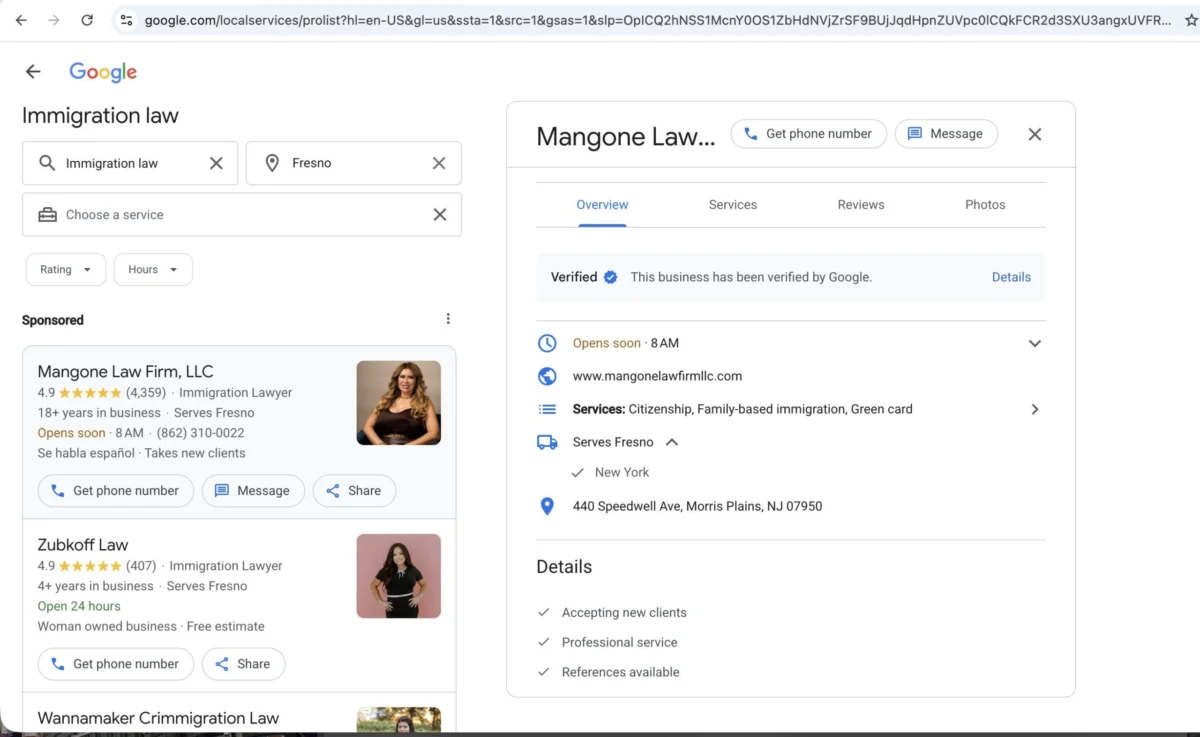
Reports indicated ongoing issues where phone numbers listed in Google Local Service Ads (LSAs) were not seamlessly aligning or "playing nice" with those in Google Business Profiles (GBPs). For local businesses, accurate and consistent contact information across all Google platforms is paramount. LSAs are a pay-per-lead advertising service that connects users directly with local service providers, and accurate phone numbers are the lifeline for these businesses, directly leading to customer inquiries and bookings. Discrepancies between LSA and GBP phone numbers can lead to significant problems, including missed calls, customer frustration, reduced lead quality, and ultimately, lost revenue for businesses. This highlights the need for Google to ensure better data synchronization across its interconnected local business tools. Businesses relying on LSAs and GBPs are strongly advised to meticulously audit their phone number listings on both platforms to ensure absolute consistency and accuracy, proactively addressing any mismatches to prevent service disruptions.
Google Posts Now Require Verified Phone Numbers
In a related move aimed at enhancing user trust and combating spam, Google updated two of its Google Posts help documents. The revised guidelines now explicitly state that phone numbers are permitted within Google Posts only if they correspond to verified contact information for the business. Conversely, unverified phone numbers are strictly prohibited. Google Posts allow businesses to share timely updates, offers, events, and product information directly within their Google Business Profile, making them a powerful communication tool.
This policy adjustment is a clear step towards improving the quality and trustworthiness of information presented in Google Posts. By requiring verification, Google aims to prevent the misuse of Posts for spam, phishing, or misleading promotions. For businesses, this means ensuring that all contact details associated with their Google Business Profile are thoroughly verified through Google’s established processes. This could involve phone, postcard, or email verification. While this adds a layer of administrative effort, the benefit is increased credibility for businesses and a safer, more reliable experience for consumers interacting with local listings.
Microsoft’s Bing Continues AI Integration with "AI Mode" Test
Microsoft’s Bing search engine continued to push the boundaries of AI integration with reports of testing a new feature: replacing or renaming the existing "Copilot" search tab with "AI Mode." This move signifies Bing’s ongoing strategy to differentiate itself in the search market by heavily leveraging artificial intelligence. Microsoft’s Copilot has been a central pillar of its AI strategy, integrating generative AI capabilities across its product suite, including Bing Search.
The renaming to "AI Mode" could be an effort to simplify branding, make the AI capabilities more explicit and accessible to a broader user base, or perhaps indicate an expanded scope of AI-powered functionalities beyond what was initially offered under the "Copilot" moniker in search. This evolution points towards a future where AI is not just an add-on but a fundamental mode of interaction within search engines, offering conversational interfaces, summary generation, and advanced query interpretation. The implications are significant for user experience, potentially making search more intuitive and efficient, especially for complex queries. It also intensifies the competition with Google, which has been developing its own AI-powered search experiences, like the Search Generative Experience (SGE). As users become more accustomed to AI assistants, a dedicated and clearly labeled "AI Mode" could position Bing as a frontrunner in delivering next-generation search capabilities.
Google Ads Target ROAS Restrictions During Promotion Mode
For advertisers managing campaigns on Google Ads, an important operational detail emerged: the inability to edit Target Return On Ad Spend (ROAS) while promotion mode is active. Target ROAS is a smart bidding strategy that helps advertisers optimize their bids to get the most conversion value for their budget. It’s a critical lever for maximizing profitability from advertising spend.
The restriction during promotion mode suggests a system design choice aimed at ensuring the integrity and predictability of promotional campaigns. Promotions often involve specific, temporary budget allocations, bidding adjustments, and performance expectations. Allowing Target ROAS to be edited mid-promotion could complicate performance tracking, lead to unpredictable bid changes, or interfere with the promotional goals. This limitation underscores the need for meticulous planning by advertisers. When launching a promotion, marketers must carefully consider their Target ROAS before activating the promotion mode and be prepared to manage campaign performance within those predefined parameters for the duration of the promotional period. Any significant adjustments to ROAS strategy would need to occur either before or after the promotion, necessitating a strategic approach to campaign management that accounts for these technical constraints. This ensures that promotional efforts are executed smoothly and without unintended conflicts in bidding strategy.
Bing Explores Customizable Image Icons
In a smaller but intriguing development for visual search, Bing was reportedly testing editable or customizable icons within images. While details are sparse, this feature could enhance user interaction and personalization within image search results. Imagine being able to annotate, categorize, or even manipulate elements within images directly from the search interface.
This functionality could serve multiple purposes: improving visual organization for users, offering new ways to interact with search content, or even providing a foundation for advanced image editing or AI-driven image generation directly within the search ecosystem. For content creators and image owners, this could open up new avenues for rich media engagement, potentially allowing for more dynamic and interactive presentations of their visual assets. It aligns with the broader trend of making search more interactive and tailored to individual user preferences, moving beyond static result lists to dynamic, editable content experiences.
Industry Reactions and Ongoing Monitoring
The confluence of these updates on September 25, 2026, painted a clear picture of a search industry in constant flux. The SEO and PPC communities reacted with a mix of anticipation and caution. The Google spam update, in particular, prompted immediate calls for diligent website audits and a renewed focus on foundational SEO principles. Many webmasters began preparing to analyze their site’s performance, bracing for potential shifts and identifying areas for improvement in light of Google’s stricter stance on spam. Discussions across various search forums and social media platforms reflected a shared understanding of the need for continuous adaptation and adherence to best practices. The "rant" mentioned in the weekly SEO video recap likely encapsulated the frustrations and challenges faced by practitioners trying to navigate this rapidly changing environment.
The updates to video structured data were met with enthusiasm from content creators, who recognized the opportunity to enhance the visibility of their multimedia assets. The OpenAI allegations, however, cast a shadow of concern over AI development ethics, prompting renewed discussions about transparency and data integrity within the AI community. Meanwhile, the incremental improvements and tests from Microsoft and Google Ads highlighted the ongoing race to innovate and refine user and advertiser experiences.
Conclusion
September 25, 2026, marked a particularly active day in the search and AI industries, characterized by significant algorithm updates, crucial policy changes, and forward-looking technological tests. From Google’s targeted spam update and enhanced video structured data to Microsoft’s evolving AI integration in Bing and the ethical questions surrounding OpenAI, the digital landscape continues its rapid transformation. For businesses, marketers, and webmasters, these developments underscore the imperative for vigilance, adaptability, and a commitment to high-quality, user-centric practices. Staying informed and agile remains the cornerstone of success in an ecosystem defined by constant evolution.