The digital marketing landscape experienced a tumultuous week marked by significant announcements and shifts from Google and Bing, underscoring the continuous evolution of search algorithms, advertising policies, and user experience paradigms. Foremost among these developments was the rollout of the September 2026 Google Spam Update, the fourth such significant intervention this year, aimed at combating low-quality and manipulative content across the web. This update, preceded by discernible volatility in Google Search rankings, has sent ripples through the SEO community, prompting a renewed focus on adherence to best practices and content quality. Concurrently, Google Search Console introduced crucial multimodal search filters in its performance reports, offering webmasters deeper insights into how their content is discovered across diverse search modalities.
Beyond core search, Google also unveiled changes impacting advertising, publisher traffic, and regulatory compliance. The page experience documentation saw the addition of CrUX ad metrics, albeit clarified as not a direct ranking factor, providing advertisers with more comprehensive data on ad performance within the user experience context. Regulatory pressures from the UK’s Competition and Markets Authority (CMA) foreshadowed mandated changes to make switching default search providers easier on Android and Chrome, a move poised to foster greater competition. Publishers, meanwhile, expressed growing concern over Google Discover’s new "Dive deeper" feature, which appears to redirect traffic away from their sites by encouraging users to remain within Google’s ecosystem. These changes, alongside updates to Google AI Overviews, Local Service Ads, Google Ads, Merchant Center, Business Profiles, and AdSense, paint a picture of an increasingly complex and dynamic search and advertising environment. Not to be outdone, Bing also rolled out its own set of user interface and AI integration enhancements, signaling ongoing innovation in the competitive search engine market.
Google’s Continued Battle Against Spam: The September 2026 Update
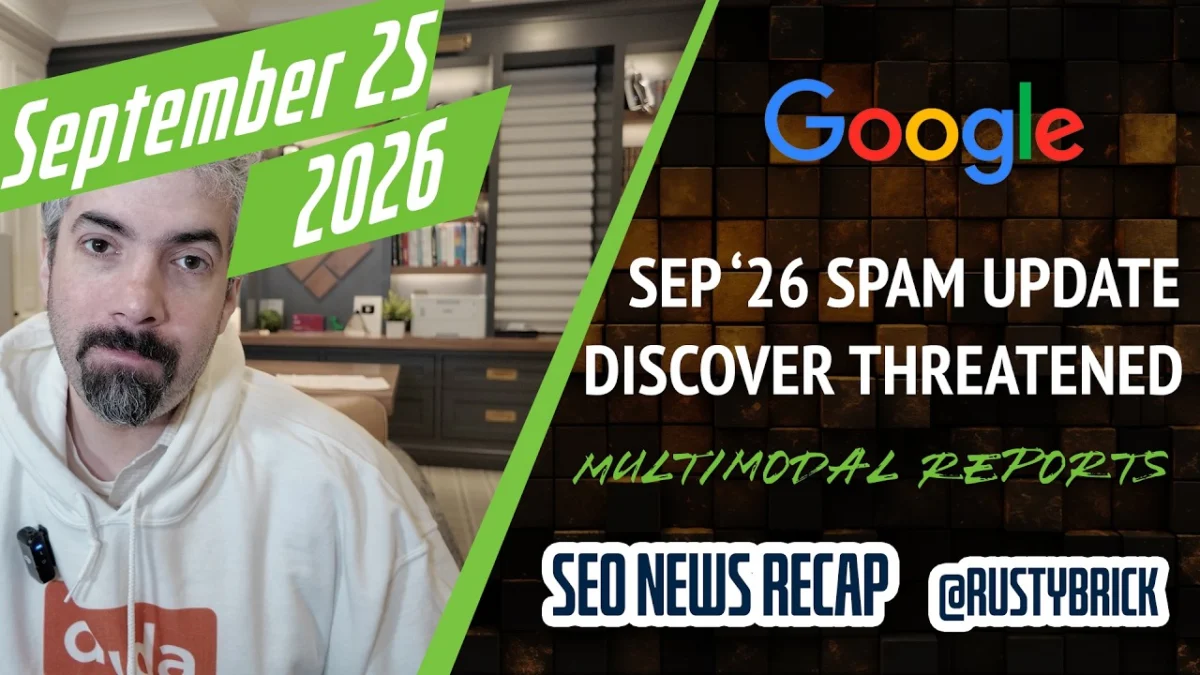
Google’s announcement of the September 2026 Spam Update marks its fourth major spam-related algorithmic adjustment within the current calendar year, reinforcing the company’s persistent commitment to maintaining the integrity and quality of its search results. These updates are critical components of Google’s broader strategy to combat manipulative tactics, low-quality content, and deceptive practices that aim to artificially inflate search rankings. Preceding this official announcement, webmasters and SEO professionals observed a period of heightened volatility in Google Search rankings, a common precursor to significant algorithmic shifts. This fluctuation is often indicative of Google’s systems being tested or rolled out incrementally before a full-scale deployment.
Spam updates specifically target content that violates Google’s Webmaster Guidelines, including but not limited to, automatically generated content, cloaking, scraped content, doorway pages, hidden text or links, keyword stuffing, and various link schemes. The increasing frequency of these updates, particularly in 2026, suggests an escalating arms race between Google’s advanced AI-driven spam detection systems and sophisticated spam techniques employed by malicious actors. Each update aims to refine the algorithms’ ability to identify and penalize such content, ensuring that users are presented with the most relevant and highest-quality information possible.
For webmasters and content creators, the implications are clear: a sustained focus on producing original, valuable, and user-centric content that adheres strictly to Google’s guidelines is paramount. Those relying on black-hat SEO tactics or skirting content quality standards face heightened risks of severe ranking penalties, which can lead to significant drops in organic traffic and revenue. Industry analysts suggest that these frequent updates signal Google’s proactive stance in adapting to new forms of spam, ensuring the long-term trustworthiness of its search engine. The immediate aftermath of such updates typically involves a period of analysis by the SEO community, identifying patterns in ranking changes and refining strategies to align with Google’s evolving expectations.
Evolving Search Insights: Multimodal Reporting and Page Experience Metrics
In a significant move to empower webmasters with more granular data, Google Search Console has introduced multimodal search filters within its performance reports. This enhancement reflects the growing complexity of how users interact with search engines, moving beyond traditional text queries to include images, video, and voice search. By allowing webmasters to filter performance data by these distinct modalities, Google provides invaluable insights into how different types of content are discovered. For instance, a webmaster can now analyze impressions, clicks, and average position specifically for image searches, enabling them to optimize visual content more effectively for discoverability. This development is crucial for adapting SEO strategies to an increasingly diverse search landscape, where optimizing for multiple input types is becoming a necessity. It encourages a holistic approach to content creation, where text, visual, and auditory elements are all considered for their search potential.
Complementing these search insights, Google’s page experience documentation has been updated to include CrUX (Chrome User Experience Report) ad metrics. CrUX data provides real-world user experience measurements, aggregating anonymized data from Chrome users globally. While these ad metrics offer valuable insights into the performance and impact of advertisements on page load times and user experience, Google has explicitly clarified that they are not a direct ranking factor. This distinction is vital for advertisers and publishers. It means that while optimizing ad performance based on CrUX metrics can significantly improve user experience and potentially ad revenue, it will not directly influence a page’s organic search ranking. Instead, these metrics are intended to help publishers understand how ads contribute to the overall user experience, guiding decisions on ad placement, format, and density to ensure a balance between monetization and user satisfaction. The inclusion of these metrics underscores Google’s commitment to a high-quality web experience, where ads integrate seamlessly without detracting from performance or usability.
Regulatory Pressure and Publisher Concerns: Google’s Shifting Landscape
Google’s dominant position in the digital ecosystem continues to attract intense scrutiny from regulatory bodies worldwide. In the UK, the Competition and Markets Authority (CMA) is poised to mandate changes that will make it significantly easier for users to switch default search providers on Android devices and within the Chrome browser. This intervention stems from ongoing antitrust concerns regarding Google’s market power and its perceived ability to stifle competition by defaulting users to its own search engine. The CMA’s actions are part of a broader global trend of regulators pushing for greater consumer choice and a more level playing field for alternative search engines. Historically, similar pressures have led to changes in default browser choices on Windows and Android in other jurisdictions. The implications of this move are substantial, potentially opening avenues for competitors like Bing, DuckDuckGo, or newer privacy-focused search engines to gain market share, thus diversifying the search landscape for users.
Simultaneously, publishers are voicing increasing concerns over a new "Dive deeper" feature being tested within Google Discover. Google Discover, a personalized content feed on Android devices and the Google app, has become a significant traffic source for many publishers. However, the "Dive deeper" feature appears designed to keep users within Google’s ecosystem by offering more related content directly within Discover, potentially reducing clicks through to publishers’ original websites. This move is seen by many as another instance of Google prioritizing its own platforms and user retention over direct referrals to third-party content. For publishers, this could translate into a substantial loss of referral traffic, impacting advertising revenue and overall content monetization strategies. The challenge for publishers lies in adapting to these evolving content discovery mechanisms while maintaining the value proposition of their original journalism and content creation.
AI Overviews: Balancing Information and Navigation
The integration of Artificial Intelligence (AI) into Google Search continues to evolve rapidly, particularly with the ongoing development of AI Overviews. These generative AI summaries, designed to provide direct answers to complex queries, have been a focal point of discussion since their inception. Recent reports suggest a nuanced trajectory for AI Overviews: on one hand, there’s an observed increase in the number of external links embedded within these summaries, potentially offering users more avenues to explore original sources and related content. This development could mitigate some initial concerns from publishers about AI Overviews reducing direct traffic to their sites.
However, a concurrent observation indicates that AI Overviews are also designed to "push you into AI Mode," suggesting an intent to encourage users to engage further with Google’s generative AI capabilities, possibly through follow-up questions or exploring related topics within the AI interface. This dual approach presents a delicate balance: providing more external references while simultaneously fostering deeper engagement within Google’s AI environment. The implications for SEO are profound, as content creators must now consider not only how their content ranks for traditional search but also how it might be leveraged, summarized, and linked within AI Overviews, and how to encourage users to click through from these summaries. The evolving nature of AI Overviews underscores Google’s ongoing experiment to blend traditional search results with the power of generative AI, continuously refining the user experience while navigating the complex ecosystem of content creators and publishers.
Enhancements Across Google’s Advertising and Business Ecosystem
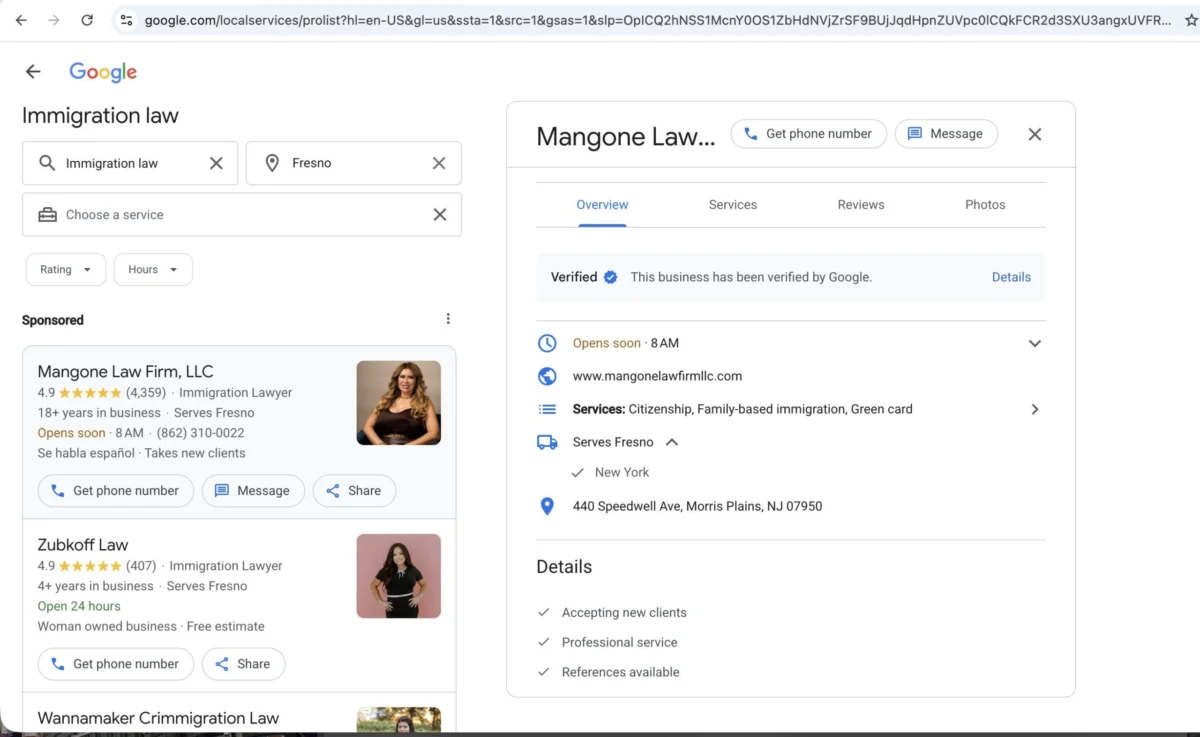
Google’s commitment to enhancing its advertising and business tools was evident in a flurry of updates this week. Local Service Ads (LSAs), a specialized advertising format for service businesses, are undergoing a redesign featuring larger images and a "highlights box." This visual overhaul aims to provide consumers with a more immediate and comprehensive understanding of a business’s offerings and unique selling points, potentially increasing conversion rates for advertisers and improving the user experience for those seeking local services.
The broader Google Ads platform received several significant updates. New AI Max reporting and expanded access to AI Briefs signify Google’s deepening integration of artificial intelligence to optimize campaign performance. AI Max reporting likely offers more sophisticated analytics on the impact of AI-driven optimizations, while AI Briefs could provide actionable recommendations or summaries for advertisers. Additionally, Google Ads budget recommendations were spotted with a "change feature" for forecasting, empowering advertisers with more dynamic and predictive tools for financial planning and campaign adjustments. In a move to enhance branding and trust, Google Ads is testing sitelinks that display the advertiser’s name and favicon, providing users with more context and confidence before clicking. A more controversial development is Google Ads’ plan to test gun accessories ads in the US, indicating a potential shift in its advertising policies for this sensitive category, which will undoubtedly draw significant attention and debate. Finally, the release of Google Ads API version 25.2 introduces new features, providing developers with more robust tools for programmatic management of ad campaigns, facilitating greater automation and customization.
Beyond advertising, Google is also refining its Merchant Center and Business Profiles. Google Merchant Center updated its requirements for Store Ratings, indicating a push for higher quality, more transparent, and potentially more frequent customer reviews to build consumer trust in online retail. For local businesses, Google Business Profiles (GBP) implemented two crucial changes: businesses now have a four-day window to reject user-suggested edits to their profiles, giving them more control over the accuracy of their online presence. Furthermore, GBP will now proactively email businesses if it detects a spike in spammy reviews, providing an early warning system to combat reputation damage from fraudulent or malicious feedback. These updates collectively aim to empower businesses with better tools for managing their online identity and reputation.
In a move impacting publishers, Google AdSense lowered its identity verification threshold to $0. This change likely means that publishers will be required to complete identity verification earlier in their monetization journey, potentially even before accumulating significant earnings. This initiative is geared towards enhancing security, preventing fraud, and ensuring compliance with financial regulations, safeguarding the integrity of the AdSense network for all legitimate publishers.
Bing’s Continuous Innovation in Search and AI
Not to be overshadowed, Bing, Google’s primary competitor in the search engine market, also rolled out several user experience and AI-driven enhancements. Bing is testing an expandable sitelinks interface, offering users more detailed information directly within the search results page without needing to navigate to external websites. This feature aims to provide quicker access to relevant sub-pages or sections of a website. Additionally, favicons are being tested on shopping carousel ads, a small but significant visual cue that enhances brand recognition and user trust within e-commerce search results.
Perhaps the most notable development from Bing is its testing of using "AI Mode" directly in its search tabs, moving away from the "Copilot" branding in this context. This shift suggests a more integrated and seamless experience for users seeking AI-generated insights or conversational search within the core search interface. By embedding AI capabilities directly into the search tabs, Bing aims to make generative AI a more intuitive and integral part of the search journey, further blurring the lines between traditional search and AI assistance. These updates underscore Bing’s ongoing efforts to differentiate itself through innovative features, particularly in the realm of artificial intelligence, and challenge Google’s market dominance.
The cumulative effect of these announcements from both Google and Bing points to a rapidly evolving digital ecosystem driven by technological advancements, regulatory pressures, and an unyielding focus on user experience. For businesses, marketers, and publishers, staying abreast of these changes is not merely advantageous but essential for sustained visibility, profitability, and relevance in the ever-shifting currents of the internet. The coming months will undoubtedly reveal the full impact of these updates as the industry adapts to the latest algorithmic shifts and feature introductions.