The digital marketing and search engine optimization (SEO) communities were abuzz today, September 25, 2026, with a series of significant announcements and revelations across major platforms. Google initiated a new spam algorithm update, notably distinct from a core update, which is projected to have a protracted two-week rollout period. Concurrently, new video structured data properties and updates from Google were revealed, signaling evolving demands for multimedia content optimization. Adding a layer of ethical scrutiny to the rapidly advancing AI landscape, allegations surfaced regarding "cheating" within OpenAI’s quality rater program. Meanwhile, practical operational challenges emerged as Google Local Service Ads and Business Profile phone numbers demonstrated compatibility issues, while Bing continued its push for user personalization with tests for editable/customizable icons in images. Google Ads users faced restrictions on editing Target Return On Ad Spend (ROAS) during active promotion modes, and Google clarified its stance on phone numbers in Google Posts, permitting them only if verified. Microsoft’s strategic integration of AI continued with tests to rebrand Bing Search’s Copilot tab as "AI Mode." These developments underscore a period of intense flux and strategic adjustments within the search and artificial intelligence ecosystems.
Google Unleashes New Spam Algorithm Update with Extended Rollout
The most significant news for the SEO community today was Google’s announcement of a new algorithm update specifically targeting spam. Unlike the more encompassing "core updates" that tend to recalibrate overall ranking signals, this spam update is designed to directly combat manipulative tactics and low-quality content. What particularly caught the attention of industry experts was the projected two-week rollout period. Historically, Google’s algorithm updates, even major ones, often conclude within a few days to a week. A two-week deployment suggests a potentially more intricate, multi-layered adjustment designed to identify and penalize a broader spectrum of spamming techniques, or perhaps a phased approach to monitor initial impacts.
Google’s ongoing battle against spam is a perpetual arms race. Past spam updates, such as those in March 2024 and November 2023, have aimed at mitigating issues like scaled content abuse, site reputation abuse, and expired domain exploitation. This new update is expected to reinforce Google’s commitment to delivering clean, relevant, and high-quality search results. SEO professionals are now bracing for potential volatility in search rankings, particularly for websites that may have employed aggressive or questionable tactics to gain visibility. The extended rollout period could make it more challenging for webmasters to immediately diagnose the precise impact on their sites, requiring continuous monitoring and a focus on long-term, white-hat SEO strategies. Industry analysts speculate this update might specifically target new forms of AI-generated spam, which have proliferated in recent years, or more sophisticated link manipulation schemes that have become harder to detect. A Google spokesperson, while not commenting on the specifics of the ongoing update, reiterated the company’s unwavering dedication to enhancing search quality: "Our continuous algorithmic improvements are fundamental to our mission of connecting users with the most helpful and reliable information. We remain vigilant in combating manipulative practices to ensure a trustworthy search experience." This statement, while generic, reinforces the foundational principles driving such algorithmic interventions.
Ethical Spotlight on OpenAI: Allegations of Quality Rater Misconduct
In a development that sparked considerable debate within the AI ethics community, allegations surfaced today claiming "cheating" within OpenAI’s quality rater program. Human quality raters play a crucial role in training and refining large language models (LLMs) through techniques like Reinforcement Learning from Human Feedback (RLHF). These individuals evaluate AI outputs based on specific guidelines, helping models learn what constitutes helpful, accurate, and safe responses. The nature of the "cheating" was not fully detailed in the initial reports but typically refers to practices such as manipulating ratings, bypassing established guidelines, or even using automated tools to complete evaluation tasks, thereby compromising the integrity of the feedback data.
The implications of such allegations are profound for OpenAI and the broader AI industry. The reliability and ethical alignment of AI models heavily depend on the quality and honesty of the human feedback loops. If quality raters are indeed found to be manipulating the system, it could lead to models being trained on skewed or biased data, potentially resulting in less accurate, less helpful, or even harmful outputs. This incident highlights the inherent challenges in scaling human oversight for vast AI training datasets and the pressure placed on evaluators to meet performance metrics. The situation draws parallels to Google’s long-standing use of quality raters and its extensive Search Quality Rater Guidelines, which emphasize strict adherence to ethical evaluation practices to maintain search result quality. An OpenAI representative, when contacted for comment, stated, "We are aware of the allegations regarding our quality rating processes and are conducting a thorough internal review. Maintaining the integrity of our data and the ethical standards of our human feedback loops is paramount to the development of responsible AI, and we are committed to addressing any practices that fall short of our rigorous standards." This response indicates the seriousness with which OpenAI is likely treating the claims, given the potential damage to its reputation and the public’s trust in AI development.
Evolving Digital Presence: Google’s Structured Data Enhancements and Local Business Adjustments
Google rolled out significant updates concerning video structured data, introducing new properties and enhancements designed to provide richer information about video content to search engines. As video continues to dominate online consumption, these updates are crucial for publishers and content creators aiming to maximize their visibility in search results. The new properties likely enable more granular details to be communicated, such as specific segments within a video, key moments, accessibility features, and enhanced creator information. This could lead to more sophisticated rich results for video content, offering users more direct access to relevant parts of videos and improving the overall search experience. For SEOs, this means a renewed focus on implementing precise video schema markup to capitalize on these new opportunities, potentially driving higher click-through rates and better user engagement.
In the realm of local business, Google addressed a long-standing point of confusion and frustration by updating two of its Google Posts help documents. The updated guidelines now explicitly state that phone numbers are permitted in Google Posts only if they represent verified contact information for the business. If a phone number is unverified, its inclusion in Google Posts is disallowed. This move is aimed at bolstering trust and preventing the dissemination of misleading or unverified contact details, a common tactic used by spammers. While this clarifies policy, it places an onus on businesses to ensure all their contact information, particularly phone numbers, is consistently verified across their Google Business Profile and other associated platforms. This verification process typically involves confirming the number through various means, including matching it with official records or through a verification call/SMS from Google.
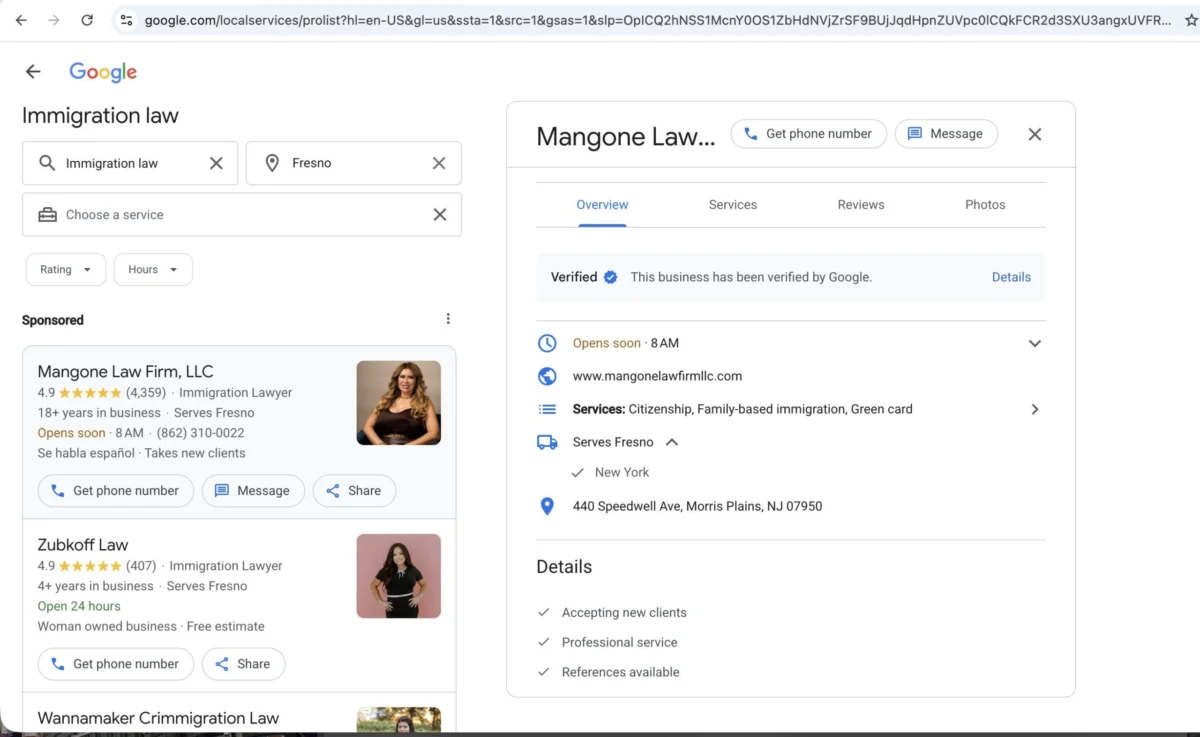
Compounding the challenges for local businesses, reports surfaced today indicating that Google Local Service Ads (LSAs) and Google Business Profile (GBP) phone numbers are "not playing nice." This suggests a technical discrepancy or synchronization issue where phone numbers approved and displayed in one Google product (e.g., a business’s GBP) are either incorrectly presented, rejected, or cause operational issues within another (e.g., LSA campaigns). Such inconsistencies can lead to significant problems for businesses reliant on LSAs for lead generation, potentially resulting in missed calls, incorrect routing, and a frustrating experience for both businesses and potential customers. The issue underscores the complexities of integrating disparate systems within a vast platform like Google and highlights the need for seamless data flow for businesses operating across multiple Google services.
Microsoft’s AI-First Vision: Bing’s Interface Innovations and Strategic Renaming
Microsoft continues its aggressive push into the artificial intelligence domain, with Bing Search serving as a key battleground. Today brought news of Bing testing editable and customizable icons within images. This feature, if widely implemented, could significantly enhance user interaction with image search results, allowing for a more personalized and potentially more functional visual search experience. Users might be able to add quick annotations, categorize images with custom tags, or even apply small, user-defined edits directly within the search interface. This move aligns with a broader trend towards more interactive and customizable user interfaces, empowering users to tailor their digital environments.
More strategically, Microsoft is reportedly testing the replacement or renaming of the "Copilot search tab" in Bing Search with the simpler, more direct name "AI Mode." This rebranding effort signifies a crucial strategic shift. While "Copilot" is a recognizable brand within Microsoft’s ecosystem, "AI Mode" communicates a clearer, more universal intent: that the user is engaging directly with artificial intelligence capabilities embedded within the search experience. This simplification could aim to reduce cognitive load for users, making the AI-powered search functionality more intuitive and accessible to a wider audience, thereby accelerating adoption. It reinforces Microsoft’s overarching strategy to position Bing not merely as a search engine, but as an AI-powered answer engine, with generative AI at its core. This strategic naming could also pave the way for more comprehensive AI functionalities within Bing, extending beyond just search query responses to include content generation, summarization, and interactive dialogues directly within the search interface, further blurring the lines between traditional search and AI assistance.
Google Ads Policy: Restrictions on Target ROAS During Promotions
For advertisers utilizing Google Ads, a notable restriction was highlighted today: the inability to edit Target ROAS (Return On Ad Spend) while a promotion mode is active. Target ROAS is a Smart Bidding strategy that automatically sets bids to help advertisers get as much conversion value as possible at the target return on ad spend they set. Promotions, especially in e-commerce, are often time-sensitive and require agile adjustments to bidding strategies to maximize sales and profitability. The inability to modify Target ROAS during such critical periods can significantly limit an advertiser’s flexibility to optimize campaigns in real-time.
This restriction could pose challenges for businesses running flash sales, seasonal promotions, or any campaign where ROAS targets might need dynamic adjustments based on performance fluctuations or competitive pressures. Advertisers might find themselves locked into a pre-promotion ROAS target, potentially leading to suboptimal ad spend or missed opportunities for higher returns during peak promotional windows. Marketing professionals will need to meticulously plan their Target ROAS settings before initiating promotion modes, or consider alternative bidding strategies for promotional campaigns that require more immediate tactical adjustments. This policy emphasizes the importance of strategic foresight in automated bidding environments and could prompt advertisers to re-evaluate how they integrate promotional activities with their Google Ads strategies.
The Ongoing Pulse of the Search Community
Beyond the specific updates and controversies, today’s daily recap also included the release of the weekly SEO video recap. Such recaps serve as vital touchpoints for the dynamic and often volatile search industry, offering analysis, insights, and a platform for community discussion. The mention of a "rant" within the video recap suggests the ongoing frustrations and passionate debates that characterize the SEO profession, particularly given the rapid pace of change introduced by search engine algorithms and emerging AI technologies. These community-driven discussions are crucial for deciphering complex updates, sharing best practices, and collectively navigating the evolving landscape of digital visibility. They highlight the continuous need for adaptability, critical thinking, and shared knowledge within the SEO community to keep pace with the constant evolution of search engines and AI.
In conclusion, September 25, 2026, proved to be a day rich with developments across the search and AI spectrum. From Google’s extended spam algorithm rollout and critical structured data updates to the ethical questions surrounding OpenAI’s quality raters, and Microsoft’s strategic AI branding, the industry continues its relentless march forward. The challenges faced by local businesses with phone number synchronization and advertisers with ROAS restrictions underscore the practical implications of these technological shifts. As the digital ecosystem grows increasingly complex and AI integration deepens, the emphasis on transparency, ethical development, and adaptive strategies remains paramount for all stakeholders.