The professional networking giant, LinkedIn, operates with a distinct algorithmic philosophy, intentionally designed to prioritize relevant professional discourse over viral content. This unique approach shapes how over one billion global members consume and engage with information, demanding a nuanced understanding from individuals and organizations aiming to connect effectively and establish thought leadership in the digital professional sphere. Unlike platforms geared towards rapid content spread, LinkedIn’s algorithm, particularly with updates through 2025 and into 2026, focuses on curating feeds with expert advice, industry insights, and career-advancing knowledge, making a strategic shift in content creation paramount for maximizing impact.
Understanding the Core Mechanism: LinkedIn’s Anti-Viral Approach

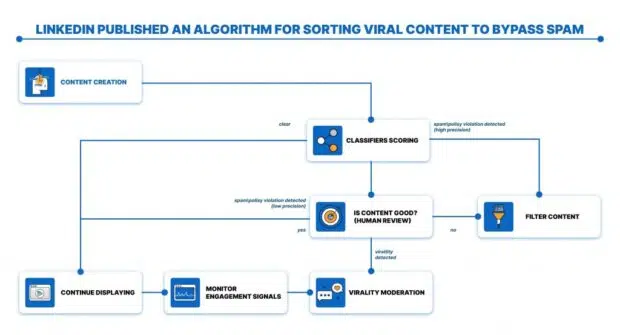
LinkedIn’s algorithm functions as a sophisticated recommendation system, meticulously selecting posts for each user’s feed based on their professional identity, expressed interests, and past interactions. The platform’s engineering philosophy explicitly states it “is not designed for virality,” setting it apart from consumer-centric social networks. Instead, its objective is to foster an environment conducive to sharing valuable professional knowledge and facilitating career development. This core principle underpins a three-step process that determines content visibility:
-
Initial Vetting: Spam and Policy Compliance: Every post undergoes an immediate classification process to ascertain its adherence to LinkedIn’s professional community policies and spam guidelines. Automated AI systems are the first line of defense, flagging and filtering content that violates rules such as explicit material, hate speech, or overt spamming. If the AI detects clear infringements, the content is suppressed. Borderline cases or those requiring more intricate judgment are escalated for human review. Content that successfully navigates this initial screening is then allowed to circulate, albeit under continued monitoring, ensuring the integrity of the professional environment. This rigorous gatekeeping is fundamental to maintaining LinkedIn’s reputation as a trustworthy source of professional information and interaction.

-
The “Golden Hour” Test: Gauging Early Engagement: Following the initial content classification, the algorithm initiates a crucial “test” phase, often referred to as the “golden hour.” During this period, the post is distributed to a small, targeted segment of the creator’s immediate network. The algorithm then closely monitors early engagement signals, such as likes, comments, shares, and dwell time. This initial hour is critical as it provides the algorithm with immediate feedback on the content’s perceived value and relevance. Strong, positive engagement during this window signals to LinkedIn that the content is valuable, prompting wider distribution to second- and third-degree connections. Notably, recent updates indicate that posts demonstrating high relevance, aligned with audience interests and relationships, can continue to surface in feeds for weeks, transcending the traditional short shelf-life of social media content. This extended visibility rewards high-quality, enduring content over fleeting trends.
-
The Tripartite Ranking System: Identity, Content, and Member Activity: The final stage of algorithmic distribution refines content delivery based on three primary ranking signals, ensuring that posts reach the most relevant users:
- Identity: LinkedIn leverages a user’s comprehensive professional profile—including their location, current career, listed skills, and industry affiliations—to infer their content preferences. This data allows the algorithm to match content creators’ expertise with audiences genuinely interested in those specific domains, fostering highly targeted and valuable connections.
- Content: The algorithm meticulously analyzes the post itself, considering its topic, format (e.g., text, image, video, document), age, and initial performance metrics. Key signals include the post’s topic authority (how consistently the creator posts about a niche), relevance to trending industry discussions, and the quality of engagement it has already garnered. Content that aligns with professional development, industry trends, and actionable advice tends to perform better.
- Member Activity: A user’s past behavior on the platform heavily influences what they see. The algorithm observes which individuals, topics, and types of posts a user frequently engages with. This includes the hashtags they follow, their first-degree connections, and other members whose content they interact with. Users are more likely to see content from individuals they frequently engage with, reinforcing community bonds and relevant information flow.
Key Algorithmic Shifts: The 2025-2026 Updates
LinkedIn’s algorithm is in a constant state of refinement, with the 2025-2026 updates underscoring a clear direction towards enhancing professional value and authentic interaction. These changes reflect LinkedIn’s commitment to its core mission and have significant implications for content strategy:
-
Elevating Expert Voices: The platform is increasingly emphasizing and rewarding genuine expertise. Posts that offer original insights, deep dives into industry trends, or actionable professional advice are now significantly more likely to gain wider reach. This shift encourages creators to move beyond superficial observations and share their unique knowledge. The algorithm actively seeks to identify and amplify subject-matter experts who consistently contribute valuable content within their niche, recognizing their authority and boosting their visibility. This is a direct response to the need for credible information in a rapidly evolving professional landscape.
-
The Decline of Clickbait and Rise of Meaningful Dialogue: LinkedIn’s systems have become more adept at detecting and de-prioritizing “engagement bait” tactics (e.g., “Comment YES if you agree!”). The focus has shifted from mere interaction counts to the quality and substance of engagement. Posts that genuinely spark thoughtful discussions, leading to detailed comments and back-and-forth exchanges, are now favored. This change aims to cultivate a more intellectual and productive environment, moving away from superficial interactions towards conversations that can genuinely advance professional understanding or collaboration.
-
Prioritizing Deeper Engagement and Dwell Time: The “golden hour” concept has been refined, with strong initial interaction now leading to even broader distribution to second- and third-degree connections. Crucially, the algorithm now places a greater weight on “dwell time”—the duration users spend actively engaging with a piece of content. This means that posts capable of holding a user’s attention for longer periods, whether through compelling narrative, in-depth analysis, or engaging multimedia, will receive enhanced distribution. This metric encourages the creation of richer, more immersive content.
-
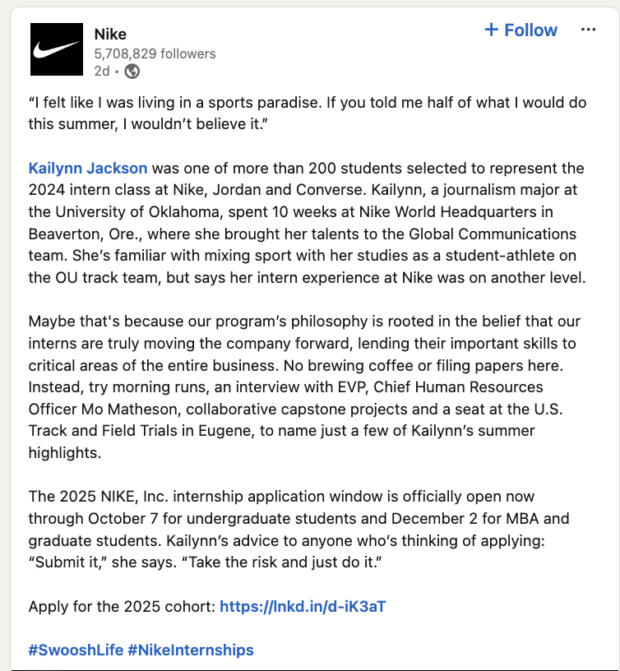
The Push for Native Content: There has been a noticeable shift away from posts containing outbound links. LinkedIn is actively prioritizing “native content” – content consumed directly on the platform. This includes text-only posts, carousel documents, native videos, and polls. When external links are necessary, strategic advice now often suggests placing them in the comments section rather than the main post to avoid algorithmic penalties. This strategy aims to keep users within the LinkedIn ecosystem, enhancing their overall experience on the platform.
-
Relevance Triumphs Over Recency: A significant confirmed tweak in mid-2025 highlighted the algorithm’s increased propensity to surface older posts (even several weeks old) if they maintain high relevance to a user’s professional interests. This move represents a departure from a purely chronological feed, emphasizing content that aligns with user profiles, past engagement, and the specific topics they follow. This means high-value, evergreen content can enjoy a prolonged lifespan, continuing to reach new audiences long after its initial publication, rewarding creators for producing enduring, useful material rather than merely chasing immediate, fleeting engagement.
Optimizing for Impact: Content Strategies in the New Era
In light of these algorithmic dynamics, specific content strategies have proven most effective for maximizing reach and engagement on LinkedIn:
-
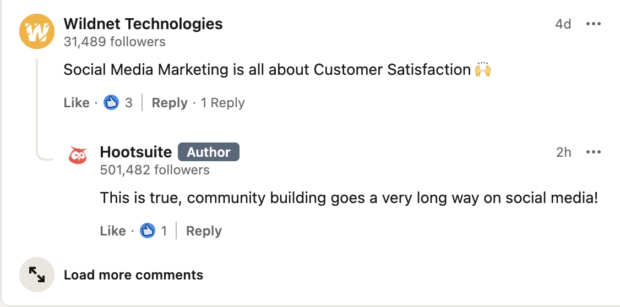
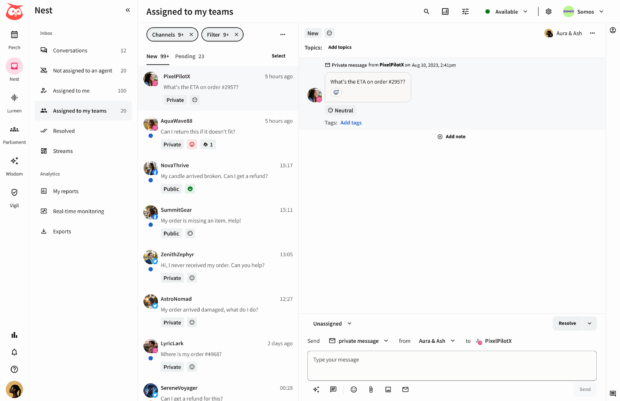
Fostering Conversational Engagement: Community building remains a cornerstone of LinkedIn success. Posts that initiate questions, share personal professional stories, or solicit opinions are highly effective in generating comments and likes. Native content formats like text updates or polls inherently encourage platform-centric interaction, which the algorithm favors over external clicks. The emphasis is on sparking genuine dialogue, where the creator actively participates, transforming posts into dynamic discussions.
-
The Power of Visuals: Imagery and Video: While LinkedIn maintains its professional tone, it has embraced visual content. Videos, particularly native ones, demonstrate significantly higher engagement rates, with LinkedIn Live videos reportedly achieving 24 times the engagement of standard posts. Imagery, too, consistently garners twice as many comments as purely text-based updates. Authentic, camera-facing videos sharing insights and advice are performing exceptionally well, indicating a growing preference for direct, human connection.
-
Delivering Tangible Value: Evergreen and Actionable Insights: Content that provides immediate, actionable value for the audience, such as industry tips, how-to guides, or insightful analyses, tends to be saved more frequently. Documents and carousels, in particular, are noted for high reach when they offer practical, implementable advice. This aligns perfectly with the “relevance over recency” shift, as such evergreen content remains valuable over time, consistently appearing in relevant feeds.
Strategic Deployment: Maximizing Algorithmic Reach
Beyond content type, the strategic deployment of posts is crucial for optimizing visibility:
-
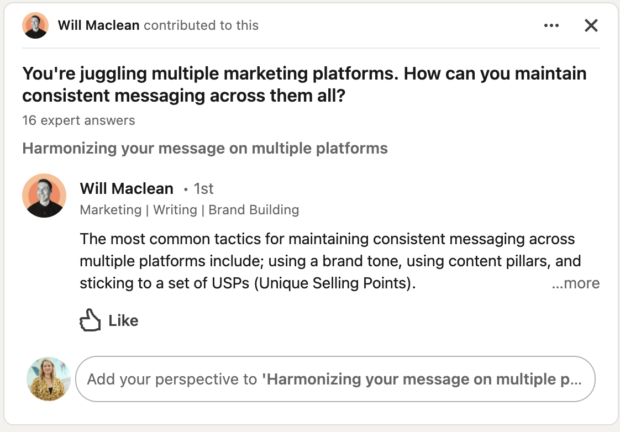
Establishing Topic Authority: Consistently posting about two or three core professional topics helps the LinkedIn algorithm identify and categorize a creator as an expert in those fields. This clear thematic focus leads to greater algorithmic recognition and wider distribution of relevant content. Audience research, often leveraging insights from other social networks or competitor analysis, is vital to ensure chosen topics resonate with target professionals.
-
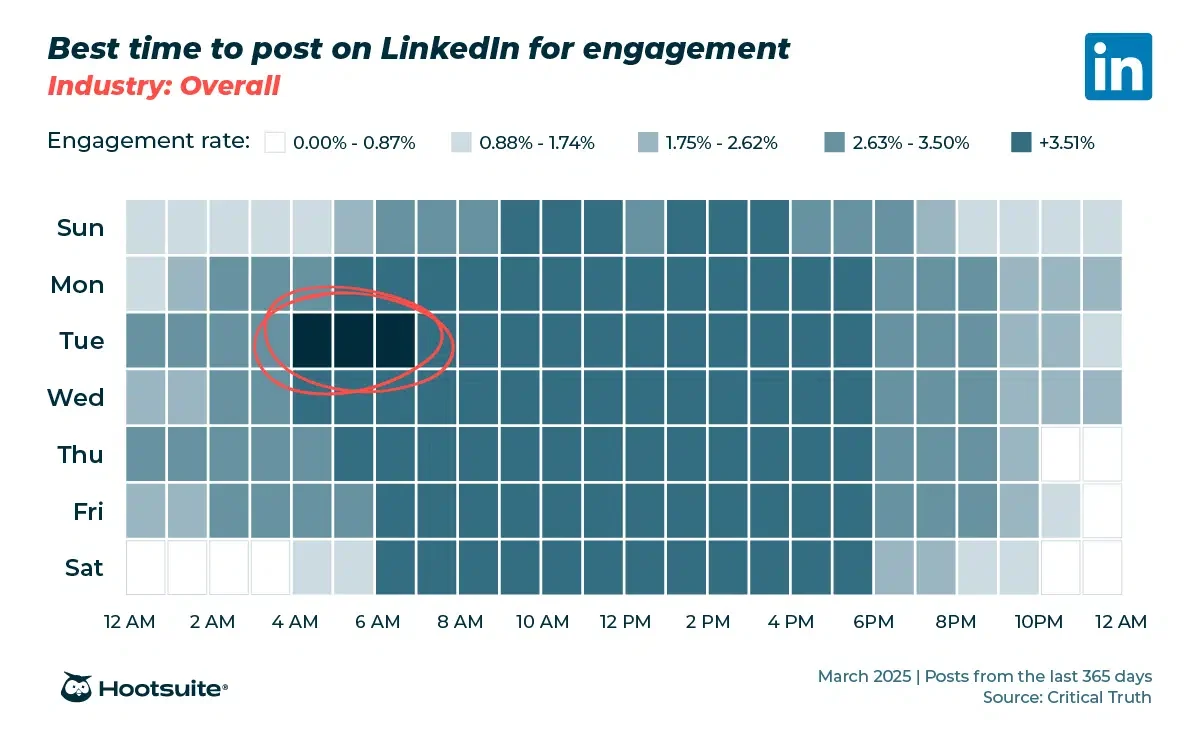
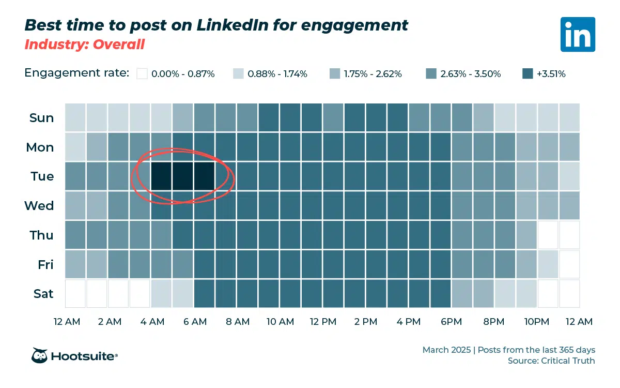
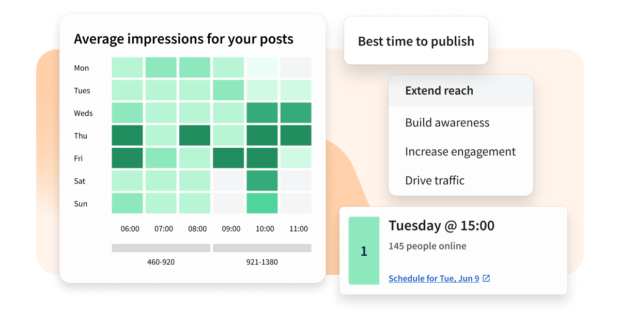
Strategic Timing for Peak Professional Activity: While audience demographics are unique, Hootsuite research indicates that the optimal times to post on LinkedIn are generally between 4 AM and 6 AM on Tuesdays and Wednesdays, capturing early morning engagement. Utilizing analytics tools that provide personalized recommendations, such as Perch’s “Best Time to Publish” feature, can refine this for specific networks. Regular, consistent posting (e.g., weekly) has been shown to double engagement.
-
Multi-Channel Promotion for Amplified Visibility: Increasing initial post engagement is paramount. Tactics include tagging relevant connections or companies, using industry-specific and branded hashtags (which allow followers of those tags to discover content), and sharing posts in external channels like Slack or e-newsletters. This external promotion can draw inactive LinkedIn members back to the platform, boosting initial engagement signals and consequently improving algorithmic ranking.
-
Cultivating Genuine Interaction: The algorithm heavily rewards meaningful engagement. This means comments that demonstrate thoughtful consideration and relevance from professionals in related fields, rather than generic responses. Posing open-ended questions that encourage detailed opinions, and actively participating in the comment section as the original poster, fosters the kind of two-way conversation that LinkedIn seeks to promote. The platform prioritizes interactions that can lead to tangible professional outcomes, such as partnerships or career opportunities.
-
The Imperative of Original Perspective: Relying solely on shared or repurposed content is insufficient. The algorithm favors original posts that offer a unique perspective, fresh insights, or personal professional experiences. Even when repurposing, adding a distinct viewpoint is crucial. Contributing to collaborative articles or offering a unique take on industry news are excellent ways to demonstrate original thought and build authority.
-
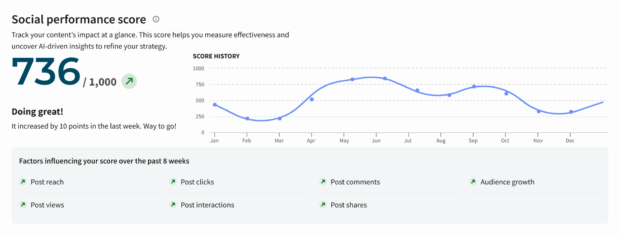
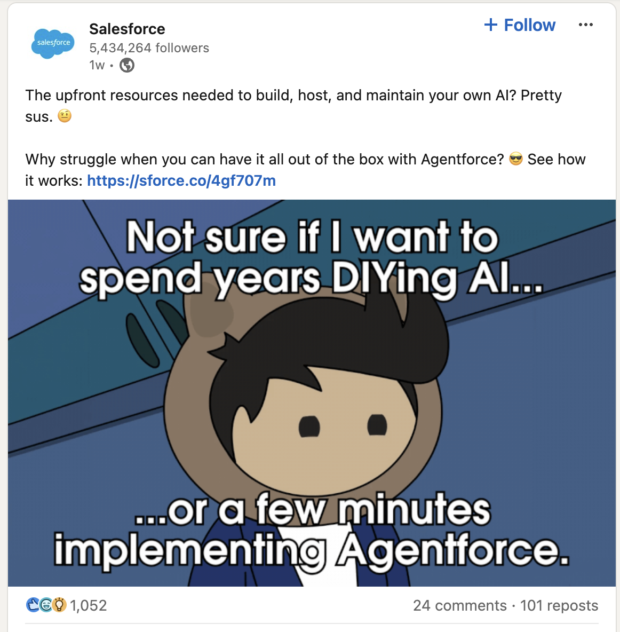
Data-Driven Refinement through Analytics: Continuous analysis of post performance is indispensable. Tools like Perch by Hootsuite allow creators to identify which posts perform best, understand the underlying reasons (e.g., timing, content format, question phrasing), and use these insights to iteratively refine their content strategy. This analytical approach ensures that content evolves in alignment with algorithmic preferences and audience reception.
-
Adhering to Professional Ethos: Content must always align with LinkedIn’s professional environment. While authenticity, humanity, and appropriate humor are welcomed, the focus must remain business-oriented. Avoiding excessive self-promotion, corporate jargon, or off-topic personal content is essential. A friendly, approachable brand voice that fosters genuine human connection is more effective than a strictly corporate tone.
-
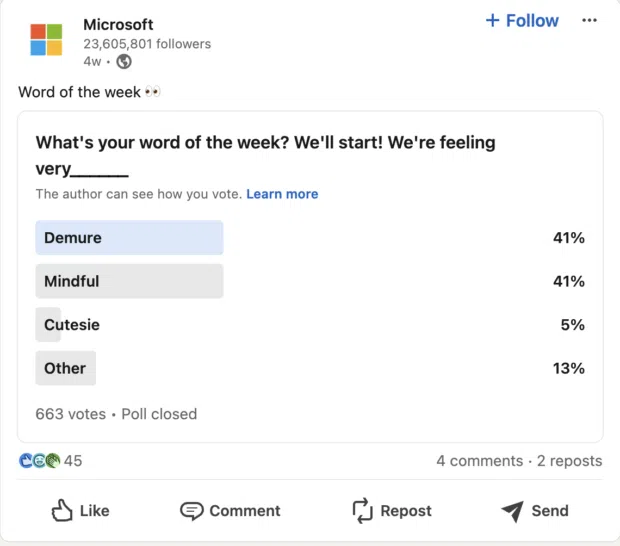
Leveraging Native Platform Features: Given LinkedIn’s preference for keeping users on the platform, fully utilizing its native features is a smart strategy. Incorporating polls, carousels, articles, and native videos directly into posts, rather than always linking externally, maximizes algorithmic favor and user engagement.
Broader Implications: The Future of Professional Influence
The ongoing evolution of the LinkedIn algorithm reflects a strategic commitment to maintaining its position as the premier professional networking platform. By prioritizing expertise, meaningful engagement, and relevant, value-driven content, LinkedIn is cultivating a richer, more productive ecosystem for professionals and businesses. For individuals, this means a greater emphasis on cultivating a distinct professional voice, consistently sharing actionable insights, and actively participating in industry discussions. For organizations, it translates to a need for sophisticated content strategies that move beyond traditional marketing, focusing instead on thought leadership, community building, and genuine value proposition. The future of professional influence on LinkedIn lies in understanding these nuanced algorithmic shifts and adapting content strategies to foster deeper connections and deliver sustained professional value.