In an era where digital presence dictates market relevance, social media has transcended its initial role as a mere communication channel to become a critical battleground for consumer attention and brand loyalty. The sheer volume of data generated daily across platforms presents both an immense opportunity and a significant challenge for marketers. To harness this torrent of information, social media analytics tools have become indispensable, serving as sophisticated applications and dashboards that empower organizations to meticulously gather, interpret, and act upon insights derived from their social media performance and audience interactions. These advanced solutions move beyond basic platform metrics, offering a holistic view of reach, engagement, follower growth, sentiment, conversions, and crucial audience demographics, thereby providing a comprehensive understanding that no single platform’s native analytics can match.

The journey from rudimentary social media presence to a data-driven strategy has been evolutionary. Initially, brands focused on establishing a presence and accumulating followers, with success often measured by vanity metrics. However, as social media matured and marketing budgets increasingly flowed into digital channels—with U.S. social ad spending projected to exceed an astounding $120 billion by 2026—the demand for demonstrable return on investment (ROI) intensified. This shift necessitated robust analytical capabilities that could link social media efforts directly to business outcomes, transforming social media from a speculative endeavor into a measurable, strategic channel.

The Foundational Pillars of Social Media Analytics
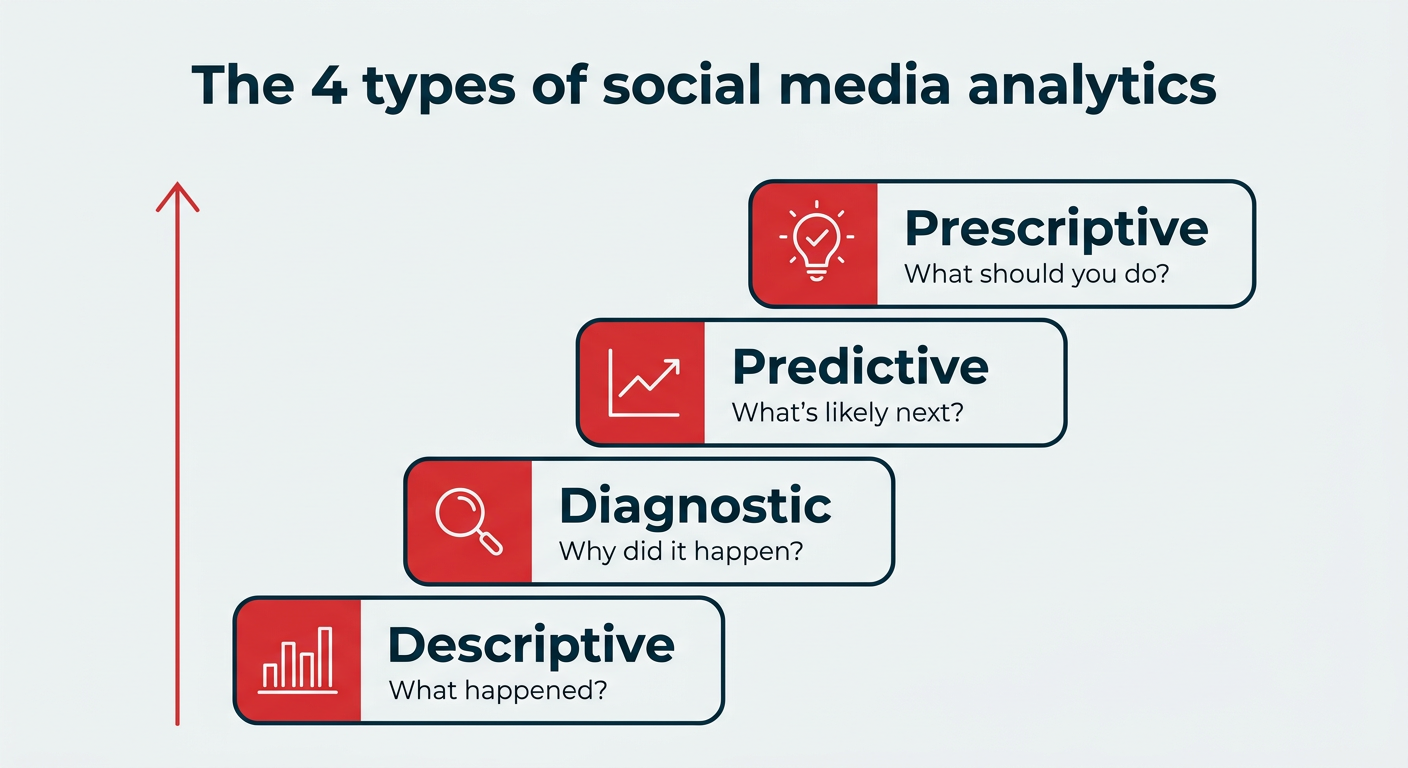
Social media analytics is not a monolithic concept but rather a multi-faceted discipline categorized into four distinct types, each addressing a different dimension of performance and strategic inquiry. Together, they form a powerful framework that guides marketers from understanding past events to formulating future actions:
- Descriptive Analytics: This foundational layer answers the question, "What happened?" It involves collecting and summarizing raw data to identify trends and patterns. Examples include tracking follower counts, post likes, shares, comments, and overall reach. Most native social media platforms offer descriptive analytics as their primary form of reporting.
- Diagnostic Analytics: Moving beyond mere observation, diagnostic analytics probes "Why did it happen?" This type of analysis seeks to uncover the root causes behind observed trends. For instance, if engagement spiked, diagnostic analytics would help determine if it was due to a particular content type, a specific influencer collaboration, or a timely campaign.
- Predictive Analytics: Utilizing historical data and statistical modeling, predictive analytics aims to answer, "What is likely to happen next?" By identifying patterns and correlations, these tools forecast future trends, such as optimal posting times, potential viral content, or shifts in audience sentiment. AI-powered algorithms often play a crucial role here, turning raw numbers into forward-looking insights.
- Prescriptive Analytics: The most advanced form, prescriptive analytics tackles "What action should we take?" Building on predictive insights, it recommends specific strategies and actions to achieve desired outcomes. For example, it might suggest adjusting content themes, allocating budget to specific ad types, or targeting particular audience segments to maximize campaign effectiveness.
While native platform tools typically stop at descriptive analytics, the most sophisticated third-party solutions delve deep into predictive and prescriptive territories, often leveraging artificial intelligence to translate complex data into clear, actionable strategies. This comprehensive analytical approach allows marketers to not only understand their past performance but also to proactively shape their future success.
Demystifying Analytics, Reporting, and Management Platforms
Understanding the distinct functionalities of analytics tools, reporting tools, and management platforms is crucial for making informed investment decisions. The differentiation primarily lies in their scope and depth of capabilities:
- Analytics Tools: These are designed for in-depth data collection, measurement, and interpretation. They focus on providing granular insights into various metrics, audience behavior, and campaign performance.
- Reporting Tools: Often a component of analytics platforms or standalone solutions, these tools specialize in compiling and presenting data in an easily digestible format, typically through customizable dashboards and exportable reports for stakeholders.
- Management Platforms: These are comprehensive suites that integrate scheduling, publishing, engagement, and often, analytics and reporting functionalities into a single dashboard. They streamline workflows for social media teams.
Choosing the appropriate category of tool helps organizations avoid overspending on features they won’t utilize or quickly outgrowing a limited solution. The ideal choice aligns with the team’s size, budget, and the specific social media channels they actively manage.
The Strategic Imperative: Why Analytics Drive ROI
In today’s competitive landscape, marketers face increasing pressure to justify their budgets and demonstrate tangible ROI. Social media analytics tools are vital in this endeavor, providing the data necessary to connect social activity directly to business outcomes. These tools help answer critical questions such as: Which content resonates most with our audience? What drives conversions from social media? How effective are our ad campaigns? What is the true value of our social community?
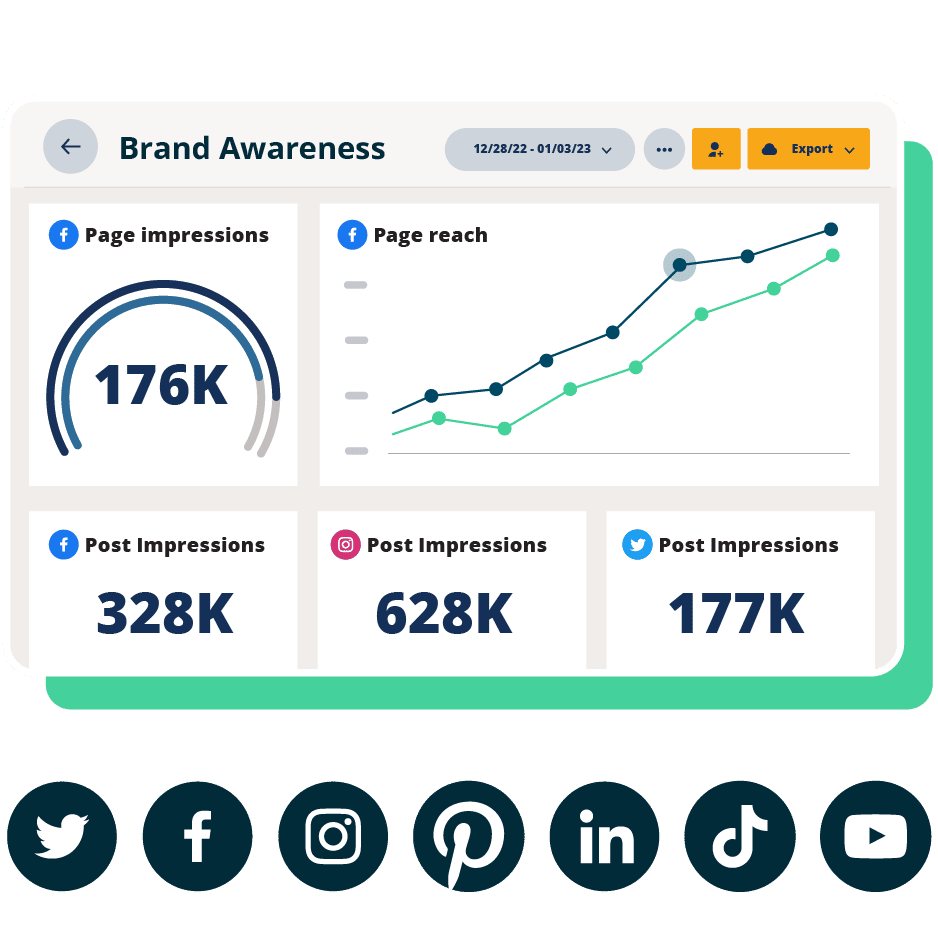
This level of clarity is paramount when defending marketing spend or advocating for additional resources. For instance, the University of Sydney, prior to adopting a centralized analytics solution, struggled with a fragmented social presence and an unclear understanding of performance across multiple accounts. By integrating a tool like Hootsuite’s analytics, they achieved a unified view, tracking overall strategy and measuring performance at both account and campaign levels. Furthermore, by connecting their social data with Adobe Experience Manager, the university gained end-to-end visibility of the student journey, from initial social engagement to prospective enrollment, enabling them to clearly measure and prove the ROI of their social media efforts. This example underscores how analytics transforms social media from a qualitative "guessing game" into a quantitative, strategic channel directly contributing to measurable business objectives.
Key Considerations for Selecting an Analytics Solution

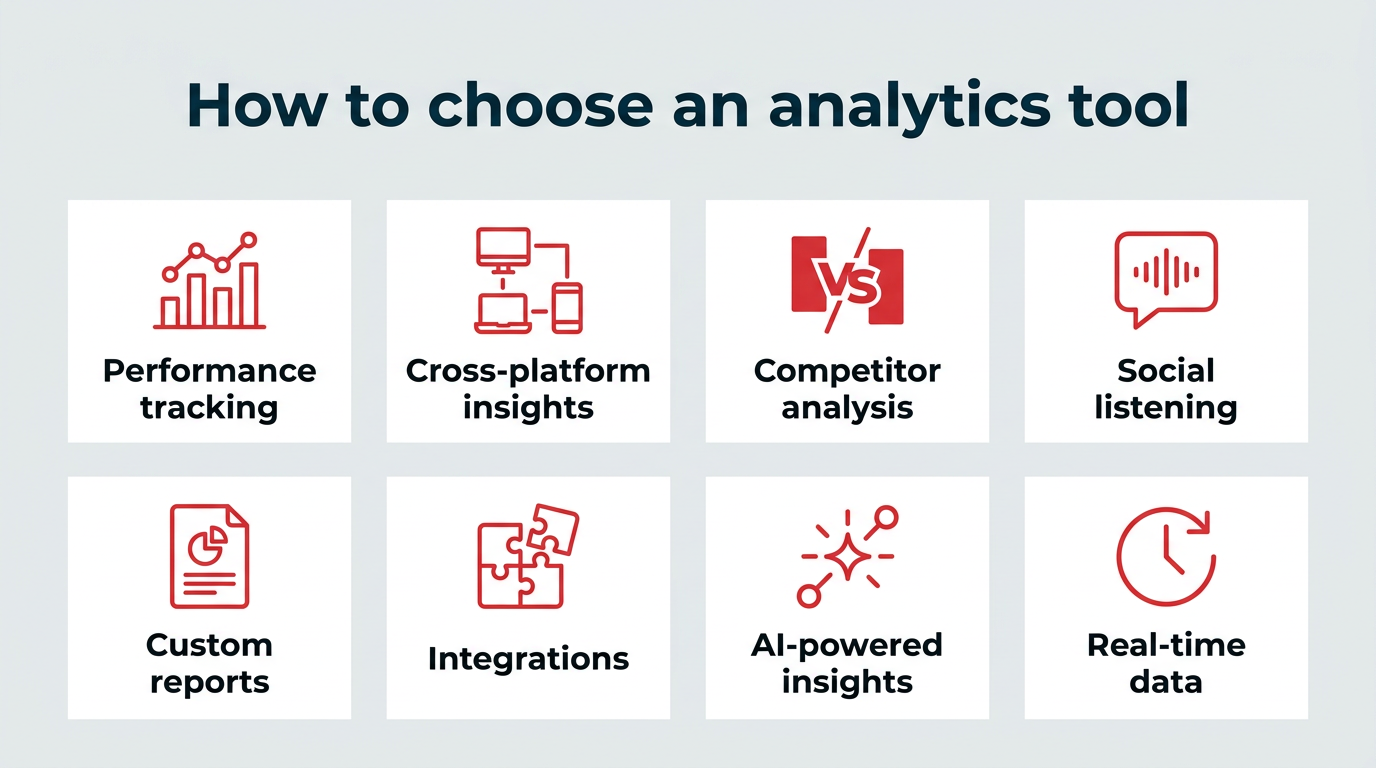
Choosing the right social media analytics tool requires a strategic approach, focusing on what truly drives insight and action. Before diving into feature comparisons, organizations must first clarify their team size, budgetary constraints, and the specific social channels they intend to manage. Once these parameters are established, several key criteria should guide the selection process:

- Cross-Platform Reporting: The ability to consolidate data from all managed social networks into a single, unified view.
- Customizable Dashboards: Flexibility to tailor dashboards to display the most relevant KPIs and metrics for specific roles or campaigns.
- Audience Insights: Deep demographic and psychographic data to better understand target audiences.
- Competitive Analysis: Tools that allow benchmarking performance against competitors, identifying strengths and weaknesses.
- Sentiment Analysis: Capability to gauge the emotional tone of conversations around a brand.
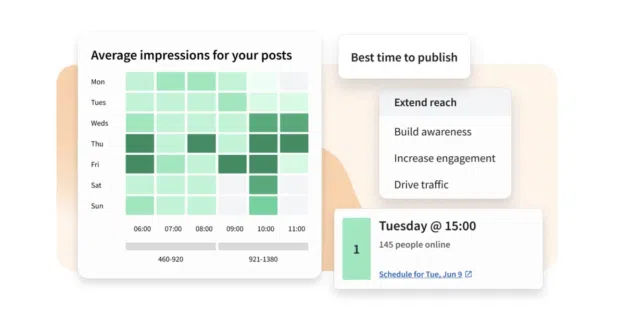
- AI-Powered Recommendations: Insights that translate data into actionable strategies, such as optimal posting times.
- Integration Capabilities: Seamless integration with other marketing tools, CRM systems, and business intelligence platforms.
- Automated Reporting: The ability to schedule and generate regular reports, saving time and ensuring consistent stakeholder updates.
With these considerations in mind, a detailed examination of leading tools can help marketers identify the best fit for their unique needs.

A Deep Dive into Leading Social Media Analytics Platforms (Paid Solutions)

The market for social media analytics tools is robust, offering a diverse array of platforms tailored to different organizational sizes and specific needs. Here, we explore some of the most prominent paid solutions:

Comprehensive Suites for Enterprise and Growing Teams:

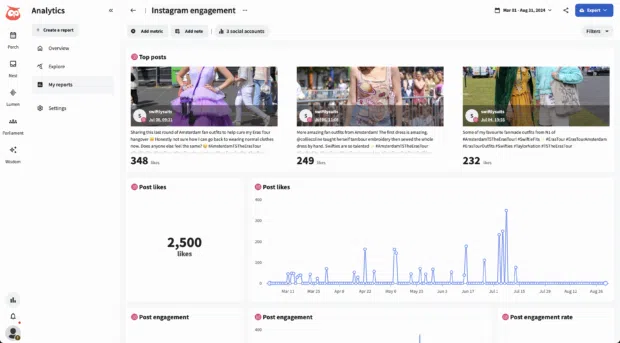
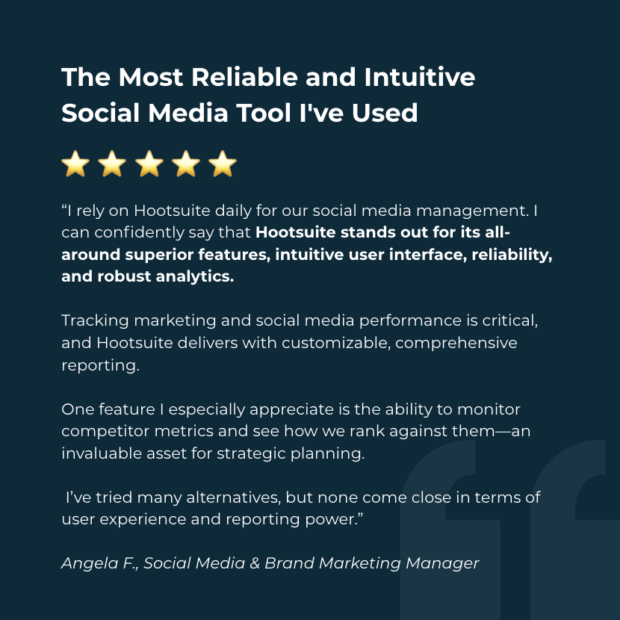
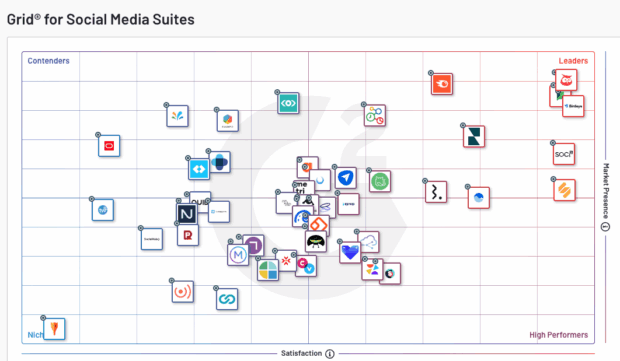
- Perch by Hootsuite: Designed for mid-size to enterprise teams, Perch is lauded for its AI-powered best time to post recommendations, dynamically generated from an account’s historical performance data. It offers comprehensive tracking across major platforms including Facebook, Instagram, X (Twitter), LinkedIn, TikTok, Pinterest, and YouTube. Users can create custom dashboards for at-a-glance KPI monitoring and drill down into individual post performance. Perch’s capabilities extend to competitive benchmarking, trend identification, and performance comparison over time. Hootsuite, as its parent company, was recognized as the #1 2026 Best Software Product by G2, reflecting strong user satisfaction and reliability.
- Lumen by Talkwalker (Hootsuite): This deep social listening and intelligence platform is ideal for PR, communications, and enterprise teams. Lumen’s standout feature is its ability to monitor conversations from over 150 million sources, including news sites, blogs, forums, and social media, to analyze engagement, reach, sentiment, and emotions. It’s critical for crisis detection, competitive intelligence, and understanding the broader market conversation beyond owned channels, offering global coverage across 239 countries.
- Sprout Social: A strong contender for digital marketing teams at larger organizations and agencies, Sprout Social excels with its tagging system, allowing users to analyze inbound and outbound message performance patterns. It provides analytics across all major networks, combining paid and organic performance insights, and facilitates white-labeled report creation and export.
- HubSpot: Best suited for marketing teams at larger companies focused on the full customer journey, HubSpot’s key differentiator is its CRM integration. This allows tracking of contacts and conversions directly attributed to social media, providing a clear picture of social’s impact across the sales funnel. It also integrates with Hootsuite to enrich CRM data with social user context.
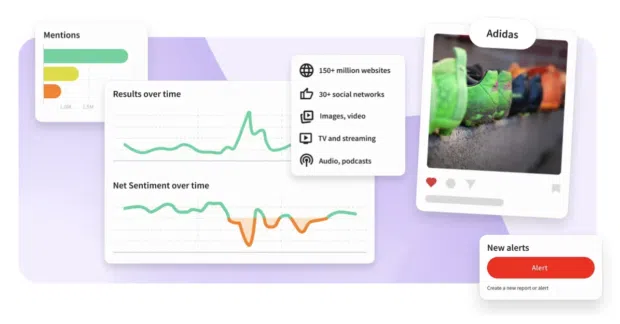
- Brandwatch: A powerful suite for enterprise and research teams, Brandwatch analyzes data from over 100 million sources—including blogs, forums, and review sites—to detect trends, sentiment shifts, and changes in conversation volume using AI. Its alert system keeps teams informed of critical shifts in real-time.
- Keyhole: Geared towards enterprise-level businesses, Keyhole offers automated reports on influencer marketing campaigns, including detailed social media ROI breakdowns. It provides in-depth campaign reporting, brand mention tracking, hashtag performance analysis, and competitive strategy insights across impressions, reach, and share of voice.
- Quintly: Unique in its focus as an exclusive social media analytics software, Quintly caters to analytics-focused teams and agencies. It offers highly customizable dashboards drawing from over 500 social media metrics, providing detailed data and reports for Facebook, Instagram, X (Twitter), LinkedIn, YouTube, and Snapchat, alongside robust competitor benchmarking.
Specialized & Niche Tools for Specific Use Cases:

- Buffer: An accessible option for small teams and solopreneurs, Buffer focuses on social media scheduling with lightweight analytics. Its strength lies in simple Instagram post performance tracking, including Stories analytics, for teams prioritizing ease of use over extensive features.
- Later: Popular with creators and small brands, Later combines visual content planning with analytics. Its standout feature is Link in Bio page data flow, which tracks website clicks from Instagram and TikTok, offering valuable insights for direct conversions.
- Rival IQ: Ideal for competitive-focused marketers, Rival IQ provides head-to-head performance reports against individual competitor accounts on Instagram, TikTok, Facebook, and X. It offers on-demand data, alerts, and automated reports for social media audits and granular post-level analysis.
- Channelview Insights: Specifically designed for YouTube-focused teams, this tool allows tracking and analysis of multiple YouTube channels with exportable PDF and CSV reports. It provides a clear view of key metrics like views, engagement, watch time, and subscriber activity.
- Mentionlytics: A strong entry point for PR, brand monitoring teams, and product marketers at small to medium-sized businesses, Mentionlytics offers sentiment and share of voice analysis in multiple languages. It tracks brand mentions across the web and aids in identifying influencers and relevant industry hashtags.
- Panoramiq Insights: Tailored for Instagram marketers and creators, Panoramiq Insights provides detailed Instagram Story analytics for multiple accounts. It offers deeper visibility into story engagement, reach, and audience demographics, along with insights into follower growth and optimal posting times.
- Iconosquare: Catering to solo entrepreneurs and SMBs, Iconosquare is a multi-platform analytics tool that monitors brand metrics across Instagram, Facebook, X (Twitter), LinkedIn, and TikTok. Its reports, available in PDF or XLS, include social images for clearer reporting and analysis, and allow for competitor benchmarking and scheduled delivery.
Leveraging Native and Free Analytics for Foundational Insights

While third-party tools offer unparalleled depth and cross-platform capabilities, native social media analytics and other free options serve as excellent starting points, especially for individuals or small teams managing a limited number of channels. However, their primary limitation is platform specificity and a lack of cross-platform comparison or advanced reporting.

- Google Analytics: While not a dedicated social media tool, Google Analytics is indispensable for web-based businesses. It tracks social-driven traffic and conversions to a website, providing critical insights into which social channels are most effective in driving business outcomes and measuring social campaign ROI.
- Meta Business Suite Insights: This built-in tool provides a consolidated view of performance across Facebook and Instagram. It offers account, platform, and post metrics, audience demographics, and ad spend data, making it valuable for marketers focused on Meta platforms.
- Instagram Insights: Available for business and creator accounts, Instagram Insights tracks reach, engagement, and follower growth, along with detailed interactions with posts, Reels, and Stories. It also provides insights into audience demographics.
- TikTok Analytics: For TikTok business accounts, this tool breaks down metrics into overview, content performance, and audience insights, helping creators understand video performance and follower growth trends.
- X Analytics: Accessible to X Premium users, X Analytics offers a quick snapshot of organic and paid content performance, including top posts and followers. It helps identify influencers and track engagement and impressions over time.
- Pinterest Analytics: For Pinterest business accounts, this tool tracks key metrics for paid and organic Pins, including impressions, engagements, video views, saves, and closeups. With the Pinterest tag on a website, it can also track conversions.
- LinkedIn Page Analytics: Available to LinkedIn Page admins, this provides data on content, followers, visitors, leads, and competitors. It also tracks employee advocacy, career page engagement, and newsletter performance.
Implementing an Effective Social Media Measurement Workflow

Transforming scattered data into actionable decisions requires a repeatable, structured workflow. This five-step process ensures that social media analytics consistently contributes to strategic growth:

- Start with Your Goal, Not the Metric: Before diving into numbers, define what you aim to achieve—be it brand awareness, lead generation, or community growth. Your overarching goal will dictate which metrics truly matter, preventing data overload and ensuring focus on needle-moving insights.
- Consolidate Your Data into One View: Juggling multiple native analytics dashboards is inefficient. Utilizing a comprehensive tool that aggregates data from all social channels into a single dashboard enables cross-platform reporting at a glance, streamlining analysis and comparison.
- Look for the "Why" Behind the Numbers: A spike or dip in performance is just a symptom. The real value lies in understanding the underlying causes. Leverage advanced analytics features, particularly AI-powered insights, to surface patterns and translate them into clear, plain-language explanations that inform future strategy.
- Set a Review Cadence: Establish a consistent schedule for reviewing your analytics. Most teams benefit from a weekly check-in on core metrics like engagement and reach, supplemented by a deeper monthly or quarterly review to identify long-term trends, assess strategic effectiveness, and make necessary adjustments.
- Build a Repeatable Report: Create standardized reporting templates that can be reused for each review cycle. Consistent formatting not only saves time but also makes it easier for stakeholders to track progress, understand performance trends, and grasp the impact of social media initiatives over time.
By diligently following this workflow, organizations can elevate their social media presence from an unpredictable venture to a precisely measured, strategically driven component of their overall business success.

In conclusion, the landscape of social media analytics is continually evolving, mirroring the dynamic nature of digital communication itself. From descriptive insights to prescriptive recommendations, these tools are no longer optional but essential for any organization seeking to understand its audience, optimize its content, manage its reputation, and ultimately, prove the tangible value of its social media investments. The strategic adoption and consistent application of these analytics platforms empower marketers to make smarter decisions, justify their efforts, and continuously refine their path to digital success.