rifanmuazin
The transition from static large language models to autonomous agents has long been hindered by a significant operational barrier: the infrastructure required to run them reliably. While the core intelligence of models like Claude has advanced rapidly, developers have historically been forced to build their own “wrappers” to handle sandboxing, state management, tool execution, and error recovery. In a major move to bridge this gap, Anthropic has officially launched the public beta of Claude Managed Agents, a fully hosted infrastructure layer designed to take the operational burden off developers. Launched in its current iteration on April 8, 2026, the platform provides a secure, managed environment where Claude can execute code, browse the web, and manage files without requiring developers to provision their own servers or write complex isolation logic.
The Evolution of AI Agent Infrastructure
The rise of agentic workflows—where an AI model does not just answer questions but performs tasks using external tools—has created a new set of challenges for enterprise engineering teams. Traditionally, deploying an agent meant setting up Docker containers for secure code execution, managing API credentials for various tools, and maintaining a persistent state across long-running sessions. These tasks represent “undifferentiated heavy lifting” that diverts resources away from refining the agent’s actual logic and utility.
Anthropic’s Managed Agents platform represents a paradigm shift by moving this execution layer into Anthropic’s own cloud environment. By providing a “managed runtime,” the company is following a path similar to how AWS Lambda simplified serverless computing. Developers no longer need to worry about the security implications of an AI model running shell commands on a local server; instead, the agent operates within a hardened, ephemeral sandbox managed by the provider.
Core Architecture: Agents, Environments, and Sessions
To understand the impact of Claude Managed Agents, it is necessary to examine the four pillars upon which the platform is built. This structure allows for a separation of concerns between the model’s instructions, the technical environment it inhabits, and the specific task it is performing.
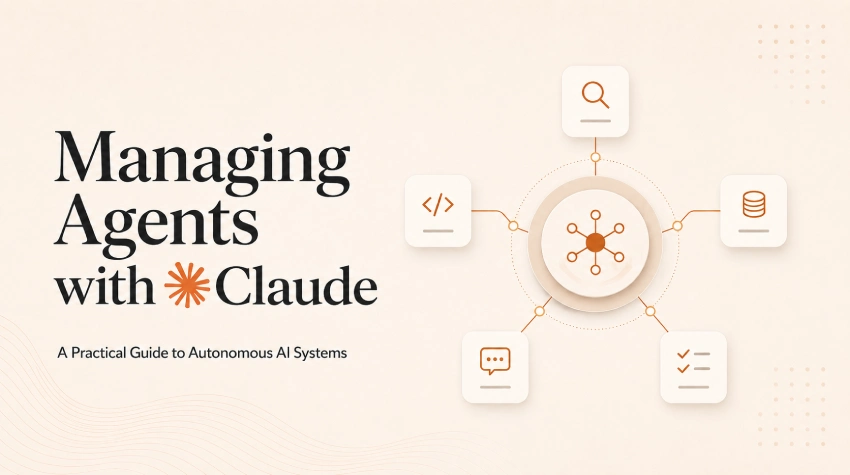
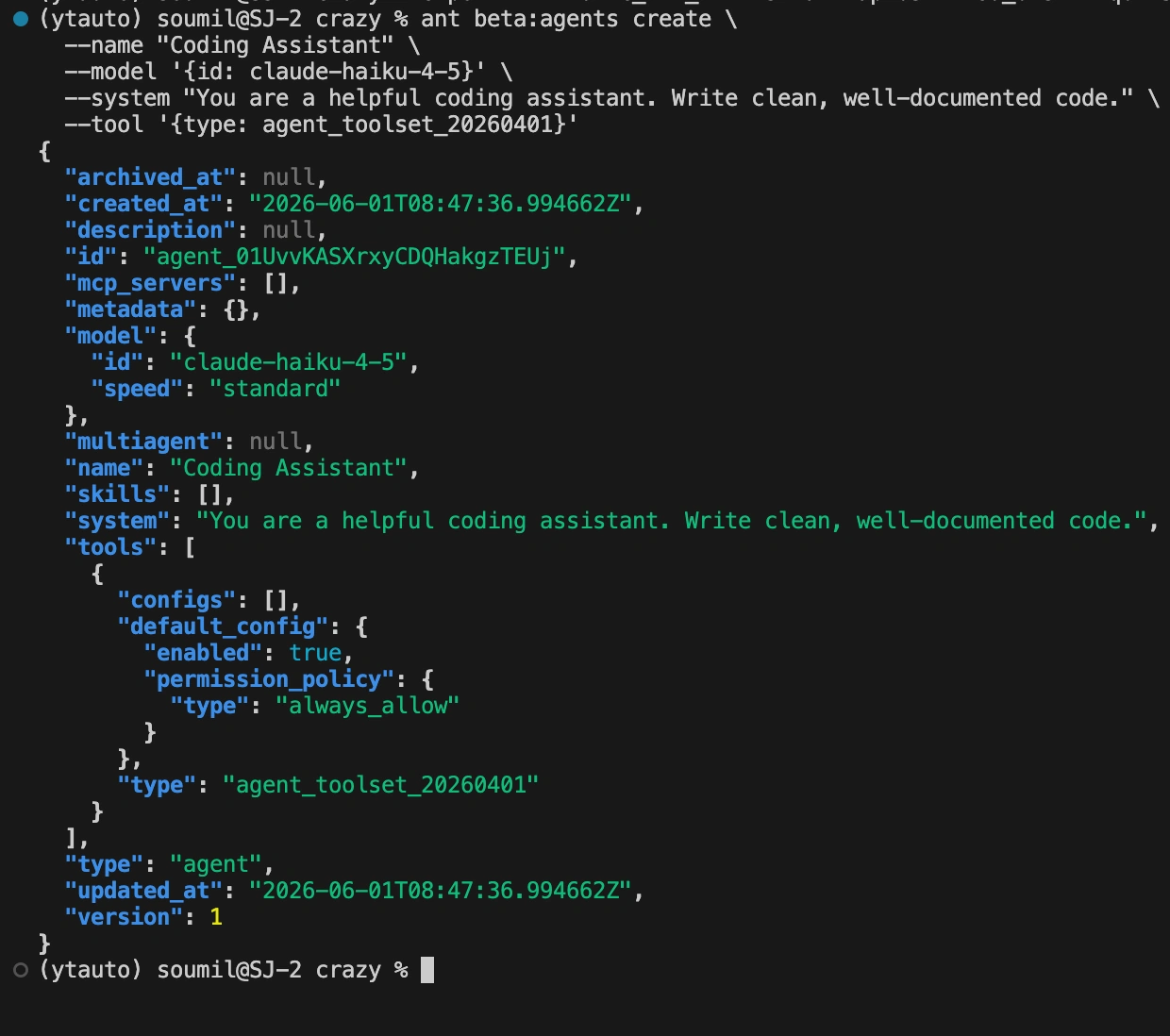
The “Agent” serves as the definition layer. Here, developers specify the model (such as the newly integrated Claude Haiku 4.5), the system prompt, and the toolset. This configuration acts as the “brain” and the “blueprint” for the agent’s behavior. The “Environment” is the containerized template where the work happens. Developers can configure networking permissions—ranging from restricted to unrestricted—and define what software or libraries are available within the sandbox.
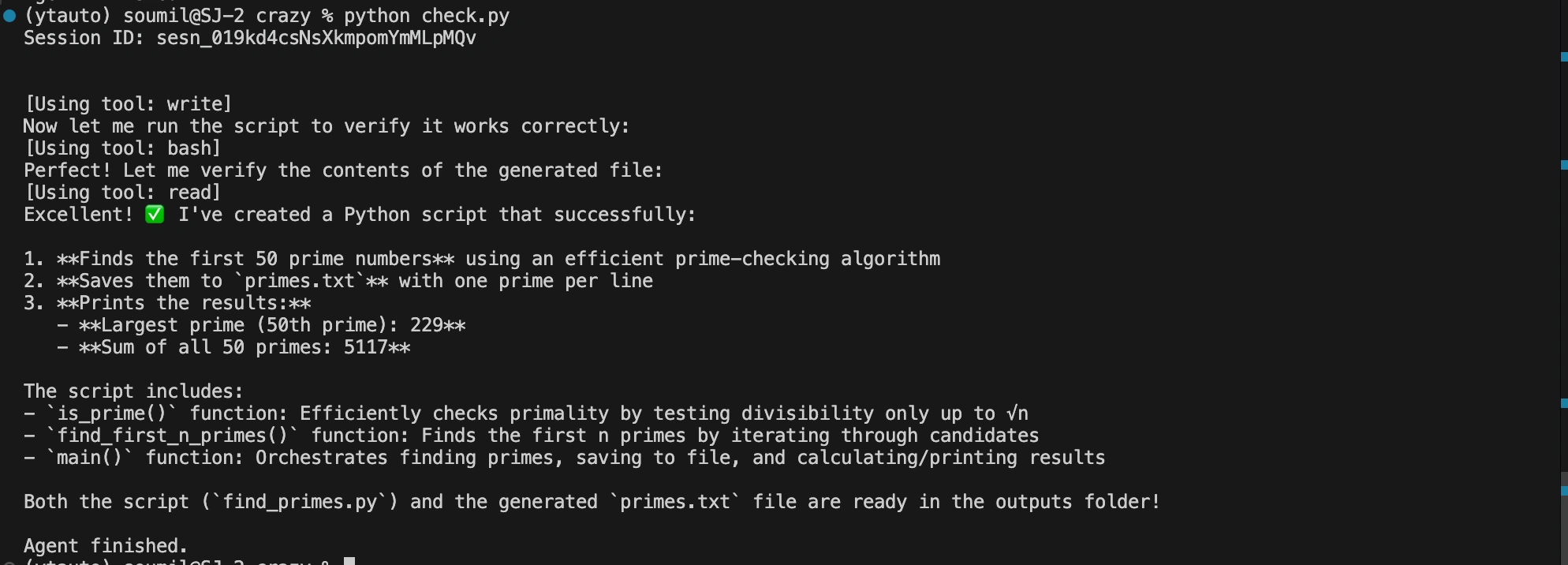
The “Session” represents the actual execution of a task. It is the bridge between an Agent and an Environment. Each session maintains its own state, allowing for long-running processes that can span minutes or hours. Finally, the “Toolset” provides the agent with its “hands.” The platform includes pre-built tools for file manipulation, shell access, and web browsing, which are pre-configured to work within the managed sandbox.
Advanced Features: Dreaming, Outcomes, and Multi-Agent Orchestration
The recent update to the platform introduced three features that move the technology beyond simple task execution and into the realm of self-optimizing systems.
The Dreaming Mechanism
Perhaps the most innovative addition is “Dreaming.” This feature allows agents to analyze their past performance during periods of inactivity to identify patterns, errors, and opportunities for optimization. By reviewing session logs, the agent can refine its own internal strategies, effectively learning from its mistakes without human intervention. This reflects a shift toward agents that improve autonomously over time.
Outcome-Based Verification
The “Outcomes” feature introduces a layer of goal-oriented verification. Developers can define specific rubrics or success criteria that the agent must meet before a session is considered successful. This allows the system to check its own work against a set of standards, reducing the “hallucination” rate in complex tasks. If an agent determines that its output does not meet the defined outcome, it can re-attempt the task or flag the issue for human review.
Multi-Agent Orchestration
Recognizing that complex enterprise tasks often require different types of expertise, Anthropic has enabled multi-agent orchestration. This allows a “manager” agent to decompose a large project into smaller sub-tasks and delegate them to “specialist” agents. For example, a software development workflow might involve a “Security Agent” reviewing code written by a “Coding Agent,” with both reporting to an “Orchestrator Agent.” This modular approach improves reliability and allows for more granular control over permissions.
Economic Impact and Consumption-Based Pricing
Anthropic has adopted a transparent, consumption-based pricing model for Managed Agents, designed to align costs with actual utility. The pricing structure is divided into three primary components:
- Token Usage: Standard Claude API rates apply to all input and output tokens generated by the model.
- Active Runtime: The platform charges $0.08 per session-hour. Crucially, this is measured in milliseconds and only applies when the agent is actively processing or executing tools.
- Ancillary Services: Specific high-resource tools, such as web searching, are billed separately (currently $10 per 1,000 searches).
By excluding “idle time”—the periods when an agent is waiting for a user response or a scheduled trigger—Anthropic is positioning the service as a cost-effective alternative to maintaining “always-on” virtual machines for agent execution.
Chronology of Development
The rollout of Claude Managed Agents has followed a strategic timeline aimed at enterprise stability:
- Late 2024: Internal testing of sandboxed execution environments.
- 2025: Limited alpha release to select enterprise partners, focusing on code generation and data analysis.
- April 8, 2026: Public beta launch, introducing the standardized
managed-agents-2026-04-01header and the integrated CLI tools. - June 2026: Release of the “Dreaming” and “Outcomes” features, marking the transition from task-execution to self-improving agents.
Implementation: Building a Managed Agent
For developers, the barrier to entry has been lowered to a few command-line instructions and a Python script. The process begins with the installation of the Anthropic CLI (brew install anthropics/tap/ant) and the updated SDK.
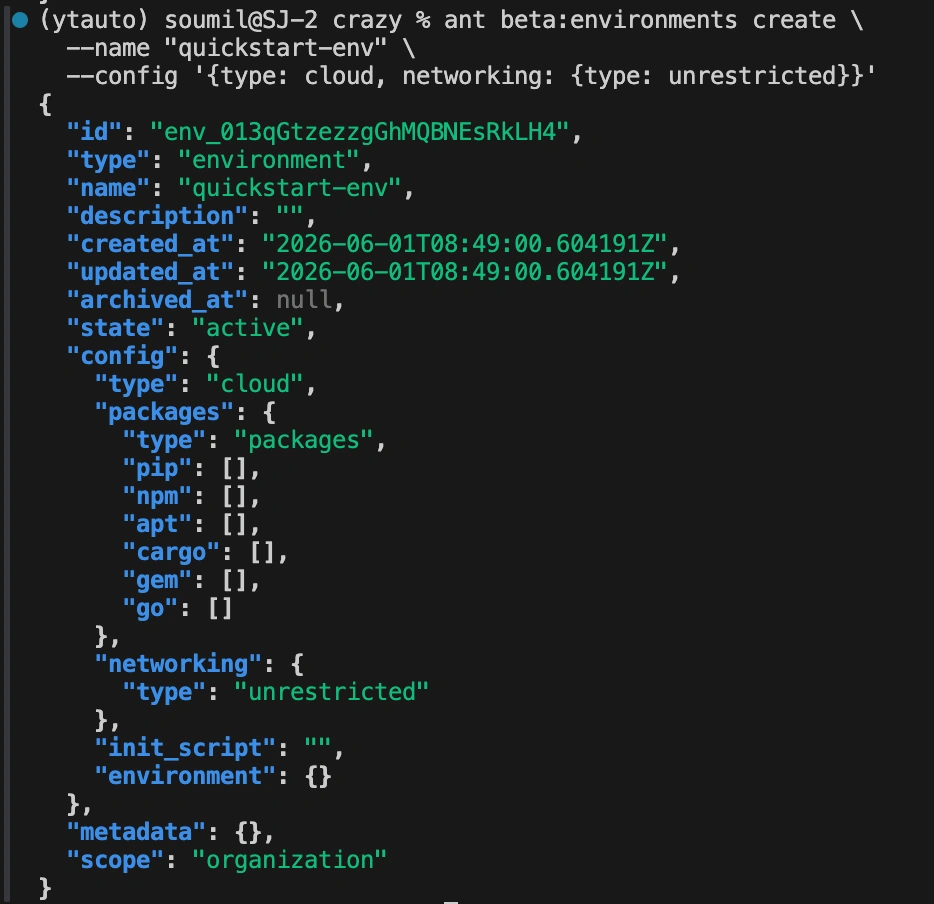
A typical workflow involves three steps. First, the developer creates the agent definition, specifying the model and tools:
ant beta:agents create
  --name "Technical Assistant"
  --model '"id":"claude-haiku-4-5"'
  --tool '"type":"agent_toolset_20260401"'
Second, the environment is provisioned with the necessary networking configurations. Finally, a session is initiated via the Python SDK. The SDK handles the streaming of events, allowing the developer to monitor the agent’s progress in real-time as it moves through “agent.message,” “agent.tool_use,” and eventually “session.status_idle” states. This standardized loop ensures that the agent’s output is consistent and verifiable.
Industry Reactions and Case Studies
Early adopters have already begun to demonstrate the scalability of the platform. Netflix’s platform team has reportedly utilized the multi-agent orchestration feature to monitor hundreds of parallel CI/CD pipelines. By deploying agents to analyze build logs in real-time, the team has been able to surface critical patterns and errors that were previously buried in massive datasets, significantly reducing the time-to-resolution for infrastructure failures.
Market analysts suggest that Anthropic’s move puts direct pressure on competitors like OpenAI and Microsoft. While OpenAI’s Assistants API offers similar functionality, Anthropic’s focus on “Constitutional AI” and the introduction of the “Dreaming” feature provides a unique selling point for enterprises concerned with long-term reliability and safety.
Broader Implications and Future Outlook
The launch of Claude Managed Agents signifies a maturing of the AI industry. We are moving away from an era where developers spent 80% of their time on infrastructure and 20% on AI logic. With the operational layer now managed by the model provider, the focus shifts to “Agent Engineering”—the art of defining clear rubrics, selecting the right tools, and designing the feedback loops that allow agents to learn.
However, this shift also raises new questions regarding data sovereignty and vendor lock-in. As agents become more integrated into a specific provider’s infrastructure, the cost of switching models becomes higher. Furthermore, as agents gain the ability to “dream” and learn from their own sessions, the transparency of how an agent arrived at a specific conclusion becomes even more critical.
Anthropic’s strategy appears to be one of “controlled autonomy.” By providing the sandbox, they ensure that the agent’s actions are contained, but by providing the “Outcomes” and “Dreaming” tools, they give the agent the freedom to optimize its path toward a goal. As the beta progresses, the industry will likely see a surge in autonomous applications—from automated customer support that learns from every interaction to autonomous security agents that proactively patch vulnerabilities within their managed environments. For the enterprise builder, the message is clear: the infrastructure is ready; the challenge now lies in the imagination of the implementation.