The rapid evolution of artificial intelligence has transitioned from simple large language model (LLM) prompting to the sophisticated orchestration of autonomous agents. However, as organizations rush to deploy these agents into production environments, a significant technical schism has emerged among developers. While some engineers argue for "improved loop engineering," others contend that the fundamental failures of modern AI agents lie within the "harness" itself. This conceptual confusion—mixing the foundational environment with the iterative logic and the structural flow—is proving costly for enterprises attempting to integrate AI with real-world APIs and file systems.
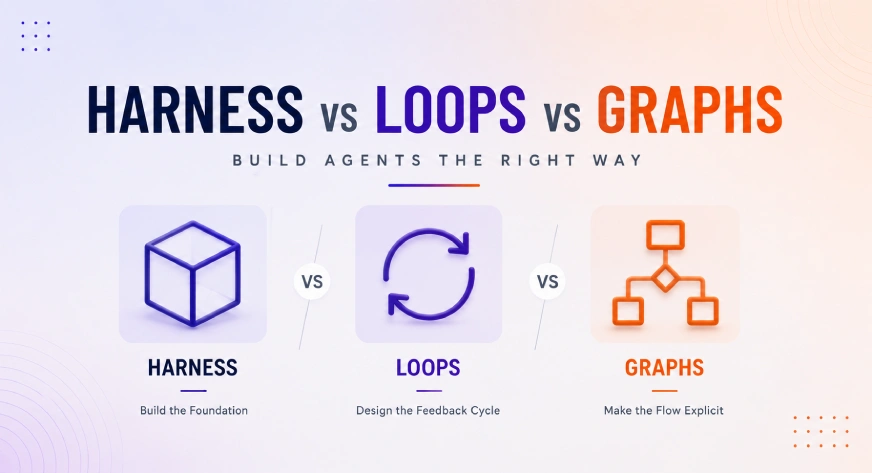
As of mid-2026, the industry has reached a consensus that building a reliable AI agent requires a layered approach. The distinction between agent harness engineering, loop engineering, and graph engineering is no longer just academic; it is a prerequisite for system stability. When an agent fails in a production environment, the diagnostic sequence must follow a specific hierarchy: environment (harness), then feedback (loop), and finally flow (graph).
The Evolution of the Agentic Stack: A 2024–2026 Chronology
To understand the current state of agent engineering, one must look at the timeline of development that led to the "July 2026 Explosion" on social media and developer forums.
In 2024, the focus was primarily on Retrieval-Augmented Generation (RAG). Developers were concerned with getting the right data into the model’s context window. By early 2025, the industry shifted toward "Agentic Workflows," where models were given tools (function calling) to interact with the world. However, these early agents were fragile; they frequently "hallucinated" tool outputs or became stuck in infinite loops.
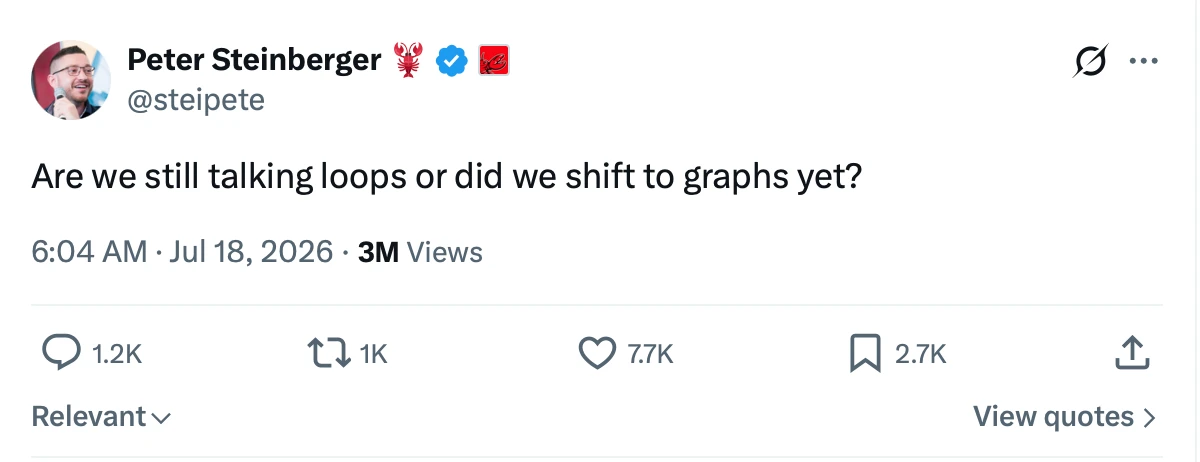
By late 2025, frameworks like LangGraph and specialized coding agents like Claude Code began to gain traction. The conversation shifted from "how do we prompt the model?" to "how do we build the system around the model?" This culminated in July 2026, when prominent developers, including Peter Steinberger, challenged the community to define the boundaries between the various engineering layers. The debate highlighted a critical flaw: many teams were building complex graphs with dozens of nodes before ensuring their basic harness could even maintain state after a single failure.
Layer 1: Agent Harness Engineering—The Foundation of Persistence
An AI model, in its raw state, is a stateless mathematical engine. It cannot write to a disk, it cannot remember what happened in a previous session without external help, and it cannot recover from a network timeout. The agent harness is the solution to these limitations.
In professional terms, the agent is defined as the Model + the Harness. The harness represents everything outside the model: the code, configuration, execution logic, middleware, logging, and retry mechanisms. If you were to remove the LLM from an architecture diagram, the skeleton that remains—the tools, the storage, and the information retrieval systems—is the harness.
The importance of the harness was underscored by Anthropic’s development of its long-running coding agents. Engineers discovered that simply providing a model with a massive context window was insufficient for complex software engineering tasks. Instead, they built a "full-system solution" that included initializers, progress files, and integration with version control systems like Git. This allows an agent to "reboot." If a process fails or a context window is exhausted, the harness ensures the new session picks up exactly where the previous one left off by reading the state from the file system.
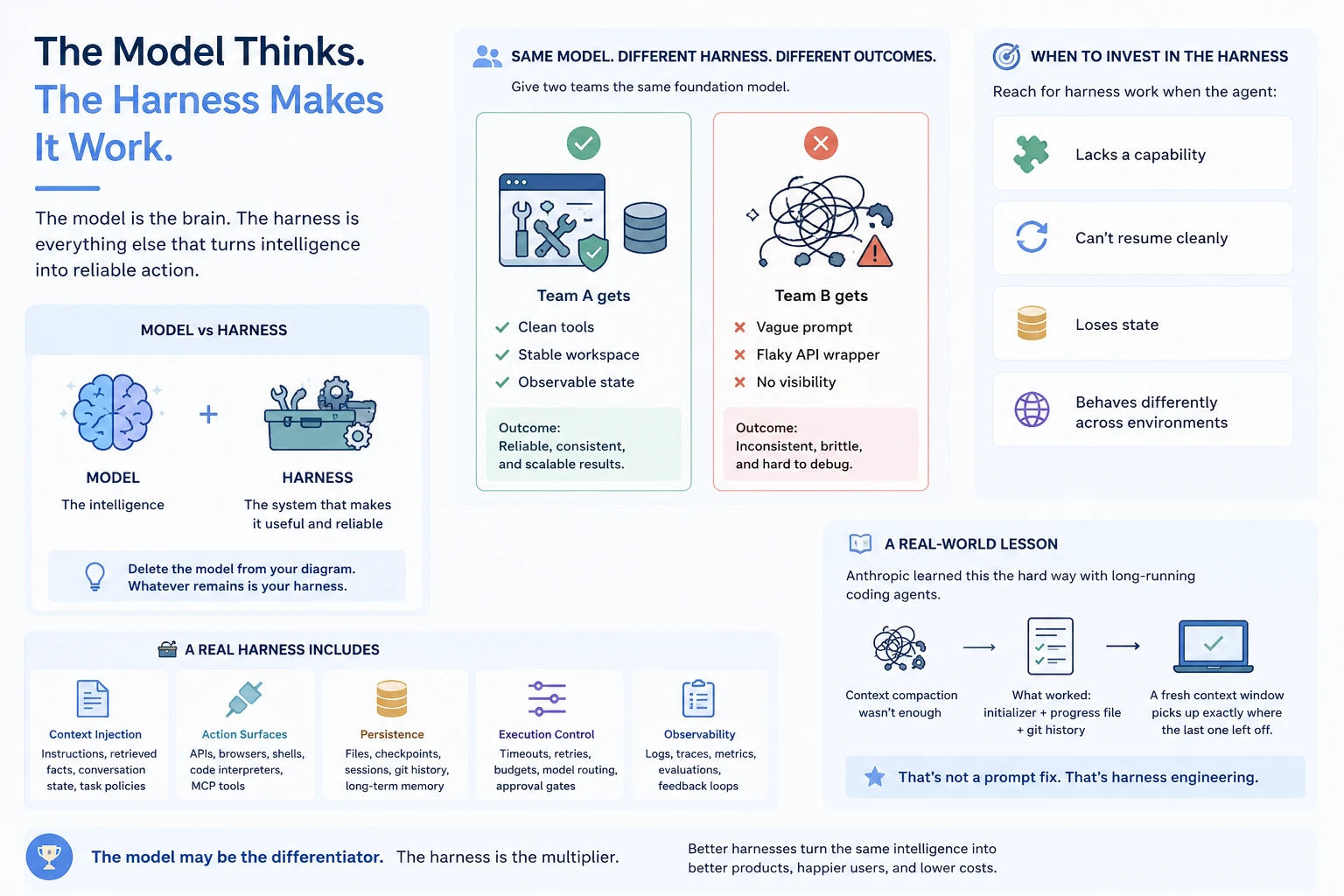
When an agent fails to pick up a task after an interruption or provides inconsistent information across sessions, the problem is almost always a harness issue, not a model or loop issue.
Layer 2: Loop Engineering—The Engine of Iterative Verification
Once a stable harness is established, the next layer is loop engineering. This involves designing the intentional, recurring cycles of action and feedback that allow an agent to self-correct.
The industry moved away from simple "one-shot" prompting in early 2026. As Boris Cherny, head of Claude Code at Anthropic, noted in June 2026, the paradigm has shifted from prompting the model to "activating loops that prompt the model."
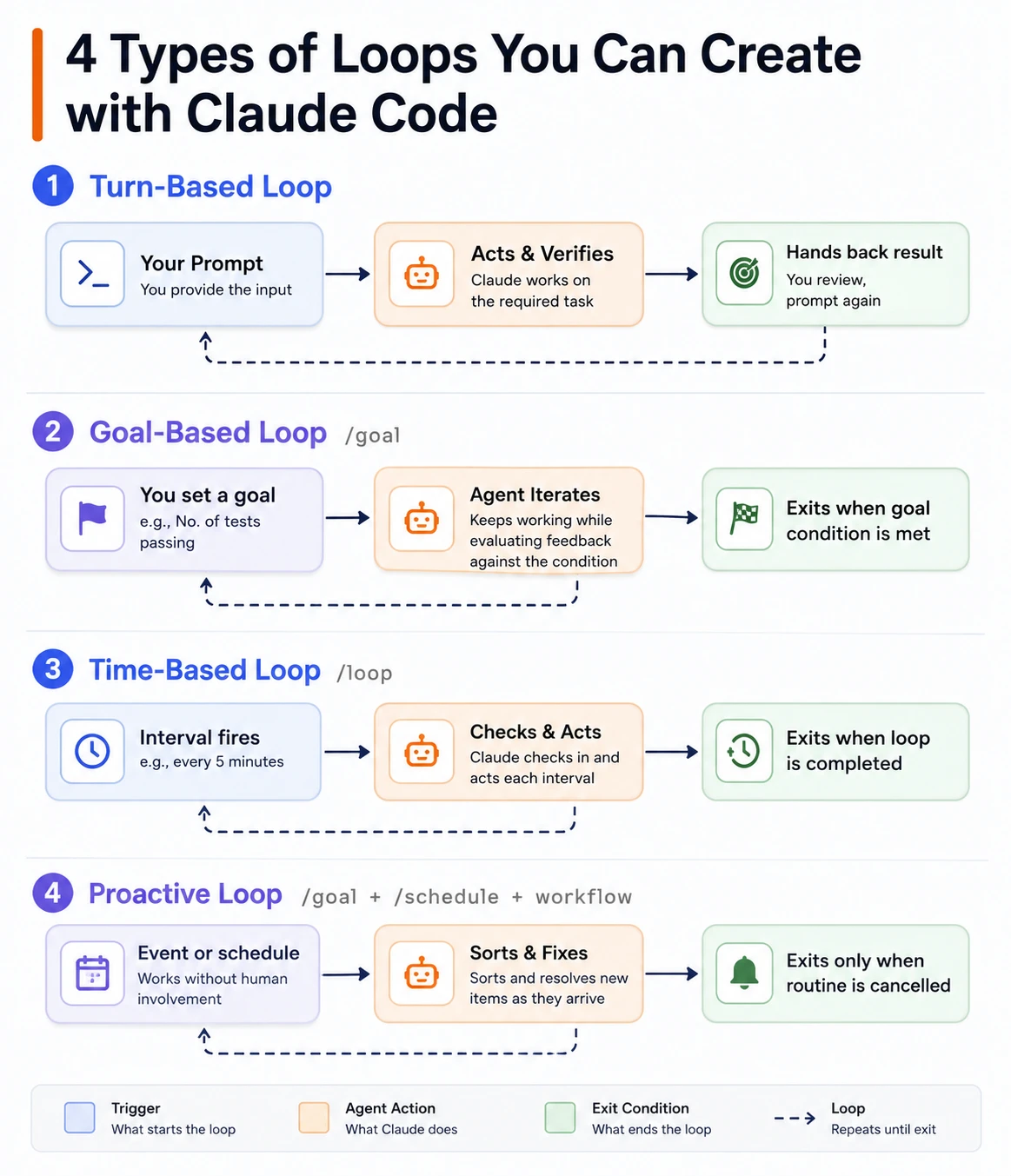
Loop engineering is characterized by deterministic verification. Unlike the model itself, which is probabilistic, a well-engineered loop uses hard-coded checks to validate outputs. For example, a coding agent should not merely ask itself, "Does this code look correct?" Instead, the loop should execute the code, run a suite of unit tests, and feed the specific error logs back into the model.
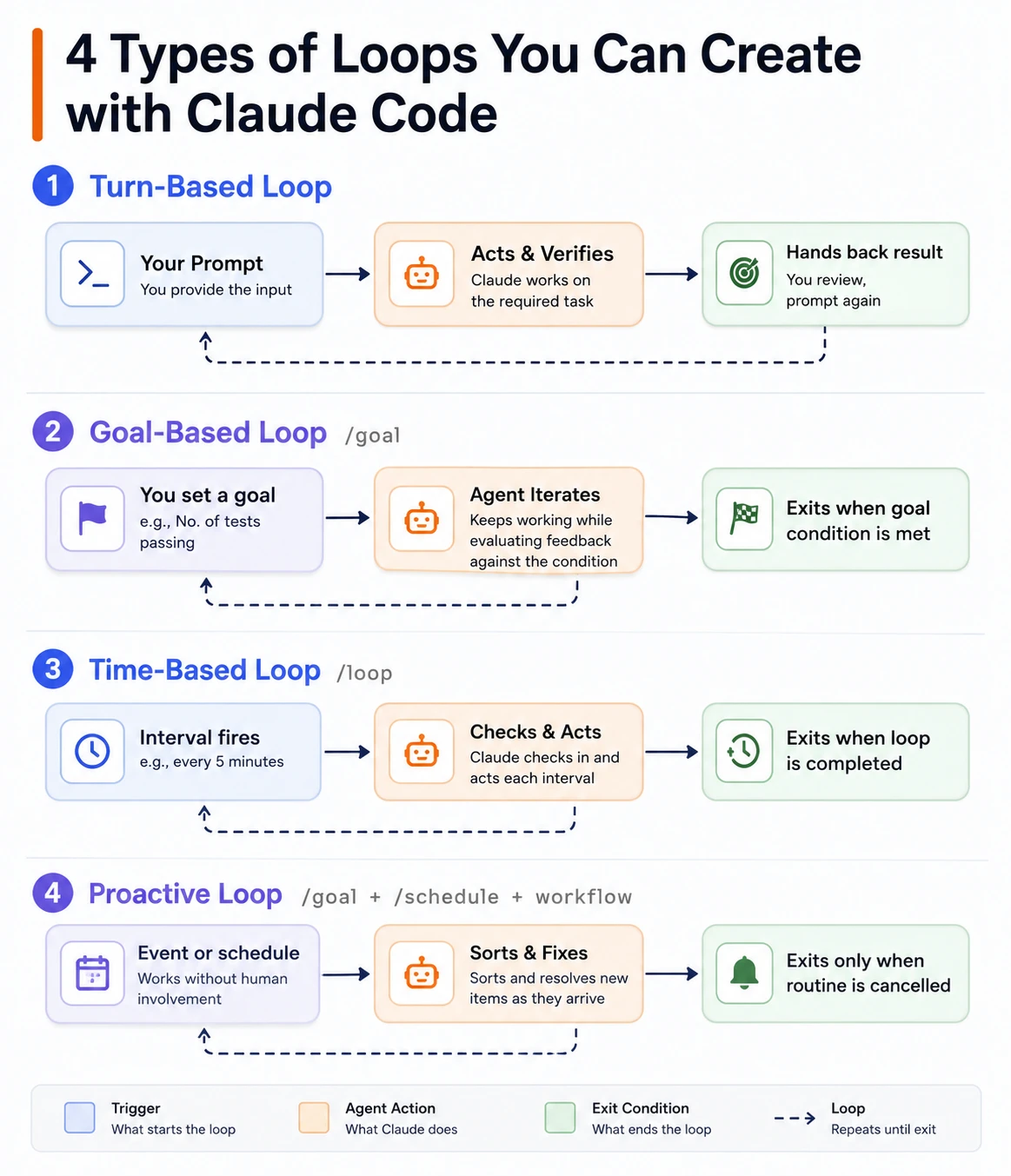
There are four primary types of agentic loops recognized by industry standards:
- Triggered Loops: Initiated by a specific event, such as a file change or an API call.
- Scheduled Loops: Executed at set intervals, common in data monitoring or daily reporting agents.
- Goal-Oriented Loops: The agent continues to iterate until a specific "definition of done" is met (e.g., all tests pass).
- Human-in-the-Loop: The cycle pauses for human intervention or approval before proceeding.
The distinction here is vital: loop engineering is about the quality of the individual task. It is the mechanism that ensures an agent doesn’t just "try" to do something but continues to refine its effort based on objective feedback until the task is complete or escalated.
Layer 3: Graph Engineering—The Orchestration of Control Flow
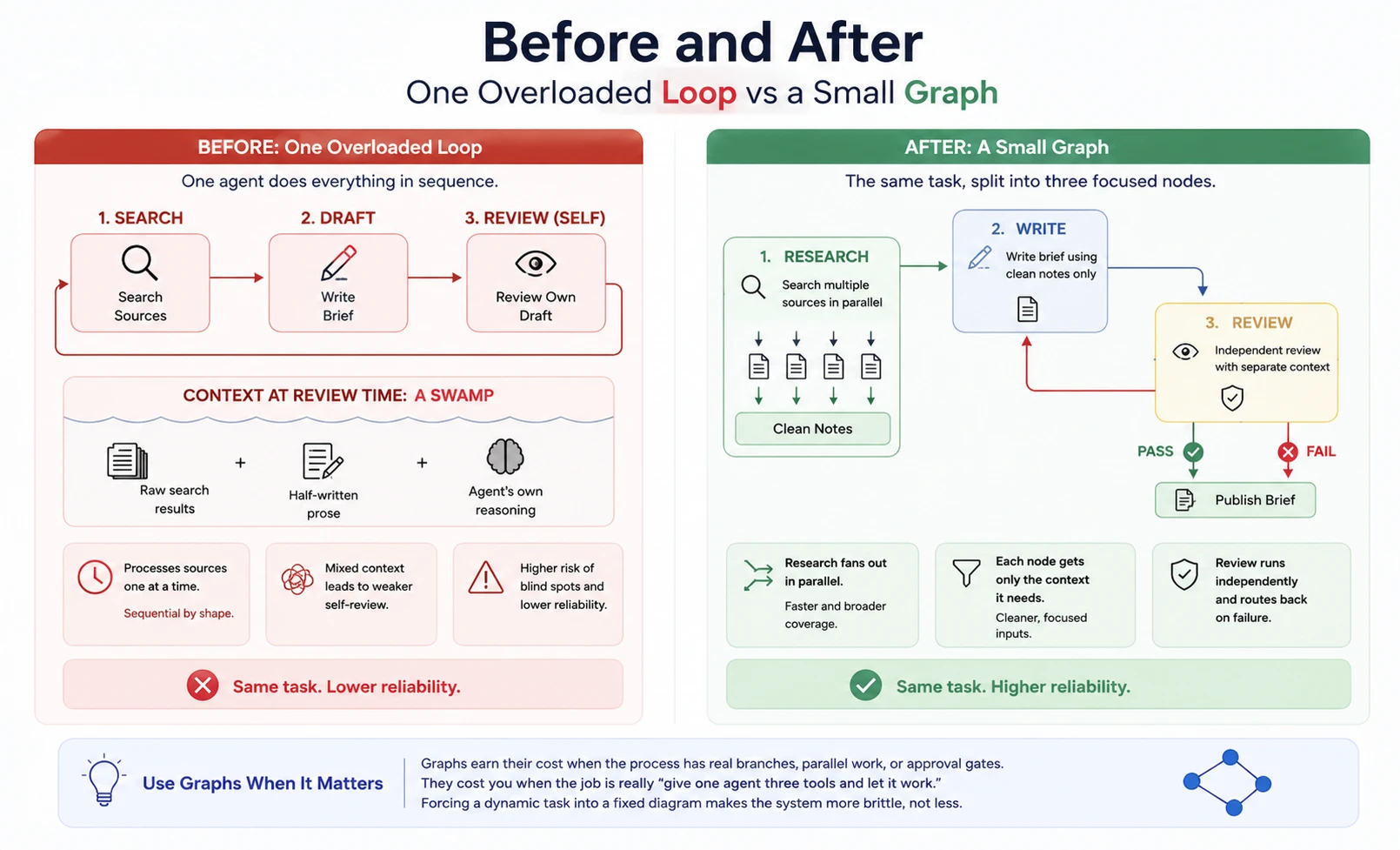
The final and most complex layer is graph engineering. While loop engineering focuses on how an agent executes a single task, graph engineering defines what the agent is permitted to do next. It is the explicit mapping of the control flow.
In a graph-based architecture, each node in the graph can be seen as its own contained loop. For instance, a "Researcher" node might run its own internal loop to find and verify sources. Once complete, the graph routes the output to a "Writer" node. Graph engineering introduces the concept of routing and parallel execution.
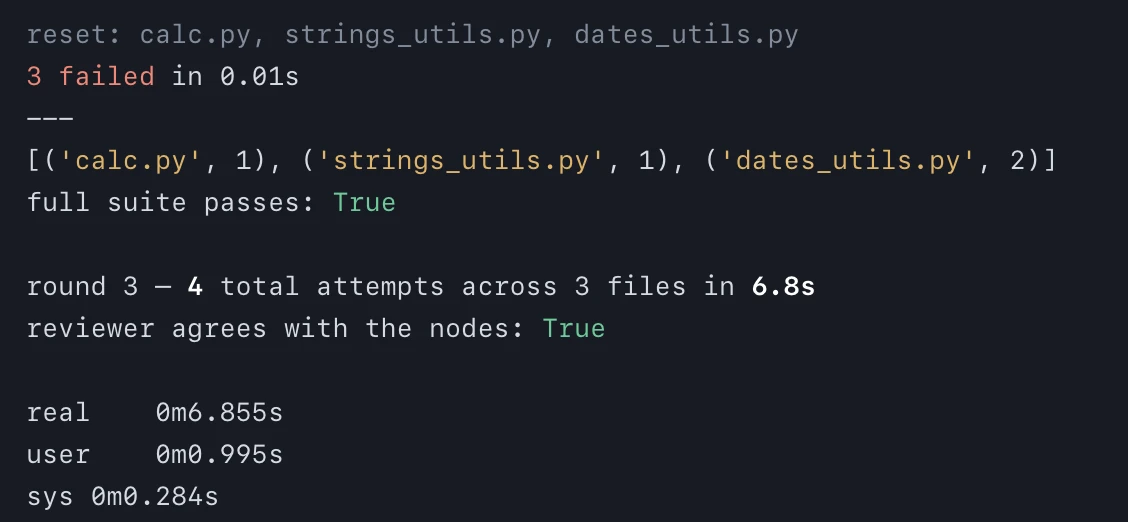
One of the most significant advantages of graph engineering is the ability to provide "fresh eyes" for verification. In a simple loop, the same model context is often used for both creation and review, leading to "confirmation bias" where the model fails to see its own mistakes. A graph-based system can route a completed draft to a "Reviewer" node that has a completely fresh context window, allowing for a more objective assessment of the work.

Comparative Analysis: The Impact of Each Layer
To demonstrate the practical implications of these layers, consider a standard software debugging task. When an agent is tasked with fixing bugs in a repository, the results vary wildly depending on which layers of engineering are applied.
Harness Only: At this level, the agent can read the code and write a fix. However, it only gets one attempt. If the fix is wrong or introduces a syntax error, the task fails. The harness makes the work possible by providing file access, but it does not ensure success.
Loop Engineering: By adding a loop, the agent can run tests after writing a fix. If the tests fail, the loop feeds the error back to the model for a second attempt. Data shows that adding a verification loop can increase task success rates by over 40%, though it introduces additional latency and token costs.
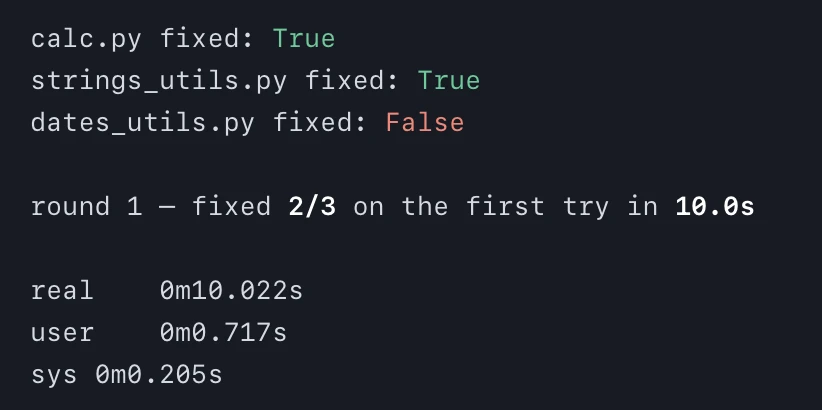
Graph Engineering: By implementing a graph, multiple bugs can be addressed in parallel across different nodes. A final "Reviewer" node then checks the entire suite. While this doesn’t necessarily make the individual model "smarter," it dramatically improves the speed of execution and the reliability of the final output through structural checks.
Official Responses and Industry Implications
The consensus among major AI labs is that the "Wild West" era of agent development is ending. OpenAI and Anthropic have both begun releasing specialized commands—such as /goal and /loop—that effectively bake these engineering principles into their products.
Technical analysts suggest that the "Harness-Loop-Graph" hierarchy will become the standard framework for AI auditing. As insurance companies and regulatory bodies begin to look at AI safety, they will likely evaluate the "deterministic guardrails" provided by the harness and loop layers rather than the unpredictable behavior of the underlying model.
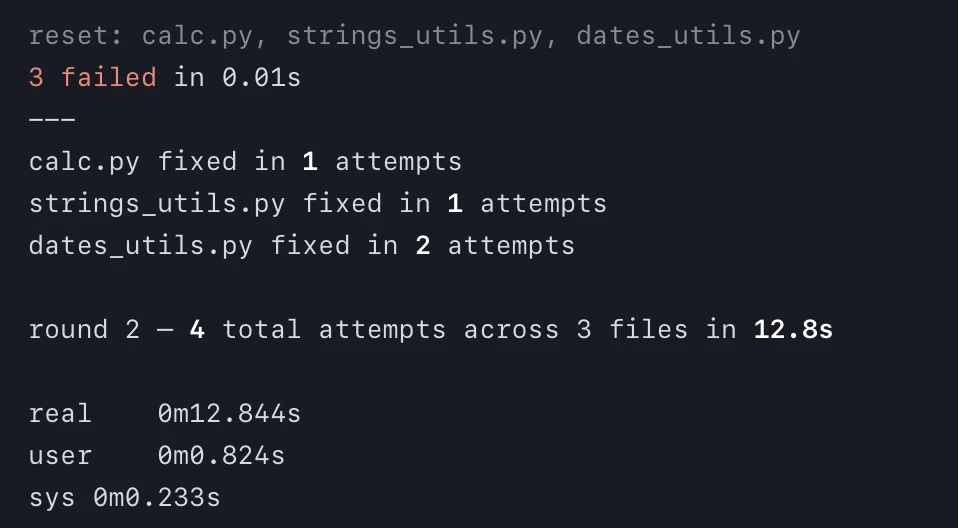
Furthermore, the economic implications are significant. Loop engineering, while increasing reliability, also increases the "cost per task." Organizations are now forced to balance the "latency dashboard" against the "accuracy dashboard." In many enterprise use cases, a 30-second delay caused by an iterative loop is a small price to pay for a 99% success rate in data processing.
Conclusion: Designing for Debuggability
The primary takeaway for the engineering community in 2026 is that a beautiful graph cannot compensate for a broken harness. If an agent loses its state or cannot interact reliably with its environment, no amount of sophisticated routing will save the project.
Successful AI deployment requires a bottom-up approach:
- Build a robust harness that manages state, handles retries, and provides clean tool interfaces.
- Implement deterministic loops that use objective feedback (tests, schema validation) rather than subjective model "certainty."
- Orchestrate with graphs to manage complex flows, parallelize tasks, and ensure unbiased review.
By respecting these distinctions, developers can move away from creating "fragile demos" and toward building resilient, production-grade AI systems that can be debugged, scaled, and trusted in real-world applications. The future of AI is not just in the models we train, but in the sophisticated engineering structures we build around them.