rifanmuazin
A robust sales strategy is not merely a document; it is the foundational framework that guides every interaction and decision within the sales process. From meticulously defining target audiences and the most effective methods to reach them, to the selection and implementation of essential tools and workflows, a comprehensive strategy orchestrates the journey from initial prospect engagement to final deal closure. In today’s dynamic business landscape, these strategies are increasingly recognized as living documents, requiring continuous refinement and adaptation based on emerging market intelligence, performance data, and evolving company objectives to maximize future sales endeavors.
The imperative for a well-defined sales strategy is underscored by its direct impact on both sales and marketing efficacy. For sales representatives, it translates into optimized time allocation, ensuring their efforts are concentrated on high-yield activities that genuinely advance the sales cycle. Concurrently, it empowers marketing teams to precisely position the company and its offerings, aligning their efforts with sales objectives for maximum impact. The benefits of investing in a strategic approach to sales are multifaceted and significant.
The Tangible Benefits of a Strategic Sales Approach
The adoption of a structured sales strategy yields immediate and measurable advantages. Foremost among these is the ability to Maximize Time on High-Impact Activities. Many burgeoning businesses grapple with the challenge of consistently generating qualified leads, often feeling like they are expending considerable energy without commensurate returns. A well-defined strategy, however, begins with a deep understanding of the ideal buyer persona. By pinpointing who the most receptive and valuable customers are, businesses can then determine the most effective communication channels and craft compelling value propositions that resonate with their specific needs and pain points. This clarity liberates sales teams from the drudgery of unfocused outreach, allowing them to dedicate their valuable time and expertise to engagements that demonstrably contribute to revenue growth. Research consistently shows that sales teams with a clear strategy are better equipped to prioritize their efforts, leading to a more efficient and productive sales cycle.
Beyond individual productivity, a strategic approach is instrumental in Driving Revenue Growth and Pipeline Expansion. While various avenues exist for revenue enhancement, such as price adjustments or optimizing acquisition channels, a strategic framework provides a roadmap for sustained growth. Evidence strongly suggests that the synergy between sales and marketing teams, when operating under a unified strategic vision, significantly amplifies success. A notable study revealed that companies fostering close, strategic collaboration between these departments experience a remarkable 38% higher sales win rate. This highlights the power of aligned efforts in not only closing more deals but also in building a more robust and predictable sales pipeline.

Furthermore, a critical outcome of a comprehensive sales strategy is the Creation of Repeatable and Scalable Systems. A well-articulated strategy moves beyond ad-hoc efforts, enabling the identification and systematization of the most effective sales processes. This fosters predictability and allows for the consistent application of proven tactics across all leads, rather than relying on guesswork. For instance, if data indicates that leads who receive a product demonstration convert at a significantly higher rate (e.g., 50% higher), this becomes a clear, actionable imperative to integrate into all relevant sales interactions. Such systematization ensures that successful methodologies are not confined to isolated instances but become the standard, driving consistent performance and facilitating easier scaling as the business grows.
Navigating the Spectrum of Sales Methodologies
The contemporary sales environment offers a diverse array of strategic approaches, each with its unique strengths and applications. While it is often beneficial to integrate elements from multiple methodologies, the specific business model and customer base will typically dictate a stronger reliance on one or two primary strategies. Understanding these distinctions is crucial for selecting the most appropriate path.
Inbound Sales: Attracting and Nurturing Interest
Inbound sales strategies are predicated on the principle of attracting leads by providing them with valuable content and resources. This methodology inherently blurs the lines between sales and marketing, creating a more integrated approach than traditional outbound methods. A prime example of inbound sales in action involves a marketing team disseminating compelling content, such as whitepapers or insightful blog posts, to a targeted audience. When this content captures the interest of a potential lead, the sales team can then engage, perhaps by offering a product demonstration or delving deeper into the lead’s specific challenges and pain points.
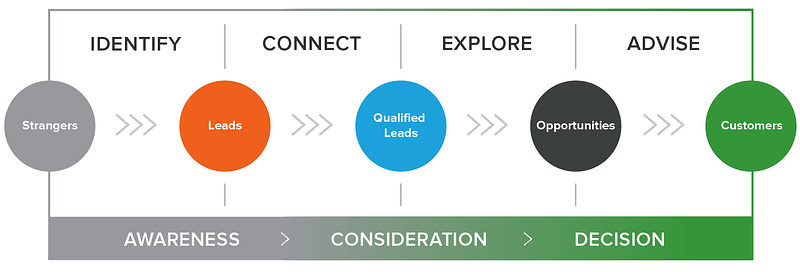
The role of the sales representative in an inbound model is often that of an advisor. They engage with leads in a consultative manner, ensuring that the product or service is genuinely a suitable fit for the prospect’s needs. This approach builds trust and positions the company as a knowledgeable partner rather than simply a vendor. The visual representation of the inbound sales methodology typically illustrates a funnel where content attracts prospects, who are then nurtured through various stages until they are ready for a sales conversation.
Outbound Sales: Proactive Lead Generation
Conversely, outbound sales strategies involve the proactive sourcing and contacting of potential leads. This classic approach, which has formed the bedrock of many successful businesses, relies on direct outreach, such as cold email campaigns and telemarketing. While it requires a compelling offer and a seamless sales process, the effectiveness of outbound sales remains significant. A critical consideration for any outbound strategy is adherence to data privacy regulations, such as GDPR, ensuring that lead sourcing and contact methods are fully compliant. DemandScience, for instance, offers solutions to assist businesses in navigating these complexities and generating leads in a compliant manner.
Account-Based Marketing (ABM): Hyper-Targeted Engagement
Account-Based Marketing (ABM) represents a highly strategic and targeted approach that shifts the focus from individual leads to specific, high-value accounts. This methodology involves identifying companies that represent the ideal fit for a company’s products or services, based on their propensity to purchase and strategic alignment. Once these target accounts are identified, ABM campaigns focus on creating unique, highly personalized content and engagement strategies designed to nurture relationships and facilitate conversions.
ABM campaigns typically involve engaging multiple decision-makers within a target organization. The objective is to provide relevant, valuable information at every touchpoint, building consensus and buy-in from key stakeholders, thereby streamlining the account closure process. This approach necessitates close collaboration between sales and marketing teams, ensuring a unified message and coordinated outreach. A practical illustration of ABM would be a coordinated effort involving targeted LinkedIn advertising aimed at key personnel within a designated account, while the sales team simultaneously initiates personalized outreach via cold email. This strategy effectively reverses the traditional funnel, beginning with a clear definition of the target audience and then building campaigns to convert them. For organizations with the resources to invest, ABM is often considered a highly effective strategy for engaging enterprise-level clients.
The Pillars of Building a Resilient Sales Strategy
Constructing an effective sales strategy requires a systematic, step-by-step approach. This process ensures that all critical components are considered, leading to a robust and adaptable plan.
1. Foundational Analysis: Industry, Product/Service, and Buyer Persona
The initial and most crucial step in developing a sales strategy is a thorough understanding of the business’s core elements. This involves a deep dive into the industry landscape, the specific product or service being offered, and, most importantly, the ideal customer profile, or buyer persona. How does the business position itself within its industry? What unique value does its product or service provide? Who is the ideal customer, and what are their needs, challenges, and motivations? This foundational analysis informs every subsequent decision.
Equally important is the consideration of the Average Contract Value (ACV). Businesses with a low ACV will employ vastly different tactics than those dealing with high-value, infrequent transactions. For example, a company selling low-cost, high-volume subscriptions will focus on efficient, scalable outreach, while a purveyor of complex enterprise solutions will invest more in in-depth consultative selling. The industry itself also plays a significant role. Some sectors thrive on in-person interactions, trade shows, and networking events, while others can effectively conduct business and build relationships entirely online.

2. Setting Ambitious Yet Achievable Sales Goals
Sales goals should not exist in a vacuum; they must be intrinsically linked to the broader objectives of the company. Once overarching sales targets are established, they should be systematically broken down into Key Performance Indicators (KPIs) and individual goals for each sales representative. For instance, a company-wide revenue target might translate into individual goals such as sending a specific number of qualified cold emails per week or scheduling a certain number of discovery calls. The overarching principle is that sales goals must accurately reflect the expected activities of the sales team and the desired outcomes. This ensures alignment and provides a clear measure of progress.
3. Identifying and Leveraging Key Acquisition Channels
The selection of effective acquisition channels is directly informed by the established buyer personas. Understanding where the ideal customer spends their time, how they consume information, and what influences their purchasing decisions is paramount. A range of demand-generation strategies can be employed, tailored to the specific target audience. These might include:
- Content Marketing: Creating and distributing valuable, relevant content to attract and engage a clearly defined audience.
- Search Engine Optimization (SEO): Improving website visibility in search engine results to attract organic traffic.
- Paid Advertising: Utilizing platforms like Google Ads or social media advertising to reach specific demographics.
- Social Selling: Engaging with prospects and building relationships on social media platforms.
- Email Marketing: Nurturing leads and communicating with existing customers through targeted email campaigns.
- Referral Programs: Incentivizing existing customers to refer new business.
- Partnerships and Affiliates: Collaborating with other businesses to reach a wider audience.
The suitability of each channel is also contingent on the product’s price point. For low-cost products (e.g., $10 per month), channels that are less time-intensive for sales reps, such as broad digital advertising or freemium models, are often more effective. Conversely, for expensive, infrequently purchased solutions, channels like cold email can serve as an initial touchpoint to educate prospects before transitioning to more personal interactions like phone calls or demonstrations.
4. Rigorous Measurement of Sales Performance
The adage "what gets measured, gets managed" is particularly relevant in sales. Continuous monitoring of all sales activities is the only reliable method for determining whether targets are being met and which strategies are proving effective. Without robust tracking, valuable resources can be misallocated, and underperforming initiatives may persist.
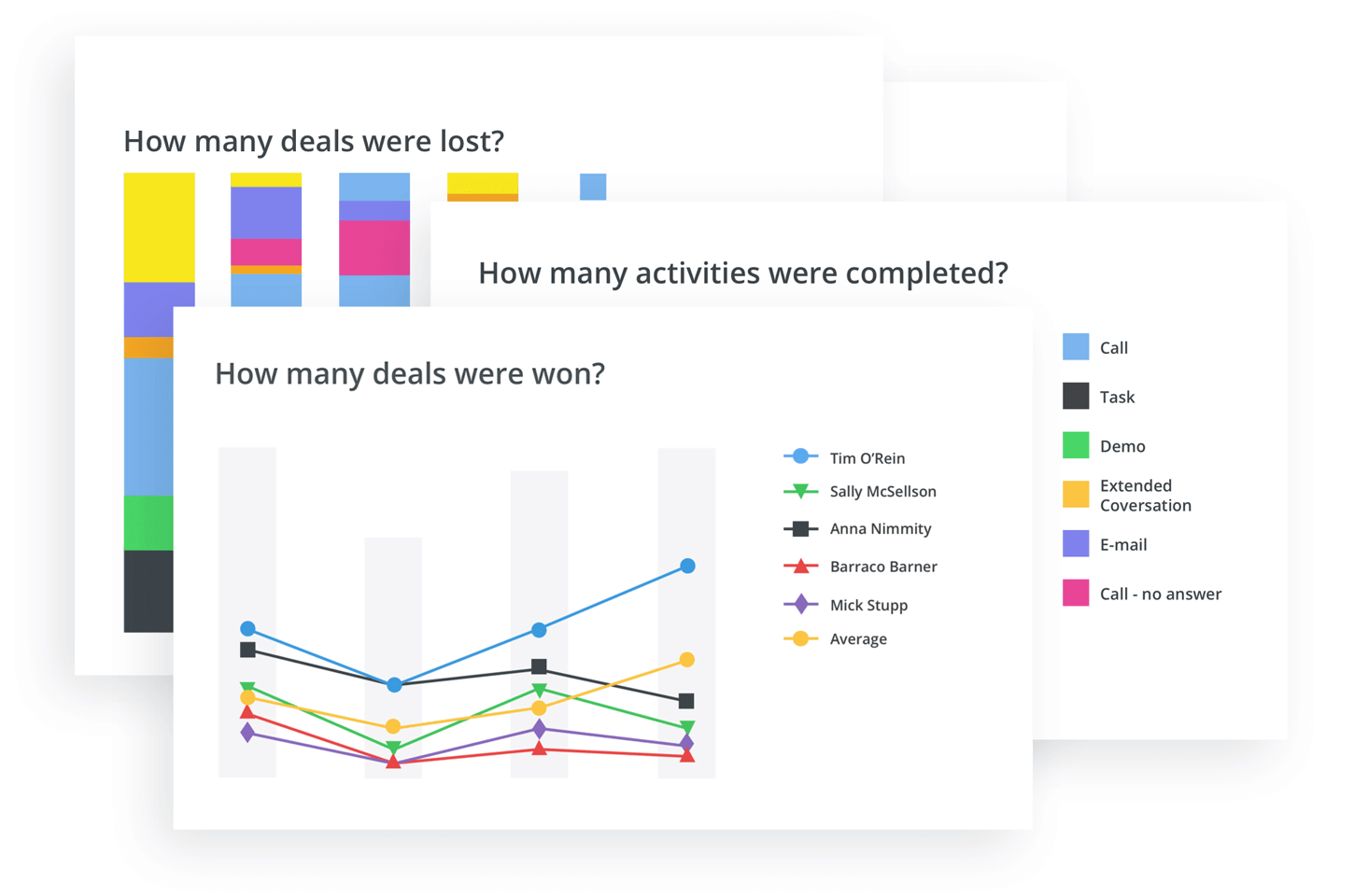
While simple tools like Microsoft Excel or Google Sheets can be adapted for goal tracking, they often lack the specialized functionality required for comprehensive sales performance analysis. Dedicated Customer Relationship Management (CRM) systems, such as Pipedrive, offer integrated analytics and detailed reporting capabilities. These systems can track metrics like the volume of outreach, open rates, response rates, conversion rates, and even provide revenue forecasts. Over half of sales teams report increased productivity when utilizing a CRM, underscoring its importance in maintaining an efficient and effective sales operation. A clear and consistently applied goal-tracking system, coupled with team buy-in, is essential for ensuring that sales efforts are both productive and strategically aligned.
5. Strategic Automation of Processes
Once a sales strategy demonstrates consistent positive results, the next logical step is to automate repetitive and time-consuming processes. As sales efforts gain traction, managing the increasing volume of leads and activities can become overwhelming. Automating routine tasks frees up sales representatives to focus on higher-value interactions, such as engaging with promising leads.
Tools that automate lead list generation, filtering by specific criteria like job titles, industries, company size, and even technology stacks, can significantly reduce the manual effort involved in prospecting. Similarly, tools that identify website visitors can enable proactive outreach. Automation also extends to crucial aspects like lead scoring. By assigning scores to leads based on their interactions with the company’s brand, sales teams can intelligently prioritize their efforts, knowing precisely when a lead is most receptive to engagement. Many CRMs, including HubSpot CRM, Salesforce, and Agile CRM, offer robust lead scoring capabilities, ensuring that sales representatives can focus their attention on the most qualified prospects.
Continuous Optimization and the Value of Existing Customers
The journey of a sales strategy does not end with its implementation; ongoing optimization is crucial to ensure sustained effectiveness and efficient resource utilization. This involves regularly analyzing campaign performance, identifying underperforming areas, and making targeted adjustments. For example, if cold email open rates are consistently low, a systematic investigation should focus on two primary culprits: the subject line’s effectiveness in capturing attention or the recipient’s perception of the email’s relevance and value. By altering one variable at a time and meticulously monitoring the impact, businesses can iteratively refine their outreach tactics.
Furthermore, it is imperative not to overlook the immense value of existing customers. Research indicates that businesses are significantly more likely to sell to existing customers than to acquire new ones – a statistic that underscores the importance of customer retention. Maintaining high levels of customer satisfaction is paramount, as avoidable customer churn represents a substantial financial loss for companies. Strategies focused on nurturing existing client relationships, providing ongoing support, and identifying opportunities for upselling or cross-selling can yield substantial returns and contribute significantly to overall revenue growth. A customer-centric approach, woven into the fabric of the sales strategy, ensures long-term sustainability and loyalty.